
Main Courses
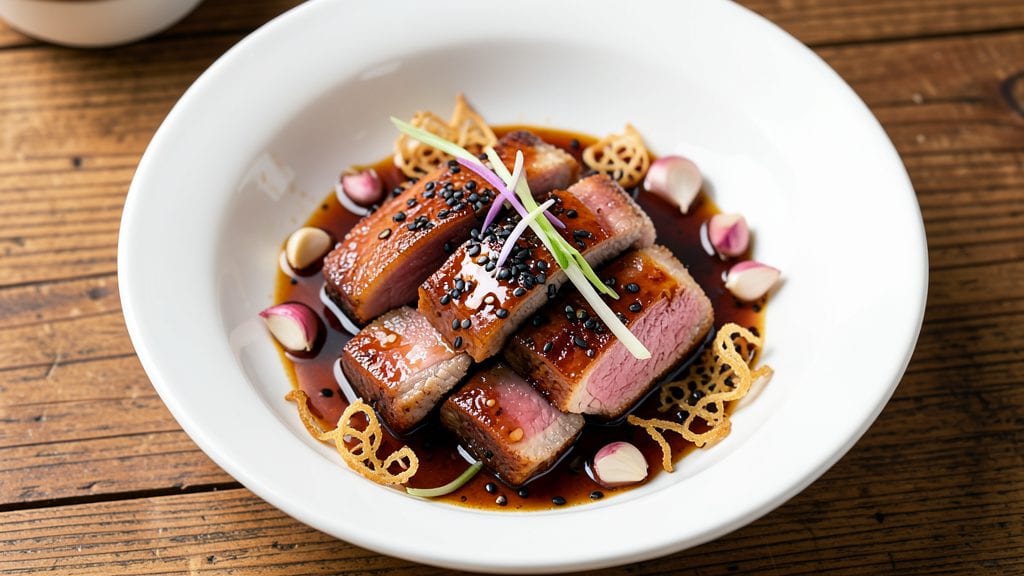
This Japanese pork tenderloin recipe delivers melt-in-your-mouth tenderness with a teriyaki glaze that caramelizes into perfect sweetness. Growing up in Georgia, I learned pork deserves respect—this method proves even quick cuts can shine.
The secret lies in precise timing and high heat, transforming lean tenderloin into restaurant-quality slices in just 25 minutes.
We start with a simple marinade of soy sauce, mirin, and sugar that tenderizes while building flavor, then sear the pork to lock in juices before finishing with a quick broil. This technique ensures the exterior stays crisp while the center remains tender and juicy—no dryness here.
The teriyaki glaze reduces to a glossy finish that coats every bite with balanced sweet-savory notes.
Serve over steamed rice with quick-pickled vegetables for a complete meal, or pair with miso soup for an authentic Japanese spread. The presentation is simple yet elegant: thinly sliced pork arranged over rice, drizzled with extra glaze, and garnished with scallions.
Every element comes together for a dish that feels both comforting and refined.
Perfect for weeknight dinners or special occasions, this recipe proves you don’t need complicated techniques to achieve professional results. The method scales easily—whether cooking for two or feeding a crowd—and always delivers that satisfying first bite. Let’s get started on creating tender, flavorful pork that rivals your favorite Japanese restaurant.
Ingredients for japanese pork tenderloin
Lean pork tenderloin meets teriyaki magic in this quick, restaurant-quality recipe.
| Ingredient | Amount | Notes |
|---|---|---|
| Japanese Pork Tenderloin 🐷 | 2 lb | Trimmed of fat and silver skin |
| Soy Sauce 🍜 | ½ cup | High-quality Japanese brand preferred |
| Mirin 🍶 | ¼ cup | Sweet rice wine, not substitute |
| Granulated Sugar 🍚 | ¼ cup | Or coconut sugar for caramelized notes |
| Sesame Oil 🌿 | 1 tbsp | For aroma, not cooking |
| Garlic Cloves 🧄 | 4 cloves | Minced, fresh preferred |
| Fresh Ginger 🌿 | 2 tbsp | Grate finely, vibrant yellow preferred |
| Cornstarch 🌾 | 2 tbsp | For glaze thickening |
| Water 💧 | ¼ cup | For glaze slurry |
| Scallions 🌱 | 4 whole | Thinly sliced for garnish |
| Diamond Crystal Kosher Salt 🧂 | 1 tsp | For seasoning pork |
| Freshly Ground Black Pepper 🌶️ | ½ tsp | Freshly ground preferred |
| Vegetable Oil 🫒 | ¼ cup | For searing pork |
The pork tenderloin is your star—look for well-marbled cuts from Japanese butchers or high-end grocery stores like H-Mart or Japanese Market for that authentic texture. If you can't find it, pork loin works in a pinch, but trim all visible fat. The mirin isn't optional—Koyo or Yamasa brands give that perfect balance of sweetness and acidity. For sugar, coconut sugar adds molasses notes that caramelize beautifully, but regular white sugar works fine if that's what you've got. The sesame oil should be toasted sesame—the clear kind is just for cooking, not flavor.
No mirin? Mix 3 tbsp honey with 2 tbsp rice vinegar to approximate the sweet-tangy profile. Fresh ginger is ideal but dried ginger at half the amount works too—just toast it first to wake up the flavor. For the glaze, cornstarch slurry is key—don't skip it. The glaze needs that thickening power to caramelize properly. If you're short on time, arrowroot powder works at the same ratio. The scallions should be bright green—any yellowing means they're past their prime. For garnish, green onions work, but scallions have that authentic Japanese flavor.
Marinate the pork for at least 4 hours (overnight is even better) to let the flavors penetrate. The teriyaki glaze keeps 5 days in the fridge, so make extra—it's perfect for drizzling over noodles or rice. Store the pork in an airtight container with the marinade for 2-3 days before cooking. For best results, sear the pork first before broiling—this locks in all the juices. The cooked pork reheats beautifully, so portion into containers for easy lunches. Just pop it in the oven at 350°F for 10 minutes to warm through.
Why You'll Love This Recipe
- One-Pan Magic: Honestly, this is one of those recipes where you’re basically doing one thing: sear the pork, build the glaze, and call it a night. The mirin and granulated sugar caramelize into that glossy finish in the same pan, so no extra dishes—just a skillet, a spatula, and a few minutes of hands-off simmering.
- Umami Bomb: That soy sauce and sesame oil combo? It’s like a flavor hug for your taste buds. The garlic and ginger get sautéed just until fragrant—no overpowering, just that perfect zing—and the cornstarch slurry turns the glaze into a sticky, addictive sauce that clings to every tender bite of pork.
- Budget-Friendly Luxury: Japanese pork tenderloin might sound fancy, but it’s actually way more affordable than you’d think—especially when you’re getting a solid 2 pounds for a fraction of what steak costs. And since the sugar and mirin are used in small amounts, you won’t be emptying your pantry to make this. It’s the kind of dish that feels indulgent but won’t break the bank.
Step-by-step instructions for Japanese pork tenderloin recipe
This method delivers melt-in-your-mouth tenderness with a perfect balance of sweet and savory flavors.
Prep the Pork and Make the Glaze
Start by trimming the 2 lb Japanese pork tenderloin of any visible fat or silver skin using a sharp knife. Pat it dry with paper towels—this ensures a better sear later. In a small bowl, whisk together the ½ cup soy sauce, ¼ cup mirin, ¼ cup granulated sugar, and 1 tbsp sesame oil. This creates the flavor foundation for your glaze. Let this mixture sit while you prep the pork.
Next, mince the 4 garlic cloves and grate the 2 tbsp fresh ginger using a microplane. The finer the texture, the better the flavor distribution. In a separate small bowl, combine the 2 tbsp cornstarch with the ¼ cup water to create a slurry—this will help thicken the glaze beautifully. Keep all prepped ingredients within easy reach for the next steps.
Sear the Pork to Lock in Juices
Heat the ¼ cup vegetable oil in a large skillet over medium-high heat until shimmering but not smoking. Season the pork generously with 1 tsp diamond crystal kosher salt and ½ tsp freshly ground black pepper, pressing the seasoning into the meat. Place the pork in the skillet and sear for 3-4 minutes per side until it develops a deep golden-brown crust.
Here's the thing—don't move the pork around too much during searing. Let it develop that crust undisturbed. The crust isn't just about flavor; it's what keeps all those precious juices inside while cooking. Once both sides are golden, remove the pork and set it aside on a plate. You'll notice it's already starting to look more appetizing, but the magic happens next.
Build the Glaze and Finish Cooking
In the same skillet (don't wipe it clean—those browned bits are pure flavor), reduce the heat to medium and add the garlic and ginger. Sauté for 30-45 seconds until fragrant—this releases their aromatic oils. Pour in the soy sauce mixture and bring it to a gentle simmer. Let it reduce by about half, which should take 3-4 minutes, until it thickens slightly and coats the back of a spoon.
Add the cornstarch slurry all at once and stir vigorously. The mixture will thicken dramatically within seconds—watch closely. Once it reaches a glossy, syrupy consistency (about 1-2 minutes), return the pork to the skillet. Spoon the glaze generously over the meat, making sure it's fully coated. Let it cook for another 2-3 minutes until the pork reaches an internal temperature of 145°F.
Rest and Garnish for Maximum Tenderness
Transfer the pork to a cutting board and let it rest for 5-7 minutes. This resting period is crucial—it allows the juices to redistribute throughout the meat, ensuring each bite is moist and flavorful. While it rests, thinly slice the 4 scallions for garnish. The contrast of their fresh, sharp flavor against the rich glaze will elevate the dish.
Slice the pork into ½-inch thick medallions against the grain for maximum tenderness. Arrange the slices on a warm platter, drizzle any remaining glaze from the skillet over the top, and sprinkle with the sliced scallions. Serve immediately while the pork is still warm and the glaze is glossy. The result should be perfectly tender pork with a sticky, caramelized glaze that balances sweet, salty, and umami flavors in every bite.
Pro Tips For Making Japanese Pork Tenderloin
- Don’t Rush the Glaze: After burning three batches of glaze, I finally learned to let the soy sauce mixture reduce slowly—about 3-4 minutes on medium heat—until it’s syrupy but not sticky. Rushing it turns the glaze grainy, and no one wants dry, clumpy pork. Keep the heat steady, and stir occasionally to avoid scorching.
- Pat That Pork Dry: I used to skip this step, thinking it was overkill, but dry pork sears like a dream. Pat the tenderloin thoroughly with paper towels before seasoning—wet surfaces steam instead of brown, and you’ll end up with a pale, soggy crust. Trust me, the difference is night and day.
- Slurry All at Once: The cornstarch slurry is your thickener, but timing matters. Add it all at once when the glaze is reduced by half, then stir vigorously for 1-2 minutes until it’s glossy. Drizzling it in slowly? You’ll end up with lumps, and no one wants a glaze that fights back.
- Slice Against the Grain: Cutting the pork against the grain (perpendicular to the muscle fibers) turns chewy meat into melt-in-your-mouth slices. If you’re unsure which way is “against,” look for the longest, most continuous grain lines—then slice at a 45-degree angle to them. Your knife will thank you.
Flavor customization for these flavors
Sweet Heat Twist
Add 1 tbsp gochujang (Korean chili paste) to the glaze mixture along with the soy sauce and mirin. This creates a sweet-spicy kick that pairs beautifully with the teriyaki flavors. I love using S&B gochujang for its balanced heat and depth.
The glaze will develop a deeper red color and subtle smokiness that contrasts perfectly with the pork’s natural sweetness. 🌶️
Honey Sriracha Glaze
For a modern twist, replace ¼ cup mirin with 2 tbsp honey and 1 tbsp sriracha in the glaze. This creates a tangy-sweet-spicy profile that works surprisingly well with pork. The honey caramelizes beautifully while the sriracha adds a gentle heat.
I recommend Sriracha Original for its classic balance of sweetness and spice. The result is a dish that feels both familiar and exciting.
Miso Butter Finish
After cooking the pork, finish it with a pat of white miso butter—mix 2 tbsp white miso paste with 2 tbsp softened butter and spread it over the warm pork. This adds umami depth and a luxurious texture.
I use Kikkoman white miso for its smooth, mild flavor that complements the teriyaki perfectly. It’s an easy upgrade that makes the dish feel special.
Lemon Pepper Crust
Before searing, coat the pork with a mix of 1 tbsp lemon zest, 1 tsp freshly cracked black pepper, and ½ tsp kosher salt. This creates a bright, peppery crust that contrasts beautifully with the sweet glaze.
The lemon zest adds a citrusy brightness that cuts through the richness of the teriyaki. I like to use freshly cracked pepper for that extra punch—it’s worth the effort.
Sesame Crust Upgrade
For added texture, press 1 tbsp toasted sesame seeds into the pork after searing but before glazing. The seeds add a nutty crunch that balances the smooth glaze. I toast the sesame seeds in a dry skillet over low heat for 1-2 minutes until fragrant before pressing them on.
This simple step elevates the dish from good to great with minimal effort.
Nutrition facts
Frequently asked questions
Why does the recipe call for Japanese pork tenderloin instead of regular pork?
The Japanese pork tenderloin is prized for its marbled texture and tenderness, delivering a more luxurious mouthfeel than standard pork loin. It's lean yet flavorful, perfect for absorbing the teriyaki glaze without drying out. If you can't find it, pork loin works in a pinch—just trim all visible fat to maintain the same results.
Can I skip marinating the pork overnight?
While 4 hours is the minimum marinating time for best flavor penetration, you can cook it right away—but expect slightly less tenderness. The soy sauce and mirin will still work their magic, but the pork may benefit from that extra time to develop deeper flavor layers. If short on time, at least marinate for 2 hours before cooking.
What's the best way to check if the pork is done?
Use a meat thermometer to check the internal temperature—145°F is perfect for juicy, tender pork. The pork will be firm to the touch but still moist when cooked to this temperature. Overcooking is easy to do with lean cuts, so pull it off the heat when you hit that temp to avoid dryness.
How do I store the cooked pork for leftovers?
Let the pork cool completely, then store it in an airtight container in the fridge for up to 3 days. Reheat gently in a skillet over medium-low heat with a splash of water to restore moisture. For best results, portion it before storing to avoid reheating large chunks at once.