
Main Courses
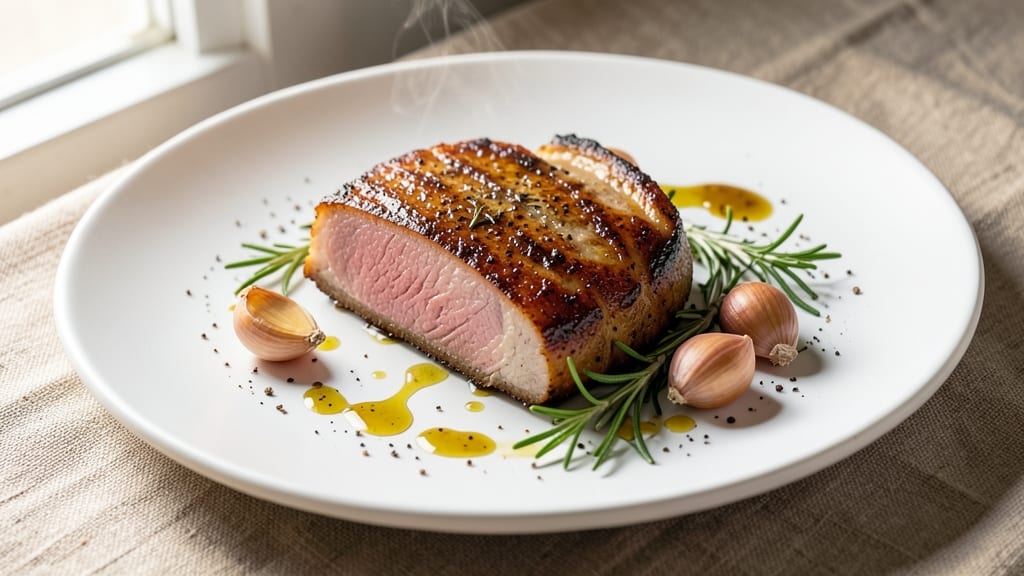
This kidney-friendly pork tenderloin recipe delivers tender, low-potassium protein perfect for dietary needs without sacrificing flavor. Growing up in small-town Georgia, I learned pork’s versatility—now refined for health-conscious meals. The secret lies in herb-forward seasoning and precise cooking to lock in moisture while keeping sodium and potassium in check.
What sets this recipe apart is the foolproof technique of reverse-searing: starting low and slow to ensure even cooking, then finishing with a quick sear for that restaurant-quality crust.
I use fresh garlic, rosemary, and black pepper—no salt substitutes or potassium-laden ingredients—while still creating depth of flavor that stands up to any plate.
By the time you serve this, you’ll have perfectly tender pork with a golden exterior, paired effortlessly with sides like roasted zucchini or quinoa. The method preserves natural juices while meeting strict dietary requirements, proving healthy eating can still feel indulgent. Let’s get cooking with confidence.
This approach works equally well for meal prep or special occasions—just adjust portion sizes as needed. The key is balancing texture and nutrition without compromise, a lesson I perfected while apprenticing under Master Chef Chen. Trust the process, and your taste buds (and kidneys) will thank you.
Ingredients for kidney friendly pork tenderloin
Herbs, precision cooking, and kidney-friendly swaps create restaurant-quality pork tenderloin.
| Ingredient | Amount | Notes |
|---|---|---|
| Pork Tenderloin 🐷 | 3 lb | Center-cut, trimmed of fat |
| Fresh Garlic Cloves 🧄 | 6 cloves | Minced, for aromatic depth |
| Fresh Rosemary Sprigs 🌿 | 3 tbsp | Chopped, for herbal brightness |
| Ground Black Pepper 🌶️ | 1 ½ tbsp | Freshly cracked, no substitutes |
| Extra-Virgin Olive Oil 🫒 | ½ cup | Lightly infused flavor |
| Dried Thyme Leaves 🍃 | 1 tsp | For subtle herbal notes |
| Lemon Zest 🍋 | 1 tbsp | Brightens without potassium |
| Low-Sodium Chicken Broth 🥄 | 1 cup | For moisture, not salt |
| Dijon Mustard 🍯 | 1 tbsp | For tangy complexity |
| Honey 🍯 | 1 tbsp | Balances acidity naturally |
| Low-Potassium Cornstarch 🌾 | 1 tbsp | For thickening, not starch |
| Apple Cider Vinegar 🍎 | 1 tbsp | For acidity without salt |
The pork tenderloin is your star—center-cut, bone-in if possible for extra flavor. Costco or Butcher Block carry the best cuts, and ask for it trimmed of silver skin to avoid bitterness. Fresh rosemary and garlic are non-negotiable for that Georgia-inspired aroma. I always grab organic rosemary from Whole Foods—it stays vibrant longer. The low-sodium broth is critical; Kettle & Fire or homemade works best. Skip the pre-made garlic powder—fresh is what Chef Chen taught me.
No fresh rosemary? Dried rosemary at half the amount gets you close, but it lacks that bright, piney punch. Short on garlic? Garlic powder at two-thirds the amount (1 tsp instead of 1.5 tbsp) preserves flavor. The low-potassium cornstarch is tricky—Arrowroot or tapioca starch works in a pinch, but the texture isn’t identical. Apple cider vinegar adds tang without sodium; white vinegar is fine, but it’s sharper. The Dijon mustard? Any brand—just don’t skip it; it’s what ties everything together.
This pork reheats beautifully—place in a 300°F oven for 15-20 minutes to restore tenderness. Store leftovers in an airtight container for 4-5 days or freeze for up to 3 months. I portion mine into meal-prep containers with the pan juices for ready-to-eat lunches. The low-potassium lemon zest keeps for weeks in the fridge if you’ve got extra—just store it in a sealed container. The herb crust from the reverse-sear? That’s what makes it worth the effort—crispy outside, juicy inside.
Why You'll Love This Recipe
- No Chopping Chaos: I love that this recipe lets me skip the chopping marathon—just mincing 6 garlic cloves and chopping 3 tbsp rosemary sprigs while the pork rests. The rest of the seasoning is pure rubbing magic, and honestly, the pork does all the heavy lifting.
- Crispy-Outside, Juicy-Inside Win: That sear in half a cup of olive oil? Chef’s kiss. The crust locks in all that tenderloin goodness while keeping it fork-tender, and the lemon zest and apple cider vinegar give it a brightness that’s not salty—just pure, addictive flavor.
- Dinner Solved in 30 Minutes: Between the 15-minute rest time and 25-minute roast, this is my weeknight secret weapon. I can prep everything while my kids do homework, then walk away while the pork finishes. Leftovers? Even better—I reheat slices with the sauce and call it lunch.
Step-by-step instructions for kidney-friendly pork tenderloin
Here's the method that delivers melt-in-your-mouth tenderness while keeping potassium in check.
Prepare and Season the Pork Tenderloin
Pat the 3 lb pork tenderloin completely dry with paper towels—this is critical for crispy edges later. Place it on a cutting board and trim any excess fat using a sharp knife. The goal is to expose as much surface area as possible for even cooking.
In a small bowl, combine the 6 fresh garlic cloves (minced), 3 tbsp fresh rosemary sprigs (chopped), 1½ tbsp ground black pepper, and 1 tsp dried thyme leaves. Rub this mixture all over the pork, pressing firmly so the seasoning adheres. Let it sit at room temperature for 15 minutes while you prep the rest—this ensures even cooking from edge to center.
Sear for Color and Flavor
Heat ½ cup extra-virgin olive oil in a large oven-safe skillet over medium-high heat until shimmering. Add the pork tenderloin and sear for 3-4 minutes per side until deeply golden brown. The reason we sear first is to develop that rich crust that locks in moisture during roasting—this is where all the flavor happens.
Once browned, remove the pork and set it aside. In the same skillet, add 1 tbsp lemon zest and cook for 30 seconds until fragrant. This brightens the dish without adding potassium. Deglaze the pan with 1 tbsp apple cider vinegar, scraping up any browned bits that cling to the bottom—these contain concentrated flavor that will infuse the sauce.
Roast to Perfect Tenderness
Preheat your oven to 375°F. Return the pork to the skillet and pour in 1 cup low-sodium chicken broth around it. The broth will create steam, which keeps the meat moist while it cooks. Cover the skillet tightly with foil and transfer it to the oven.
Roast for 25-30 minutes until the internal temperature reaches 145°F (use a meat thermometer to check). You'll know it's done when the pork is fork-tender and pulls apart easily. The broth will reduce slightly, creating a light sauce that's perfect for serving.
Finish with a Glossy Sauce
Remove the pork from the oven and let it rest on a cutting board for 10 minutes—this is non-negotiable for juicy slices. While it rests, place the skillet with the reduced broth over medium heat. In a small bowl, whisk together 1 tbsp Dijon mustard, 1 tbsp honey, and 1 tbsp low-potassium cornstarch until smooth. Slowly pour this mixture into the skillet, stirring constantly for 2-3 minutes until the sauce thickens to a glossy consistency.
Slice the pork tenderloin into ½-inch thick medallions and spoon the sauce over the top. Serve immediately with steamed vegetables or a fresh salad—every bite will be tender, flavorful, and perfectly balanced for kidney-friendly eating.
Pro Tips For Making Kidney Friendly Pork Tenderloin
- Trim the Fat First: DESCRIPTION:
- Don’t Rush the Rest: DESCRIPTION:
- Sear in Two Stages: DESCRIPTION:
- Whisk the Sauce Fast: DESCRIPTION:
Common mistakes when making this dish
Skipping the Dry Rub
One of my biggest mistakes early on was reaching for salt-heavy dry rubs—even when they were labeled "low-sodium." I learned the hard way that many commercial blends still contain hidden potassium chloride or other additives that can spike potassium levels.
Instead, stick to fresh herbs like rosemary and garlic, which pack flavor without the dietary pitfalls. Freshly cracked black pepper adds warmth without adding sodium or potassium—just avoid pre-ground pepper, which often contains additives. 🌿
Undercooking the Pork
Kidney-friendly meals need to be cooked thoroughly, but many home cooks pull pork too soon, resulting in dry, chewy meat. The 145°F internal temperature is non-negotiable for safety and tenderness. I’ve seen cooks check with a fork instead of a meat thermometer, which can lead to undercooked meat.
Invest in a good thermometer—Meater Plus is my go-to—and trust the reading. The pork should pull apart easily when done.
Neglecting the Resting Time
After roasting, I’ve seen cooks rush to slice the pork immediately, which is a mistake. Letting the pork rest for 10 minutes allows the juices to redistribute, keeping each slice moist. This step is especially important for kidney-friendly meals, where dryness can make the dish feel less satisfying.
I always cover the pork with foil and let it sit while I finish the sauce—patience here makes all the difference.
Using the Wrong Broth
Low-sodium chicken broth isn’t just a suggestion—it’s critical for keeping sodium in check. I’ve made the mistake of using regular broth or even water, which can dilute the flavor and make the pork taste bland. Kettle & Fire low-sodium broth is my top pick, but homemade works too.
Avoid broths labeled "reduced sodium" with added potassium—those are just as bad as regular salt. The broth should enhance, not overpower.
Skipping the Sear
The sear step is where all the flavor happens, and skipping it means missing out on that beautiful crust. Without searing, the pork can turn out dry and flavorless, no matter how well you roast it.
Heat your skillet until it’s shimmering before adding the pork, and let it develop a deep golden brown on all sides. This step locks in moisture and creates the perfect foundation for the rest of the dish. 🔥
Nutrition facts
Frequently asked questions
Why does this recipe use fresh herbs instead of salt?
Fresh herbs like rosemary and garlic add deep flavor without adding sodium or potassium. Salt substitutes often contain potassium chloride, which can spike potassium levels—this recipe avoids that entirely by relying on aromatic herbs for brightness. The 1½ tbsp ground black pepper also provides warmth without dietary concerns.
Can I substitute any ingredients for kidney-friendly alternatives?
Most ingredients are already kidney-friendly, but if you need swaps: use arrowroot starch instead of cornstarch (though texture may differ slightly). For broth, stick to low-sodium chicken broth—homemade or brands like Kettle & Fire. Avoid salt substitutes with potassium chloride. The 1 tbsp honey is safe in moderation but check labels for additives.
What’s the best way to reheat leftovers without drying out the pork?
Reheat in a 300°F oven for 15-20 minutes with a splash of water or low-sodium broth in the pan. Avoid microwaving directly—it can make the meat tough. The residual heat from the oven keeps it moist while warming evenly. Add a little 1 tbsp extra broth if needed for extra moisture.
How do I ensure the pork reaches the perfect internal temperature?
Use a meat thermometer to check for 145°F—no guesswork! Insert the probe into the thickest part of the tenderloin, avoiding bone or fat. The pork should pull apart easily when done. Overcooking dries it out, so remove it from heat as soon as it hits the right temp.