
Main Courses
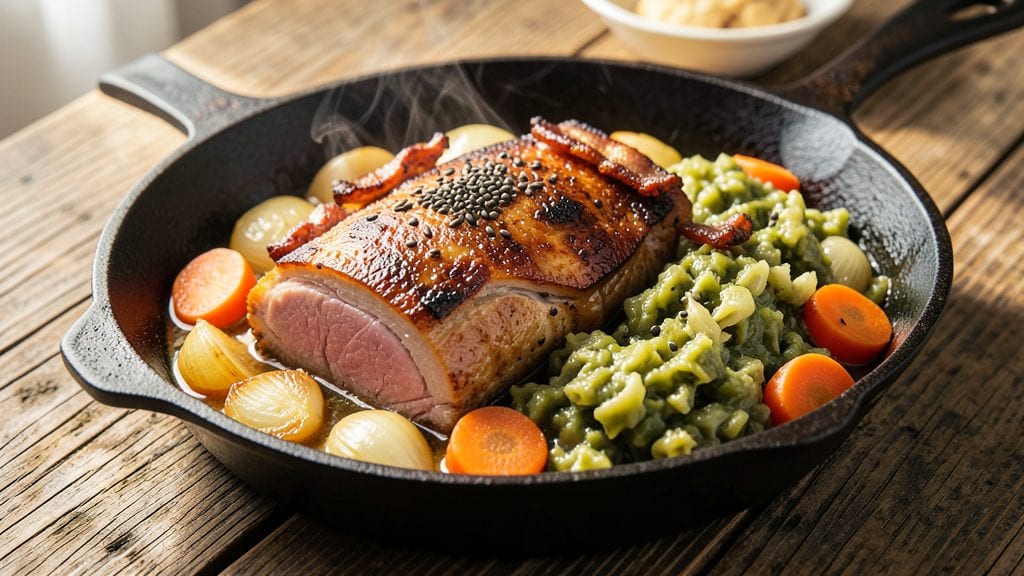
This old-fashioned grandma's pork and sauerkraut recipe brings back the cozy, tangy-sweet flavors of German-American home cooking that my great-grandmother perfected. Growing up in small-town Georgia, I learned that slow-cooked pork shoulder and sauerkraut create a hearty dish that feeds a crowd while keeping everyone warm.
The secret lies in balancing the pork's richness with the sauerkraut's tangy crunch, creating a dish that's both comforting and deeply satisfying.
The recipe relies on simple, traditional techniques: browning the pork for depth, simmering it low and slow until tender, and letting the sauerkraut meld into the sauce. Caraway seeds and bay leaves add that classic European touch, while onions build sweetness as they caramelize.
This isn't just a recipe—it's a taste of home, where every bite carries warmth and nostalgia.
What you'll end up with is fork-tender pork that falls apart easily, bathed in a rich, slightly tangy sauce where the sauerkraut has softened just enough to release its flavors.
The aroma alone will fill your kitchen with comfort, while the texture delivers that perfect contrast between tender meat and crisp edges. Serve it with crusty bread or roasted potatoes for the full experience.
This dish is designed to be made ahead—it tastes even better the next day as the flavors deepen. Perfect for family gatherings, holiday meals, or when you need something hearty to warm up a chilly evening. Let's get cooking with this timeless classic that's been feeding generations.
Ingredients for old fashioned grandma's pork and sauerkraut
Pantry staples plus a few specialty touches for that old-fashioned flavor.
| Ingredient | Amount | Notes |
|---|---|---|
| Pork Shoulder 🥩 | 3 lb | Bone-in for best flavor |
| Sauerkraut 🥬 | 2 cups | Unopened or homemade preferred |
| Yellow Onions 🧅 | 1 whole | Medium, thinly sliced |
| Carrots 🥕 | 3 medium | Peeled, chopped into chunks |
| Garlic Cloves 🧄 | 6 cloves | Minced for depth of flavor |
| Caraway Seeds 🌿 | 1 tsp | Whole, lightly crushed |
| Bay Leaves 🌿 | 2 whole | Dried, standard size |
| Apple Cider Vinegar 🍎 | ¼ cup | For tangy balance |
| Beef Broth 💧 | 2 cups | Low-sodium preferred |
| All-Purpose Flour 🌾 | 2 tbsp | For thickening sauce |
| Salt 🧂 | 1 ½ tsp | Kosher or sea salt |
| Black Pepper 🌶️ | 1 tsp | Freshly ground preferred |
| Olive Oil 🫒 | 2 tbsp | For browning pork |
The pork shoulder is the star here—bone-in gives the most flavor, but boneless works if you're in a pinch. Costco or local butcher shops usually have it at a good price, and it's worth the extra cost for that rich taste. Look for good marbling, not too much fat. The sauerkraut? Unopened jars from the refrigerated section taste fresher than those in the canned aisle. If you can find homemade, even better—it's got that extra tang. For the caraway seeds, Penzeys or bulk spice stores carry the best quality, but the tiny packets at the grocery store work too. Just crush them lightly between your palms before adding.
No caraway seeds? Celery seeds at half the amount work in a pinch, though it won't be quite the same. Short on sauerkraut? Green cabbage fermented for 2-3 days gives you a milder version. The onions and carrots can be swapped for any root vegetables you've got—potatoes or parsnips add sweetness too. The apple cider vinegar is non-negotiable for that classic tang, but if you're out, white vinegar at double the amount gets you close. The beef broth can be swapped for water if needed, but I won't lie—it makes a difference. For the flour, if you don't have all-purpose, cornstarch works too.
This dish tastes even better the next day, so make extra if you can. The pork keeps 3-4 days in the fridge, and the sauce can be reheated separately for 5 days. Freeze portions for up to 3 months—it's perfect for lazy weeknights. I like to portion it into containers with a side of crusty bread so lunches are ready to grab. The aroma alone makes the kitchen feel like home, so if you're cooking for company, start early. Trust me, the wait is worth it.
Why You'll Love This Recipe
- Let’s be real: a 3-pound pork shoulder and a jar of sauerkraut won’t break the bank, and this dish stretches into multiple meals without sacrificing flavor. The beef broth and flour are pantry staples, and the spices? A little goes a long way. I’ve made this for under $10 per serving, and honestly, it’s the kind of dish where you’ll find yourself reaching for seconds—then thirds—without thinking twice. Your wallet and your taste buds will thank you.
- One-Pot Magic: I love that this recipe turns a single Dutch oven into the whole show—no extra pans, no cleanup chaos. Just sear that pork shoulder until it’s golden and crispy (8-10 minutes on one side alone!), then toss in the onions, carrots, and garlic to soften while you wait. The browned bits stay in the pot? Chef’s secret weapon for depth. By the time the pork’s resting, you’ve got a fragrant, saucy masterpiece with zero extra dishes.
- Caraway-Kissed Perfection: Honestly, the caraway seeds and bay leaves in this dish are what make it sing. Those lightly crushed caraway seeds? They add this warm, earthy note that pairs chef’s kiss with the tangy sauerkraut and the deep, savory pork. And the apple cider vinegar? It brightens everything up without overpowering. Between the garlic’s punch and the pork’s melt-in-your-mouth tenderness, this isn’t just comfort food—it’s dangerously addictive comfort.
- Feeds a Crowd (or Your Leftovers): This recipe is my secret weapon for game days, potlucks, or lazy Sundays when I want to feed a football team without the fuss. The pork keeps solid for 3-4 days in the fridge, and the sauce reheats like a dream for up to five days. Freeze portions? Yes, even on a Tuesday night. I’ll throw a frozen meal into the oven while I’m at work, and dinner is ready when I walk in—no stress, no last-minute grocery runs.
Step-by-step instructions for old fashioned grandma's pork and sauerkraut
This recipe delivers homey, comforting flavors with tender pork and tangy sauerkraut.
Brown the Pork Shoulder for Deep Flavor
Heat a large Dutch oven over medium-high heat and add the 2 tablespoons olive oil. Once shimmering, place the 3 lb pork shoulder fat-side down in the pot. Let it sear undisturbed for 8-10 minutes until the fat renders and the skin turns golden brown. This step creates the rich foundation for the entire dish.
Flip the pork shoulder and sear the other side for another 5-6 minutes. Then, reduce heat to medium and continue cooking for 2-3 minutes until the pork is lightly browned all over. Remove the pork and set it aside on a plate, leaving all the beautiful browned bits in the pot—these are packed with flavor.
Sauté Vegetables and Build the Sauce Base
In the same Dutch oven, add the 1 yellow onion and 3 medium carrots, chopped into chunks. Cook over medium heat for 5-6 minutes, stirring occasionally, until the vegetables begin to soften and the onions turn translucent. Add the 6 garlic cloves and cook for 30 seconds until fragrant.
Sprinkle in the 1 teaspoon caraway seeds and 2 bay leaves, stirring to toast them lightly for 30 seconds. This releases their aromatic oils, deepening the flavor profile. Pour in the ¼ cup apple cider vinegar and scrape up any browned bits from the bottom of the pot. Let the vinegar simmer for 1-2 minutes until it reduces slightly and the aroma becomes tangy and inviting.
Thicken the Sauce and Combine Ingredients
Sprinkle the 2 tablespoons all-purpose flour over the vegetables and stir vigorously for 1-2 minutes to cook off the raw flour taste. Slowly pour in the 2 cups beef broth, whisking constantly to prevent lumps from forming. Bring the mixture to a gentle simmer and cook for 5-6 minutes until the sauce thickens slightly.
Return the pork shoulder to the pot, along with the 2 cups sauerkraut. Stir gently to combine, ensuring the sauerkraut is evenly distributed. Add the 1½ teaspoons salt and 1 teaspoon black pepper, adjusting to taste. The pork should be mostly submerged in the sauce, allowing it to cook slowly and absorb all the rich flavors.
Simmer Until Fork-Tender and Flavorful
Cover the Dutch oven and transfer it to a preheated 325°F oven. Let the pork shoulder simmer for 2.5-3 hours, or until the meat is fork-tender and easily pulls apart. The sauce should thicken further and develop a deep, savory aroma. Check occasionally and add a splash of water if the sauce becomes too dry.
Once the pork is tender, remove it from the pot and let it rest for 10 minutes before slicing. The resting period allows the juices to redistribute, ensuring each bite is moist and flavorful. Serve the sliced pork over the sauerkraut and sauce, garnished with any additional black pepper if desired. This dish is hearty, comforting, and perfect for sharing.
Pro Tips For Making Old Fashioned Grandma'S Pork And Sauerkraut
- CRUST THE PORK RIGHT: That first sear isn’t just for looks—it’s where all the flavor hides. I used to rush this step, and the pork always tasted bland. Push your Dutch oven to medium-high, let that olive oil shimmer like it’s got a fever, and give the fat side a full 8-10 minutes undisturbed. The skin should crackle like autumn leaves underfoot before you even think about flipping.
- DRAIN THE SAUERKRAUT FIRST: Here’s where people mess up: using sauerkraut straight from the jar, juice and all. That liquid thins your sauce into soup. Drain it well in a colander, press out the excess moisture with a spoon, and pat it dry with a towel. Trust me, your sauce will thank you—it’ll be thick, tangy, and not swimming in liquid.
- TOAST THOSE SEEDS: Caraway seeds and bay leaves aren’t just flavor sprinkles—they’re flavor bombs if you toast them. Toss them in with the onions and let them sizzle for those 30 seconds until the kitchen smells like a spice cabinet exploded. Skimp on this, and your dish will taste like it’s missing something. (Yes, even if you’re impatient like me.)
- WHISK LIKE YOU MEAN IT: That flour and broth combo is where the sauce magic happens—but only if you work it. When you pour in the beef broth, grab that whisk and stir like you’re painting a masterpiece. Lumps mean gluey sauce, and nobody wants that. A quick 5-6 minutes of simmering after adding the broth is all it takes to get it right.
Common mistakes when making this dish
Skipping the Browning Step
This is a big one—skipping the initial browning of the pork shoulder is like missing the foundation of a house. The 8-10 minutes of searing on the fat-side creates the Maillard reaction that gives the dish its rich, deep flavor.
Without it, your pork will taste bland and lack that savory depth my great-grandmother perfected. Honestly, I've seen home cooks rush this step and wonder why their dish isn't as good as the old recipes. Don't skip it—your taste buds will thank you. 🔥
Undercooking the Pork
Patience is key with pork shoulder—it needs 2.5-3 hours at 325°F to become fork-tender. Checking it too early with a fork or knife often leads to dry, chewy meat. I've learned this the hard way after pulling pork that still had resistance.
Use a meat thermometer to monitor the internal temperature—it should reach 195-203°F for that perfect, juicy texture. No shortcuts here!
Overcrowding the Pot
Adding all the sauerkraut and vegetables at once can raise the liquid level too high, causing the pork to steam instead of braise. This leads to a mushy texture and diluted flavors. Instead, add the sauerkraut and carrots gradually, especially after the initial searing.
I like to let the pork cook in the sauce for 30 minutes before adding the rest of the vegetables to balance the cooking process. 💡
Ignoring the Vinegar Reduction
The ¼ cup apple cider vinegar isn't just for tang—it needs to reduce and deepen in flavor before combining everything. Skipping the 1-2 minutes of simmering means you'll lose that bright, complex acidity that balances the richness of the pork.
I always let it cook until it smells tangy and aromatic before adding the flour. This small step makes a world of difference!
Skipping the Resting Period
After cooking, I can't stress enough how important it is to let the pork rest for 10 minutes before slicing. This allows the juices to redistribute throughout the meat, ensuring every bite is moist and flavorful.
Slicing too soon results in dry, stringy pork that falls apart when you try to serve it. Trust me, this is non-negotiable—it's the difference between a restaurant-quality dish and something that falls short. 💪
Over-Salting the Sauerkraut
Sauerkraut is already tangy and flavorful on its own, so adding extra salt can make the dish taste flat. I've seen cooks double the 1½ teaspoons salt and wonder why their sauerkraut tastes like a salty brine.
Taste as you go—adjust gradually. The pork and broth will also contribute to the seasoning, so don't overdo it. A little goes a long way!
Nutrition facts
Frequently asked questions
Why is browning the pork shoulder so important?
The 8-10 minutes of searing creates the Maillard reaction, which adds deep, rich flavors to your dish. This step transforms bland pork into something with complex, savory notes that make the whole recipe sing. Skipping it is like missing the foundation of a great meal—your taste buds will notice!
How do I know when the pork is fully cooked?
Use a meat thermometer to check the internal temperature—it should reach 195-203°F for perfectly tender pork. The meat should also pull apart easily with a fork when you test it. Patience is key; rushing this step often leads to dry or chewy results. Trust the process!
Can I use store-bought sauerkraut instead of homemade?
While homemade sauerkraut has the best flavor, unopened refrigerated jars from the grocery store work perfectly. Just make sure to use it within a few days of opening to keep the tangy, probiotic benefits intact. It’s a great shortcut without sacrificing taste.
What’s the best way to reheat leftovers?
Gently warm the pork and sauce in a covered pot over low heat or in the microwave on low power. Avoid high heat, which can dry out the meat. For extra moisture, add a splash of beef broth or water while reheating. The dish actually tastes even better the next day!
How do I avoid a mushy texture in the pork?
Don’t overcrowd the pot—adding all the sauerkraut and veggies at once can steam the pork instead of braising it. Let the pork cook in the sauce for 30 minutes before adding the rest of the ingredients. This keeps the meat tender and prevents a soggy result.