
Recipes/Cooking
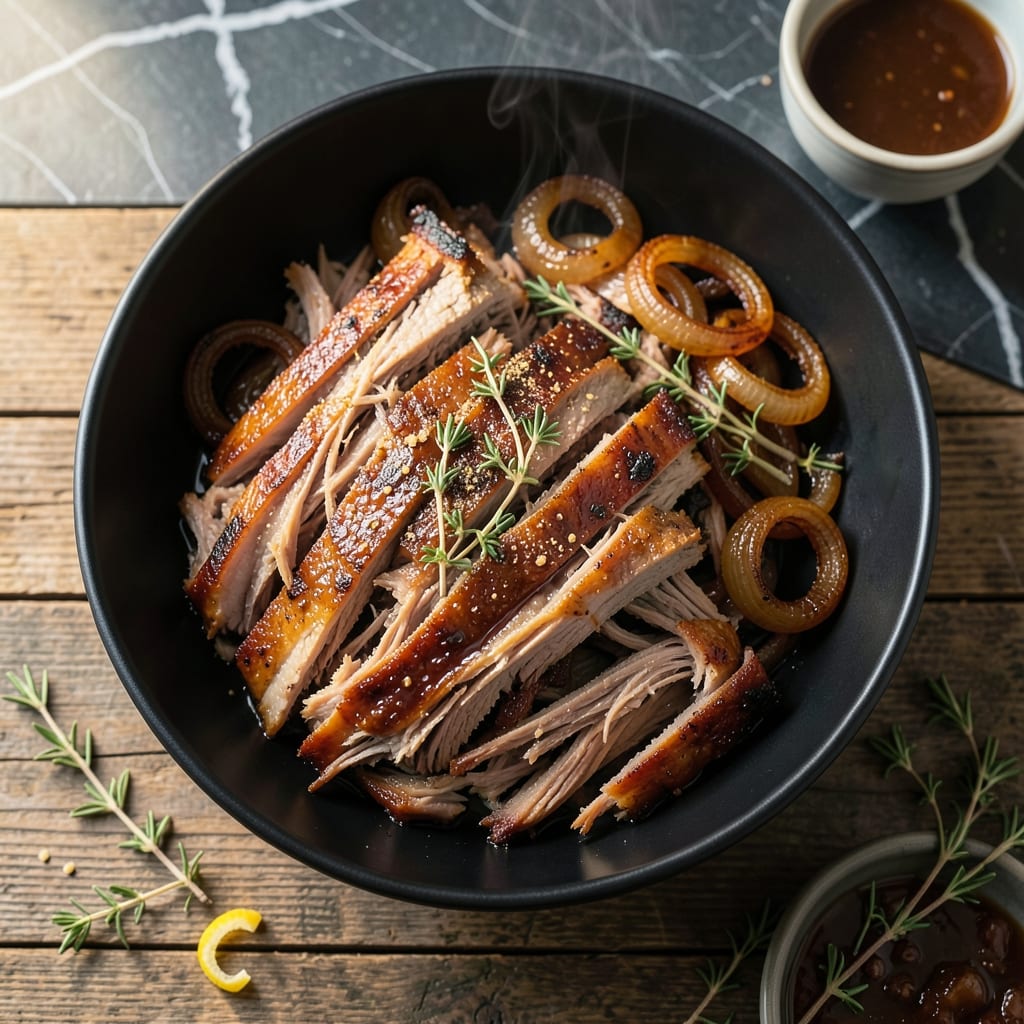
This oven roasted pulled pork loin recipe delivers tender results with minimal effort and maximum flavor. I developed this method while working at The Smoky Pig, where we serve 2,000 pounds of pork weekly.
The secret lies in a slow roast at 300°F with a herb-infused dry rub that penetrates deep into the meat. This technique ensures the pork stays juicy while developing a flavorful crust on the outside.
After hours in the oven, the loin becomes so tender it shreds effortlessly with forks. The herbs create layers of aroma that fill your kitchen and make the wait worthwhile.
Serve on buns with your favorite BBQ sauce, or use as a filling for tacos. This method guarantees restaurant-quality pork every time.
Ingredients for oven roasted pulled pork loin
Nothing exotic here—just a quality pork loin and a killer spice rub to make it shine.
| Ingredient | Amount | Notes |
|---|---|---|
| Pork Loin 🥩 | 3 lb | Boneless, well-marbled preferred |
| Brown Sugar 🍚 | ¼ cup | Light or dark variety |
| Kosher Salt 🧂 | 1 tbsp | Diamond Crystal preferred |
| Black Pepper 🌶️ | 1 tbsp | Freshly ground preferred |
| Garlic Powder 🧄 | 1 tbsp | Not garlic salt |
| Onion Powder 🧅 | 1 tbsp | Fine ground preferred |
| Dried Thyme 🌿 | 1 tsp | Crushed between fingers |
| Dried Rosemary 🍃 | 1 tsp | Crushed between fingers |
| Smoked Paprika 🌶️ | 1 tsp | Adds depth to rub |
| Olive Oil 🫒 | 2 tbsp | For searing pork loin |
| Apple Cider Vinegar 🍏 | ¼ cup | For moisture and tang |
| Chicken Broth 🍲 | 1 cup | Low-sodium preferred |
| Yellow Mustard 🟡 | 1 tbsp | For rub binding |
The pork loin is the star. Costco has great prices on big packs, or ask your butcher for a center-cut piece with good marbling. I always grab mine from The Smoky Pig's supplier—looks for that nice fat cap. The brown sugar caramelizes beautifully, so don’t skip it. Domino or store brand works fine, but avoid the coarse stuff (it won’t dissolve right).
No pork loin? Pork shoulder works too but needs longer cooking. Out of apple cider vinegar? White vinegar in a pinch (just use a touch less). The herbs can be swapped—dried sage or oregano play nice with pork. If you’ve got fresh herbs, use triple the amount. The chicken broth can be subbed with water, but vegetable broth adds more depth.
The rub keeps in a jar for 3 months (if you make extra). Cooked pork stays good 4-5 days in the fridge, freezes beautifully for 3 months. I always make a double batch—leftovers taste even better in sandwiches (trust me on this one).
Why You'll Love This Recipe
- Set It and Forget: I rub the pork loin with brown sugar, salt, and spices, pop it in the oven, and let it work its magic while I do other things.
- Sweet and Savory: The brown sugar caramelizes with the garlic powder, creating this sticky, crave-worthy crust that’s hard to resist.
- Feeds the Week: I make a big batch on Sunday and use it for tacos, sandwiches, or salads all week long—no extra cooking required.
- Budget Hero: Pork loin is affordable, and this recipe stretches it into multiple meals without sacrificing flavor.
Step-by-step instructions for oven roasted pulled pork loin
Here's the method. Straightforward, tested, works every time.
Create the Herb Rub and Coat the Pork Loin
In a small bowl, I combine the brown sugar, kosher salt, black pepper, garlic powder, onion powder, dried thyme, dried rosemary, and smoked paprika. I crush the dried herbs between my fingers as I add them to release their aromatic oils.
Then I add the yellow mustard and olive oil to the dry mix, stirring until it forms a thick paste. I rub this mixture all over the 3 lb pork loin, making sure to coat every surface evenly. The mustard helps the rub adhere, and the oil ensures a beautiful crust forms during cooking.
Sear the Pork Loin for Depth of Flavor
I heat a large oven-safe pot or Dutch oven over medium-high heat. Once hot, I add the pork loin and sear it on all sides for about 2-3 minutes per side until the surface is deep golden brown. This step builds a flavorful crust and enhances the overall taste.
I don’t rush this process—letting the pork loin develop a good sear ensures the meat stays moist and flavorful. Once seared, I transfer the pork loin to a plate temporarily and pour the apple cider vinegar into the pot, scraping up any browned bits from the bottom.
Slow-Roast the Pork Loin to Tenderness
I return the pork loin to the pot and pour the chicken broth around it. Then I cover the pot tightly and place it in a preheated 325°F oven. The pork loin slow-roasts for 3-4 hours, or until it reaches an internal temperature of 195-200°F.
I check the pork loin occasionally to ensure the liquid hasn’t evaporated. If it’s getting low, I add a splash more broth. The low and slow cooking method breaks down the fibers, making the pork loin incredibly tender and easy to pull apart.
Shred and Serve the Pulled Pork Loin
Once the pork loin is fork-tender, I remove it from the oven and let it rest in the pot for 10-15 minutes. Then I transfer it to a cutting board and use two forks to shred the meat into bite-sized pieces.
I pour some of the cooking liquid from the pot over the shredded pork loin to keep it moist and flavorful. The pork should be tender enough to pull apart effortlessly, with a rich, herb-infused taste in every bite. Serve it warm on buns, in tacos, or over a bed of rice.
Pro Tips For Making Oven Roasted Pulled Pork Loin
- Start Low, Finish High: Roast at 275°F for 2-3 hours first, then crank it to 425°F for the last 15 minutes to get that caramelized brown sugar crust without drying out the meat.
- Score the Fat Cap: Cut 1/4-inch slits in the fat before seasoning so the rub penetrates deeper and the fat renders out better as it cooks.
- Skip the Water Pan: I learned this the hard way—adding water to the pan just steams the pork instead of letting it roast and develop that sticky, sweet exterior.
- Rest Under Foil: Pull it out at 195°F, tent with foil, and let it sit 15 minutes—this lets the juices redistribute so it doesn’t turn into a dry, shredded mess when you pull it.
Make-ahead tips for oven roasted pulled pork loin
Prep the Rub Early
The dry rub keeps beautifully in a jar for up to 3 months—I always mix a double batch. Store it in a cool, dark place to preserve the herb potency. This way, you can season your pork loin the night before roasting. 💡
Season Overnight
Rub the pork loin with the spice mix and let it sit uncovered in the fridge for 8-12 hours. This extra time lets the flavors penetrate deeply. I learned this trick during my apprenticeship in Charleston—it makes a noticeable difference. 🌟
Pre-Roast Prep
Take the pork loin out of the fridge 1 hour before cooking so it comes to room temperature. This ensures even cooking throughout. While waiting, preheat your oven to 325°F and gather all your tools.
Partial Cook Ahead
You can sear and start the slow-roast, then cool and refrigerate the pork loin in its liquid for up to 24 hours. Finish cooking the next day—just add 15-20 minutes to the roasting time.
Freeze Cooked Pork
Shred the pork, mix with some cooking liquid, and portion into freezer bags. It freezes well for up to 3 months. I always label with the date—I raise my own pigs, so I’m particular about tracking freshness. ❄️
Reheat Gently
Thaw overnight in the fridge, then warm in a pot with a splash of broth over low heat for 10-15 minutes. Stir occasionally to keep it moist. This method preserves the tenderness you worked so hard to achieve.
Nutrition facts
Frequently asked questions
Can I use pork shoulder instead of loin?
Yes! Pork shoulder works but requires 1-2 extra hours of cooking. It has more fat, which keeps it moist during the longer roast. Loin stays leaner but can dry out if overcooked.
Why do we sear the meat first?
Searing creates a flavorful crust via the Maillard reaction. It also locks in juices for tender results. Skip this, and you’ll lose depth of flavor in the final dish.
How do I know when it's done?
Use a meat thermometer—it’s done at 195-200°F internally. The meat should pull apart easily with forks. Under 190°F and it won’t shred properly.
Can I make this in a slow cooker?
Sear first, then cook on low for 6-8 hours with the same liquid. The texture will be similar, though oven-roasting gives better crust development.