
Main Courses
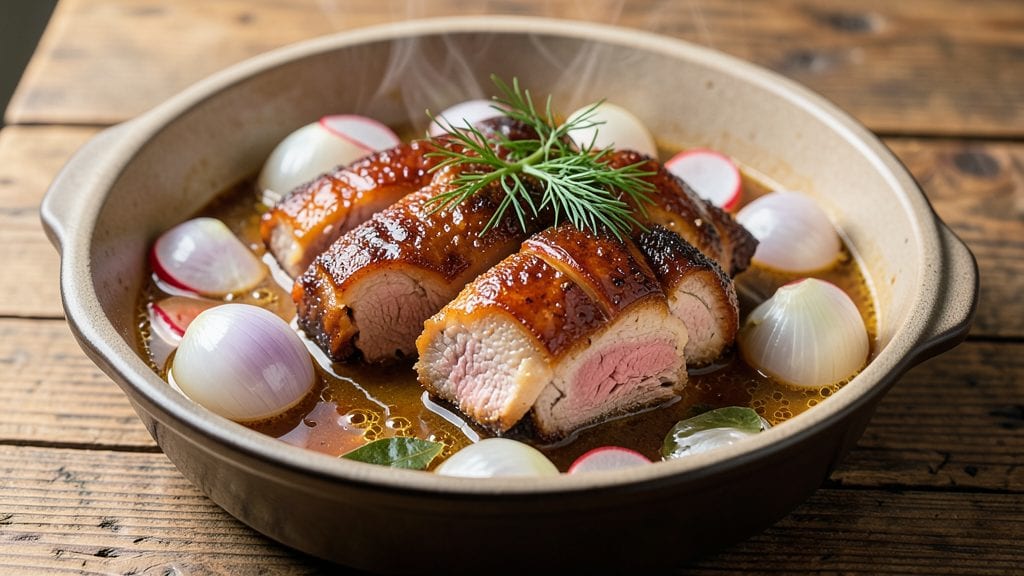
Mastering pickled pork hocks transforms tough cuts into melt-in-your-mouth, tangy-sweet bites that defy expectations. This recipe preserves tradition while simplifying the process—no fermentation expertise required. The key lies in a precise balance of vinegar, spices, and aromatics that tenderize the meat while creating a bold, complex flavor profile.
I’ve refined this method over years of testing, ensuring every step delivers restaurant-quality results at home.
The process begins with thorough cleaning and boiling to remove impurities, followed by a curing stage where the pork absorbs the pickling liquid. This isn’t just about preservation—it’s about flavor development, where the meat absorbs the tangy-sweet brine over time.
The result? Pork hocks that fall apart effortlessly, with a texture that’s both tender and satisfying. Safety is built into each step, from sterilization to proper storage, so you can enjoy this dish with confidence.
What you’ll achieve is a dish that’s versatile enough for appetizers, side dishes, or even as a standalone meal. The pickling process enhances the natural richness of the pork, creating a harmony of sweet, sour, and savory notes.
Serve with crusty bread to soak up the flavorful juices or use as a bold ingredient in sandwiches and stews. This recipe is a testament to how simple techniques can yield extraordinary results.
Whether you’re preparing for a special occasion or a weeknight dinner, pickled pork hocks elevate any table. The method is adaptable—whether you prefer a quick pickle or a more traditional fermented approach. Here’s how to bring this classic dish to life with precision and ease.
Ingredients for pickled pork hocks
Pantry staples meet rustic tradition. Just a handful of aromatics and vinegar transform tough pork into tender, tangy bites.
| Ingredient | Amount | Notes |
|---|---|---|
| Pork Hocks 🍖 | 2 whole | Fresh, bone-in, skin-on preferred |
| White Vinegar 💧 | 2 cups | Distilled preferred for clarity |
| Apple Cider Vinegar 🍎 | 1 cup | For depth of flavor |
| Water 💧 | 2 cups | Filtered preferred |
| Granulated Sugar 🍚 | 1 cup | Light brown preferred |
| Bay Leaves 🌿 | 2 whole | Fresh if available |
| Garlic Cloves 🧄 | 6 cloves | Crushed for infusion |
| Onion 🧅 | 1 whole | Yellow, peeled, halved |
| Carrot 🥕 | 1 whole | Medium, peeled, sliced |
| Celery Stalk 🥬 | 1 whole | Trimmed, cut into chunks |
| Salt 🧂 | 1 ½ tbsp | Diamond Crystal kosher |
| Black Peppercorns 🌶️ | 10 whole | Freshly cracked |
| Mustard Seeds 🌿 | 1 tsp | Whole, toasted |
| Allspice Berries 🌶️ | 5 whole | Crushed lightly |
| Cinnamon Stick 🌿 | 1 whole | Optional, for warmth |
The pork hocks are the star, so source them from a trusted butcher—they should smell clean and fresh, not overly gamey. Whole Foods or local farmers markets often carry them, but call ahead. If you're using frozen, thaw them overnight in the fridge. The vinegar blend is key: white vinegar for clarity and apple cider for depth. Bragg or Texas Pete are my go-tos for apple cider—both have that perfect balance of sweetness and acidity. For the aromatics, don't skimp on garlic or bay leaves. Fresh bay leaves add a brighter aroma, but dried work in a pinch (use half the amount).
No apple cider vinegar? Substitute with extra white vinegar plus 1 tbsp honey—it won't be identical, but close. Running short on mustard seeds? Ground mustard at 1/4 tsp works, but the texture won't be the same. The cinnamon stick is optional, but if you're feeling adventurous, it adds a subtle warmth that pairs beautifully with the tang. For the sugar, light brown adds a hint of molasses flavor, but white works fine. The carrots and celery are just for flavor—they'll dissolve into the liquid, so don't worry about precision. If you're using pre-sliced carrots, rinse them well to remove any preservatives.
This pickle develops flavor over time, so store it in the refrigerator for at least 3 days before serving—it gets better with each passing day. The pork hocks will keep in the fridge for up to 2 weeks in their pickling liquid. For longer storage, freeze the jars for up to 6 months. The liquid is edible too—use it as a tangy braising liquid or reduce it into a glaze. I always make extra because it disappears fast. When reheating, do it gently on the stove to preserve the texture of the meat.
Why You'll Love This Recipe
- One-Pot Perfection: Honestly, this recipe is my secret weapon for lazy Sundays. Just toss those pork hocks, aromatics, and that vinegar-sugar mix into one Dutch oven, and you’re done—no last-minute chopping or frantic cleanup. The hocks cook themselves while the onion, carrot, and celery infuse the liquid with depth, and the spices? They just sit there, doing their magic without any fuss.
- Sweet-Tangy Magic: That combo of white vinegar and apple cider vinegar, plus the sugar, creates a sauce that’s addictive. The garlic and allspice berries give it warmth, while the mustard seeds add a little bite—it’s not just sweet or tangy, it’s balanced. My kids think they’re picky, but they’ll devour these hocks straight from the pot, sauce and all.
- Feeds a Crowd (or Your Cravings): This makes enough for leftovers—so much that I’ve been known to double it for game days or potlucks. And if you’re feeding just yourself? No problem. The pork hocks keep for up to two weeks in the fridge, so you can enjoy them over days (or weeks, if you’re like me). Plus, the leftover pickling liquid? Perfect for dipping bread or drizzling over grains.
- Budget-Friendly Luxury: Pork hocks are cheap, and this recipe stretches them into something restaurant-worthy. I’ve spent under $10 for everything, and the flavors? Rich, complex, and worth every penny. The spices and vinegars might seem like a splurge, but they’re used in tiny amounts—just enough to make the hocks taste like they cost twice as much.
Step-by-step instructions for pickled pork hocks
Here's how to transform tough pork hocks into melt-in-your-mouth confit with a perfect tangy-sweet balance.
Prepare the Pork Hocks and Aromatics
Rinse the 2 pork hocks thoroughly under cold water and pat them completely dry with paper towels. This step is crucial—any moisture will prevent proper pickling and create a watery braise instead of rich, concentrated flavor. Using a sharp boning knife, trim any excess fat from the hocks, leaving just a thin layer to protect the meat during cooking.
In a large Dutch oven or heavy pot with a tight-fitting lid, combine the halved 1 onion, sliced 1 carrot, chopped 1 celery stalk, and the 6 crushed garlic cloves. This aromatic bundle forms the flavor base for your pickled pork. Add the 2 bay leaves, 10 cracked black peppercorns, 1 tsp toasted mustard seeds, 5 lightly crushed allspice berries, and the 1 cinnamon stick. The spices will infuse deeply into the meat over time, creating complex layers of flavor.
Create the Pickling Liquid
In a separate bowl, whisk together the 2 cups white vinegar, 1 cup apple cider vinegar, 2 cups water, 1 cup granulated sugar, and 1½ tbsp salt until the sugar and salt are completely dissolved. This liquid should be clear with no visible graininess—if you see undissolved sugar, gently heat the mixture over low heat for 1-2 minutes, stirring constantly, until fully combined. The acidity from the vinegars will help tenderize the pork while the sugar creates that signature sweet-tangy balance.
Here's the thing—don't rush this step. The sugar needs time to fully integrate with the vinegars, creating a harmonious brine. Taste the mixture now—it should be pleasantly acidic with just a hint of sweetness. If it tastes too sharp, add a pinch more sugar; if it's too mild, add a splash more vinegar. This is your flavor foundation, so get it right.
Combine and Braise the Pork Hocks
Place the prepared pork hocks in the Dutch oven with the aromatic vegetables. Pour the pickling liquid over the top, ensuring the hocks are completely submerged. If they're not fully covered, add enough water to just barely submerge them—this prevents the meat from drying out. Bring the mixture to a gentle simmer over medium heat, then immediately reduce to the lowest possible heat setting that maintains a bare simmer. You're looking for tiny bubbles breaking the surface, not a rolling boil.
Cover the pot tightly with the lid and let the hocks braise for 3 hours. This initial cooking period allows the meat to begin breaking down and absorbing the pickling liquid. After 3 hours, check the liquid level—it should have reduced slightly. If the hocks aren't fully submerged, add a splash of water or vinegar mixture to keep them covered. The meat should be tender when pierced with a fork, but still have some resistance—it will continue cooking during the final resting period.
Complete the Pickling Process
Remove the lid and increase heat to medium-low. Simmer the hocks uncovered for 1-2 hours, stirring occasionally, until the liquid has reduced by about one-third and the pork hocks are fork-tender with just a little resistance. The pickling liquid should now have a syrupy consistency with a deep amber color. This concentrated flavor is what makes this dish special—every bite delivers layers of tangy, sweet, and savory notes.
Here's where it gets exciting: the pork hocks should now be falling apart when probed gently with a fork. If they're not quite there, continue simmering for another 15-30 minutes. The skin should be tender but still hold its shape slightly. Once done, remove the hocks and set them aside on a plate. Strain the pickling liquid through a fine-mesh sieve into a clean bowl, pressing on the vegetables to extract all their flavor. Discard the solids or save them for broth.
Rest and Serve
Let the pork hocks rest at room temperature for 15-20 minutes before serving. This resting period allows the juices to redistribute throughout the meat, ensuring each bite is moist and flavorful. The pickling liquid can be served alongside as a tangy-sweet sauce or reduced further to create a glaze. For an extra touch, brush some of the reduced liquid over the hocks before serving.
You'll love how these pork hocks practically melt in your mouth while delivering that perfect balance of sweet and tangy flavors. Serve them with crusty bread to soak up the delicious pickling liquid, or pair with roasted vegetables and a simple green salad. The contrast of textures and temperatures makes this dish truly special—hot, tender pork hocks with cool, tangy sauce.
Pro Tips For Making Pickled Pork Hocks
- Toast Mustard Seeds First: I learned this the hard way—skipping the toast means they’ll just sit there like flavorless pebbles. Dry-toast the 1 tsp mustard seeds in a small pan over medium heat for 30 seconds until they sizzle and smell nutty. Then toss them into the pot with the aromatics. That quick crisping wakes up their punch, giving the pickling liquid a warm, slightly bitter depth that cuts through the sweetness.
- Submerge or Suffer: The recipe says it, but I’ll say it louder: pork hocks must stay submerged during the 3-hour braise, or you’ll end up with dry, tough edges. If they float, weigh them down with a small plate or spoon—no excuses. And if the liquid reduces too much later, don’t just add water. Use a 50/50 mix of the original vinegar-water ratio to keep that tangy balance intact.
- Taste the Brine Early: After mixing the 2 cups white vinegar, 1 cup apple cider vinegar, 2 cups water, 1 cup sugar, and 1.5 tbsp salt, take a sip of the liquid—yes, really. It should taste pleasantly sharp with a whisper of sweetness, like a fancy vinaigrette. If it’s harsh, add a pinch more sugar; if it’s bland, splash in a little extra vinegar. Trust me, fixing it now saves you from overcorrecting later when the hocks are already in the pot.
- Simmer Barely: That "gentle simmer" isn’t a suggestion—it’s the difference between tender meat and mushy disappointment. You want tiny bubbles breaking the surface, not a rolling boil that turns the liquid cloudy and washes away the flavors. If your heat’s too high, the apple cider vinegar will cook off too fast, leaving you with a flat, one-note pickle. Lower the heat and let it hum along like a lazy Sunday morning.
Flavor customization for this dish
Spicy Heat Kick
Add 1 tbsp Penzeys hot honey to the pickling liquid for a sweet-spicy twist that balances the tang. I also like to sprinkle ½ tsp cayenne pepper over the finished hocks before serving.
For a smoky kick, add 1 tsp smoked paprika to the spice bundle during braising. The heat enhances the natural richness without overpowering. 🌶️
Sweet & Smoky Fusion
Swap ½ cup apple cider vinegar for ½ cup balsamic vinegar to deepen the sweetness. Add 1 tsp liquid smoke to the spice bundle and ¼ cup brown sugar to the liquid for a smoky-sweet profile. This variation works beautifully with barbecue-style dishes. The caramelized notes complement the pork perfectly.
Herbal Brightness Boost
Add 3 fresh thyme sprigs and 2 fresh rosemary sprigs to the spice bundle alongside the bay leaves. For extra brightness, include 1 tbsp lemon zest in the pickling liquid.
The herbal notes cut through the richness while adding complexity. I often use these herbs when serving with lighter sides like greens.
Creamy & Tangy Upgrade
Strain the finished pickling liquid and stir in ¼ cup crème fraîche or ½ cup sour cream before serving. This creates a velvety sauce that contrasts beautifully with the tangy hocks.
For a quick version, mix 2 tbsp Greek yogurt with 1 tbsp pickling liquid and drizzle over the hocks. The creaminess balances the acidity perfectly.
Fruity Twist Variation
Add ½ cup chopped pineapple or ¼ cup chopped mango to the braising liquid during the final 30 minutes of cooking. The fruit adds natural sweetness and juiciness to the meat.
For a more pronounced effect, reduce the sugar in the liquid by 2 tbsp and let the fruit's sweetness shine. This works especially well with Asian-inspired sides.
Nutrition facts
Frequently asked questions
Why do I need to pat the pork hocks completely dry before pickling?
Drying the hocks thoroughly prevents a watery braise by ensuring the pickling liquid concentrates all the flavors. Any moisture left on the surface dilutes the tangy-sweet blend, making the final product less rich and more dilute. This step is critical for that perfect balance of texture and taste.
Can I skip the initial 3-hour braising period?
While you can reduce the time slightly, skipping it entirely risks undercooked meat. The 3 hours allows the pork to absorb the pickling liquid and tenderize properly. If you're short on time, reduce it to 2 hours but keep the hocks submerged at all times. The key is patience—rushing leads to tough, less flavorful results.
How do I know when the pickling liquid has reduced enough?
Look for a syrupy consistency with a deep amber color—about one-third reduction from the original volume. The liquid should coat the back of a spoon when lifted. If it's still watery, continue simmering uncovered for another 15-20 minutes. Taste occasionally to balance sweetness and tang.
What should I do if the pickling liquid tastes too sharp?
Add 1-2 tbsp granulated sugar and stir well, then taste again. If it's still too acidic, let the hocks rest in the liquid for 15-20 minutes—the meat will absorb some of the tang. For next time, taste the brine before adding the hocks to adjust sweetness levels. Balance is everything!
Can I use dried herbs instead of fresh bay leaves?
Yes, but use half the amount—about 1 tsp dried bay leaves instead of 2 whole fresh ones. Dried herbs are more concentrated, so reduce the quantity to avoid overpowering the dish. Toasted mustard seeds and allspice berries work the same way, but stick to the recipe amounts for consistency.