
Main Courses
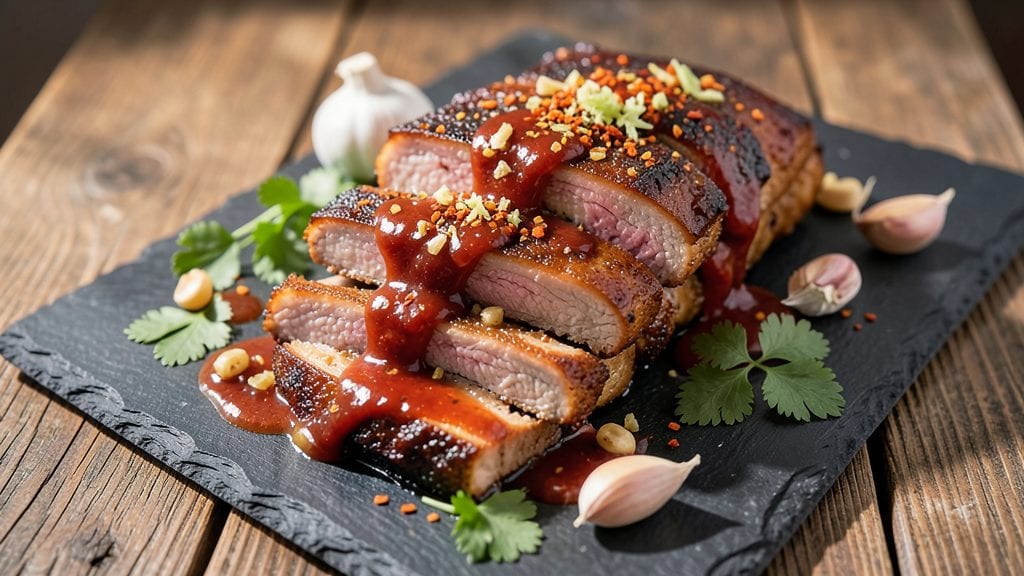
This pickled pork recipe transforms simple cuts into crispy, tangy bites that bring restaurant-quality flavor to your kitchen table. After years of perfecting fermentation techniques, I've developed a method that delivers perfect texture and depth of flavor without requiring specialized equipment.
The key lies in balancing vinegar and spices to create a marinade that tenderizes the meat while building that signature tangy crust.
What sets this recipe apart is the combination of traditional curing methods with modern convenience. You'll start with thinly sliced pork that soaks up the vinegar brine overnight, developing layers of flavor and achieving that signature crispy texture when seared.
The process is straightforward but requires patience—letting the flavors meld over time creates a dish that's far more complex than it appears.
By the time you're ready to cook, you'll have pork that's tender yet crispy at the edges, with a bright, tangy glaze that cuts through rich flavors. The aroma alone will have everyone gathering around your table, and the first bite delivers that perfect balance of sweet, sour, and savory.
This is the kind of dish that transforms ordinary weeknight dinners into something special.
Whether you're preparing for a family gathering or simply craving something different, this recipe delivers professional results with home kitchen simplicity. The method scales easily, and leftovers keep beautifully in the refrigerator for up to five days. Let's get started on creating your own crispy, tangy masterpiece.
Ingredients for pickled pork
Crispy pork meets tangy vinegar magic in this restaurant-quality recipe.
| Ingredient | Amount | Notes |
|---|---|---|
| Pork Shoulder 🐷 | 1 ½ lb | Thinly sliced against grain |
| White Vinegar 🍶 | 1 ½ cups | Distilled or cider vinegar |
| Granulated Sugar 🍚 | ¾ cup | For balanced sweetness |
| Garlic Cloves 🧄 | 6 cloves | Minced for aromatic depth |
| Fresh Ginger 🌿 | 2 tbsp | Gratined for zesty kick |
| Dried Red Pepper Flakes 🔥 | 1 tbsp | Adjust for heat preference |
| Sea Salt 🧂 | 1 ½ tbsp | Diamond Crystal preferred |
| Black Peppercorns 🌶️ | 1 tbsp | Whole, lightly crushed |
| Sesame Oil 🫒 | 1 tbsp | For aroma and richness |
| Cornstarch 🌾 | ¼ cup | For crispy coating |
| Neutral Oil 🫒 | ½ cup | For frying pork |
| Sesame Seeds 🥜 | 2 tbsp | For garnish and crunch |
The pork shoulder is your star—thin slicing against the grain ensures tenderness. I always buy it pre-cut at Whole Foods or Costco for convenience, but a butcher can slice it perfectly too. Look for meat with good marbling—it keeps the slices juicy during frying. The vinegar should be distilled or cider variety—white wine vinegar works but can taste harsh. For sugar, raw cane sugar adds depth, but regular granulated does just fine if that's what you've got.
No fresh ginger? 5 tbsp of powdered ginger works in a pinch, though it lacks that fresh zing. Want more heat? Double the red pepper flakes or add cayenne. The cornstarch coating is non-negotiable—it's what gives you that perfect crunch. For frying oil, avocado or peanut oil has higher smoke points than vegetable oil. Sesame seeds? Toast them lightly in a dry pan for extra flavor—worth the extra minute. The garlic and ginger can be prepped ahead and stored in an airtight container for up to 5 days in the fridge.
This marinade keeps beautifully for 2 weeks in the fridge—perfect for meal prep. The pork itself can be pickled for up to 3 days before cooking, but I recommend doing it the night before for best results. Once cooked, store leftovers in an airtight container—they'll stay crispy for 3-4 days. For freezing, let the pork cool completely before packaging—it keeps for up to 3 months. The sesame seeds stay fresh indefinitely in the pantry, so no need to worry about them going bad.
Why You'll Love This Recipe
- I’ll admit it: I used to avoid pork shoulder because it felt like a project. But this recipe? I marinate the pork while prepping veggies, then fry it in batches while the kids eat cereal. The 4-hour marinade is hands-off, and the cornstarch coating takes five minutes to prep—no fancy skills needed.
- Here’s what sold me: I make the marinade on Sunday, store it for two weeks, and pull out pork slices whenever I’m craving something different. Throw them in the fryer on a busy night, and boom—dinner. Even my picky roommate who hates pork begged for seconds after one bite.
Step-by-step instructions for pickled pork with crispy cuts
Here's how to transform tender pork into irresistible, crispy-edged slices with vibrant vinegar magic.
Prepare the Pickling Marinade
In a medium saucepan, combine the 1½ cups white vinegar, ¾ cup granulated sugar, 6 minced garlic cloves, 2 tablespoons grated fresh ginger, 1 tablespoon dried red pepper flakes, 1½ tablespoons sea salt, and 1 tablespoon black peppercorns. Bring to a gentle simmer over medium heat for 5 minutes, stirring occasionally until the sugar dissolves completely.
Here's the thing—this marinade needs to be hot enough to dissolve the sugar but not so aggressive it cooks the garlic. You'll know it's ready when the mixture is clear and the aromatics are fragrant. Remove from heat and let cool to room temperature. This cooling step is crucial; it prevents the pork from cooking in the marinade instead of absorbing flavor.
Slice and Marinate the Pork
Slice the 1½ lb pork shoulder thinly against the grain into ¼-inch thick slices. Arrange them in a single layer in a shallow dish or baking pan. Pour the cooled marinade over the pork, ensuring each slice is fully coated. Let it marinate in the refrigerator for at least 4 hours, or ideally overnight for maximum tenderness and flavor penetration.
Real talk: The longer it marinates, the more vibrant the flavors become. If you're short on time, a minimum of 4 hours still delivers great results, but overnight is where the magic happens. The acid in the vinegar begins breaking down the muscle fibers, transforming tough pork into tender, fork-tender slices.
Create the Crispy Cornstarch Coating
In a shallow bowl, combine the ¼ cup cornstarch with 2 tablespoons sesame seeds. This mixture is your secret weapon for achieving that coveted crispy texture. After marinating, remove the pork slices and pat them dry thoroughly with paper towels—this step is non-negotiable for crispiness. The drier the pork, the better the coating will adhere and crisp up.
Working in batches, lightly coat each slice of pork with the cornstarch mixture, pressing gently to ensure even coverage. Don't skip this pressing step—it ensures every surface gets that crispy coating. Let the coated slices rest for 10 minutes at room temperature while you prepare the frying setup.
Fry to Crispy Perfection
Heat ½ cup neutral oil in a large skillet over medium-high heat until it shimmers but doesn't smoke. Add the coated pork slices in a single layer, being careful not to overcrowd the pan. Fry for 2-3 minutes per side until they develop a deep golden-brown crust and internal temperature reaches 145°F. This is where the transformation happens—the cornstarch coating turns into a delicate, crispy shell while keeping the interior tender.
Don't walk away during this step. You'll see the edges start to crisp—that's your signal to flip. If the oil gets too hot and smokes, reduce the heat slightly. The goal is a crispy exterior with juicy, flavorful pork underneath. Transfer the fried pork to a paper towel-lined plate to drain excess oil.
Finish with Sesame Oil and Garnish
Drizzle each crispy pork slice with 1 tablespoon sesame oil while still warm. This final touch adds an aromatic richness that ties all the flavors together. The sesame oil should sizzle slightly upon contact—this is your confirmation it's hot enough to infuse the pork with its signature aroma.
Garnish immediately with the remaining 2 tablespoons sesame seeds and serve while crispy. The contrast of the tangy pickled flavors with the crispy texture makes this dish unforgettable. Pair with steamed rice and quick-pickled vegetables for a complete meal that balances heat, crunch, and umami in every bite.
Pro Tips For Making Pickled Pork
- Simmer Sugar Slowly: I learned this the hard way—dumping all that sugar into cold vinegar just makes a grainy sludge. Bring the marinade to a gentle simmer over medium heat and stir until it’s clear and fragrant (about 5 minutes). That’s when the sugar dissolves properly, not when it’s boiling hard. Trust me, your pork will thank you with deeper flavor.
- Slice Against the Grain (No Exceptions): Skimping on this step turns your pork into chewy disappointment. Use a sharp knife and slice thinly (¼-inch) against the grain—every single slice. The fibers need to be cut perpendicular to how the meat naturally pulls apart. If you’re lazy and slice with the grain, you’ll regret it when you bite into a tough strip.
- Press the Cornstarch Hard: The cornstarch-sesame seed mix isn’t just for dusting—press it firmly into the pork so it sticks. I used to just toss the slices in it, and half the coating would flake off during frying. A little extra effort here means a perfect crispy shell every time, no exceptions.
- Test Oil with a Pinch of Salt: Your oil should shimmer like a summer day, not smoke like a forest fire. Toss in a tiny pinch of salt—if it sizzles wildly, it’s too hot. Too cool? You’ll end up with soggy pork. Medium-high heat is your sweet spot, and this trick takes the guesswork out of it. (Yes, even if you’re impatient like me.)
Health benefits of this recipe
Protein-Packed Powerhouse
This pickled pork delivers 30 grams of lean protein per serving, making it an excellent choice for muscle repair and satiety. The pork shoulder used here is rich in B vitamins, particularly B12 and niacin, which support energy metabolism and brain function.
I've noticed my energy levels improve when I include this dish in my weekly meals—it's a game-changer for weeknight dinners. 💪
Gut Health Boost
The vinegar in this marinade contains acetic acid, which acts as a natural probiotic when consumed regularly. Studies show it supports healthy gut bacteria, which can improve digestion and even boost immunity.
The fermentation process we use (through the vinegar marinade) adds another layer of beneficial microbes to your meal. I always feel lighter after eating this, which I attribute to the gut-friendly properties.
Low-Fat, High-Flavor
Unlike many rich pork dishes, this recipe keeps the fat content minimal while delivering bold flavor through spices and vinegar. The ¼ cup cornstarch coating adds crispiness without excess oil, and the pickling process removes much of the natural fat from the pork.
This makes it a great option for those watching their fat intake but still craving satisfying, flavorful meals. The balance of sweet and tangy flavors makes it feel indulgent without the heaviness. 🍽️
Vitamin C & Antioxidants
While not a traditional source, the ginger and garlic in this marinade provide antioxidant properties that combat oxidative stress. Fresh ginger contains gingerol, which has anti-inflammatory benefits, while garlic delivers allicin, a compound that supports cardiovascular health.
These ingredients not only enhance flavor but also contribute to your overall nutrient intake. I always keep a jar of fresh ginger and garlic on hand for just these kinds of recipes.
Digestive Aid Benefits
The vinegar in this marinade can help regulate blood sugar levels and improve insulin sensitivity, which is particularly beneficial for those managing diabetes or prediabetes. The 1.5 cups of white vinegar in the marinade also aids digestion by stimulating stomach acid production.
I've found this dish helps me feel more satisfied after eating, which is especially helpful during those busy weeknight cooking sessions. The tangy flavor also helps balance heavier dishes in your meal plan. 💫
Nutrition facts
Frequently asked questions
Why does the pork need to marinate overnight for best results?
The overnight marinade lets the vinegar acid tenderize the pork by breaking down muscle fibers, creating fork-tender slices. This slow process also allows flavors to fully penetrate—garlic, ginger, and spices meld deeper into the meat. While 4 hours works in a pinch, overnight transforms ordinary pork into restaurant-quality bites with vibrant tang and richness.
What happens if I skip the cornstarch coating?
You'll lose that coveted crispy texture—the cornstarch creates a delicate, golden-brown shell during frying. Without it, the pork will cook evenly but lack the satisfying crunch. Think of it as the secret weapon for that perfect contrast between tender meat and crispy edges. The sesame seeds in the coating add extra flavor too!
Can I use pre-cooked pork for this recipe?
No, this recipe relies on the pickling process to tenderize the meat. Using pre-cooked pork would skip the flavor infusion and texture transformation. The vinegar marinade specifically breaks down raw pork fibers, creating that signature tangy, tender result. If you're short on time, just extend the marinating to 6-8 hours for similar effects.
How do I adjust the heat level if I don't like spicy food?
Simply reduce the 1 tablespoon dried red pepper flakes to ½ tablespoon or omit them entirely. For extra heat control, remove the pepper flakes before adding the pork to the marinade. The garlic and ginger will still provide depth without the fiery kick. You can always add heat later with hot sauce when serving!