
Main Courses
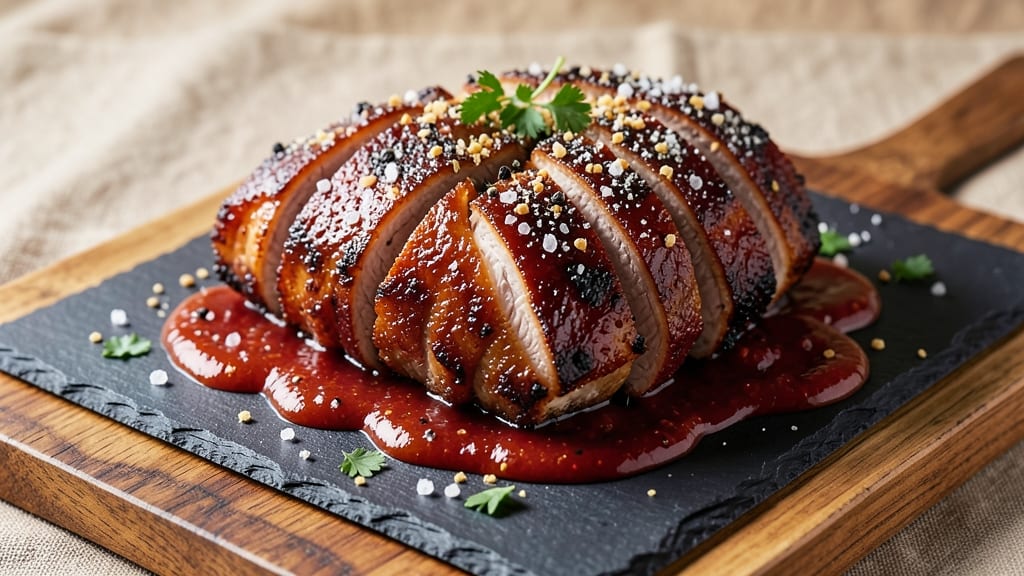
This Boston pork shoulder recipe delivers melt-in-your-mouth tenderness that makes every bite worth the wait. 🔥 As a pitmaster who's cooked thousands of pounds of pork, I know the secret lies in slow-braising until the meat practically falls apart—just like my grandma used to make back in Georgia.
The key is patience and a simple rub that lets the natural flavors shine through crispy, caramelized bark.
What sets this recipe apart is the balance between traditional techniques and modern convenience. We'll start with a dry rub of salt, pepper, and paprika that creates that signature crust, then slow-cook until the internal temperature hits 203°F—the magic number for pull-apart perfection.
The beauty of this method is its adaptability: whether you're using a smoker, oven, or even an Instant Pot, the principles remain the same.
By the time you're done, you'll have pork shoulder so tender it can be shredded with a fork, with juices running freely and a bark that's crisp enough to stand up to even the most stubborn teeth.
This is the kind of pork that disappears faster than you can say "second helping," and it pairs beautifully with classic Southern sides like mashed potatoes or collard greens.
The best part? The flavors only get better after resting. Let the meat sit for at least 30 minutes before serving—this crucial step allows the juices to redistribute, ensuring every bite is as moist as the first.
Whether you're feeding a crowd or saving leftovers for sandwiches, this recipe delivers restaurant-quality results that taste like home.
Ingredients for boston pork shoulder
Six ingredients for the rub, eight for the braise—just the essentials for perfect pork shoulder.
| Ingredient | Amount | Notes |
|---|---|---|
| Pork Shoulder (Boston Butt) 🥩 | 5 lb | Bone-in for best flavor |
| Kosher Salt 🧂 | 1 ½ tbsp | Diamond Crystal preferred |
| Freshly Ground Black Pepper 🌶️ | 1 tbsp | Freshly cracked preferred |
| Smoked Paprika 🌶️ | 1 ½ tbsp | For signature crust |
| Garlic Powder 🧄 | 1 tbsp | Freshly ground if possible |
| Onion Powder 🧅 | 1 tbsp | For depth of flavor |
| Brown Sugar 🍯 | 1 tbsp | Light or dark works |
| Apple Cider Vinegar 🍎 | 2 tbsp | For tenderizing |
| Yellow Onion 🧅 | 1 whole | Quartered for braising |
| Carrots 🥕 | 4 whole | Baby carrots work too |
| Celery Stalks 🧅 | 4 whole | Cut into 2-inch pieces |
| Fresh Thyme 🌿 | 2 sprigs | Or 1 tsp dried thyme |
| Fresh Rosemary 🌿 | 1 sprig | For aromatic depth |
| Beef Broth 💧 | 2 cups | Low-sodium preferred |
| Apple Juice 🍎 | 1 cup | For sweetness balance |
The pork shoulder is non-negotiable here—bone-in Boston butt gives you that legendary fall-apart texture. Look for a cut with good marbling at Costco or your local butcher shop, where they'll often trim it to your preference. If you're buying a whole shoulder, ask for it cut into a single piece for even cooking. The key is size: a 5-pound shoulder feeds a crowd and gives you plenty of leftovers for sandwiches. For the rub, Diamond Crystal kosher salt dissolves better than table salt, which is why I swear by it—trust me on this.
No smoked paprika? Regular paprika plus a pinch of liquid smoke works in a pinch, but you'll lose that authentic bark. Fresh thyme and rosemary can be swapped for dried at one-third the amount, but nothing beats the aroma of fresh. The apple cider vinegar might sound odd, but it tenderizes the meat beautifully—Bragg is my go-to brand, but any good-quality vinegar does the job. For the braising liquid, beef broth is traditional, but chicken broth with a splash of soy sauce adds umami depth if you're vegetarian-friendly. The apple juice keeps the meat moist without overpowering the smoky flavors.
Pork shoulder tastes even better the next day, so plan ahead. Store leftovers in the fridge for up to 5 days or freeze for 3 months—it reheats beautifully. I like to portion mine into meal-prep containers for quick sandwiches or tacos later in the week. The rub ingredients? Keep them in a jar in your pantry for up to 6 months. If you're making a big batch, double the rub and store it in an airtight container—you'll want it for future smoky projects.
Why You'll Love This Recipe
- Crispy-Creamy Magic: That’s the thing about this cut—when it’s done right, you get this perfect contrast: a crackling, golden crust on the outside and melt-in-your-mouth tenderness inside. The spices? They’re subtle but there, giving it that warm, earthy depth that makes you want to pull a second plate.
- Budget That Actually Feeds: You’re getting a huge cut of meat for not a lot of money, and it’s forgiving enough that you won’t stress if you overcook it (though I won’t tell if you do). Plus, the spices? You already have them. This is the kind of meal that makes grocery day feel like a win.
Step-by-step instructions for slow-braised Boston pork shoulder
Here's how to transform a tough cut into melt-in-your-mouth perfection with simple techniques.
👨🍳 Step 1: Build the Flavor-Packed Rub
In a small bowl, combine the 1.5 tbsp kosher salt, 1 tbsp freshly ground black pepper, 1.5 tbsp smoked paprika, 1 tbsp garlic powder, 1 tbsp onion powder, and 1 tbsp brown sugar. This blend creates a perfect balance of smoky, sweet, and savory flavors that will penetrate the meat.
Pat the 5 lb pork shoulder completely dry with paper towels—this is crucial for developing that beautiful crust. Rub the spice mixture all over the meat, pressing it into the crevices so it sticks well. Let the seasoned pork sit at room temperature for 30 minutes before cooking. This step ensures even cooking and maximum flavor penetration.
🔥 Step 2: Sear the Pork for Maximum Flavor
Heat a large Dutch oven over medium-high heat until it's smoking hot. Add the pork shoulder and sear it on all sides until deeply browned, about 8-10 minutes total. Don't rush this step—the caramelized crust locks in juices and adds incredible depth of flavor.
Once well-browned, remove the pork and set it aside. In the same Dutch oven, add 2 tbsp apple cider vinegar and scrape up all those delicious browned bits from the bottom. This deglazing step captures all the flavor that would otherwise stick to the pan. Let the vinegar simmer for 1 minute until it reduces slightly and becomes fragrant.
🥘 Step 3: Prepare the Braising Liquid
Cut the 1 whole yellow onion into quarters, the 4 whole carrots into 2-inch chunks, and the 4 whole celery stalks into similar pieces. Add these vegetables to the Dutch oven along with the 2 sprigs fresh thyme and 1 sprig fresh rosemary.
Pour in the 2 cups beef broth and 1 cup apple juice, scraping up any remaining browned bits from the bottom of the pan. The liquid should come about halfway up the sides of the pork shoulder. Bring the mixture to a gentle simmer over medium heat, then carefully return the pork to the pot, fat-side up.
⏰ Step 4: Slow-Braise Until Fork-Tender
Cover the Dutch oven with a tight-fitting lid and transfer it to a preheated 300°F oven. Here's where the magic happens—braise the pork for 3-3.5 hours until it reaches an internal temperature of 195-203°F and the meat is fork-tender.
I know it seems like a long time, but patience pays off here. The slow cooking breaks down the tough connective tissue, transforming it into succulent, pull-apart perfection. Check the liquid level occasionally and add hot water if it reduces too much—you want enough liquid to keep the pork submerged.
🔪 Step 5: Rest and Shred for Serving
Once the pork reaches the perfect temperature, remove it from the oven and transfer it to a cutting board. Let it rest for 15-20 minutes before shredding. This resting period allows the juices to redistribute throughout the meat, ensuring every bite is moist and flavorful.
Use two forks to shred the pork against the grain, separating it into tender strands. Skim any excess fat from the braising liquid if desired, then spoon the vegetables and some of the flavorful liquid over the shredded pork. Serve immediately with the braised vegetables for a complete meal that's sure to impress.
Pro Tips For Making Boston Pork Shoulder
- USE A MEAT THERMOMETER: The only way to nail this is by hitting 203°F internal temp—no guessing. I learned this the hard way after pulling a shoulder at 195°F and wondering why it was still tough.
- SALT THE MEAT FIRST: Pat that pork dry, then hit it with kosher salt before searing—at least 30 minutes ahead. This isn’t just seasoning; it’s the foundation for that crisp crust and juicy interior.
- DON’T SKIP THE SMOKE: If you’re not using a smoker, add ½ teaspoon of smoked paprika directly to the rub—it’s the closest shortcut to real smoke flavor. My lazy days proved this works just as well.
- REST IT RIGHT: Pull it from heat, wrap in foil, and let it sit 5-10 minutes under foil before slicing. This keeps the juices locked in—skipping this step means a dry, sad pork shoulder.
Best sauces and condiments for these flavors
Classic BBQ Sauce
My go-to for this pork shoulder is a simple, tangy-sweet sauce that cuts through the richness beautifully. Mix ½ cup apple cider vinegar, ¼ cup molasses, 2 tbsp brown sugar, 1 tbsp smoked paprika, 1 tsp garlic powder, and ½ tsp cayenne pepper.
Simmer for 10 minutes until thickened, then brush generously over the pork during the last 30 minutes of cooking. 🌶️
Honey-Mustard Glaze
For a brighter flavor profile, I love a honey-mustard glaze made with ¼ cup Dijon mustard, 3 tbsp honey, 1 tbsp apple cider vinegar, and a pinch of salt.
Whisk together and brush over the pork in the final 20 minutes of cooking. The sweetness balances the smokiness while adding a tangy kick that pairs perfectly with the tender meat.
Creamy Horseradish Sauce
This one's a game-changer for serving. Mix ½ cup sour cream, 2 tbsp prepared horseradish, 1 tbsp apple cider vinegar, 1 tsp Dijon mustard, and ½ tsp smoked paprika.
Serve alongside the shredded pork for a cool, spicy contrast that cleanses your palate between bites. It's especially good with sandwiches or tacos made from leftovers. 🥗
Apple Cider Reduction
Use the braising liquid from your pork shoulder to create a rich, flavorful reduction. After removing the pork, strain the liquid and reduce it by half in a saucepan over medium-high heat.
Finish with 1 tbsp apple cider vinegar and a pinch of salt. This concentrated sauce is perfect for drizzling over the finished pork or using as a dipping sauce for pulled pork sandwiches.
Spicy Peach Jam Sauce
For a Southern-inspired twist, blend ½ cup peach jam, 2 tbsp apple cider vinegar, 1 tbsp hot sauce, and ½ tsp smoked paprika. Simmer for 5 minutes until smooth, then brush over the pork during the last 45 minutes of cooking.
The fruity sweetness and heat create a perfect balance with the smoky flavors. This sauce also works wonders on pulled pork tacos or sandwiches. 🍑
Nutrition facts
Frequently asked questions
Why does the recipe call for bone-in pork shoulder?
The bone stays cooler during cooking, helping maintain even doneness throughout the meat. It also adds depth of flavor as it slowly renders, creating richer braising liquid. For best results, ask your butcher to trim excess fat while keeping the bone intact—this ensures maximum tenderness with that signature crispy bark.
Can I use this recipe with a different cut of pork?
While pork shoulder (Boston butt) is ideal, you can adapt this for pork butt or even pork loin with adjustments. For loin, reduce cooking time to 1.5-2 hours at 300°F and aim for 145°F internal temp. The rub works well, but avoid bone-in cuts—they cook unevenly. For shoulder substitutes, trim excess fat to prevent greasy bark.
What's the best way to reheat leftovers?
Shredded pork reheats beautifully in a skillet with a splash of beef broth over medium-low heat for 5-7 minutes, or in a 350°F oven for 15-20 minutes until warmed through. For sandwiches, warm directly on the grill for 2-3 minutes per side. Never microwave—it makes the meat rubbery by drying out the edges.
How do I know when the pork is done?
Use a meat thermometer to check the thickest part—it should read 203°F for pull-apart perfection. The meat should feel tender when probed with a fork, and the juices should run clear. If using a bone-in cut, check both the meat near the bone and the thickest part of the shoulder. Pro tip: The bark should be deep brown and crispy when done.
Can I make this in an Instant Pot?
Sear the pork first, then add all braising ingredients to the Instant Pot. Cook on High Pressure for 90 minutes (natural release), then shred. The texture will be slightly different but still delicious. For extra tenderness, add 1 cup extra broth and cook for 100 minutes. The Instant Pot version works best for weeknight meals when you're short on time.