
Main Courses
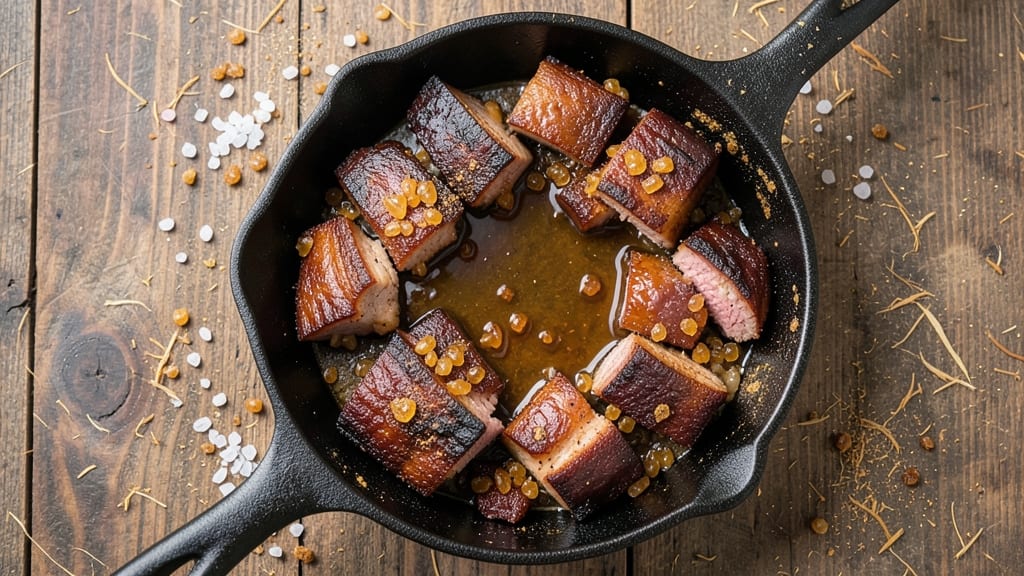
This pork belly burnt ends pellet smoker recipe turns tough cuts into smoky, tender magic in a single session. Growing up in small-town Georgia, I learned that patience and precision turn simple ingredients into showstopping dishes—this recipe does exactly that.
The secret lies in controlling the smoker's temperature and timing, ensuring crispy edges and tender meat without drying out.
This method starts with a simple dry rub and relies on the pellet smoker's consistency to deliver smoky-sweet crispy bites every time. Unlike traditional burnt ends that require hours of braising, this approach uses the smoker's indirect heat to render fat while building flavor.
The result? A dish that's rich, caramelized, and packed with that unmistakable smoky depth that makes it impossible to resist.
By the time you're done, you'll have perfectly crispy edges with tender, juicy meat inside—no guesswork, no overcooking. The pellet smoker's precision ensures a smoke ring and even doneness, while the glaze adds that sticky, caramelized finish.
This is the kind of recipe that turns weeknight dinners into memorable meals, and it's foolproof once you understand the key steps.
Pair these burnt ends with classic mac and cheese or tangy pickled vegetables for a complete meal that feels like a restaurant experience. Let's get started on creating your own smoky-sweet masterpiece.
Ingredients for pork belly burnt ends pellet smoker
Six key ingredients transform tough pork belly into smoky-sweet perfection on the pellet smoker.
| Ingredient | Amount | Notes |
|---|---|---|
| Pork Belly (fat cap included) 🐷 | 3 lb | Trimmed of excess skin, fat cap preserved |
| Brown Sugar 🍚 | ½ cup | Light or dark, coarse texture preferred |
| Smoked Paprika 🌶️ | 2 tbsp | For authentic smoky depth |
| Garlic Powder 🧄 | 1 tbsp | Not garlic salt or flakes |
| Onion Powder 🧅 | 1 tbsp | Fresh ground preferred |
| Coarse Kosher Salt 🧂 | 1 tbsp | Diamond Crystal preferred |
| Black Pepper (freshly ground) 🌶️ | 1 tsp | Medium-coarse grind |
| Apple Cider Vinegar 🍎 | ¼ cup | Raw, unfiltered preferred |
| Molasses 🍯 | ¼ cup | Blackstrap for deeper flavor |
| Honey 🍯 | ¼ cup | Raw or local preferred |
| Pellet Smoker Wood Chips 🔥 | 1 package | Hickory or oak recommended |
| Butter (unsalted) 🧈 | ¼ cup | For basting and finishing |
The pork belly's fat cap is your secret weapon—leave it intact to render perfectly during smoking. Costco or local butchers often carry pre-trimmed cuts, but if you're cutting it yourself, aim for about 1/2 inch of fat on the belly side. For the dry rub, Penzeys or McCormick smoked paprika delivers that authentic smokiness, while Diamond Crystal kosher salt dissolves evenly without clumping. The pellet wood chips matter too—hickory gives classic BBQ depth, but oak works for a milder profile. Always soak the chips for 30 minutes to prevent flare-ups.
No apple cider vinegar? White vinegar plus 1 tbsp maple syrup mimics the tang and sweetness. Molasses can be substituted with 1/4 cup balsamic glaze, though it won't be as rich. For the glaze, raw honey adds floral notes that caramelize beautifully, but agave nectar works in a pinch if you're avoiding honey. If you're short on time, pre-mix the dry rub in a small bowl before applying—it'll stick better to the pork. And for the wood chips, mesquite adds a fruity complexity if you want to experiment beyond hickory or oak.
The pork belly keeps beautifully for 4-5 days in the fridge if wrapped tightly in plastic, but the best flavor develops after smoking. For long-term storage, freeze in airtight containers for up to 3 months. The dry rub mix stays potent for 6 months in an airtight jar, while the glaze components can be stored separately for 1 week in the fridge. Pro tip: baste with melted butter every 30 minutes during the final hour of smoking—it creates that coveted sticky, glossy finish that restaurant versions are known for. And if you're feeding a crowd, double the pork belly and rub—it scales beautifully.
Why You'll Love This Recipe
- No-Fuss Smoking: Honestly, the hardest part is just getting the pellet smoker fired up. Once it’s running at 225°F with those hickory pellets, the pork belly does all the work—you just score it, slap on the rub, and let it cook while you sip a beer. That diamond pattern scoring? Takes two minutes, but it makes all the difference for flavor penetration.
- Caramelized Crunch: The glaze—apple cider vinegar, molasses, and honey—turns into this sticky, amber-brown crust that’s crispy on the edges but still tender inside. That crispy edge with the creamy center? Chef’s kiss. And the smoked paprika and onion powder? They deepen the flavor so much, you’ll forget it’s just pork belly.
- Leftovers? Yes, Please: This recipe makes enough for a crowd, but honestly, it’s even better the next day. The flavors meld together, and the pork belly gets even more tender. I freeze half for game day—just pop it in the oven with a little butter and it’s ready in 20 minutes. My family doesn’t care if it’s not fresh; they’ll eat it cold if I’m too lazy to reheat it properly.
- Budget-Friendly Luxury: Pork belly isn’t cheap, but this recipe stretches it into a meal that feels special without breaking the bank. The rub and glaze ingredients are pantry staples, and the pellet smoker pays for itself with how often I use it. Plus, you’re left with crispy, caramelized bits that taste like they cost twice as much—worth every penny.
Step-by-step instructions for smoky-sweet pork belly burnt ends
Here's the method that transforms tough pork belly into melt-in-your-mouth, caramelized burnt ends.
Prepare and Season the Pork Belly
Begin by scoring the pork belly in a diamond pattern, cutting through the fat cap but not into the meat. This creates channels for the rub to penetrate and allows the fat to render more evenly. Use a sharp boning knife for clean, precise cuts about ½ inch apart.
In a small bowl, combine the ½ cup brown sugar, 2 tbsp smoked paprika, 1 tbsp garlic powder, 1 tbsp onion powder, 1 tbsp coarse kosher salt, and 1 tsp black pepper. Mix thoroughly until the sugar is evenly distributed. Press this mixture firmly into every scored section of the pork belly, working it into the crevices. The rub should adhere well - if it's too loose, the flavor won't penetrate during smoking.
Create the Glaze and Smoke the Pork Belly
In a separate bowl, whisk together the ¼ cup apple cider vinegar, ¼ cup molasses, and ¼ cup honey until completely combined. This glaze will create the signature caramelized crust while adding depth of flavor. Set aside while you prepare the smoker.
Preheat your pellet smoker to 225°F using the 1 package pellet smoker wood chips (hickory or oak recommended). Once the temperature stabilizes and you see clean, blue smoke, place the seasoned pork belly fat-side down on the smoker grates. Smoke for 4-5 hours, or until the internal temperature reaches 165°F. This low-and-slow process breaks down the collagen in the connective tissue, transforming tough meat into tender bites.
Apply the Glaze and Increase Heat
After the initial smoke, brush the pork belly generously with half of the prepared glaze. Return it to the smoker and increase the temperature to 275°F. Smoke for an additional 2-3 hours, brushing with the remaining glaze every 45 minutes. Watch closely as the glaze caramelizes - you'll see it darken to a deep amber color with bubbling edges. This is when the magic happens, creating that signature crispy exterior while keeping the interior tender.
Cube and Finish with Butter
Once the pork belly reaches an internal temperature of 203°F and the glaze has fully caramelized, remove it from the smoker and let it rest for 15 minutes. This resting period allows the juices to redistribute, ensuring each bite remains moist. Using a sharp chef's knife, carefully cube the pork belly into 1-inch pieces, working against the grain for maximum tenderness.
In a large skillet set over medium-high heat, melt the ¼ cup unsalted butter until it foams. Add the cubed pork belly and cook for 3-4 minutes, stirring occasionally, until the pieces are evenly glazed and the butter creates a glossy sheen. The butter will enhance the caramelized flavors while adding a rich, velvety finish to each bite. Serve immediately while the edges remain crispy and the centers stay juicy.
Pro Tips For Making Pork Belly Burnt Ends Pellet Smoker
- SCORE THE BELLY DEEPLY: I learned this the hard way—skimming on the scoring means the rub sits on top instead of sinking in. Cut those diamond patterns through the fat cap but not the meat, about ½-inch apart. The fat renders better, and the rub clings like it’s supposed to.
- USE COARSE SUGAR ONLY: Fine sugar? Nope. It’ll turn to paste and slide off the pork belly during smoking. The ½ cup brown sugar needs to be coarse—light or dark, but not powdered. It sticks better, caramelizes more evenly, and won’t make your rub turn into a sticky mess.
- BRUSH GLAZE IN LAYERS: Don’t dump the whole ¼ cup apple cider vinegar, ¼ cup molasses, and ¼ cup honey mix at once—you’ll end up with a soggy, uneven crust. Split it, brush half first, then wait until it’s halfway caramelized before adding the rest. This keeps the glaze from burning too fast and gives you that deep amber sheen.
- CUBE AGAINST THE GRAIN (AND REST): Cutting with the grain makes the burnt ends chewy. Work against it for tender, fork-friendly bites. And that 15-minute rest? Non-negotiable. I’ve skipped it, and the juices pool at the bottom of the plate like a sad, greasy puddle. Let it sit—your future self will thank you.
Common mistakes when making this dish
Skipping the Score
One of the most common mistakes I see is skipping the scoring step entirely. That diamond pattern isn't just decorative—it creates channels for the rub to penetrate and fat to render evenly.
Without scoring, your rub will just sit on the surface, and the fat won't render properly, leaving you with a dry, uneven texture. Trust me, that ½-inch diamond pattern makes all the difference in tenderness and flavor distribution. 🔥
Ignoring the Smoke Ring
New smokers often pull their pork belly off too soon, before that beautiful smoke ring forms. The smoke ring is your visual cue that the collagen is breaking down and the meat is transforming.
If you remove it at 165°F without a smoke ring, you'll end up with tough, chewy ends instead of that melt-in-your-mouth texture. Let it smoke until you see that pinkish ring form around the edges—usually around 5-6 hours. Patience is key here.
Overglazing Too Early
Applying the glaze too early in the process can cause it to burn before the meat reaches the right tenderness. I've seen beginners brush on the glaze at the start, only to have it caramelize into a burnt mess by the time the internal temperature hits 203°F.
Wait until the pork belly has already reached 165°F and then increase the heat to 275°F for the glazing phase. This way, the glaze has time to caramelize properly without scorching.
Skipping the Rest
After smoking, many people rush to slice their pork belly immediately, but this is where the magic happens. Letting it rest for 15 minutes allows the juices to redistribute throughout the meat, ensuring each bite is moist and flavorful.
Cutting too soon means you'll lose all that delicious liquid that makes burnt ends so irresistible. I've even seen people rest it for 30 minutes—the extra time just makes it even more tender. Don't skip this step!
Using the Wrong Wood
Pellet smokers are amazing, but the wood chips matter just as much as the meat. Using mesquite or fruitwoods like cherry can overpower the pork belly with an intense, sometimes bitter flavor. Stick with hickory or oak for that classic, balanced smokiness.
I once used applewood by mistake—it gave a fruity sweetness that didn't complement the caramelized glaze at all. Always check your wood choice against the dish you're cooking!
Neglecting the Butter Finish
The final butter basting is what takes these burnt ends from good to unforgettable. Skipping this step means missing out on that rich, velvety sheen and extra depth of flavor.
Melt ¼ cup unsalted butter in a skillet and toss the cubed pork belly in it for just 3-4 minutes—long enough to coat but not long enough to scramble the butter. This last touch elevates the dish from homemade to restaurant-quality.
It's the little details that make all the difference!
Nutrition facts
Frequently asked questions
How do I know when the pork belly is properly smoked?
Look for a pinkish smoke ring around the edges and an internal temperature reaching 165°F before increasing the heat. This indicates the collagen has broken down for tender meat. The smoke ring forms during the 4-5 hours at 225°F, so patience is key—rushing this step can leave your burnt ends tough.
Can I use a different wood type for smoking?
Stick with hickory or oak for classic BBQ flavor, but avoid mesquite or fruitwoods like cherry—they can overpower the pork belly's natural taste. Hickory adds depth while oak provides a milder, cleaner smoke. If experimenting, try applewood for subtle sweetness, but always check how it complements your glaze.
Why does the recipe call for cubing the pork belly?
Cubing at 1-inch pieces ensures even cooking during the final butter sear, creating bite-sized perfection with crispy edges and tender centers. Working against the grain also maximizes tenderness. This step transforms the whole smoked belly into individual, restaurant-worthy burnt ends perfect for sharing.
How can I prevent the glaze from burning during smoking?
Apply the glaze only after the pork belly reaches 165°F, then increase heat to 275°F for the final 2-3 hours. Brush it on every 45 minutes and watch for that deep amber caramelization—this balanced approach prevents scorching while building flavor.