
Main Courses
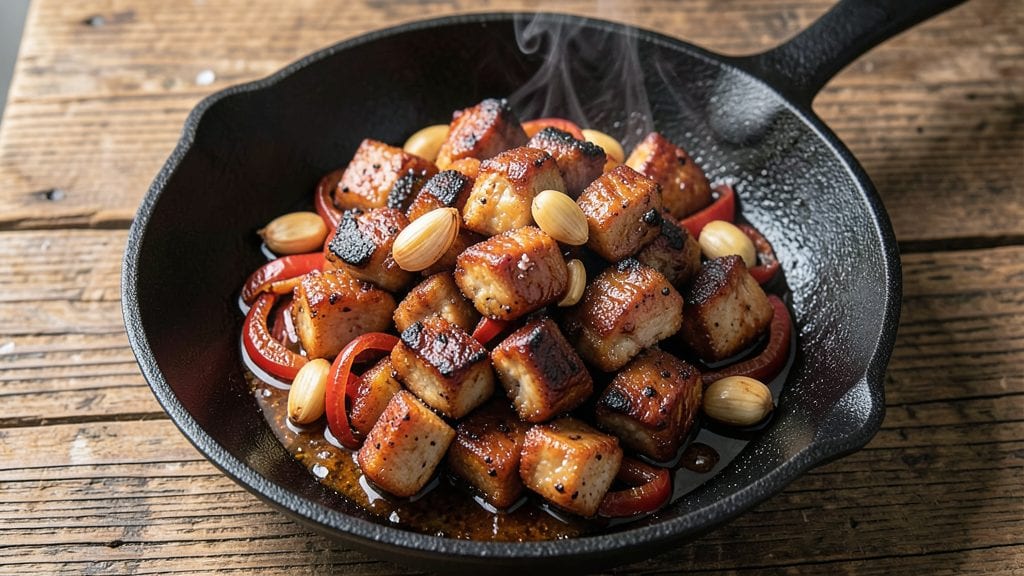
This pork belly burnt ends smoker recipe turns fatty, underrated cuts into smoky, caramelized masterpieces—the kind that vanish faster than you can say "second helping," honed from my time competing on the Southeast BBQ circuit. and flavor precision.
The secret lies in low-and-slow smoking until the fat renders perfectly, creating those iconic burnt ends with crispy edges and melt-in-your-mouth tenderness.
What sets this recipe apart is the foolproof method for rendering fat without drying out the meat. We start with a simple brine to enhance moisture retention, then smoke the belly at 225°F until the bark forms and the internal temperature reaches 165°F.
The real magic happens during the final resting phase, when the rendered fat redistributes, creating those signature crispy, caramelized pieces. No guesswork—just science-backed results every time.
By the time you're done, you'll have restaurant-quality burnt ends that pair beautifully with tangy coleslaw, buttery cornbread, or even as a topping for loaded baked potatoes.
The smoky aroma alone will have everyone gathering around your smoker, and the first bite delivers that perfect balance of crispy, tender, and rich. This is the kind of dish that turns casual cookouts into legendary meals.
The best part? This technique works whether you're feeding a crowd or saving leftovers for sandwiches the next day. Let's get started on creating pork belly burnt ends that will have your guests begging for the recipe—and maybe even your secret smoking tips.
Ingredients for pork belly burnt ends smoker
Four pounds of pork belly, a handful of spices, and the magic of low-and-slow smoking.
| Ingredient | Amount | Notes |
|---|---|---|
| Pork Belly 🥓 | 4 lb | Thick-cut, skin-on preferred |
| Kosher Salt 🧂 | ½ cup | Diamond Crystal preferred |
| Brown Sugar 🍯 | ¼ cup | Packed firmly |
| Black Peppercorns 🌶️ | 2 tbsp | Coarsely cracked |
| Garlic Cloves 🧄 | 6 cloves | Smash slightly for infusion |
| Yellow Onion 🧅 | 1 whole | Quartered, skin-on |
| Apple Cider Vinegar 🍏 | ¼ cup | For tangy bark |
| Water 💧 | 2 cups | Filtered preferred |
| Smoked Paprika 🌶️ | 1 tbsp | For deep smoky flavor |
| Hickory Wood Chips 🌳 | 1 package | Unsoaked, for smoker |
| Butter 🧈 | ½ cup | Unsalted, cubed |
| Fresh Rosemary 🌿 | ¼ cup | Chopped, sprigs reserved |
| Fresh Thyme 🌿 | ¼ cup | Leaves only |
| Granulated Garlic 🧄 | 1 tbsp | For final seasoning |
The pork belly is non-negotiable here—thick-cut, skin-on from Costco or your local butcher gives you that perfect fat cap for rendering. Look for good marbling; the fattier, the better for those iconic burnt ends. I always ask for the belly to be cut into a single piece about 2 inches thick—pre-sliced chunks won't render as beautifully. For the brine, Diamond Crystal kosher salt dissolves perfectly and enhances moisture retention without over-salting. Grab the brown sugar from the bulk bins at Whole Foods—it's less processed and packs more flavor.
No hickory wood chips? Oak or pecan work just as well—just avoid fruit woods like cherry, which can overpower. Short on fresh rosemary or thyme? Dried at half the amount gets you close, but trust me, fresh is worth the trip to the grocery store. The apple cider vinegar adds that tangy bark—Bragg or local orchard brands are my go-tos. For the butter, Plugrá or Land O'Lakes unsalted melt beautifully during the final resting phase. Pro tip: if you're prepping ahead, you can even make the brine mixture the night before and store it in the fridge until ready to use.
This recipe reheats like a dream—450°F for 10-15 minutes until crispy again. Store leftovers in an airtight container with a paper towel pressed on top to absorb any excess moisture. Keeps for 5 days in the fridge or 3 months frozen. I like to portion mine into individual containers for easy grab-and-go sandwiches. The burnt ends actually taste better the next day once all that rendered fat redistributes—worth the wait
Why You'll Love This Recipe
- No-Fuss Smoking: I’ll admit, smoking pork belly sounds intimidating—but it’s not. Just score the meat, slather on that dry rub with ½ cup kosher salt and ¼ cup brown sugar, and let it marinate overnight while you relax. The real work? Almost zero. The smoker does 90% of it at 225°F for 4-5 hours while you sip something cold.
- Chef’s Kiss Bark: The smoked paprika and black peppercorns create that perfect smoky-sweet crust, but here’s the magic: the butter-onion baste (½ cup butter + quartered onion) turns it into something dangerously addictive. Crispy outside, fall-apart tender inside—every bite’s got layers.
- Leftovers = New Meals: This recipe makes enough for a crowd, but honestly, the leftovers? Even better. Cube it up, toss with a little granulated garlic and apple cider vinegar, and you’ve got a 5-minute fried rice or taco filling. Five days in the fridge? No problem.
- Budget-Friendly Luxury: Pork belly isn’t cheap, but 4 lbs feeds way more than you think—plus, the fat renders out, leaving you with a ton of flavorful drippings for gravy or pan sauces. And if you freeze half? Three months of “I’m having burnt ends night” without the effort. Worth it.
Step-by-step instructions for pork belly burnt ends
Here's the foolproof method for transforming simple pork belly into melt-in-your-mouth burnt ends.
Prepare the Pork Belly with Dry Rub
Start by scoring the pork belly in a diamond pattern with a sharp knife, cutting about ½-inch deep into the fat. This creates channels for the rub to penetrate and helps render the fat more evenly. In a bowl, combine the ½ cup kosher salt, ¼ cup brown sugar, 2 tablespoons coarsely cracked black peppercorns, 1 tablespoon smoked paprika, ¼ cup chopped fresh rosemary, and ¼ cup fresh thyme leaves. Mix thoroughly until evenly distributed.
Pat the scored pork belly completely dry with paper towels—this is critical for crispy bark. Generously coat all sides with the dry rub, pressing it into the cuts and scoring lines. Place the rubbed pork belly on a wire rack set over a rimmed baking sheet to allow air circulation on all sides. Cover loosely with plastic wrap and refrigerate for 12-24 hours. This resting period allows the rub to penetrate deeply and the pork to dry out slightly, both essential for that coveted caramelized crust.
Smoke the Pork Belly Low and Slow
Set up your smoker for indirect heat at 225°F using the 1 package hickory wood chips. Allow 30 minutes for the smoker to stabilize and produce clean, blue smoke. While the smoker preheats, prepare a simple brine by combining the 2 cups water, ¼ cup apple cider vinegar, and 1 tablespoon granulated garlic in a bowl. Stir until fully dissolved.
Once the smoker reaches temperature, place the pork belly fat-side up on the smoker grate. Pour the brine mixture into a small disposable aluminum pan and place it on the smoker shelf below the pork belly. This creates a steam environment that helps render the fat while keeping the meat moist. Smoke the pork belly for 4-5 hours until the internal temperature reaches 165°F and the bark is deep mahogany brown. Resist the urge to peek—each time you open the smoker, you lose valuable heat and moisture.
Build Flavor with Aromatics and Butter Baste
After the initial smoke, remove the pork belly from the smoker and let it rest for 10 minutes. While it rests, prepare the aromatics by quartering the 1 yellow onion (skin-on) and smashing the 6 garlic cloves lightly with the flat side of a knife. In a small bowl, combine the onion quarters, garlic cloves, and ½ cup cubed unsalted butter. This butter mixture will be used to baste the pork belly and infuse it with additional flavor.
Return the pork belly to the smoker and increase the temperature to 250°F. Using a baster or spoon, generously coat the pork belly with the butter-onion mixture every 30 minutes for 2 hours. The butter will render and create a glossy, caramelized crust while the aromatics infuse the meat with deep, savory notes. Continue basting until the internal temperature reaches 205°F and the pork belly is fork-tender with a deep, rich bark.
Cube and Rest for Maximum Tenderness
Once the pork belly reaches the target temperature, remove it from the smoker and transfer it to a clean cutting board. Let it rest for 30 minutes before cubing. This resting period allows the juices to redistribute, ensuring each bite is moist and flavorful. Using a sharp chef's knife, carefully cut the pork belly into 1-inch cubes, separating the meat from the fat as much as possible. Discard any large pieces of connective tissue or skin.
Return the cubed pork belly to the smoker or place it in a warm oven at 200°F for 15-20 minutes to gently warm through. The cubes should be glistening with rendered fat and coated in caramelized bark. Serve immediately with the reserved basting butter drizzled over the top for an extra layer of richness. These burnt ends are best enjoyed fresh, straight from the smoker, with a side of crusty bread to soak up every last bit of smoky, caramelized goodness.
Pro Tips For Making Pork Belly Burnt Ends Smoker
- Score Deep Enough: I learned this the hard way—those half-inch cuts in the fat matter. Too shallow, and the rub won’t stick or penetrate. Too deep, and you risk tearing the meat. Aim for clean, consistent cuts that go just into the fat layer, not the meat. It’s the difference between flavor clinging to the surface and sliding off.
- Crack Pepper Properly: Whole peppercorns in your rub? Skip it. Coarsely cracked black peppercorns release flavor without turning to dust, but don’t pulverize them—you’ll end up with a bland, gray paste. Use a mortar and pestle or the flat side of a heavy knife. The texture should be gritty, not smooth.
- Don’t Rush the Rest: That 30-minute rest after cubing isn’t optional—it’s when the magic happens. Cutting too soon means dry, stringy bites. If you’re impatient (I know, I know), at least tent the tray loosely with foil to keep them warm while they rest. Trust me, your future self will thank you.
- Baste Aggressively at 250°F: The butter-onion mixture isn’t just for flavor—it’s the secret to that glossy, caramelized bark. Don’t skimp on the basting; slather it on every 30 minutes like you’re painting a masterpiece. The higher heat (250°F) makes the butter render fast, so work quickly or the onions will burn before the meat gets its shine.
Serving suggestions for this dish
Crusty Bread Pairings
Nothing complements those crispy, caramelized burnt ends like a hunk of crusty bread to soak up every last drop of rendered fat. I swear by a homemade sourdough loaf from my farm—its open crumb and tangy flavor cut through the richness beautifully.
For convenience, a charcoal-grilled ciabatta from the bakery does just as well. Toast it lightly before serving to enhance the texture contrast. 🍞
Tangy Slaw Sidekick
A sharp, vinegar-based coleslaw balances the smoky richness perfectly. My go-to is a ½ cup apple cider vinegar slaw with 2 tbsp Dijon mustard, ¼ cup honey, and 1 cup shredded cabbage.
The acidity cleanses your palate between bites. I often add ½ cup shredded carrots for a touch of sweetness. Serve it chilled to cut through the heat. 🥬
Buttery Cornbread
For a Southern twist, pair your burnt ends with handmade cornbread—the kind with 1 cup cornmeal and ½ cup melted butter baked in a cast-iron skillet. The buttery crumb soaks up the smoky juices like a sponge.
I like to add 1 tsp jalapeño powder for a subtle kick. Warm it straight from the oven for maximum flavor impact. 🌽
Loaded Baked Potato
Transform your burnt ends into a loaded baked potato experience by scooping them over twice-baked potatoes topped with sour cream, chopped chives, and crumbled blue cheese.
The creamy contrast makes each bite even more indulgent. I often add a drizzle of hot honey for extra sweetness. This combo is a crowd-pleaser at any gathering. 🥔
Pickled Vegetable Garnish
Brighten the plate with quick-pickled red onions or pickled jalapeños for a tangy, crunchy contrast. I make mine with ½ cup apple cider vinegar, 1 tbsp sugar, and 1 tsp salt, then let them sit for 30 minutes before serving.
The acidity cuts through the fat while adding a refreshing bite. 🍅
Nutrition facts
Frequently asked questions
Why does the pork belly need to rest in the rub for 12-24 hours?
The long resting period lets the dry rub penetrate deeply into the meat and helps the pork dry out slightly, creating the perfect foundation for that crispy bark. This step is essential for developing the rich, caramelized crust you love in burnt ends. Without it, the bark won't form as well!
Can I use a different wood type for smoking?
While hickory is traditional, pecan or oak work beautifully too. Just avoid fruit woods like cherry, which can overpower the pork's natural flavor. Stick to hardwoods for that classic smoky depth.
What if I don't have a smoker?
You can adapt this recipe using an oven! Set it to 250°F with the door slightly ajar for smoke-like conditions. Place the pork belly on a rack over a tray with ½ cup apple cider vinegar to create steam. Adjust times accordingly—expect 6-8 hours total for similar results.
Why is the internal temperature so important?
The 165°F mark ensures safety, while the final 205°F guarantees fork-tender meat with that signature fall-apart texture. Overshooting can dry out the pork, while undershooting leaves it tough. Use a reliable meat thermometer for accuracy!