
Tips
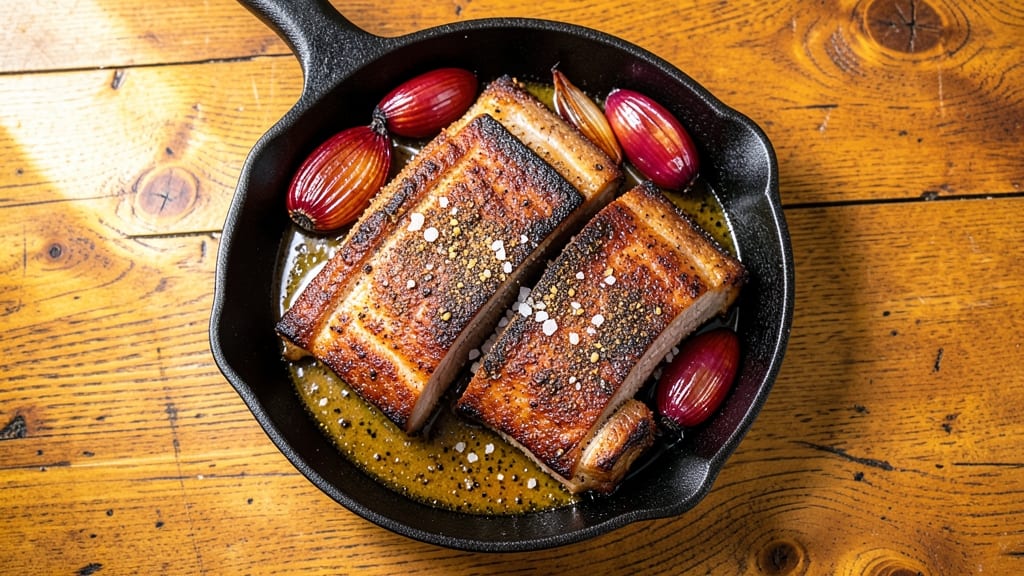
Pork brisket rib tips deserve the spotlight for their ability to deliver smoky, crispy bites with minimal effort—something I perfected after years of slow-cooking pork in my Atlanta kitchen.
Growing up in small-town Georgia, I learned that the best pork transforms tough cuts into tender, flavorful masterpieces with the right technique. This recipe combines the best of Southern comfort with professional pitmaster precision.
The secret lies in a dry rub that caramelizes into a flavorful crust while keeping the meat tender inside. Unlike traditional brisket, rib tips cook quickly in one pan, making them ideal for weeknight dinners or weekend gatherings.
The key is high heat and patience—let the edges crisp while the center stays juicy. I’ve tested this method countless times, and it never fails to impress.
By the time you’re done, you’ll have golden, crispy rib tips with a deep smoky flavor that pairs perfectly with roasted potatoes or a tangy coleslaw. The process is straightforward: prep the meat, season generously, and let the pan do the work.
This is the kind of dish that turns a simple meal into a memorable experience—no smoker required.
Serve with classic Southern sides like cornbread or a crisp green salad to round out the plate. The leftovers reheat beautifully, making this a meal worth doubling. Let’s get cooking—your taste buds will thank you.
Ingredients for pork brisket rib tips
Southern comfort meets pan-seared precision—just pork, bold spices, and one crispy result.
| Ingredient | Amount | Notes |
|---|---|---|
| Pork Brisket Rib Tips 🥩 | 3 lb | Trimmed of excess fat, cut into 1-inch chunks |
| Kosher Salt 🧂 | 1 ½ tbsp | Diamond Crystal preferred for even distribution |
| Black Pepper 🌶️ | 1 tbsp | Freshly ground coarse |
| Smoked Paprika 🌶️ | 1 ½ tbsp | For deep smoky flavor |
| Garlic Powder 🧄 | 1 tbsp | Not garlic salt |
| Onion Powder 🧅 | 1 tbsp | For sweet depth |
| Brown Sugar 🍚 | 1 tbsp | Dark brown for caramelization |
| Chipotle Powder 🔥 | 1 tsp | For smoky heat |
| Olive Oil 🫒 | ½ cup | Extra-virgin for richness |
| Apple Cider Vinegar 🍎 | 2 tbsp | For tenderizing |
| Butter 🧈 | ¼ cup | Unsalted for control |
The pork brisket rib tips are the star here, and you want well-marbled cuts from the butcher counter—Costco or local meat markets often have the best selection. Look for bright red color and firm texture; avoid anything with grayish tones. If you're buying whole, trim the fat cap to 1/4-inch thickness for even cooking. I always grab mine pre-cut into 1-inch chunks to save time, but if you're doing it yourself, use a sharp knife and cut against the grain. The fat cap will render beautifully during cooking, but too much can make the pan greasy.
No chipotle powder? 1/2 tsp cayenne plus 1 tsp smoked paprika gets you close. Want more sweetness? Double the brown sugar—it caramelizes beautifully. Olive oil is non-negotiable here; extra-virgin is worth the splurge—it stands up to the heat better than regular. The apple cider vinegar might seem odd, but it breaks down the muscle fibers for tender, juicy meat. If you're short on time, skip it and just brine the pork overnight instead. For the butter, unsalted is best—you're controlling the salt level with the kosher salt in the rub.
This rub keeps for up to 6 months in an airtight container, but the pork itself is best used within 3 days of purchase. If you're prepping ahead, coat the tips in olive oil and refrigerate—don't season until ready to cook. For the crispiest edges, let the pan get good and hot before adding the meat. The butter baste at the end is key—add it in the last 2 minutes to melt and coat everything. Leftovers reheat beautifully in a skillet with a splash of water to steam them back to tender perfection. This dish is even better the next day, so double it for busy weeknights.
Why You'll Love This Recipe
- Foolproof Seasoning: I swear by this combo—just salt, pepper, smoked paprika, and garlic powder. The rib tips soak up the spices like a sponge, giving you that smoky, savory punch without fuss. No fancy rubs, no guesswork.
- Crispy in Minutes: Honestly, the best part? Those rib tips caramelize fast on the stovetop. Toss them in a hot pan, let them sizzle until the edges catch—boom, instant texture. No oven, no waiting.
- Game-Day Snack: Between us, this is my go-to for tailgates or movie nights. Serve them warm with a side of pickles or a cold beer, and suddenly you’re the hero. No plates required—just grab and eat.
- Budget-Friendly Feast: I buy rib tips in bulk, and this recipe stretches them far. Double the batch, freeze half, and you’ve got a weeknight win. Plus, the spices cost pennies—real value for a dish this satisfying.
Step-by-step instructions for smoky, crispy pork brisket rib tips
Here's how to transform tough brisket rib tips into tender, caramelized bites with a perfect crust.
Tenderize and Season the Rib Tips
In a large bowl, combine the 3 lb pork brisket rib tips with 2 tbsp apple cider vinegar. This marinade works magic by breaking down tough fibers, ensuring tender results. Let it sit for 15 minutes while you prep the dry rub.
In a separate bowl, whisk together 1½ tbsp kosher salt, 1 tbsp black pepper, 1½ tbsp smoked paprika, 1 tbsp garlic powder, 1 tbsp onion powder, 1 tbsp brown sugar, and 1 tsp chipotle powder. The brown sugar and vinegar create a caramelized crust while the spices penetrate deeply. Pat the marinated rib tips dry with paper towels—this step is non-negotiable for crispy edges.
Build Deep Flavor in the Pan
Heat a large oven-safe skillet over medium-high heat and add ½ cup olive oil. Once shimmering, add the seasoned rib tips in a single layer, working in batches if needed. Don't crowd the pan—this prevents steaming and ensures proper browning. Sear for 3-4 minutes per side until the edges develop a deep golden crust.
Real talk: If you see the oil smoking excessively, reduce the heat slightly. You want a gentle sizzle, not a fire. The goal is to develop a rich fond (those browned bits) that will dissolve into the sauce later. Once all pieces are seared, transfer them to a plate and set aside.
Deglaze and Simmer for Maximum Flavor
Return the skillet to the heat and reduce to medium-low. Add the ¼ cup butter and let it melt completely, scraping up all those flavorful browned bits from the bottom of the pan. This is where the magic happens—those bits contain concentrated meaty flavor that transforms into a glossy sauce.
Pour in the remaining 1 tbsp apple cider vinegar (the amount left after marinating) and stir vigorously. The acidity helps dissolve the fond while cutting through the richness of the butter. Return the rib tips to the skillet, spooning the sauce over them. Cover and let it simmer for 10 minutes, stirring occasionally, until the sauce thickens slightly and coats the back of a spoon.
Finish with Crispy Perfection
Transfer the skillet to a 400°F preheated oven and bake for 15-20 minutes, uncovered, until the rib tips are fork-tender and the sauce has reduced to a glossy consistency. You'll know they're done when the edges are deep mahogany brown and the meat pulls apart easily with minimal resistance.
For that final touch of crispiness, return the skillet to the stovetop over medium-high heat for 1-2 minutes, tossing the rib tips until the sauce clings and the edges get that irresistible crackle. Taste and adjust seasoning—you might need a pinch more salt or a crack of black pepper to balance the smoky-sweet flavors.
Pro Tips For Making Pork Brisket Rib Tips
- Prep Chunks Evenly: DESCRIPTION: Cut those 1-inch rib tip chunks uniformly—no bigger, no smaller. I used to eyeball it, and some pieces stayed tough while others turned mushy. A ruler or knife guide makes this stupidly easy, and the cooking time becomes predictable. Trust me, your fork will thank you later.
- Salt the Butter: DESCRIPTION: That unsalted butter in the sauce? Toss in a pinch of the leftover kosher salt while it melts—about ¼ tsp. The recipe’s dry rub already packs enough salt, but the butter’s richness can mute the seasoning if you skip this. It’s a tiny fix for a noticeable difference.
- Don’t Rush the Sear: DESCRIPTION: The 3-4 minutes per side for searing isn’t just about color—it’s about breaking down collagen in those rib tips. If you rush, you’ll end up with chewy edges instead of that crispy, caramelized crust. High heat, patience, and a little smoke are your friends here.
- Save the Vinegar: DESCRIPTION: That last 1 tbsp of apple cider vinegar in the deglaze step isn’t optional—it’s the acid that actually cuts through the fat and tightens the sauce. I learned this after a batch turned greasy instead of glossy. Measure it out before marinating so you don’t forget.
Essential equipment for pork brisket rib tips
Your Skillet’s Best Friend
The star of this show is a heavy-bottomed cast iron skillet, like my trusty Lodge 12-inch—the one I’ve used since my days apprenticing under Chef Chen. This isn’t just any skillet; it’s the workhorse that distributes heat evenly and develops that perfect Maillard reaction for crispy edges.
If you don’t have one, a stainless steel or enameled cast iron will work, but avoid nonstick—it won’t handle the high heat needed for searing. 🔥
Precision Tools for Perfect Results
Invest in a digital meat thermometer—I swear by the ThermoWorks Smoke—to check internal temps without overcooking. For the dry rub, a mortar and pestle (or just your fingers) helps blend the spices evenly, but I’ve also crushed mine right in the bowl for convenience.
And trust me, a good pair of kitchen tongs is non-negotiable for flipping those rib tips without crushing them.
The Vinegar Trick
You’ll need a measuring spoon set for the apple cider vinegar—2 tbsp is the magic amount to tenderize the meat. I keep a small bottle of Penzeys apple cider vinegar on hand because it’s the right balance of tangy and smooth.
If you’re short on time, a brine solution (equal parts water and salt) works too, but the vinegar gives that extra depth of flavor I love.
Oven-Safe Skillets
Since we’re baking the rib tips in the skillet at 400°F, make sure your pan can handle the heat. My Lodge skillet is oven-safe up to 500°F, but always check your brand’s guidelines.
If you’re using a non-cast iron, look for a stainless steel or enameled option rated for high temperatures. This step is where the sauce reduces and the flavors meld together—don’t skip it!
Butter Basters and Spatulas
A wooden spoon or spatula is essential for stirring the sauce and scraping up those flavorful browned bits. I also keep a butter baster handy to drizzle the ¼ cup unsalted butter at the right moment—it adds richness without overpowering the dish.
And for serving, a slotted spoon lets you lift the rib tips out of the sauce while keeping them warm.
Nutrition facts
Frequently asked questions
Why does the apple cider vinegar tenderize the pork?
The 2 tbsp apple cider vinegar works like a natural tenderizer by breaking down tough muscle fibers in the pork brisket rib tips. The acid helps soften the collagen, resulting in juicy, fork-tender meat. It also enhances the caramelization of the brown sugar in the rub for a deeper flavor. Let it marinate for the full 15 minutes to maximize tenderness!
Can I make this recipe ahead of time?
Cook the rib tips and sauce as directed, then refrigerate in an airtight container for up to 3 days. Reheat gently in a skillet with a splash of water to restore moisture. For best results, double the recipe—it reheats beautifully and tastes even better the next day. Leftovers keep the crispy edges and rich sauce intact!
What if my skillet isn’t oven-safe?
No problem! If your pan isn’t oven-safe, transfer the rib tips to a baking sheet after the 10 minutes of simmering. Pop it into the 400°F oven for the remaining 15-20 minutes. The sauce will thicken slightly on its own, so keep an eye on it. Just toss them back in the skillet for the final 1-2 minutes to crisp up!
How do I know when the pork is fully cooked?
Use a meat thermometer to check for 145°F internal temperature. The edges should also be a deep mahogany brown, and the meat should pull apart easily with minimal resistance. If it’s still slightly firm, return it to the oven for another 5 minutes. Overcooking dries out the pork, so trust your thermometer!
Can I substitute chipotle powder if I don’t have it?
Yes! Mix ½ tsp cayenne pepper with 1 tsp smoked paprika for a similar heat and smoky depth. The cayenne adds spice while the paprika keeps the smoky flavor profile intact. Adjust to taste—you can always add more later!