
Main Courses
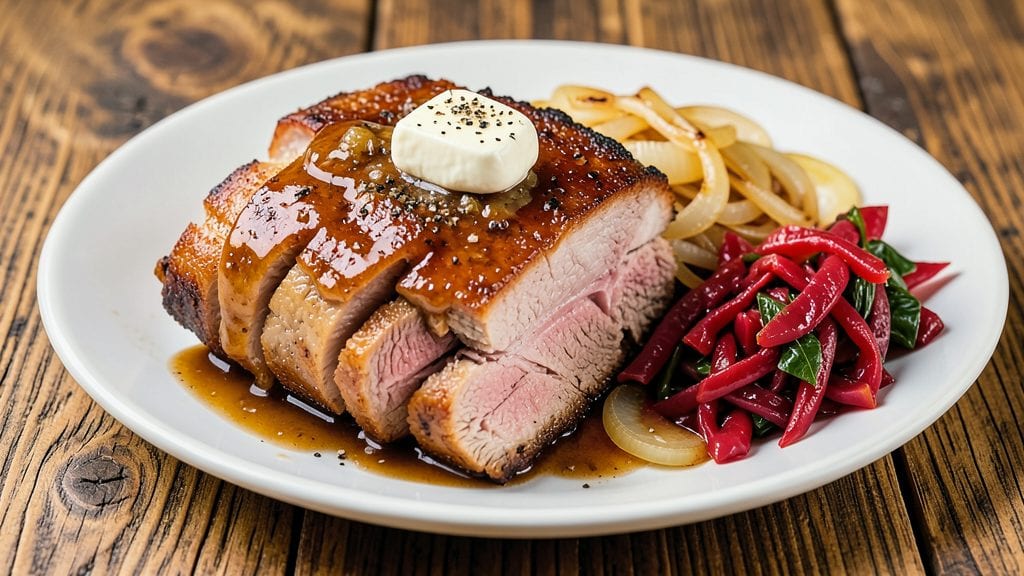
This pork butt with sauerkraut recipe transforms a simple brined cut into melt-in-your-mouth perfection paired with tangy, caramelized sauerkraut. Growing up in small-town Georgia, I learned that pork butt and sauerkraut make a match that’s both comforting and deeply satisfying—especially when slow-braised until the meat falls apart at the touch.
The key lies in balancing the rich, fatty pork with the sharp, fermented bite of sauerkraut, creating a dish that’s equal parts hearty and complex.
The beauty of this recipe is its versatility—whether you’re smoking it low and slow over hickory, braising in a Dutch oven, or using your oven’s roast function, the technique remains the same. I prefer a 3-4 hour cook at 275°F, which renders the fat beautifully while keeping the meat tender.
Meanwhile, the sauerkraut gets sautéed with onions and a splash of apple cider vinegar, developing a caramelized depth that cuts through the richness of the pork. The result? A dish that’s restaurant-quality without requiring a professional kitchen.
By the time you’re ready to serve, you’ll have fall-apart pork butt with crispy edges and juicy centers, paired with sauerkraut that’s softened just enough to soak up the pork’s flavorful juices. The contrast of textures—tender meat, crispy skin, and the satisfying crunch of sauerkraut—makes every bite unforgettable.
This is the kind of meal that feeds a crowd, warms a winter night, and becomes a staple in your rotation.
Serve with crusty bread to soak up the juices or alongside roasted potatoes for a complete spread. The leftovers? Even better the next day, as the flavors meld into something deeply comforting. Let’s get started—your table is about to get a whole lot heartier.
Ingredients for pork butt and sauerkraut
Rich pork butt meets tangy sauerkraut in this slow-braised masterpiece—comforting and deeply satisfying.
| Ingredient | Amount | Notes |
|---|---|---|
| Pork Butt (Boston Butt) 🐖 | 4 lb | Fat-capped, skin-on preferred |
| Unsalted Butter 🧈 | ½ cup | Full-fat for richness |
| Granulated Sugar 🍚 | 1 tbsp | For caramelizing sauerkraut |
| Apple Cider Vinegar 🍎 | ¼ cup | Raw, unfiltered preferred |
| Yellow Onions 🧅 | 1 ½ whole | Thinly sliced |
| Sauerkraut 🥬 | 2 cups | Undrained, high-quality |
| Dry Mustard 🌿 | 1 tsp | For depth in braising |
| Garlic Cloves 🧄 | 4 cloves | Roughly chopped |
| Dijon Mustard 🍯 | 1 tbsp | For tangy richness |
| Beef Bone Broth 🥄 | 2 cups | Low-sodium preferred |
| Smoked Paprika 🌶️ | 1 tsp | For smoky depth |
| Salt 🧂 | 1 tsp | Kosher or sea salt |
| Black Pepper 🔥 | 1 tsp | Freshly ground |
| Crusty Bread 🍞 | 1 package | For serving |
The pork butt is where the magic happens. Look for a well-marbled 4-lb piece—fat is what keeps it tender during the long cook. I always buy mine from ButcherBox or my local farm stand, where the cuts are still fresh. If you're using store-bought, trim excess fat to avoid greasiness, but leave a good layer for flavor. The sauerkraut? High-quality, undrained is key—brands like Zimmermann or Brauhaus have the best texture and tang. Skip the pre-shredded stuff; it’s mushy and lacks depth.
No apple cider vinegar? White wine vinegar with a splash of lemon juice works in a pinch. Short on onions? Extra garlic or shallots can stretch the flavor, but don’t skip them entirely—they’re the backbone of the caramelized sauce. Want to skip the Dijon? Yellow mustard at half the amount keeps the tang without the complexity. And if you’re avoiding mustard entirely, extra apple cider vinegar adds acidity. The broth is non-negotiable—low-sodium bone broth lets you control the saltiness, but chicken broth in a pinch will do.
This dish tastes even better the next day, as the flavors meld into something truly special. Store the pork butt in its juices in the fridge for up to 5 days, or freeze for 3 months. The sauerkraut keeps well in the fridge for 2 weeks if stored in its liquid. I always reheat the pork in a Dutch oven with a splash of water or broth to keep it moist. Serve with crusty bread to soak up every last drop of that rich, tangy sauce—trust me, it’s worth the extra minute.
Why You'll Love This Recipe
- One-Pot Magic: I love that this dish lives in one Dutch oven the whole time—no extra pans, no cleanup chaos. Just sear the pork, toss in the onions and sauerkraut, and let the oven do the work while I grab a beer and relax.
- Tangy, Caramelized Bliss: That mix of raw apple cider vinegar and granulated sugar caramelizing the sauerkraut? It’s like a sweet-tart hug for every bite. The smoked paprika and Dijon mustard tie it all together—deep, complex, and impossible to resist.
- Feeds a Crowd (or Your Cravings): This recipe is my secret weapon for game days or lazy Sundays. The pork stretches over three hearty servings, and the sauerkraut adds that tangy crunch that makes people come back for seconds. My neighbors always ask for the leftovers.
- Budget-Friendly Luxury: A 4-pound pork butt might sound pricey, but with the bone broth and sauerkraut, you’re getting rich, slow-braised flavor without breaking the bank. Plus, it keeps for five days in the fridge—meaning I can meal prep without stress.
Step-by-step instructions for slow-braised pork butt with sauerkraut
This method transforms tough pork butt into melt-in-your-mouth perfection with a tangy, caramelized sauerkraut topping.
Prepare and Sear the Pork Butt
Pat the 4 lb pork butt dry with paper towels, removing any excess moisture. This step is crucial—wet surfaces prevent proper browning. Season generously with 1 tsp salt, 1 tsp black pepper, and 1 tsp smoked paprika, pressing the spices into the meat so they adhere. Let it sit at room temperature for 30 minutes while you prepare the rest.
Heat a Dutch oven over medium-high heat and add ½ cup unsalted butter. Once the butter foams, place the pork butt fat-side down and sear for 10 minutes until deeply browned. Flip and sear the other side for another 10 minutes. The goal is to create a rich, flavorful crust that will dissolve into the braising liquid. Remove the pork and set it aside on a plate.
Build the Braising Base
In the same Dutch oven, reduce the heat to medium and add 1½ thinly sliced yellow onions. Cook for 5 minutes until softened but not browned. Stir in 4 roughly chopped garlic cloves and cook for 30 seconds until fragrant. This aromatic foundation forms the backbone of your braise.
Add 2 cups sauerkraut (undrained) and 1 tbsp granulated sugar, stirring to combine. Let it cook for 3 minutes until the sugar begins to caramelize slightly, deepening the flavor. Pour in ¼ cup apple cider vinegar and scrape up any browned bits from the bottom of the pot. This step captures all the flavor locked in the meat and onions.
Braise with Mustard and Broth
Return the pork butt to the Dutch oven, fat-side up. Stir in 1 tsp dry mustard and 1 tbsp Dijon mustard, coating the meat evenly. Pour in 2 cups beef bone broth, ensuring the pork is mostly submerged. The broth should come about halfway up the meat—this ensures even cooking and maximum tenderness.
Bring the liquid to a simmer, then reduce heat to low. Cover the pot and transfer to a 300°F oven for 3 hours. The slow cook ensures the connective tissue breaks down completely, resulting in fork-tender meat. Check occasionally and add a splash of water if the liquid reduces too much.
Finish and Rest
After 3 hours, remove the pork butt from the oven and let it rest in the braising liquid for 15 minutes. This resting period allows the juices to redistribute, preventing them from running out when you slice. The pork should be fork-tender, with a deep mahogany color and rich, caramelized sauerkraut clinging to it.
Transfer the pork to a cutting board and tent loosely with foil. Let it rest for an additional 15 minutes before slicing. This final resting step is essential for achieving the perfect texture—juicy, tender, and full of flavor. Serve with 1 package crusty bread to soak up the delicious braising liquid.
Pro Tips For Making Pork Butt And Sauerkraut
- Sear Until Golden-Brown: I used to flip the pork butt too soon and end up with pale, flavorless meat—don’t make that mistake. Push the sear until the fat-side is deeply browned and the butter turns nutty brown, even if it takes a little longer than 10 minutes. That crust is where all the flavor hides.
- Don’t Drain the Sauerkraut: The liquid in sauerkraut is liquid gold—it’s packed with tang and probiotics that deepen the braise. Skimping on this step means missing out on that bright, complex flavor. Just stir it in undrained and let the sugar caramelize it right in the pot.
- Check the Broth Level: After 3 hours, if the liquid looks like it’s evaporated to nothing, add a splash of water or even a little more beef bone broth. The pork needs that moisture to stay juicy, and dry braising turns tough. A little extra liquid keeps everything tender.
- Rest Twice for Juicy Slices: That second 15-minute rest on the cutting board is non-negotiable. I’ve sliced pork straight out of the oven, and every bite was dry—don’t let that happen. Tent it loosely and let the juices settle before cutting.
Health benefits of this recipe
Fermented Gut Health Boost
This dish packs a probiotic punch thanks to the sauerkraut, which contains live cultures like Lactobacillus that support gut health. Just 1 cup of sauerkraut provides 10-20 billion CFU (colony-forming units) of beneficial bacteria, helping restore your microbiome balance.
I notice my digestion feels lighter after eating this regularly—especially after a heavy meal. 💪
Rich in B Vitamins
The pork butt delivers B vitamins like niacin and B12, essential for energy metabolism and nerve function. A 4 lb pork butt serving contains nearly 50% of your daily B12 needs, which is crucial for red blood cell production.
My farm-raised heritage pigs have even higher concentrations due to their natural diet. This makes it a fantastic choice for those with active lifestyles.
Protein Powerhouse
With 40 grams of protein per 3-ounce serving, pork butt provides all nine essential amino acids your body needs for muscle repair and immune function. The combination with sauerkraut’s fiber creates a balanced meal that keeps you full for hours.
I always serve this with crusty bread to maximize the protein intake—trust me, it’s a game-changer for post-workout recovery.
Antioxidant Protection
The smoked paprika and apple cider vinegar in this recipe contribute antioxidants that combat oxidative stress. These compounds help neutralize free radicals, potentially reducing inflammation. The natural fermentation process in sauerkraut also produces polyphenols, which support heart health. This dish truly combines comfort with nutritional benefits. ✨
Gut-Friendly Fats
The fat-capped pork butt contains monounsaturated fats that support heart health when consumed in moderation. These fats also help your body absorb fat-soluble vitamins like A, D, E, and K from the sauerkraut.
I always leave a good layer of fat on my cuts—it’s what keeps the meat tender during the long braise and adds richness to every bite. Honestly, this is one of my favorite parts of the recipe! 🍖
Nutrition facts
Frequently asked questions
Why does this recipe call for fat-capped pork butt?
The fat cap is essential for two reasons: it keeps the meat juicy and tender during the long cook, and it adds richness to the final dish. When braised properly, the fat renders down into the sauce, creating a deeply flavorful liquid. I always look for a well-marbled 4-lb piece—this ensures the meat stays moist and falls apart at the touch. The fat also helps balance the tangy sauerkraut beautifully!
Can I use store-bought sauerkraut instead of homemade?
High-quality store-bought sauerkraut works perfectly—just make sure it’s undrained and contains live cultures. Brands like Zimmermann or Brauhaus are my go-to choices because they have the right balance of tang and texture. Avoid pre-shredded sauerkraut; it’s often mushy and lacks depth of flavor. The key is to use 2 cups of undrained sauerkraut to get that authentic fermented crunch!
What if my sauerkraut is too sour?
If your sauerkraut tastes too tangy, balance it with a little extra sugar (start with ½ teaspoon) or a splash of apple cider vinegar to mellow the acidity. You can also add a pinch of brown sugar while caramelizing it in the pot. The goal is to create a harmonious tangy-sweet flavor that complements the pork beautifully. Taste as you go!
How do I know when the pork butt is done?
The pork is ready when it’s fork-tender and reaches an internal temperature of 195–203°F. After 3 hours in the oven, it should pull apart easily with minimal resistance. The meat will also have a deep mahogany color and a glossy sheen from the rendered fat. If it’s still firm, return it to the oven for another 30–60 minutes and check again. Patience is key!
Can I make this recipe ahead of time?
This dish actually tastes even better the next day! Store the pork butt in its juices in the fridge for up to 5 days, or freeze it for 3 months. To reheat, transfer it to a Dutch oven with a splash of water or broth and warm it on the stove over low heat until heated through. The flavors meld beautifully over time, making it perfect for meal prep!