
Main Courses
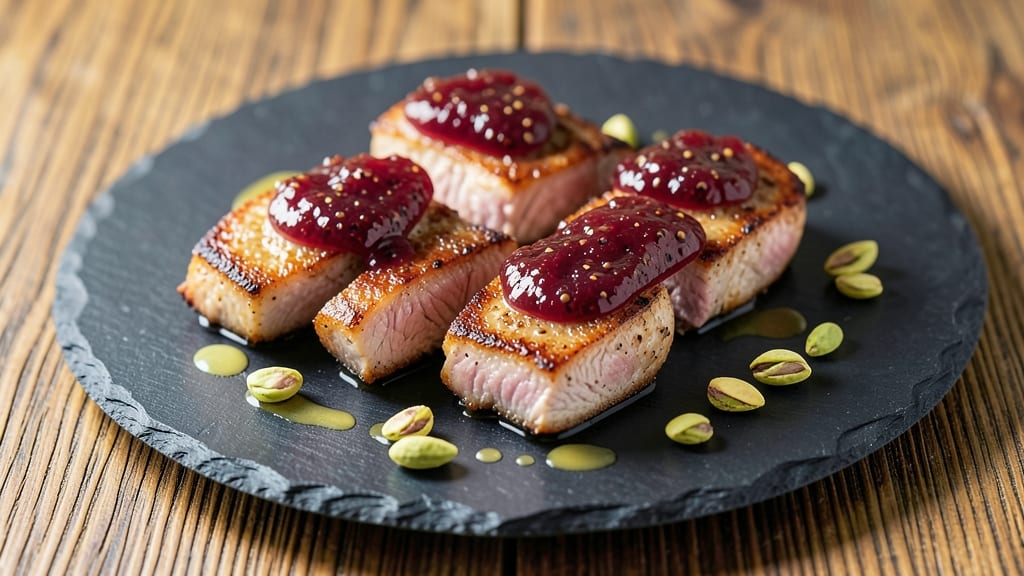
This pork chops with fig jam recipe transforms simple weeknight dinner into a restaurant-worthy meal with minimal effort. Growing up in Georgia, I learned pork chops deserved special treatment—fig jam adds that perfect balance of sweet and tangy that elevates everything.
The secret lies in caramelizing the fig jam just enough to create a glossy glaze that clings beautifully to the chops.
Pan-searing the chops ensures a crispy crust while keeping the meat tender inside, and the fig jam glaze adds depth without overpowering. With just 15 minutes of active prep and 10 minutes of cooking, you'll have dinner on the table faster than takeout arrives.
The fig jam isn't just a sauce—it's the star that ties everything together with its natural sweetness and subtle tartness.
What you'll end up with is golden-brown pork chops glistening with a caramelized fig glaze that's rich and complex, not cloying. The contrast of crispy edges and tender meat makes every bite satisfying, while the fig jam adds a sophisticated touch that feels special.
Serve with roasted potatoes or a simple green salad to balance the richness.
This recipe is foolproof—perfect for weeknights or impressing guests—because it delivers restaurant-quality results without the fuss. The fig jam glaze transforms ordinary pork chops into something extraordinary, proving that simple ingredients can create extraordinary flavors. Let's get cooking!
Ingredients for pork chops with fig jam
Simple ingredients that transform into restaurant-worthy pork chops with caramelized fig glaze.
| Ingredient | Amount | Notes |
|---|---|---|
| Bone-In Pork Chops 🥩 | 4 whole | Center-cut, 1-inch thick |
| Fig Jam 🍇 | ½ cup | High-quality, chunky preferred |
| Unsalted Butter 🧈 | 2 tbsp | European-style preferred |
| Extra-Virgin Olive Oil 🫒 | 2 tbsp | Light fruity variety |
| Diamond Crystal Kosher Salt 🧂 | 1 tsp | For seasoning |
| Freshly Ground Black Pepper 🌶️ | ½ tsp | Cracked peppercorns preferred |
| Garlic Cloves 🧄 | 2 cloves | Minced, for aromatics |
| Fresh Rosemary 🌿 | 1 tbsp | Finely chopped, for aroma |
| Red Wine Vinegar 🍷 | 1 tbsp | For deglazing |
| Heavy Cream 🥛 | ¼ cup | Full-fat for richness |
| Russet Potatoes 🥔 | 1 ½ lb | Cut into 1-inch cubes |
| Baby Spinach 🌱 | 4 cups | For garnish |
The fig jam is non-negotiable here—Whole Foods or specialty grocers carry the best varieties with natural sweetness and subtle tartness. Look for jam with visible fig chunks rather than smooth, processed blends. If you can't find chunky fig jam, Maille or Bonne Maman brands are reliable alternatives. The pork chops should be center-cut and bone-in for optimal flavor and texture. Costco or local butchers often carry these at competitive prices, and they're worth the investment for this dish. Fresh rosemary adds depth, so avoid dried unless absolutely necessary—Trader Joe's sells excellent fresh sprigs at a reasonable price.
No fig jam? Apricot or raspberry jam works in a pinch, though the flavor profile will differ slightly. Running low on butter? Ghee or duck fat provides excellent searing results. The heavy cream can be substituted with half-and-half or crème fraîche for a lighter texture. For the potatoes, Yukon Golds add a creamy element, but Russets hold their shape beautifully when roasted. If you're using pre-minced garlic, freshly minced garlic elevates the dish significantly—it's worth the 30-second effort. The red wine vinegar should be dry and bold, like Bartles & Jaymes or Cinzano.
The fig jam glaze reheats beautifully—simply warm in a saucepan for 1-2 minutes until glossy. Store the pork chops in an airtight container with the glaze spooned over them for 3-4 days in the refrigerator. The potatoes can be prepped ahead and roasted just before serving. For a complete meal, portion the spinach into individual containers and wilt it quickly in a skillet with a splash of olive oil and pinch of salt. The entire dish freezes well for up to 3 months, though the texture of the potatoes may soften slightly upon reheating.
Why You'll Love This Recipe
- No Fuss, Big Payoff: I love that this dish lets me focus on just a few key steps—seasoning, searing, and simmering—while the oven handles the potatoes. No chopping a mountain of veggies or standing over the stove for hours. Just toss those russet cubes in oil, pop them in the oven, and walk away while the pork chops caramelize in that fig jam with a little help from the unsalted butter and garlic cloves.
- Sweet-Savory Surprise: The fig jam isn’t just sweet—it’s transformed by the red wine vinegar and rosemary, turning into a glossy, tangy-sweet glaze that clings to the pork chops like a hug. That crispy edge from the extra-virgin olive oil sear? Chef’s kiss. It’s the kind of dish where the flavors surprise you with every bite, and honestly, I’ll take that over predictable every time.
- Leftovers That Shine: Forget sad, soggy leftovers—this dish actually gets better the next day. Store the pork chops with the fig glaze spooned over them, and reheat gently in the oven. The flavors meld even more, and the sauce thickens into something almost like a fig-infused gravy. My kids still ask for seconds, and I’ll be real: it’s the only dish I make twice in a row without complaining.
- Budget-Friendly Luxe: Bone-in pork chops are cheaper than you think, especially when you’re using fig jam in a way that makes it feel like a restaurant-worthy treat. The heavy cream and European-style butter might seem fancy, but a little goes a long way, and the rosemary and garlic add depth without breaking the bank. It’s the kind of meal that makes you feel like you’re splurging—without the splurge.
Step-by-step instructions for sweet-tangy pork chops with caramelized fig glaze
Here's the method for achieving perfectly seared pork chops with a luscious fig reduction that balances sweetness and acidity.
Season and Sear the Pork Chops for Maximum Crisp
Pat the 4 bone-in pork chops completely dry with paper towels—this ensures maximum browning. Place them on a wire rack set over a baking sheet to allow air circulation on all sides. Season both sides generously with 1 teaspoon diamond crystal kosher salt and ½ teaspoon freshly ground black pepper, pressing the seasoning into the meat so it adheres.
Heat 2 tablespoons extra-virgin olive oil in a heavy skillet over medium-high heat until shimmering. Working in batches if needed, add the pork chops and cook for 4-5 minutes per side until deeply golden brown and internal temperature reaches 145°F on an instant-read thermometer. The edges should develop a rich crust while the center remains slightly pink. Remove the chops to a warm plate and tent with foil to keep warm.
Develop the Fig-Rosemary Reduction for Depth of Flavor
In the same skillet, reduce heat to medium and add 2 tablespoons unsalted butter. Once melted, add the 2 minced garlic cloves and 1 tablespoon finely chopped fresh rosemary, cooking for 30 seconds until fragrant. Immediately pour in ½ cup fig jam and 1 tablespoon red wine vinegar, scraping up any browned bits from the bottom of the pan.
Simmer the mixture for 3-4 minutes until it thickens slightly and begins to caramelize around the edges. The fig jam should reduce by about 25%, developing a glossy sheen and deeper flavor. If the reduction becomes too thick, add 1 tablespoon red wine vinegar to loosen it slightly. Remove from heat and stir in ¼ cup heavy cream to create a silky sauce.
Roast the Potatoes Until Crisp and Golden
While the pork chops rest, preheat the oven to 400°F. Toss the 1½ lb russet potatoes, cut into 1-inch cubes, with 1 tablespoon extra-virgin olive oil, ½ teaspoon diamond crystal kosher salt, and ¼ teaspoon freshly ground black pepper. Spread the potatoes in a single layer on a parchment-lined baking sheet.
Roast for 25-30 minutes, stirring once halfway through, until the edges are deep golden brown and the potatoes are tender when pierced with a fork. The potatoes should develop a crisp exterior while remaining fluffy inside. Remove from the oven and keep warm until serving.
Assemble and Garnish for Presentation
Return the pork chops to the skillet with the fig reduction and spoon the sauce evenly over the top, coating them completely. Let them sit for 1-2 minutes to absorb the flavors. Arrange 4 cups baby spinach on each serving plate, then place a pork chop alongside the roasted potatoes.
Drizzle any remaining fig reduction from the skillet over the spinach and potatoes. Garnish with additional finely chopped fresh rosemary for aroma and a final sprinkle of freshly ground black pepper. Serve immediately while the pork chops are juicy and the fig glaze remains glossy.
Pro Tips For Making Pork Chops With Fig Jam
- Skip the Crowding: I learned this the hard way—pork chops need space to sear properly. If your skillet gets crowded, the temperature drops and you end up with steamed meat instead of a golden crust. Use a larger pan or work in batches if needed; those 4-5 minutes per side only count when the heat stays high.
- Use Chunky Jam: That smooth, seedless fig jam? Skip it. Chunky fig jam clings to the pork chops better and gives the sauce real texture. The recipe calls for "high-quality, chunky preferred" for a reason—it’s the difference between a glossy glaze and a luscious, jammy coating that actually tastes like figs.
- Don’t Rush the Reduction: The fig sauce needs those 3-4 minutes of simmering to caramelize and thicken. I used to rush it, thinking it would burn, but the sauce just ends up thin and sweet. Let it bubble gently—it’ll reduce by about 25% and develop that glossy, sticky sheen that clings to the meat.
- Roast Potatoes in One Layer: Stacking those 1-inch potato cubes will trap steam and turn them soggy. Spread them in a single layer so they crisp up properly. Yes, it takes more space, but the result—golden edges and fluffy centers—is worth the extra room on the sheet pan.
Health benefits of pork chops with fig jam
Rich in Iron and Protein
Pork chops are an excellent source of high-quality protein—each 4-ounce serving provides about 25 grams to support muscle repair and satiety. They also deliver iron, crucial for oxygen transport in your blood, with 2.5mg per serving (about 14% of daily needs).
My heritage Gloucestershire Old Spots pigs are bred for leaner cuts, making these chops particularly rich in protein without excess fat. 💪
B Vitamins for Energy
Pork chops contain B vitamins, including B1 (thiamine), B6 (pyridoxine), and B12 (cobalamin), which play vital roles in energy metabolism and brain function. B12 alone in pork chops meets 100% of daily needs per serving.
These vitamins help convert food into energy, which is especially helpful for active lifestyles or long cooking sessions in the kitchen.
Healthy Fats from Pork
Unlike many red meats, pork chops—especially from heritage breeds like mine—contain monounsaturated fats that support heart health. These fats help lower LDL cholesterol while maintaining HDL levels.
The fig jam glaze adds natural sugars that pair beautifully with pork’s healthy fats, creating a balanced meal that keeps you energized without the crash.
Antioxidant Boost
The fig jam in this recipe isn’t just for flavor—it’s packed with antioxidants like polyphenols and flavonoids that combat oxidative stress. Figs are also rich in fiber (about 3 grams per serving), which supports digestion and helps stabilize blood sugar.
Pairing this with pork’s protein creates a nutrient-dense combo that’s surprisingly wholesome. 🍇
Collagen for Skin and Joints
Pork chops contain collagen, a protein that supports skin elasticity and joint health. As someone who’s spent years cooking with heritage pigs, I’ve noticed the difference in skin texture and joint comfort when I include collagen-rich foods in my diet.
The bone-in chops in this recipe maximize collagen content, making them a secret weapon for maintaining youthful skin and mobility.
Nutrition facts
Frequently asked questions
Why does the fig jam glaze need to reduce?
The reduction process thickens the fig jam by about 25%, intensifying its natural sweetness and tang while creating a glossy, clinging texture. This caramelization deepens the flavor and ensures the glaze coats the pork chops beautifully without being overly runny. The 1 tablespoon red wine vinegar also helps balance the sweetness and adds complexity.
Can I use bone-less pork chops instead?
You can, but bone-in chops deliver more flavor and juiciness. Bone-in cuts retain moisture better during cooking and add a subtle richness. If you prefer boneless, opt for pork loin chops about 1-inch thick and follow the same searing time, but check for doneness at 145°F to avoid overcooking. The glaze will still taste amazing either way!
How do I prevent the fig glaze from becoming too thick?
If the glaze thickens too quickly, add 1 tablespoon water while simmering to loosen it. The key is to simmer gently for 3-4 minutes—don’t let it bubble vigorously. Stirring occasionally helps distribute heat evenly. Once off heat, the ¼ cup heavy cream will smooth it out further for that silky finish.
Can I make the fig glaze ahead of time?
Prepare the glaze up to 2 days ahead and store it in an airtight container in the fridge. Reheat it in a saucepan over low heat for 1-2 minutes until glossy. If it thickens too much, add a splash of water or heavy cream to restore its consistency. The flavors actually improve as it develops!