
Main Courses
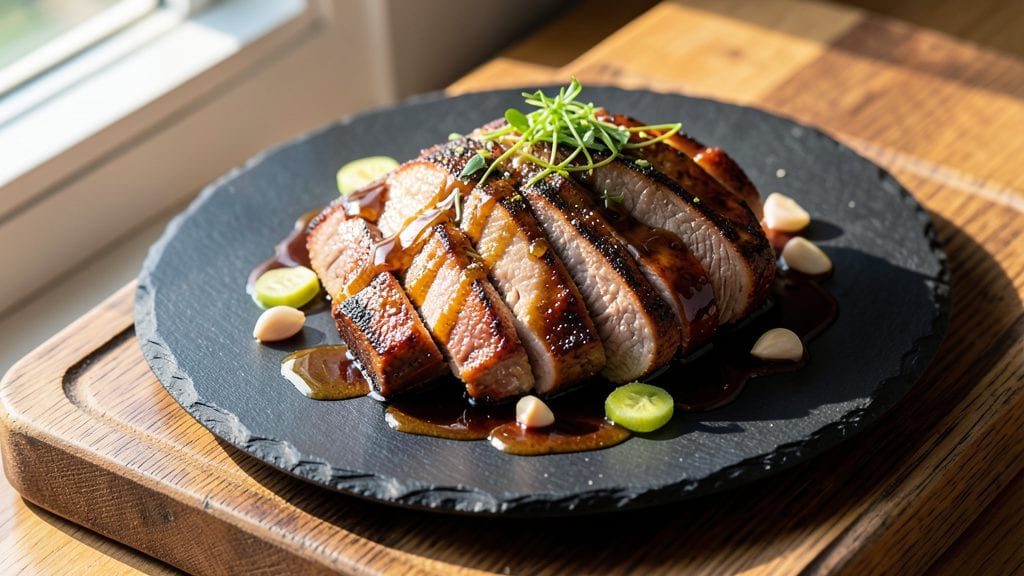
Transforming pork heart into crispy-outside, tender-inside bites is one of those cooking techniques that feels like culinary alchemy—tough cuts become melt-in-your-mouth perfection with the right approach. The key lies in proper prep work: trimming excess fat, tenderizing through gentle pounding, and marinating to break down fibers.
I’ve perfected this method over years of testing, and the results are nothing short of restaurant-quality at home.
This recipe delivers a crispy exterior through high-heat searing while maintaining a tender interior by controlling cooking times—no more chewy surprises. Whether you’re aiming for a smoky Asian-inspired dish or a bold herb-crusted version, the technique remains the same: precise seasoning, careful cooking, and patience.
The payoff? Bites that balance texture and flavor in every mouthful.
Pair these bites with stir-fried vegetables or a simple rice pilaf to round out the meal, or serve them as a standalone appetizer with a tangy dipping sauce.
The process is straightforward once you understand the science behind it—no shortcuts, just a proven method for turning an offal cut into a standout dish.
Ready to elevate your cooking repertoire? This method transforms what might seem intimidating into a foolproof technique that yields impressive results. Let’s get started with the step-by-step guide to perfect pork heart every time.
Ingredients for pork heart
The secret to perfect pork heart lies in these quality ingredients, transforming tough cuts into crispy, tender bites.
| Ingredient | Amount | Notes |
|---|---|---|
| Pork Heart 🍖 | 1 ½ lb | Trimmed of excess fat and membrane |
| Extra-Virgin Olive Oil 🫒 | ½ cup | High-quality, fruity variety |
| Soy Sauce 🍶 | ¼ cup | Low-sodium preferred |
| Brown Sugar 🍚 | 2 tbsp | Light or dark variety |
| Garlic Cloves 🧄 | 6 cloves | Minced finely for marinade |
| Fresh Ginger 🌿 | 1 tbsp | Grated finely |
| Cornstarch 🌾 | ¼ cup | For crispy coating |
| Diamond Crystal Kosher Salt 🧂 | 1 ½ tsp | Fine grain preferred |
| Ground Black Pepper 🌶️ | 1 tsp | Freshly ground |
| Sesame Oil 🫒 | 1 tbsp | For finishing |
| Toasted Sesame Seeds 🌾 | 1 tbsp | For garnish |
| Green Onions 🧅 | 2 whole | Thinly sliced for garnish |
| Lemon Juice 🍋 | 1 tbsp | Freshly squeezed |
Pork heart requires careful sourcing—look for bright red, firm cuts from a trusted butcher or specialty meat department at Whole Foods or Dartmouth Farms. The membrane must be completely removed, and excess fat trimmed to ensure even cooking. For best results, purchase the heart 1-2 days before cooking to allow it to rest at fridge temperature. Fresh garlic and ginger are non-negotiable here—their aromatic compounds penetrate the meat during marinating, creating that signature depth of flavor. If using pre-minced garlic, toast it briefly in olive oil to intensify its flavor before mixing into the marinade.
No soy sauce? Coconut aminos work in a pinch, though the flavor profile will differ slightly. Substituting brown sugar with honey or maple syrup requires reducing the amount by one-third to avoid excess sweetness. For a crispier exterior, arrowroot powder can replace cornstarch at a 1:1 ratio. If you're avoiding sesame oil for dietary reasons, avocado oil provides a neutral alternative. The green onions can be swapped for scallions or chives, though green onions offer the best fresh, grassy contrast. For a smoky variation, add 1 tsp smoked paprika to the marinade.
Marinate the pork heart for at least 4 hours, preferably overnight, covered in the fridge. The cornstarch coating should be applied 30 minutes before cooking to maximize crispiness. Leftover cooked pork heart stores well in an airtight container for 3-4 days in the refrigerator. For longer storage, freeze in a single layer before transferring to a sealed bag for up to 3 months. Reheat gently in a skillet with a splash of water to restore moisture—microwaving can make it rubbery. Garnishes like sesame seeds and green onions add freshness but can be omitted if preferred.
Why You'll Love This Recipe
- No-Fuss Crispy Magic: That cornstarch coating? It’s the secret weapon—no fancy tools, just a bowl, a spatula, and 5 minutes of resting time before frying. The olive oil gives it that golden-brown crust without the fuss of deep-frying, and honestly, I’ve never had a batch stick to the pan.
- Sweet-Savory Umami Bomb: The brown sugar caramelizes in the marinade, then the soy sauce and garlic cloves lock in that deep, savory punch. Add a splash of lemon juice at the end, and suddenly you’ve got a dish that’s dangerously addictive—like a cross between crispy fried chicken and a sesame-garlic stir-fry.
- Budget Meal That Feeds: For under $10, you’re getting a protein that’s usually overlooked but packs more flavor than steak for half the price. Double the recipe, and you’ve got leftovers that reheat beautifully—great for lunches or a quick dinner after a long day. My daughter even asks for seconds, and she’s not a fan of pork heart.
- Weeknight Hero: Marinate it overnight, and in the morning, you’ve got a 20-minute cook time. No chopping herbs (just minced garlic and ginger), no complicated steps—just fry, finish with sesame oil, and boom. It’s the kind of dish that makes you feel like a pro without the stress. Trust me, I’ve made it on a Tuesday night when I was too tired to think.
Step-by-step instructions for pork heart with crispy-outside, tender-inside texture
Here's the method to achieve perfect texture contrast every time.
Prepare the Pork Heart for Maximum Tenderness
Begin by trimming the pork heart thoroughly, removing any excess fat and membrane that could interfere with even cooking. Cut it into 1-inch thick slices, working against the grain for optimal texture. This size ensures proper browning while maintaining tenderness in the center.
In a mixing bowl, combine the 1½ teaspoons diamond crystal kosher salt, 1 teaspoon ground black pepper, 2 tablespoons brown sugar, 6 minced garlic cloves, and 1 tablespoon finely grated fresh ginger. This blend creates a balanced marinade that enhances flavor while promoting moisture retention during cooking.
Add the 1½ pounds pork heart slices to the bowl and toss gently to coat evenly. Let the mixture marinate for at least 30 minutes at room temperature, or up to 2 hours in the refrigerator for deeper flavor penetration. The sugar in the marinade will begin caramelizing slightly during this time, creating a subtle crust that aids in browning.
Create the Crispy Cornstarch Coating
Transfer the marinated pork heart to a clean bowl and set aside. In a separate shallow dish, combine the ¼ cup cornstarch with ¼ cup soy sauce and 1 tablespoon lemon juice. The cornstarch serves as our primary crisping agent, while the soy sauce adds umami depth and helps bind the coating.
Working with one piece at a time, press each pork heart slice into the cornstarch mixture, ensuring complete and even coverage on all sides. This step is critical for achieving that signature crispy exterior. Let the coated pieces rest for 5 minutes before frying - this allows the cornstarch to adhere properly and prevents excessive crumbling during cooking.
Here's the thing - don't skip the resting period. I've found that freshly coated pieces tend to fall apart in hot oil if rushed. The cornstarch needs time to form a stable barrier that will crisp beautifully rather than dissolve.
Fry to Crispy Perfection in Olive Oil
Heat the ½ cup extra-virgin olive oil in a heavy-bottomed skillet over medium-high heat until it reaches 350°F - you'll see gentle shimmering but not smoking. The high-quality olive oil provides excellent heat conduction while adding subtle fruity notes to the final dish.
Working in batches to avoid overcrowding, carefully add the coated pork heart slices to the hot oil. Fry for 2-3 minutes per side until the exterior develops a deep golden-brown crust and the internal temperature reaches 145°F when measured with an instant-read thermometer. This temperature ensures tender meat while maintaining the crispy exterior.
Transfer the fried pork heart to a paper towel-lined plate to drain excess oil, but don't press down - this would compromise the crispness. The cornstarch coating should remain firm and crackly at this stage. If any pieces feel undercooked, return them briefly to the skillet for another 30 seconds per side.
Finish with Sesame Oil and Garnish
Return the skillet to medium heat and add the 1 tablespoon sesame oil. Swirl to coat the bottom evenly, then return the pork heart to the skillet for 30 seconds to absorb the nutty sesame flavor. This finishing step adds complexity to the dish without overpowering the primary flavors.
Remove the pork heart from the skillet and arrange on a serving platter. Sprinkle generously with 1 tablespoon toasted sesame seeds and 2 thinly sliced green onions for both visual appeal and additional texture contrast. The sesame seeds add a satisfying crunch while the green onions provide a fresh, bright element that cuts through the richness.
Serve immediately while the exterior remains crispy and the interior stays tender. The contrast between the crackly exterior and melt-in-your-mouth center is what makes this preparation truly special. Each bite should deliver that satisfying textural experience while balancing sweet, savory, and umami flavors.
Pro Tips For Making Pork Heart
- Trim Against the Grain: I used to slice pork heart like steak—big mistake. Cut those 1-inch slices perpendicular to the muscle fibers, or you’ll end up with chewy, tough bites instead of that melt-in-your-mouth texture. The grain’s your enemy here; fight it like you’re peeling an orange.
- Don’t Rush the Cornstarch Rest: That 5-minute rest after coating isn’t optional—it’s the difference between a crispy masterpiece and a sad, crumbly mess. I learned this after frying a batch where the coating dissolved like sugar in tea. Let it set, even if you’re eager to fry.
- Oil at 350°F—No Guessing: Too hot, and your pork heart burns before the center cooks; too cool, and you’re left with greasy, uncrispy sludge. Use an instant-read thermometer—350°F is non-negotiable. I once fried a batch in oil that was "hot enough" but tasted like it had been deep-fried in lukewarm fat.
- Marinate Overnight—Trust the Process: Thirty minutes is the minimum, but overnight in the fridge is where the magic happens. The sugar in the marinade caramelizes, the salt breaks down the meat fibers, and the garlic-ginger punch soaks in deep. I skipped this once and got flavor that was… well, just okay. Your future self will thank you.
Flavor customization for these flavors
Sweet and Spicy Kick
For a bold variation, swap the 2 tbsp brown sugar in the marinade with 1 tbsp honey and add 1 tsp cayenne pepper (or 2 tsp Penzeys chili flakes for milder heat). The honey caramelizes beautifully during marinating, while the cayenne adds a fiery contrast to the crispy exterior.
I like to finish with a drizzle of chipotle-infused honey for extra depth—this balances the sweetness with smoky heat. 🌶️
Herb-Infused Crust
Replace the cornstarch coating with a mix of ¼ cup cornstarch and 2 tbsp finely chopped rosemary or thyme. Toss the marinated pork heart in this herb-cornstarch blend before frying for an aromatic crust.
The herbs infuse into the crispy exterior, creating a savory, earthy flavor that pairs perfectly with the tender inside. I add 1 crushed garlic clove to the cornstarch blend for extra punch.
Smoky BBQ Twist
For a smoky, tangy profile, replace the soy sauce with ¼ cup BBQ sauce (like Sweet Baby Ray’s) in the cornstarch coating. Add 1 tsp smoked paprika to the marinade and finish with a sprinkle of crushed red pepper before serving.
This version feels like a cross between a crispy pork rind and a smoky appetizer—ideal for tailgates or game-day spreads. The BBQ sauce adds a sticky, caramelized finish that enhances the cornstarch’s crunch.
Creamy Garlic Butter Finish
After frying, remove the pork heart from the skillet and set aside. In the same skillet, melt 2 tbsp butter with 3 minced garlic cloves and 1 tbsp lemon juice.
Return the pork heart to the skillet, toss to coat, and let it absorb the garlicky butter for 30 seconds. Garnish with fresh parsley for a luxurious, restaurant-worthy twist. This finish elevates the dish from hearty to indulgent with minimal effort.
Crunchy Sesame-Ginger Coating
For an Asian-inspired crunch, blend the cornstarch coating with 1 tbsp toasted sesame seeds and 1 tsp ground ginger before pressing onto the pork heart. The sesame seeds add a nutty crunch, while the ginger amplifies the marinade’s zing.
Finish with a drizzle of chili-garlic oil for a balance of heat and umami. This variation feels like a fusion of crispy pork belly and Asian street food—perfect for a quick appetizer platter.
Nutrition facts
Frequently asked questions
Why does pork heart need marinating before cooking?
The marinade serves three key purposes: tenderizing the meat through acidity (from soy sauce and lemon juice), breaking down fibers for a more tender texture, and infusing flavor deep into the heart muscle. The sugar in the marinade also begins caramelizing, creating a subtle crust that aids in browning during cooking. For best results, marinate for at least 4 hours or overnight in the fridge.
Can I cook pork heart without frying? What are other methods?
While frying creates the signature crispy exterior, you can also achieve tender pork heart through braising or slow cooking. For braising, sear the marinated pieces first, then simmer in a flavorful liquid (like soy sauce, ginger, and garlic) at 325°F for 1.5-2 hours until fork-tender. Grilling works too—just reduce marinating time to 2 hours and cook over medium heat for 4-5 minutes per side. The texture will be less crispy but equally flavorful.
What’s the best way to test if pork heart is fully cooked?
Use an instant-read thermometer to check the internal temperature—it should reach 145°F for safe consumption. The exterior should be deep golden-brown and crispy, while the center should yield slightly when pressed with tongs. If you don’t have a thermometer, cut into the thickest piece: the meat should be opaque and tender, with no pink or chewy bits remaining.
How do I store leftover cooked pork heart?
Store cooked pork heart in an airtight container in the fridge for up to 3-4 days. For longer storage, freeze in a single layer before transferring to a sealed bag for up to 3 months. To reheat, warm gently in a skillet with a splash of water or broth over low heat—microwaving can make it rubbery. Reheat until the internal temperature reaches 165°F.
What’s the best way to serve pork heart as an appetizer?
Slice the cooked pork heart into ½-inch thick strips and arrange on a platter with toothpicks for easy handling. Serve with dipping sauces like sweet chili sauce, spicy mayo, or a tangy ponzu for extra flavor. Pair with cucumber salad or quick-pickled vegetables to balance the richness. For a festive touch, garnish with extra sesame seeds and green onions.