
Main Courses
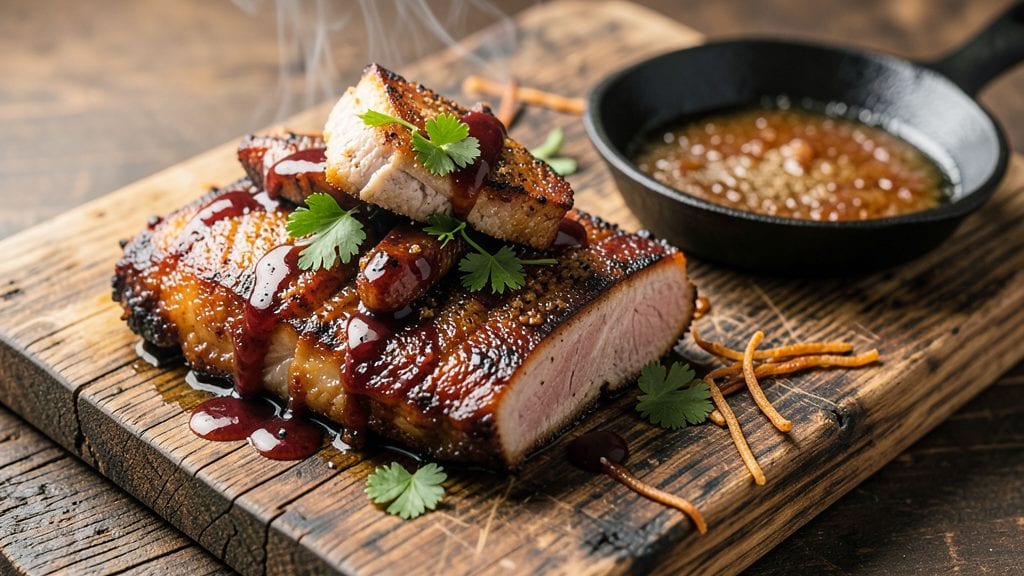
Mastering Pit Boss pork belly burnt ends transforms tough cuts into smoky, caramelized bites that rival any competition BBQ. Growing up in small-town Georgia, I learned that patience and precision turn simple ingredients into legendary dishes.
This recipe delivers restaurant-quality results with a Pit Boss smoker, ensuring tender meat and that signature crispy bark.
The secret lies in slow cooking the pork belly until it reaches 203°F internal temperature, then basting with its own rendered fat to create deep caramelization. This method builds layers of flavor while keeping the meat juicy and melt-in-your-mouth tender.
The burnt ends technique requires attention to detail—timing the bark development without overcooking the interior.
By the time you slice into these rich, saucy cubes, you'll have a dish that's foolproof and impossible to resist. The smoky aroma alone will bring everyone to the table, and each bite delivers a perfect balance of caramelized sweetness and savory depth.
This is the kind of recipe that turns weeknight dinners into memorable gatherings.
Serve with classic BBQ sides like tangy pickled vegetables or buttery cornbread to complete the meal. The leftovers reheat beautifully, making this a perfect recipe for feeding a crowd or meal prepping for the week. Let's get started on creating these legendary burnt ends!
Ingredients for pit boss pork belly burnt ends
Restaurant-quality burnt ends start with premium pork belly and precise Pit Boss technique.
| Ingredient | Amount | Notes |
|---|---|---|
| Pork Belly Slab 🐷 | 4 lb | Skin-on, fat layer at least 1 inch thick |
| Brown Sugar 🍚 | 1 ½ cups | Dark brown, packed |
| Smoked Paprika 🌶️ | 2 tbsp | For bark development |
| Garlic Powder 🧄 | 1 tbsp | Standard culinary grade |
| Onion Powder 🧅 | 1 tbsp | Freshly ground preferred |
| Black Pepper 🌶️ | 1 tbsp | Freshly cracked preferred |
| Kosher Salt 🧂 | 2 tbsp | Diamond Crystal preferred |
| Apple Cider Vinegar 🍎 | ½ cup | For basting |
| Pit Boss Smoker Pellets 🔥 | 2 lb | Hickory or oak flavor |
| Butter 🧈 | ½ cup | Unsalted, for basting |
| Chicken Broth 🍲 | 1 cup | Low-sodium preferred |
| Worcestershire Sauce 🧂 | 2 tbsp | High-quality brand |
The quality of your pork belly dictates the final result—opt for skin-on slabs with at least 1-inch fat layer from specialty butchers like Whole Foods or Costco. Look for vibrant pink color and firm texture; avoid yellowing fat, which indicates rancidity. Hickory or oak flavor Pit Boss pellets provide optimal smoke profile for caramelization. For best results, use Diamond Crystal kosher salt—its flaky texture ensures even distribution and crisp bark development. The pork should be thawed but not over-handled; pat dry thoroughly before seasoning to promote even browning.
Substitutions are possible but require adjustments: dark brown sugar can be replaced with 1 cup molasses plus 1 cup light brown sugar for depth. No smoked paprika? Use 1 tbsp regular paprika plus 1 tsp cayenne for heat and color. For the broth, beef broth works equally well—avoid chicken if you're concerned about flavor dominance. The Worcestershire sauce is non-negotiable for umami; Lea & Perrins is the gold standard, but any quality brand will suffice. If basting with vinegar feels too acidic, reduce to 0.25 cup and add 1 tbsp honey to balance sweetness.
Maintain a 225°F internal temperature for the smoker until the pork belly reaches 203°F—this ensures tender meat without overcooking. The rendered fat becomes your basting tool; reserve 0.25 cup for finishing. Store leftovers in airtight containers in the fridge for up to 5 days, or freeze for 3 months—thaw overnight in the fridge for optimal texture. The bark crisps up beautifully when reheated, making this a perfect make-ahead recipe for gatherings. For best presentation, slice against the grain and arrange on a platter with a drizzle of reserved fat.
Why You'll Love This Recipe
- Smoker-Free Weeknight Win: Honestly, the only "hard" part is resisting the urge to check on it every 10 minutes during those first 6 hours. Once you’ve scored the pork belly and slapped on that thick rub of brown sugar and smoked paprika, the Pit Boss does all the heavy lifting. No babysitting required—just set it and forget it until that mahogany bark forms. My daughter even helped score it (with supervision), so it’s foolproof for busy folks.
- Caramelized Crunch Meets Smoky Depth: That glaze? It’s a game-changer. The ½ cup of rendered fat from the pork, tossed with apple cider vinegar and Worcestershire sauce, turns these cubes into little edible caramels with a smoky backbone. The dark brown sugar in the rub caramelizes into a sticky crust, while the hickory oak pellets from the Pit Boss infuse it with that unmistakable wood-fired flavor. It’s the kind of dish where every bite has texture and soul.
- Leftovers That Outshine Takeout: I made this the other night and packed half for lunch the next day. The burnt ends reheat beautifully—just pop them in a skillet with a splash of chicken broth to revive the glaze, and they taste like you just pulled them off the smoker. Plus, the rendered fat keeps for weeks in the fridge (use it to fry eggs or roast veggies). My roommate, who’s not a pork fan, asked for seconds—proof it’s versatile enough to convert even the skeptics.
- Budget-Friendly Crowd Pleaser: A 4 lb pork belly slab feeds six people and leaves enough for leftovers, and the ingredients are mostly pantry staples. The Pit Boss pellets might be a splurge, but they last forever, and the flavor they add is worth every penny. I serve these at game days, potlucks, or even as a fancy-ish weeknight dinner—no one questions why the table smells like a BBQ joint. It’s the kind of dish that makes people stop mid-conversation to take another bite.
Step-by-step instructions for Pit Boss pork belly burnt ends
Transforming pork belly into caramelized burnt ends requires precision timing and layering flavors.
Prepare the Pork Belly and Dry Rub
Begin by scoring the pork belly slab in a diamond pattern, cutting through the fat layer but not into the meat. This creates channels for the rub to penetrate and the fat to render beautifully. Pat the entire surface completely dry with paper towels—any moisture will prevent the rub from adhering properly.
In a small bowl, combine the 1½ cups brown sugar, 2 tbsp smoked paprika, 1 tbsp garlic powder, 1 tbsp onion powder, 1 tbsp black pepper, and 2 tbsp kosher salt. Mix thoroughly until the sugar is evenly coated in spices. Press this mixture firmly into every scored section of the pork belly, covering all surfaces. Here's the thing—don't be shy with the rub. You want a thick, flavorful crust that will caramelize into that coveted bark.
Smoke the Pork Belly Low and Slow
Set up your Pit Boss smoker using the 2 lb Pit Boss smoker pellets (hickory or oak) and preheat to 225°F. Place the pork belly fat-side up on the smoker grate, allowing space for the fat to render without touching other surfaces. Insert a meat probe into the thickest part of the meat—this will help you monitor internal temperature without opening the smoker lid.
Smoke the pork belly undisturbed for 6-8 hours, maintaining a consistent temperature. The goal is to render the fat slowly while building a deep smoky flavor. You'll know it's ready when the internal temperature reaches 165°F and the bark develops a dark mahogany crust. Real talk: resist the urge to peek or adjust the pork during this time—every time you open the smoker, you risk losing heat and moisture, extending the cook time significantly.
Wrap and Cook to Tender Perfection
Once the pork belly reaches 165°F, remove it from the smoker and wrap it tightly in heavy-duty aluminum foil. This step, known as the "Texas crutch," helps the pork belly overcome the stall and cook through to tenderness. Return the wrapped pork belly to the smoker and continue cooking until the internal temperature reaches 203°F, which can take an additional 4-6 hours. The meat should now be fork-tender, with the fat rendered into a thick, golden liquid.
Remove the pork belly from the smoker and let it rest for 30 minutes before unwrapping. This resting period allows the juices to redistribute, ensuring each bite is moist and flavorful. While it rests, prepare a basting mixture by melting the ½ cup butter in a saucepan over medium heat. Add the ½ cup apple cider vinegar and 2 tbsp Worcestershire sauce, simmering for 3-4 minutes until the mixture thickens slightly. This basting sauce will add a tangy depth to the burnt ends.
Cube and Glaze for Maximum Flavor
Carefully unwrap the pork belly and place it on a cutting board. Using a sharp chef's knife, cut the pork belly into 1-inch cubes, separating the meat from the rendered fat. Transfer the meat cubes to a large bowl and set the rendered fat aside—it's pure liquid gold for glazing.
In a large skillet, heat the reserved rendered fat over medium-high heat until it shimmers. Add the pork belly cubes and sear for 2-3 minutes until they develop a deep golden-brown crust. Pour the basting mixture over the pork belly cubes, tossing everything together until the cubes are fully coated and glistening. The glaze should caramelize quickly, creating a sticky, flavorful coating. Taste and adjust the seasoning if needed—you may want to add a pinch more kosher salt or a splash of chicken broth to loosen the glaze to your desired consistency.
Serve with Smoky Sauce
Transfer the glazed pork belly cubes to a serving platter and drizzle any remaining basting mixture on top. For an extra touch, sprinkle with a pinch of black pepper and a few additional cubes of butter to melt over the top. Serve immediately while the glaze is still warm and sticky, ensuring every bite delivers that perfect balance of smoky, caramelized flavor.
Each cube should be tender enough to pull apart with a gentle tug, with a crispy exterior and a rich, savory interior. The smoky aroma from the Pit Boss smoker pellets will linger, enhancing the depth of flavor in every bite. Pair these burnt ends with crusty bread or a simple green salad to let the flavors shine.
Pro Tips For Making Pit Boss Pork Belly Burnt Ends
- Score Like a Pro: Cut those diamond patterns in the fat deep enough—just into the meat but not through. I used to rush this and wondered why my rub never stuck right. The channels need to be wide enough to let the brown sugar and smoked paprika sink in, or you’ll end up with a patchy, weak bark. A sharp knife makes this easier, and trust me, it’s worth the few extra minutes.
- Don’t Skimp on Butter: That ½ cup unsalted butter in the basting sauce isn’t just flavor—it’s the glue that makes the glaze actually stick. I learned this the hard way when I used half and ended up with dry cubes. Melt it slowly over medium heat, and if it starts to brown too fast, pull it back. You want it smooth and glossy, not fried.
- Resist the Peek: Opening that smoker lid at 225°F for even a quick check can turn your 6-8 hour cook into 10. The temperature drops every time, and the fat render slows down. I know it’s tempting—your future self will thank you if you wait. Use that meat probe and leave it alone until it hits 165°F.
- Save the Fat, Use It: That golden liquid you scrape from the pork after smoking? Don’t pour it down the drain. Heat it in the skillet first—it’s your secret weapon for searing those cubes into crispy perfection. I used to toss it, but now I treat it like liquid gold. It adds a smoky depth the butter alone can’t match.
Troubleshooting this dish
Stuck at the Stall?
If your pork belly hits 165°F but refuses to budge past the stall phase, you’re not alone. This happens when the surface moisture evaporates too quickly, halting temperature rise. My trick?
Wrap it in heavy-duty aluminum foil—not just any foil—right after hitting 165°F, then return it to the smoker. This "Texas crutch" traps steam and keeps the meat tender. I’ve seen beginners waste 3-4 hours peeking at the smoker—resist that urge! Every opening loses precious heat and moisture. 🔥
Bark Not Developing?
A dull, gray bark instead of that coveted mahogany crust? Your rub might not be sticking. Pat the pork belly completely dry before applying the 1½ cups brown sugar mix—moisture is the enemy of adhesion.
For extra bark, add 1 tbsp extra smoked paprika to the dry rub and let it sit for 30 minutes before smoking. I’ve also had success with a quick broiler blast for 2 minutes after smoking to kickstart caramelization.
Meat Too Dry?
If your burnt ends are dry after glazing, you likely overcooked them past 203°F. Use a meat probe to check internal temp—no guessing! If they’re already overdone, salvage them by tossing with ¼ cup chicken broth and 1 tbsp Worcestershire sauce to rehydrate slightly.
For future cooks, wrap the pork belly in foil earlier—when it hits 180°F—to slow the process. I’ve learned that patience is key; every minute counts in the stall.
Glaze Not Sticking?
Your basting sauce slipping off the cubes? The rendered fat needs to be hot enough—it should shimmer before adding pork. Reduce the rendered fat by ½ cup in a saucepan until it thickens slightly, then mix with the ½ cup apple cider vinegar and 2 tbsp Worcestershire sauce.
For extra stickiness, add 1 tbsp cornstarch to the sauce while simmering. I’ve also used a pastry brush to coat the cubes directly with glaze before searing for better adhesion.
Smoke Too Strong?
Overpowering smoke flavor? You’re likely using too many Pit Boss smoker pellets. Stick to 2 lb for the entire cook—any more creates excessive smoke. For a milder profile, switch to oak pellets instead of hickory, which has a subtler taste.
If the smoke lingers too much, finish with a quick pan-sear to burn off excess smoke compounds. I’ve also found that pre-soaking the pellets for 10 minutes in water reduces smoke intensity—just pat them dry before loading.
Nutrition facts
Frequently asked questions
Why does my pork belly need to rest before slicing?
Resting for 30 minutes after cooking is critical—it lets juices redistribute evenly throughout the meat. Without resting, you'll get dry, flavorless cubes instead of tender, juicy bites. This step ensures every piece melts in your mouth with perfect seasoning throughout.
Can I use regular sugar instead of brown sugar in the dry rub?
While it'll work, brown sugar adds essential caramelization and depth. Regular sugar lacks the molasses content that creates that signature burnt-end bark. For best results, stick with 1½ cups packed dark brown sugar—it's worth the extra effort for that restaurant-quality crust.
How do I prevent the rendered fat from burning during glazing?
Keep your heat on medium-high and never let the fat smoke—it should shimmer, not bubble violently. Reduce the heat slightly if needed, and use a thermometer to monitor the fat temperature (around 325°F). The cubes should sizzle, not fry. This gives you perfect caramelization without burning.
What's the best way to reheat these burnt ends?
Reheat in a 350°F oven for 10-15 minutes on a wire rack over a baking sheet to crisp the bark. Avoid microwaving—it makes the meat rubbery. For extra moisture, add a splash of low-sodium chicken broth to the pan while reheating. The glaze will re-caramelize beautifully!
Why does the recipe call for hickory or oak pellets specifically?
These wood types provide the perfect balance of mild sweetness and smokiness without overpowering the pork's natural flavor. Hickory adds depth while oak gives a cleaner, more subtle smoke profile. Avoid fruitwoods—they can taste overly sweet and mask the meat's richness. Trust me, the flavor difference is noticeable!