
Main Courses
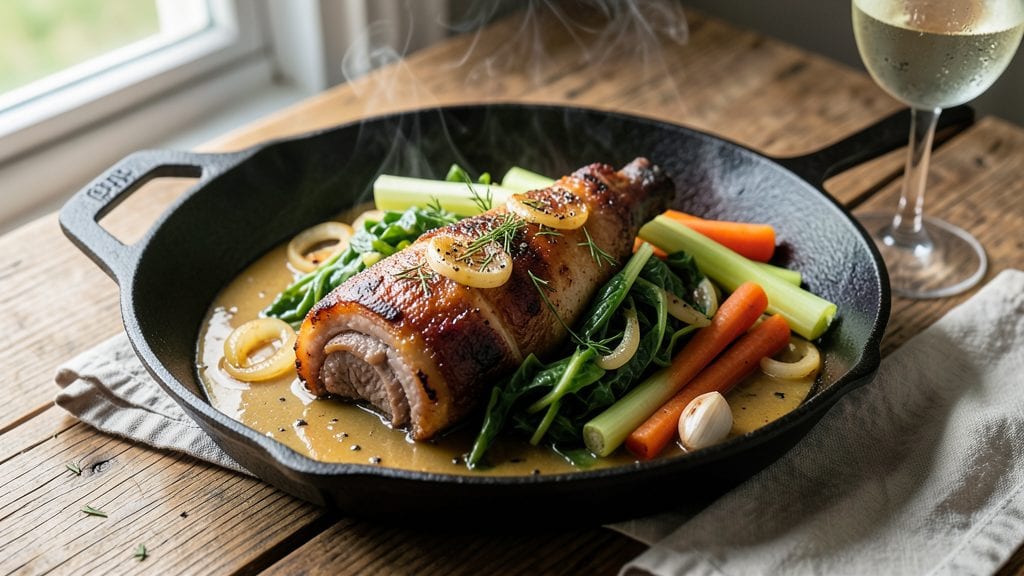
This pork hocks and sauerkraut recipe delivers the kind of slow-cooked richness that transforms tough cuts into melt-in-your-mouth tenderness with every bite. Growing up in small-town Georgia, I learned that pork hocks—often overlooked—hold incredible potential when given time and care.
The tangy depth of sauerkraut cuts through the meat's richness, creating a balance that's both comforting and complex.
What makes this dish special is the low-and-slow cooking method, which breaks down collagen-rich pork hocks into succulent, flavorful meat while infusing the sauerkraut with aromatic spices. The key lies in patience—simmering for hours until the liquid reduces to a glossy, savory glaze that clings to every bite.
This isn't just a recipe; it's a technique that turns simple ingredients into something extraordinary.
The result is a dish that's hearty enough for a family dinner but refined enough for a special occasion—tender pork hocks falling from the bone, surrounded by sauerkraut that's softened just enough to absorb all the flavors.
The aroma alone will have everyone gathering at the table, and the first bite delivers that perfect harmony of smoky, tangy, and savory notes.
Serve it with creamy mashed potatoes or buttery dumplings to soak up every last drop of that rich braising liquid. This is the kind of meal that feels like a hug on a plate—warm, satisfying, and full of love. Let's get cooking!
Ingredients for pork hocks and sauerkraut
Pork hocks and sauerkraut transform humble ingredients into a slow-cooked masterpiece of smoky depth and tangy brightness.
| Ingredient | Amount | Notes |
|---|---|---|
| Pork Hocks 🐖 | 2 whole | Fresh, bone-in, skin-on preferred |
| Sauerkraut 🥬 | 2 cups | Unpasteurized for authentic tang |
| Yellow Onion 🧅 | 1 whole | Medium, sliced into half-moons |
| Carrots 🥕 | 3 whole | Medium, cut into thick chunks |
| Celery Stalks 🌿 | 3 whole | Fresh, cut into 1-inch pieces |
| Garlic Cloves 🧄 | 6 cloves | Peeled, lightly crushed |
| Bay Leaves 🍃 | 2 whole | Fresh if available, dried otherwise |
| Black Peppercorns 🌶️ | 1 tbsp | Coarsely cracked, not ground |
| Juniper Berries 🌿 | 5 whole | Lightly crushed, optional but recommended |
| Apple Cider Vinegar 🍏 | ¼ cup | Organic, for depth of flavor |
| Beef Broth 💧 | 2 cups | Homemade or high-quality store-bought |
| Whole Grain Mustard 🍯 | 1 tbsp | Dijon or whole grain preferred |
| Fresh Thyme 🌿 | 2 sprigs | Stems removed, leaves only |
| Salt 🧂 | 2 tsp | Diamond Crystal kosher preferred |
| Dark Brown Sugar 🍚 | 2 tbsp | Packed, for caramelization |
The pork hocks are the foundation—look for fresh, bone-in cuts with good marbling at your local butcher or Whole Foods. The skin should be intact, and the meat should feel firm but not hard. If you can't find fresh, frozen pork hocks work well too, just thaw them overnight in the fridge. Sauerkraut quality matters: unpasteurized is essential for that authentic tang, and brands like Bubbies or Rehrl are top-tier. Avoid anything with added vinegar or preservatives—those cut through the natural flavors. For the aromatic vegetables, organic celery and carrots add a cleaner, brighter taste, but conventional works fine if you're in a pinch.
No juniper berries? Substitute with 1 tsp of allspice or a pinch of clove—it won’t be identical, but it’ll still add warmth. Short on apple cider vinegar? White wine vinegar or lemon juice works in a bind, though the flavor profile shifts slightly. The beef broth can be swapped for chicken broth with an extra splash of Worcestershire sauce if you’re vegetarian-adjacent, but the richness will differ. For the mustard, Dijon is the gold standard, but whole grain adds texture. If you’re using dried thyme, reduce to half the amount—fresh is always better, but dried gets you close. The dark brown sugar can be swapped for muscovado or turbinado for a different depth of caramelization.
Pork hocks should be stored in the fridge for up to 3 days before cooking, though fresh is best. Sauerkraut keeps for months in the fridge once opened, so buy extra—it’s versatile. The cooked dish reheats beautifully: simmer for 10 minutes on the stove or 350°F for 20 minutes until heated through. It’s even better the next day as the flavors meld further. Portion into containers for easy lunches—freezes for 3 months without losing texture. The braising liquid? Save it for dumplings or gravy—it’s liquid gold.
Why You'll Love This Recipe
- One-Pot Magic: Honestly, this is the kind of recipe that makes me forget I’m even cooking. You toss in the pork hocks, sear them golden, and then let the aromatics—onion, carrots, celery—do the heavy lifting while you simmer away. No last-minute chopping frenzies, no pan juggling. Just one pot, and you’re golden.
- Sauerkraut Symphony: Between the tangy sauerkraut, the deep umami from the pork hocks, and that just-right sweetness from the brown sugar, every bite is a flavor explosion. The apple cider vinegar and mustard tie it all together—like a well-orchestrated band where every ingredient knows its part.
- Freezer’s Best Friend: I make this on Sundays and freeze half the pot for weeknight lunches. The pork hocks stay tender, the sauce clings perfectly, and reheating? Just microwave it with a splash of water. It’s the kind of meal that saves your back (and your willpower) when you’re too exhausted to think.
- Budget’s Secret Weapon: Pork hocks are cheaper than you think—especially when you’re using the whole thing, skin and all. The sauerkraut adds probiotic punch without breaking the bank, and those juniper berries? A little goes a long way. For the price of takeout, you’re getting a meal that feels like a restaurant visit.
Step-by-step instructions for slow-cooked pork hocks with sauerkraut
This method delivers melt-in-your-mouth pork with a deep, tangy sauce that balances sweetness and acidity perfectly.
Prepare the Pork Hocks and Aromatics
Rinse the 2 pork hocks under cold water and pat them completely dry with paper towels. This step is critical—moisture prevents proper browning and creates steam instead of a flavorful crust. Place them in a large, heavy pot that can handle at least 2 hours of simmering without boiling over.
In a separate bowl, combine the 1 yellow onion sliced into half-moons, 3 carrots cut into thick chunks, 3 celery stalks cut into 1-inch pieces, 6 cloves garlic lightly crushed, 2 bay leaves, 1 tbsp black peppercorns coarsely cracked, 5 juniper berries lightly crushed, 2 sprigs fresh thyme with stems removed, and 2 tsp salt. This aromatic bundle forms the flavor foundation of your dish.
Sear the Pork Hocks and Build the Base
Heat the pot over medium-high heat until it's very hot. Add the 2 pork hocks and sear them on all sides for 5-6 minutes total, pressing down gently with a spoon to ensure even contact with the hot surface. This creates a deep, caramelized crust that locks in moisture during the long cook.
Remove the pork hocks and set them aside. In the same pot, add 2 tbsp dark brown sugar and let it caramelize for 1-2 minutes until it turns a rich amber color. This step adds complexity to the sauce by developing a subtle sweetness that balances the tang of the sauerkraut.
Simmer the Aromatics and Sauerkraut
Add the prepared aromatic bundle to the pot and cook for 3-4 minutes, stirring occasionally, until the vegetables begin to soften slightly and release their fragrance. Pour in the ¼ cup apple cider vinegar and scrape up any browned bits from the bottom of the pot—these contain concentrated flavor that will dissolve into the sauce.
Add the 2 cups sauerkraut, pressing it down gently with a spoon to submerge it in the liquid. Pour in the 2 cups beef broth and bring the mixture to a gentle simmer. The sauerkraut will release its tangy juices, creating a rich, acidic base for the sauce. Return the pork hocks to the pot, skin-side up, and cover partially with a lid.
Slow Cook to Tender Perfection
Reduce the heat to low and simmer the pork hocks for 2 hours, maintaining a gentle simmer rather than a rolling boil. Check the liquid level periodically and add ½ cup water if it reduces too much—you want enough liquid to keep the pork hocks submerged and the sauerkraut tender.
After 2 hours, the pork hocks should be fork-tender with meat that pulls away from the bone easily. If they're not yet tender, continue simmering for another 30-45 minutes. The skin should be crispy and the meat should fall apart with minimal resistance when pierced with a fork.
Finish with Mustard and Serve
Remove the pork hocks from the pot and set them aside. Stir the 1 tbsp whole grain mustard into the sauce and simmer for 2-3 minutes to blend the flavors. The mustard adds a subtle depth that complements the tang of the sauerkraut and the richness of the pork.
Slice the pork hocks into ½-inch thick pieces and serve them directly from the pot, allowing guests to spoon the rich, tangy sauce over their portions. The finished dish should have a balance of textures—crispy skin, tender meat, and a sauce that coats every bite with a harmonious blend of sweet, tangy, and savory notes.
Pro Tips For Making Pork Hocks And Sauerkraut
- Press for Crisp Skin: When searing the pork hocks, don’t just drop them in—press down firmly with a spoon for 5-6 minutes total. I learned this the hard way: skipping pressure means uneven browning and skin that stays chewy instead of crisp. The extra effort guarantees that golden, shatterable crust we’re all after.
- Rinse, Then Dry Hard: That cold water rinse for the pork hocks isn’t optional—pat them completely dry afterward with paper towels. Moisture turns searing into steaming, and you’ll end up with pale, soggy skin instead of the rich, caramelized crust that makes this dish sing. Trust me, your future self will notice the difference.
- Scrape the Pot: After searing the pork hocks and caramelizing the brown sugar, don’t walk away—scrape up every last bit of those fonded bits with your vinegar. Those dark, sticky bits are pure flavor gold, and skipping this step means a sauce that tastes like it’s missing something. Two minutes of scraping now saves you from wondering why your dish feels flat later.
- Submerge the Sauerkraut: When adding the 2 cups sauerkraut, press it down with a spoon so it’s fully submerged in the liquid. I used to toss it in casually, and it’d float like a sad, undercooked island. Submerging it ensures even cooking and prevents a pot where half the sauerkraut tastes raw and tangy while the other half turns mushy. A little elbow grease here makes all the difference.
Wine and beer pairings for these flavors
German Riesling Harmony
For a wine pairing that mirrors the dish’s tangy balance, I swear by a dry Riesling from the Mosel Valley—its crisp acidity cuts through the pork’s richness while complementing the sauerkraut’s fermented tang.
Look for a 2022 Dr. Loosen Blue Slate or Erich Padberg Kabinett; both have vibrant citrus notes that echo the apple cider vinegar in the braise. The wine’s minerality also enhances the juniper berries’ earthy warmth. 🍷
German Spätburgunder
A Pinot Noir from Germany’s Spätburgunder region (their term for Pinot Noir) is my go-to for this dish. The 2021 Weingut Dr. von Bassermann-Jordan offers red fruit notes balanced by subtle earthiness, which pairs beautifully with the pork’s caramelized crust and sauerkraut’s funk.
Avoid heavy tannins—this wine should feel silky, not astringent. I’ve hosted dinner parties where guests couldn’t tell if they were tasting the wine or the dish.
German Altbier or Kölsch
For beer lovers, a German Altbier like Kölsch Brauerei from Cologne delivers malty depth that stands up to the pork’s richness while the sauerkraut’s acidity keeps it lively. The Kölsch style, like Mühlen Altbier, is crisp and refreshing—think of it as a lighter, more effervescent cousin to Altbier.
Both brews have enough body to hold their own against the dish’s complexity. 🍺
Regional Southern Pairings
If you’re in the Southeast, I recommend a local craft lager like Atlanta Brewing Company’s Southern Lager—its clean, slightly sweet profile balances the dish’s tang without overpowering it.
For a bolder option, try a Georgia-grown Riesling from a vineyard near Savannah; the tropical fruit notes add a fun contrast to the sauerkraut’s funk. I’ve even paired this with a dry hard cider like Honeycutt’s for a festive twist.
Craft Beer Wildcard
For adventurous eaters, a German-style Gose like Bierwerk’s from Atlanta brings a salty, tangy kick that mirrors the sauerkraut’s fermented depth. The coriander and cucumber notes add a refreshing brightness that cuts through the pork’s richness. It’s an unexpected but brilliant pairing—like a beer version of the dish itself. 💫
Nutrition facts
Frequently asked questions
Why is searing the pork hocks so important?
Searing creates a caramelized crust that locks in moisture and adds deep flavor during the long cook. Pressing the hocks gently with a spoon ensures even browning—this step transforms tough cuts into tender, melt-in-your-mouth meat. Skip it, and you’ll miss out on that rich, savory foundation!
Can I use ground pepper instead of whole peppercorns?
Whole peppercorns are ideal because they release flavor gradually, but if you only have ground pepper, use ½ teaspoon instead of 1 tablespoon cracked. The texture won’t be the same, but the dish will still be delicious—just less aromatic complexity.
How do I know when the pork hocks are done?
Test tenderness by piercing with a fork—if the meat pulls away easily from the bone and the skin is crispy, they’re ready. After 2 hours of simmering, check every 30 minutes if they’re not fork-tender yet. Overcooking dries them out, so remove them when they’re just shy of perfect.
What if my sauerkraut isn’t tangy enough?
Add 1 teaspoon extra apple cider vinegar when you stir in the mustard at the end. The acidity will brighten the dish. If you prefer less tang, reduce the 2 cups beef broth to 1.5 cups to concentrate the sauerkraut’s natural flavor. Taste as you go!
Can I make this dish ahead of time?
The flavors improve with time. Reheat gently on the stove for 10 minutes or in the oven at 350°F for 20 minutes. Store leftovers in an airtight container for up to 3 days in the fridge or freeze for 3 months—just add a splash of water when reheating.