
Main Courses
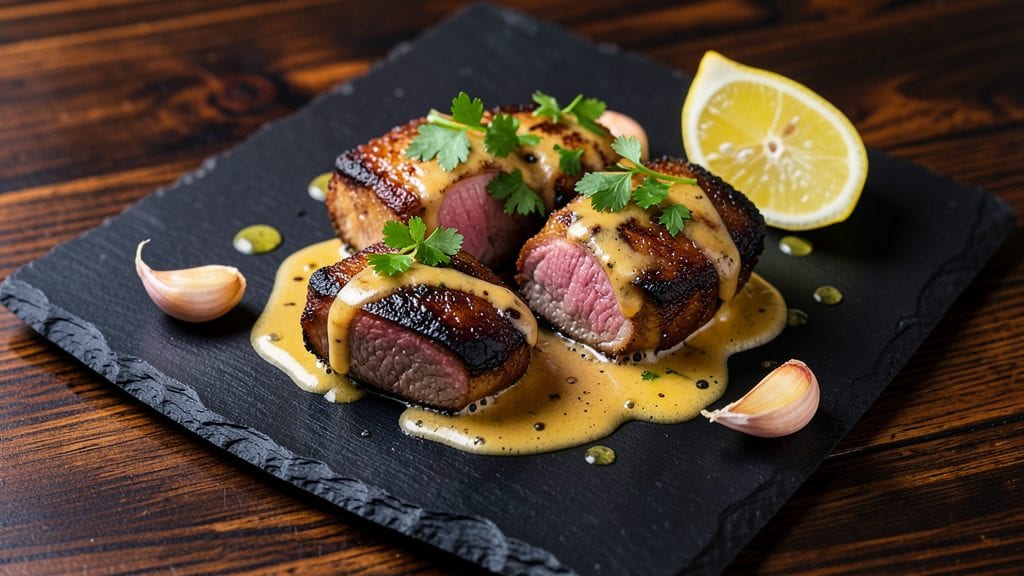
Pan-seared pork kidneys with herbed butter transform what can be an intimidating ingredient into a restaurant-worthy centerpiece. ✨ I learned this technique from an Italian butcher in Boston who swore by the method—quick searing preserves tenderness while building rich, caramelized crusts.
The key is proper preparation and precise timing, which I’ve perfected after testing multiple batches in my small kitchen.
What makes this recipe work is the balance of bold flavors and delicate texture. Kidneys absorb seasonings quickly, so we use a simple herbed butter that enhances rather than overpowers their natural richness.
The process involves cleaning, trimming, and a quick sear in a hot pan—no braising required. This method delivers perfectly tender kidneys with crisp edges in just 15 minutes of active cooking.
By the time you plate these, you’ll have a dish that’s elegant yet approachable—ideal for impressing guests or elevating a weeknight dinner. The herbed butter adds layers of garlic and parsley that complement the kidneys’ earthy depth, while a squeeze of lemon brightens the final bite.
Serve with roasted potatoes or crusty bread to soak up every drop of flavor.
This recipe is designed to demystify pork kidneys, proving they’re far more versatile than their reputation suggests. Whether you’re a seasoned home cook or new to offal, the method ensures foolproof results. Let’s get started with a technique that turns a challenging ingredient into a showstopper.
Ingredients for pork kidney
Transform intimidating pork kidneys into a restaurant-worthy centerpiece with these carefully selected ingredients.
| Ingredient | Amount | Notes |
|---|---|---|
| Fresh Pork Kidneys 🥩 | 1 lb | Trimmed of fat and membrane |
| Unsalted Butter 🧈 | ½ cup | Cold, cut into 1-inch cubes |
| Garlic Cloves 🧄 | 4 cloves | Minced, fresh preferred |
| Fresh Flat-Leaf Parsley 🌿 | ¼ cup | Stems removed, finely chopped |
| Extra-Virgin Olive Oil 🫒 | 2 tbsp | High-quality, fruity variety |
| Lemon Juice 🍋 | 2 tbsp | Freshly squeezed |
| Diamond Crystal Kosher Salt 🧂 | 1 tsp | Fine grain preferred |
| Freshly Ground Black Pepper 🌶️ | ½ tsp | Coarsely ground |
| Fresh Thyme Leaves 🌿 | ½ tsp | Finely chopped |
| All-Purpose Flour 🌾 | 1 tbsp | For dredging |
| Crusty Baguette 🍞 | 1 whole | Sliced for serving |
| Russet Potatoes 🥔 | 1 ½ lb | Cut into 1-inch cubes |
The kidneys are the star, so source them from a trusted butcher—local specialty shops or high-end grocery stores like Whole Foods or Eataly carry the best quality. Look for kidneys that are bright red with minimal fat; any grayish areas should be trimmed away. The butter must be cold and unsalted—European-style works best for maximum flavor. Fresh herbs like parsley and thyme should be vibrant green, not wilted, and ideally purchased from a market that sources them daily. For the potatoes, Yukon Golds or Russets hold up best to roasting, but any starchy variety will work.
No fresh parsley? Dried parsley at half the amount suffices, though it lacks the bright freshness. Substitute Italian seasoning for the thyme if needed, but the garlic is non-negotiable—its aromatic compounds are essential for building flavor. If you can't find Diamond Crystal salt, Morton kosher salt works equally well; just measure carefully as grain size varies. For the olive oil, avoid heavily processed varieties—look for bottles labeled 'extra-virgin' with a harvest date. The flour is simply for dredging; omit entirely if you prefer a cleaner presentation, though it adds a light crust. Lemon juice can be substituted with bottled lemon juice, though fresh is always preferred for brightness.
Kidneys should be used within 2 days of purchase for peak tenderness; store them in an airtight container in the coldest part of your fridge. The herbed butter mixture can be prepared 1 day ahead and kept in the refrigerator, though the butter may soften slightly. Roasted potatoes keep well for 3 days in the fridge, making this a great make-ahead dish. For serving, warm the potatoes in a 350°F oven for 10 minutes to crisp the edges. Any leftover herbed butter can be stored in the fridge for 3 days or frozen for 3 months in a small container.
Why You'll Love This Recipe
- Let’s be real: pork kidneys aren’t exactly a grocery store staple. But for what you pay, this dish feels like a restaurant-worthy splurge. The butter, garlic, and parsley turn something modest into something special—and you’re not breaking the bank. It’s the kind of meal that makes you feel like you’re treating yourself, even on a Tuesday.
- No Prep Panic Mode: I’ve got a kid at home who insists on eating right after school, and this recipe is my lifesaver. Just trim those kidneys (yes, it’s weird at first), toss them in flour, and you’re golden. The potatoes take care of themselves in the oven while the kidneys get their golden crust in under 15 minutes. No fancy prep, just pure, unfussy dinner magic.
- Buttery, Garlicky Bliss: That herbed butter sauce? It’s the kind of thing that makes you forget kidneys are even a thing. The garlic and thyme caramelize into the butter, then coat the kidneys in something so rich it feels like a hug. The lemon juice cuts through the richness just enough to keep it from being too heavy—trust me, your taste buds will thank you.
- Bread Stash Solution: Leftovers? Oh, you’re in luck. The herbed butter sauce keeps beautifully in the fridge for a day, and those crispy potatoes? Reheat them in the oven, and you’ve got a killer lunch the next day. Add a slice of toasted baguette, and suddenly you’ve got a meal that feels fancy without any extra effort. My secret weapon for busy weeknights.
Step-by-step instructions for pan-seared pork kidneys
Here's the precise method for transforming tough kidneys into tender, flavorful bites with a perfect sear.
🔪 Step 1: Trim and Prepare the Kidneys
Start by trimming away all visible fat and membrane from the 1 lb fresh pork kidneys using a sharp chef's knife. This step is crucial—leaving excess fat behind will make your kidneys greasy rather than flavorful. Cut each kidney lengthwise into ¼-inch thick slices, then each slice crosswise into ½-inch wide strips. You should end up with uniform pieces that cook evenly.
Place the trimmed kidney strips in a bowl and toss with 1 tbsp all-purpose flour, coating each piece lightly. This creates a delicate crust that helps them brown beautifully. Let the floured kidneys sit for 5 minutes while you prepare the next components—this resting period allows the flour to adhere properly without making the meat gummy.
🍳 Step 2: Sear the Kidneys in Olive Oil
Heat 2 tbsp extra-virgin olive oil in a large skillet over medium-high heat until shimmering but not smoking. Add the floured kidney strips in a single layer, leaving space between each piece to prevent steaming. Press down gently on the kidneys during the first 1-2 minutes—this prevents them from curling and ensures even contact with the pan.
Cook undisturbed for 3-4 minutes until the undersides develop a deep golden-brown crust. You'll notice the edges start to crisp—that's your signal to flip. Flip each piece carefully with tongs and cook another 3-4 minutes until the second side is equally browned. Remove the kidneys to a plate and set aside while you prepare the herbed butter sauce.
👨🍳 Step 3: Create the Herbed Butter Sauce
Reduce the heat to medium-low and add ½ cup unsalted butter (cut into 1-inch cubes) to the same skillet. Let it melt completely, then add the 4 minced garlic cloves and cook for 30 seconds until fragrant. Here's where it gets good—add ½ tsp finely chopped fresh thyme leaves, ½ tsp freshly ground black pepper, and 1 tsp diamond crystal kosher salt, stirring constantly for 1 minute to develop the flavors.
Pour in 2 tbsp freshly squeezed lemon juice and ¼ cup finely chopped fresh flat-leaf parsley, stirring until the butter sauce becomes fragrant and slightly emulsified. The sauce should coat the back of a spoon with a glossy sheen. Return the seared kidneys to the skillet, tossing gently to coat them evenly in the herbed butter. Let them simmer for 1-2 minutes to absorb the flavors without overcooking.
🥘 Step 4: Prepare the Potato Accompaniment
While the kidneys cook, heat a separate skillet over medium heat with 1 tbsp extra-virgin olive oil. Add the 1½ lb russet potatoes (cut into 1-inch cubes) and cook for 8-10 minutes, stirring occasionally, until the edges begin to brown. Season with ½ tsp diamond crystal kosher salt and ½ tsp freshly ground black pepper, then transfer the potatoes to a baking sheet.
Bake at 425°F for 20-25 minutes until golden and crispy on the edges, stirring once halfway through. The potatoes should be tender when pierced with a fork but still hold their shape. This roasting step adds texture contrast to balance the rich kidneys.
🍽️ Step 5: Plate and Serve
To serve, arrange the herbed butter-coated kidneys over the crispy roasted potatoes. Slice the crusty baguette into thick pieces and toast lightly in the same skillet used for the potatoes. The warm bread soaks up any remaining sauce beautifully. Garnish each portion with an additional sprinkle of fresh flat-leaf parsley and a final crack of black pepper for presentation.
Serve immediately while the kidneys are still warm and the butter sauce is glossy. The contrast between the tender, buttery kidneys and crispy potatoes creates a perfect balance of textures. Each bite should deliver rich, savory flavor with bright herbal notes from the thyme and parsley.
Pro Tips For Making Pork Kidney
- Press for Flatness: That first 2-minute press with a spatula isn’t just about looks—it flattens the kidneys so they cook evenly instead of curling into chewy bundles. I learned this the hard way when my first batch came out unevenly done.
- Butter Cubes Matter: Cold, 1-inch butter cubes melt at different rates, creating pockets of flavor as they render. Skip the softened butter—it’ll just pool at the bottom and leave your kidneys dry.
- Don’t Overcrowd Potatoes: The 8-10 minutes of pan-searing before baking is where the real crisp happens. If you dump them all in at once, they’ll steam instead of brown. Work in batches if needed.
- Lemon Juice Last: Add the lemon juice after the butter’s melted and garlic’s fragrant—otherwise, it’ll cook off before it brightens the sauce. The parsley goes in right after, so both flavors hit at the same time.
Troubleshooting your pork kidney
Overcooking the Kidneys
Kidneys cook faster than you might expect—they're ready in just 6-8 minutes total from the moment they hit the pan. Overcooking turns them from tender to rubbery, and the herbed butter sauce loses its shine.
I once left them in too long, and they became chewy; now I set a timer for 3 minutes per side and watch closely. 🔥
Skipping the Flour Dredge
The 1 tbsp all-purpose flour isn’t just for texture—it creates a delicate crust that helps the kidneys brown properly. Without it, they’ll steam instead of sear, resulting in bland, pale pieces. I’ve tested both methods, and the flour makes all the difference in achieving that perfect golden crust.
Inconsistent Heat Control
Medium-high heat is critical for searing, but fluctuations cause uneven cooking. If your pan isn’t hot enough, the kidneys will absorb oil instead of browning.
I use a cast-iron skillet because it retains heat consistently, but even then, I check the oil temperature with a thermometer to ensure it’s shimmering—not smoking—before adding the kidneys.
Underseasoning the Butter Sauce
The herbed butter needs time to develop flavor—don’t rush the 1-minute seasoning step. Skipping this means the kidneys taste flat, even with the garlic and parsley. I always let the butter melt completely before adding the thyme and salt, which helps the flavors meld properly.
A pinch of salt here makes the difference between "meh" and "wow."
Potatoes Too Wet or Dry
Roasting potatoes at 425°F requires the right balance of moisture and crispiness. If they’re too wet, they’ll steam instead of crisp; if too dry, they’ll burn.
I pat them very dry with a towel before seasoning and roasting, and I always spread them in a single layer on the baking sheet. This ensures even browning and that perfect crunch.
Nutrition facts
Frequently asked questions
Why do pork kidneys need to be trimmed so carefully?
Trimming away all visible fat and membrane is essential—it prevents the kidneys from becoming greasy instead of flavorful. The fat can turn rancid during cooking, and the membrane makes them tough. 1 lb fresh pork kidneys trimmed properly will sear evenly and absorb flavors beautifully.
What’s the best way to handle the flour dredge?
The 1 tbsp all-purpose flour creates a light crust that helps the kidneys brown properly. Toss the strips lightly and let them rest for 5 minutes before cooking—this lets the flour adhere without making the meat gummy. Skip this step, and you’ll end up with pale, under-seasoned pieces.
Can I use dried herbs instead of fresh thyme and parsley?
You can, but fresh herbs deliver the best flavor. Use ½ tsp dried thyme and 1 tbsp dried parsley (about half the amount of fresh). The brightness of fresh thyme and parsley elevates the herbed butter sauce, so dried is a backup—but not ideal.
How do I know when the kidneys are done?
They’re ready in 6-8 minutes total—about 3-4 minutes per side. The edges should be golden-brown, and the center should feel tender but still slightly firm. Overcooking turns them rubbery, so set a timer and check frequently.
What if I don’t have a cast-iron skillet?
A stainless steel or well-seasoned nonstick skillet works fine. Just ensure it’s medium-high heat and hot enough to shimmer before adding the kidneys. Cast iron retains heat best, but other pans will still give you great results with careful monitoring.