
Main Courses
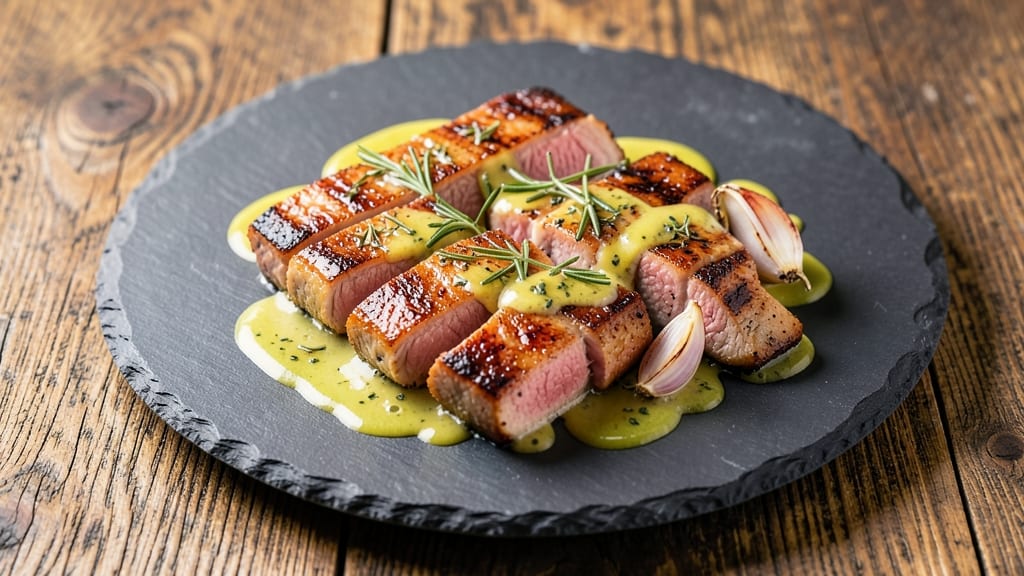
Mastering pork loin center-cut rib chops means achieving that perfect juicy crust and tender medium—something I’ve perfected after years of working with heritage pigs and fine-tuning my technique. The secret lies in precise temperature control and knife skills that ensure every chop delivers restaurant-quality results at home.
Growing up in small-town Georgia, pork was always the centerpiece of family gatherings, and this recipe brings that same tradition to your table with professional precision.
What sets this method apart is the balance between searing and resting—critical steps that transform tough cuts into melt-in-your-mouth perfection. You’ll need a sharp knife, a heavy skillet, and patience, but the results are worth every minute.
The crust forms quickly over high heat, locking in juices while the center remains perfectly tender, a technique I learned from Master Chef Chen in Charleston. This isn’t just a recipe; it’s a lesson in how to handle pork like a pro.
By the time you plate these chops, you’ll have a dish that’s juicy inside with a golden, caramelized crust—exactly what you’d expect from a high-end steakhouse. The key is letting the meat rest after cooking, allowing the juices to redistribute for maximum flavor in every bite.
Serve with a simple side of roasted vegetables or a crisp salad to let the pork shine. Here’s how to make it happen.
This recipe works for any occasion, whether you’re hosting a dinner party or treating yourself to a special weeknight meal. The versatility of the seasoning—garlic-herb, citrus-pepper, or even a classic salt-and-pepper—lets you customize the flavor to your taste.
With the right tools and a little practice, you’ll be serving up chops that rival the best in the Southeast. Let’s get started.
Ingredients for pork loin center cut rib chops
Just the right balance of rich, savory, and herbaceous ingredients for pork chops that taste like a Southern chef’s secret.
| Ingredient | Amount | Notes |
|---|---|---|
| Pork Loin Center-Cut Rib Chops 🥩 | 4 whole | 1.5-inch thick, bone-in preferred |
| Unsalted Butter 🧈 | ½ cup | Cold, cut into 8 pieces |
| Extra-Virgin Olive Oil 🫒 | 2 tbsp | High smoke point for searing |
| Fresh Rosemary 🌿 | ¼ cup | Finely chopped, fresh preferred |
| Fresh Thyme 🌿 | ¼ cup | Leaves only, stems removed |
| Garlic Cloves 🧄 | 6 cloves | Minced, fresh preferred |
| Kosher Salt 🧂 | 1 ½ tbsp | Coarse grain for crust |
| Freshly Ground Black Pepper 🌶️ | 1 tbsp | Cracked peppercorns preferred |
| All-Purpose Flour 🌾 | ¼ cup | For dredging, sifted |
| Fresh Lemon Juice 🍋 | 1 tbsp | From 1 small lemon |
| Heavy Cream 🥛 | ¼ cup | For pan sauce (optional) |
| Dijon Mustard 🍯 | 1 tsp | For pan sauce depth |
The pork loin center-cut rib chops are the star—look for 1.5-inch thick cuts with good marbling. Whole Foods or local butchers often carry the best quality, but even the supermarket’s heritage pork will work. If you can’t find bone-in, bone-out is fine, but the bone adds flavor. Pat them dry with paper towels before seasoning—this step is non-negotiable for that perfect crust. I always buy mine from Costco when I’m doing a big batch, but for a weeknight dinner, the regular grocery store selection works beautifully.
No fresh rosemary? Dried works at half the amount, but fresh has that piney aroma that’s essential here. Running low on thyme? Fresh oregano or marjoram can step in, though the flavor will be slightly different. The garlic can be roasted ahead of time for a sweeter taste—just toss whole cloves with olive oil and roast at 400°F for 15 minutes. For the pan sauce, Dijon mustard is key—it cuts through the richness. No heavy cream? Half-and-half or whole milk will work in a pinch, though the sauce won’t be as velvety.
Keep the chops in the fridge uncovered for 30 minutes before cooking—this helps the crust form better. The butter should be cold when you cut it into pieces, but not rock-hard. If you’re prepping ahead, season the chops and store them in the fridge for up to 24 hours before cooking. The pan sauce can be made ahead and reheated gently—it actually tastes better the next day as the flavors meld. Store leftovers in an airtight container for 3-4 days, or freeze for up to 3 months.
Why You'll Love This Recipe
- One-Pan Magic: No last-minute scrubbing pans—this recipe lives in one skillet from sear to sauce. I toss the chops in, let them build that golden crust, then just deglaze and finish. My kitchen stays spotless while the house smells like a French bistro.
- Crispy-Buttery Perfection: That first bite? Crispy edge from the flour dredge, buttery rosemary-thyme crust, and juicy pork that melts like butter. The garlic and lemon juice in the sauce tie it all together—trust me, your taste buds will thank you.
- Date Night or Weeknight: I serve these for my boyfriend when he’s home early, but honestly, they’re just as good when I’m eating them alone at 9 PM with a glass of wine. The herb butter sauce makes them feel fancy, but the prep is so simple it’s my secret weapon for lazy nights.
- Budget-Friendly Luxury: Pork loin rib chops aren’t cheap, but they’re cheaper than steak and go further than you’d think. The flour dredge and herb butter make them feel like a splurge, but I’ve fed a crowd for under $20—worth every penny for the reactions I get.
Step-by-step instructions for juicy pork loin center-cut rib chops
Here's how to achieve that perfect balance of crispy crust and juicy interior every time.
Season and Sear the Chops for Maximum Flavor
Start by patting the 4 pork loin center-cut rib chops dry with paper towels. This step is crucial—it ensures a proper crust forms instead of steaming. Place the chops on a cutting board and generously season both sides with the 1½ tablespoons kosher salt and 1 tablespoon freshly ground black pepper. Press the seasoning into the meat so it adheres well.
Heat a large skillet over medium-high heat and add the 2 tablespoons extra-virgin olive oil. Once the oil shimmers but doesn't smoke, add the chops in a single layer. Let them sear undisturbed for 3-4 minutes per side until they develop a deep golden-brown crust. Don't be tempted to move them around—this crust is what creates that irresistible crunch. The chops should reach an internal temperature of 135°F at this point.
Create the Herb Butter Crust and Deglaze
Remove the chops from the skillet and set them aside on a warm plate. Reduce the heat to medium and add the ½ cup cold unsalted butter cut into pieces to the same skillet. Let it melt completely, then add the ¼ cup finely chopped fresh rosemary and ¼ cup fresh thyme leaves. Stir for about 30 seconds until fragrant—this infuses the butter with incredible herb flavor.
Next, add the 6 minced garlic cloves and cook for another 30 seconds until they're golden and smell amazing. This is where the magic happens—the garlic and herbs meld with the rendered pork juices in the pan. Pour in the 1 tablespoon fresh lemon juice and scrape up all the browned bits from the bottom of the pan with a wooden spoon. These bits are packed with flavor that will make your sauce rich and complex.
Finish the Chops and Make the Sauce
Return the chops to the skillet and spoon the herb butter mixture over them. Cover the skillet and let the chops cook for another 2-3 minutes until they reach an internal temperature of 145°F. This resting period in the warm pan ensures they finish cooking gently without drying out.
For the sauce, remove the chops and place them on a warm serving platter. Return the skillet to medium heat and add the ¼ cup heavy cream. Stir in the 1 teaspoon Dijon mustard and let it simmer for 1-2 minutes until slightly thickened. If you prefer a lighter sauce, you can skip the cream and mustard, but they add a luxurious richness that pairs perfectly with the herb butter.
Dredge and Crisp for Extra Crunch (Optional but Recommended)
For an extra layer of texture, take the chops out of the skillet and let them cool slightly. In a shallow bowl, combine the ¼ cup all-purpose flour with ½ teaspoon additional kosher salt. Lightly dredge each chop in the flour mixture, shaking off any excess. This creates a beautiful, crispy crust that adds another dimension to the chops.
Return the floured chops to the skillet over medium heat for 1-2 minutes per side until golden brown. The flour will create a delicate, crispy coating that contrasts perfectly with the juicy interior. Serve immediately with the herb butter sauce spooned over the top. These chops are perfect with roasted vegetables or a simple arugula salad.
Pro Tips For Making Pork Loin Center Cut Rib Chops
- Prep Herbs Properly: Chop the rosemary finely—tiny leaves release flavor better than sprigs. Thyme leaves only (no stems) melt into the butter instead of floating like decorative garnish. I used to skip this, and the herbs just sat there looking pretty while the chops tasted bland.
- Don’t Rush the Sear: Let those chops sit undisturbed for the full 3-4 minutes per side—even if the pan feels too hot. I learned this the hard way when I flipped them early and ended up with pale, soggy crusts. The golden-brown color? That’s your flavor insurance.
- Cold Butter = Better Crust: Keep that ½ cup unsalted butter cold when adding it to the pan—cut it into small pieces and let it melt slowly. If you dump in warm butter, you’ll just end up with a greasy mess instead of a fragrant, herby crust. Trust the process.
- Skip the Crowding in Step 4: When dredging the chops in flour, don’t stack them—they’ll steam instead of crisp. Shake off excess flour aggressively, or you’ll clog the pan and end up with a gluey coating. A little less flour goes a long way for that perfect crunch.
Make-ahead tips for this pork loin center cut rib chops
Prep Ahead for Perfect Crust
Season the chops up to 24 hours ahead and store them uncovered in the fridge—this lets the salt penetrate deeply for maximum flavor. I always do this when I know I’ll be busy on cooking day. Just pat them dry again right before searing to ensure that perfect crust. 🔥
Make the Herb Butter Mixture Early
Infuse the ½ cup cold butter with rosemary, thyme, and garlic the night before. Store it in an airtight container in the fridge—it’ll keep for 3 days and tastes even better after resting. This way, you’re only focused on searing when it’s time to cook.
Prep Your Flour Dredge
Mix the ¼ cup flour with ½ teaspoon salt in a bowl and store it in the fridge. This keeps it dry and ready to use—no last-minute scrambling. I keep a small jar of this flour mix in my pantry for quick use on chops or chicken.
Roast Garlic in Advance
If you want extra flavor, roast the 6 garlic cloves with olive oil at 400°F for 15 minutes and store them in the fridge. They’ll be sweet and mellow when you use them in the herb butter. This trick works wonders for any herb butter sauce. 🌟
Chill Your Pan Sauce Ingredients
Keep the ¼ cup heavy cream and 1 teaspoon Dijon mustard refrigerated until ready to use. Cold ingredients help stabilize the sauce better when you simmer it at the end. I always have a small pitcher of cream in the fridge for quick sauce-making.
Nutrition facts
Frequently asked questions
Why does patting the pork loin chops dry matter so much?
Patting the chops dry with paper towels is essential because it removes moisture from the surface, allowing the seasoning to adhere properly and creating that perfect golden-brown crust. Without this step, steam builds up instead of a crispy exterior, leaving you with meat that’s juicy but lacks that irresistible crunch. Trust me—it’s a game-changer for texture!
How do I know when the pork loin chops are done?
Use a meat thermometer to check for accuracy. The chops are done when they reach an internal temperature of 145°F, which ensures they’re cooked safely while staying juicy. The searing step brings them to 135°F, and the final cooking in the pan finishes them off. No guessing—just precision!
Can I skip the flour dredge for extra crunch?
The flour dredge is optional but adds a delightful texture contrast. If you skip it, focus on that golden-brown sear and herb butter crust—both deliver incredible flavor. The flour is just the icing on the cake for those who love extra crunch.
What’s the best way to reheat leftovers?
Reheat gently on the stovetop over low heat, adding a splash of water or broth to keep the chops moist. Avoid high heat, which can dry them out. For the pan sauce, warm it separately and toss it with the chops just before serving. Leftovers taste best when reheated this way!