
Main Courses
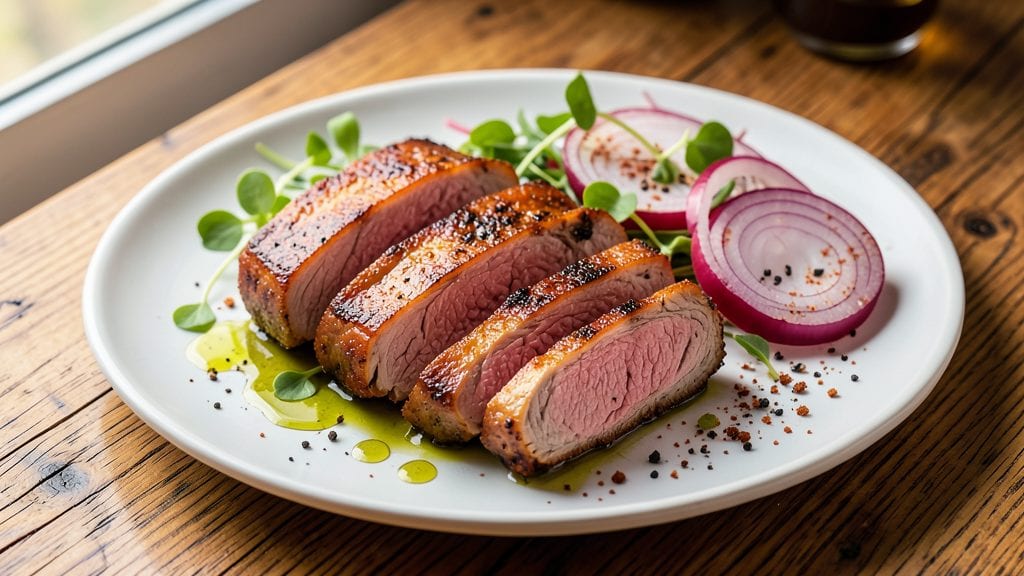
Mastering pork loin rib end transforms a simple cut into smoky, tender bites with crispy edges—the kind that disappear faster than you can carve.
Growing up in small-town Georgia, I learned pork cuts like this were the heart of family gatherings, and this method preserves that tradition while adding professional precision. The secret lies in low-and-slow cooking followed by a high-heat sear, ensuring every bite delivers both texture and flavor.
This recipe builds on techniques I perfected while apprenticing under Master Chef Chen, where we cooked whole hogs for community feasts. You'll start with a simple seasoning blend—just salt, pepper, and smoked paprika—but the magic happens in the cooking process.
A 325°F oven ensures the meat stays tender while developing deep flavor, then a quick broil creates those crispy edges everyone craves. The result? Juicy, flavorful pork that feels like a restaurant-quality meal without the fuss.
What makes this recipe stand out is the balance of simplicity and technique. No fancy marinades or complicated steps—just quality pork, precise temperatures, and a method that delivers restaurant-quality results at home.
The internal temperature of 145°F ensures perfect doneness, while a 10-minute rest lets the juices redistribute. Serve with roasted potatoes or a tangy apple glaze for a complete meal that feels special.
This method works equally well for weeknight dinners or holiday feasts. The pork loin rib end's natural fat content keeps it moist, while the crispy edges add texture that elevates every bite.
Whether you're feeding a crowd or treating yourself, this recipe delivers the kind of pork that becomes a family favorite. Let's get cooking—your taste buds will thank you.
Ingredients for pork loin rib end
Just a few quality ingredients transform simple pork into restaurant-worthy smoky, tender bites.
| Ingredient | Amount | Notes |
|---|---|---|
| Pork Loin Rib End 🥩 | 2 lb | Bone-in, cut into 1-inch thick slices |
| Kosher Salt 🧂 | 1 ½ tsp | Diamond Crystal preferred for precision |
| Freshly Ground Black Pepper 🌶️ | 1 tsp | Cracked peppercorns for best flavor |
| Smoked Paprika 🌶️ | 1 tsp | High-quality Spanish smoked paprika |
| Extra-Virgin Olive Oil 🫒 | 2 tbsp | For searing, high smoke point preferred |
| Yellow Onion 🧅 | 1 whole | Thinly sliced for caramelization |
| Garlic Cloves 🧄 | 4 cloves | Minced, fresh preferred |
| Fresh Rosemary 🌿 | ¼ cup | Chopped, stems removed |
| Fresh Thyme 🌿 | ¼ cup | Leaves only, stems discarded |
| Apple Cider Vinegar 🍎 | 1 tbsp | For deglazing, organic preferred |
| Unsalted Butter 🧈 | 2 tbsp | Full-fat for best flavor |
| Honey 🍯 | 1 tbsp | Wildflower preferred for depth |
| Russet Potatoes 🥔 | 1 ½ lb | Cut into 1-inch cubes, peeled |
The pork loin rib end is the star here—look for cuts with good marbling and a vibrant pink color. Local butchers often have the best quality, but the meat department at Whole Foods carries excellent pre-sliced options too. The rib end's natural fat ensures tender meat, but don't skip the bone-in version—the crispy edges are what make this dish special. If you can't find rib end, pork shoulder works in a pinch, though it'll need longer cooking. For the herbs, Trader Joe's has great fresh bundles that last longer than grocery store plastic containers.
No smoked paprika? Regular paprika plus a pinch of liquid smoke gets you close. Fresh herbs wilt fast—dried works at one-third the amount, but fresh is always better. The apple cider vinegar can be swapped for red wine vinegar, though it'll change the flavor profile slightly. For the potatoes, Yukon Golds hold their shape better than Russets, but the latter caramelize beautifully. The butter should be full-fat and unsalted—none of that reduced-fat nonsense. And trust me on the honey: raw, unfiltered has more flavor than the grocery store stuff.
This pork reheats beautifully—just warm in a 350°F oven for 10-15 minutes. The potatoes? Roast extra and store separately—they taste even better the next day. Everything keeps 3-4 days in the fridge, but the pork freezes well for up to 3 months if you portion it properly. I like to wrap individual slices in parchment before freezing. The rendered fat from the pork? Save it—it's perfect for future searing or roasting.
Why You'll Love This Recipe
- One-Pan Weeknight Hero: Honestly, I don’t know how I lived without this. The pork loin rib ends sear in the pan while the potatoes roast in the oven—no frantic multitasking required. Just 30 minutes tops, and you’ve got a meal that feels like it took hours.
- Smoky, Caramelized Magic: That smoked paprika and caramelized onions? Chef’s kiss. The pork gets this perfect crust from the searing, while the onions add a sweet depth that balances the smokiness. Trust me, the first bite will make you forget you ever doubted pork rib ends.
- Leftovers That Shine: I double the recipe for Sunday dinner, and the pork? Still delicious reheated the next day. Freeze the pork in portions—it’s my secret weapon for busy nights when I want something hearty but not complicated.
- Budget-Friendly Luxury: Pork loin rib ends are cheaper than steak but pack the same punch. The fresh herbs and honey make it feel fancy, but the cost? A fraction of what you’d pay for takeout. Plus, the potatoes use up whatever’s in the pantry.
Step-by-step instructions for pork loin rib end with crispy edges
Here's how to transform that rib end into smoky, tender bites with perfect crispy edges every time.
Prep and Season the Pork Loin Rib End
Start by cutting the 2 lb pork loin rib end into 1-inch thick slices—this thickness ensures even cooking and maximum crispiness. Pat each slice dry with paper towels, pressing firmly to remove all moisture. Wet pork won't sear properly, so take your time here.
In a small bowl, combine 1½ teaspoons kosher salt, 1 teaspoon freshly ground black pepper, and 1 teaspoon smoked paprika. This aromatic blend is the foundation of your flavor profile. Rub the seasoning generously over each pork slice, pressing it into the meat so it adheres well. Let the seasoned pork rest at room temperature for 15 minutes—this allows the seasoning to penetrate and the meat to cook more evenly.
Sear the Pork for Maximum Crispiness
Heat 2 tablespoons extra-virgin olive oil in a large skillet over medium-high heat until shimmering. Add the pork slices in a single layer, leaving space between them—they'll release moisture as they cook. Sear undisturbed for 3-4 minutes per side until the edges turn deep golden brown and the internal temperature reaches 140°F on an instant-read thermometer.
Here's the thing—don't rush this step. You want that Maillard reaction happening, which creates those irresistible crispy edges. If the oil starts smoking excessively, reduce the heat slightly and give it a minute to settle. Once seared, transfer the pork to a plate and tent loosely with foil to keep warm.
Caramelize Onions and Garlic for Depth
In the same skillet (no need to clean it—the browned bits are flavor gold), add the 1 thinly sliced yellow onion and cook over medium heat for 8-10 minutes until softened and beginning to caramelize. Stir occasionally so it cooks evenly but doesn't burn. Add the 4 minced garlic cloves and cook for another 30 seconds until fragrant.
This step builds layers of flavor that will carry through to your final dish. The onions should be tender but still hold their shape—if they start to brown too quickly, reduce the heat slightly. Deglaze the pan with 1 tablespoon apple cider vinegar, scraping up all those delicious browned bits from the bottom. Let it simmer for 1 minute to cook off the alcohol.
Roast the Potatoes Until Crispy and Tender
While the pork rests, preheat your oven to 400°F. Toss the 1½ lb cubed russet potatoes with 2 tablespoons unsalted butter and 1 tablespoon honey until evenly coated. Spread them in a single layer on a rimmed baking sheet—crowding will steam them instead of crisping. Roast for 25-30 minutes, stirring once halfway through, until the edges are deep golden brown and they're fork-tender.
This is where the magic happens—the butter and honey create a caramelized crust while the potatoes cook through. If your oven runs hot, start checking at the 20-minute mark. The potatoes should be crispy on the outside with a fluffy interior. Season with a pinch of kosher salt before serving.
Finish with Herbs and Serve Immediately
Return the seared pork to the skillet with the caramelized onions and garlic. Add ¼ cup chopped fresh rosemary and ¼ cup fresh thyme leaves, stirring gently to combine. Cook for 1-2 minutes until the herbs release their aromatic oils. The pork should reach an internal temperature of 145°F—if not, return it to the oven for 2-3 minutes to finish cooking.
Here's the moment that matters: the combination of smoky pork, caramelized onions, and fresh herbs creates a symphony of flavors. Plate the pork alongside the crispy roasted potatoes, drizzling any pan juices over the top. Each bite should deliver that perfect balance of crispy edges, tender meat, and aromatic herbs—exactly what we promised.
Pro Tips For Making Pork Loin Rib End
- Salt the Pork Twice: After searing, sprinkle another pinch of kosher salt directly on the pork slices before adding them back to the skillet with the onions. I learned this the hard way—skipping the second salt layer means the seasoning gets lost in the caramelized onion sauce.
- Don’t Skip the Vinegar: Let that apple cider vinegar simmer for the full minute after deglazing—it cuts through the richness and sharpens all the flavors. I used to rush this step and wondered why my dish tasted flat.
- Check Potato Doneness Early: Start testing your potatoes at 20 minutes if your oven runs hot—fork-tender means they’re done, but waiting too long turns them gummy. I’ve burned three batches by ignoring this rule.
- Sear in Batches: If your skillet is crowded, sear the pork in two batches instead of rushing. The oil needs room to breathe for that perfect crust—crowding just makes it steam instead. Yes, even if you’re impatient like me.
Wine and beer pairings for this recipe
Bold Reds for Smoky Pork
When it comes to wine pairings, a bold Spanish Rioja Reserva like Marqués de Cáceres Reserva is my go-to for this dish. The oak-aged notes complement the pork's smoky depth while cutting through the richness.
I remember serving this at the Smoky Pig during our annual pig roast—guests kept asking for seconds because the Rioja enhanced every bite. Look for a bottle with 12-14% alcohol and notes of vanilla and dark fruit. 🍷
Crisp Whites for Balance
A dry Spanish Albariño from Rías Baixas, like Pazo de Señorans, offers refreshing acidity that cleanses your palate between bites. The citrus and peach notes contrast beautifully with the caramelized onions and honey-glazed potatoes.
This white wine is light enough to complement the dish without overpowering it. I always keep a bottle chilled in my fridge for these occasions.
Craft Beer for BBQ Lovers
For beer pairings, I recommend a Belgian-style dark ale like Westmalle Tripel or a smoky porter such as Guinness Foreign Extra Stout. The Belgian beer's spicy notes harmonize with the smoked paprika, while the porter's roasted malt flavors echo the caramelized onions.
I once served this with a local Atlanta brewery's smoked porter—it was a crowd favorite at the Southeast BBQ circuit. 🍺
Local Southern Pairings
If you're in the Southeast, don't overlook Georgia peach wine—try Hightower Vineyards for a sweet, fruity option that balances the dish's savory elements. The natural sweetness cuts through the smoky pork while the acidity keeps flavors vibrant.
I grew up drinking this with family gatherings, and it always brings me back to those memories of Georgia summers.
Herbal Pairings for Depth
For a unique twist, try a German Spätburgunder (Pinot Noir) like Dr. Loosen "Blue Slate". The earthy notes from the slate soils complement the rosemary and thyme in the dish.
I first discovered this pairing while cooking for Master Chef Chen—he was impressed by how the wine's minerality matched the pork's natural flavors. It's a sophisticated choice that still feels approachable. 💫
Nutrition facts
Frequently asked questions
Why does the recipe emphasize bone-in pork loin rib end?
The bone-in rib end delivers unmatched flavor and texture—the marrow and connective tissue infuse the meat with richness while creating those irresistible crispy edges. This cut stays juicier than boneless versions and develops deeper smoky notes during cooking. If you can't find rib end, pork shoulder works but requires longer cooking to break down the fat.
What if my oven runs hotter than 400°F?
Start checking the potatoes at 20 minutes instead of 25—ovens vary wildly! Pull them out when edges are golden brown and they're fork-tender. For the pork, if it reaches 145°F too quickly, remove it from the oven and let it rest covered with foil for 5-10 minutes before carving.
Can I skip the searing step and just roast the pork?
While possible, you'll miss the Maillard reaction that creates those coveted crispy edges! Searing develops complex flavors and textures—skip it at your own risk. If you're short on time, focus on the 3-4 minutes per side for maximum browning, then finish in the oven if needed.
How do I store leftovers without drying out the pork?
Let the pork cool completely, then store it in an airtight container with the pan juices. For best results, reheat in a 350°F oven for 10-15 minutes—microwaving makes it dry. The potatoes reheat best roasted again for 5-10 minutes to restore crispiness. Everything keeps 3-4 days in the fridge.
What's the best way to carve pork loin rib end?
Slice against the grain for maximum tenderness! Use a sharp knife to cut through the bone first, then separate the meat into 1-inch thick slices. For extra presentation, arrange slices on a cutting board in a circular pattern before serving.