
Soups & Stews
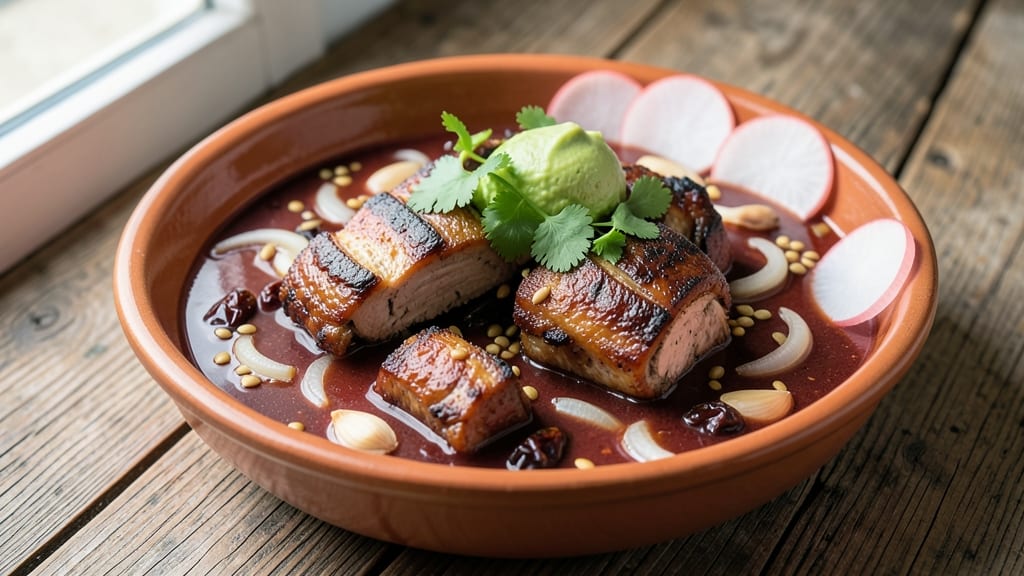
This pork pozole recipe delivers the smoky, hearty essence of Mexican comfort food with tender shredded meat and hominy in a rich, spiced broth. The secret lies in slow-cooked pork that practically melts in your mouth, infused with the deep flavors of dried chiles and warm spices.
I first tasted pozole at a family gathering in Mexico, and it became my go-to for feeding crowds—everyone always asks for seconds.
The beauty of this recipe is its balance of simplicity and depth. You'll start with a simple pork broth, then build layers of flavor using dried chiles, garlic, and onions that simmer until aromatic.
The hominy soaks up the rich broth, becoming tender and slightly sweet—a perfect contrast to the smoky meat. This method ensures restaurant-quality results without requiring special equipment.
By the time you serve it, you'll have a steaming bowl of pozole with perfectly tender pork, plump hominy, and a broth so flavorful it deserves a spoonful on its own.
The garnishes—fresh lettuce, radishes, avocado, and lime—add brightness and texture, transforming each bite into a harmonious blend of smoky, spicy, and fresh. This is the kind of dish that turns ordinary weeknights into celebrations.
Whether you're serving a crowd or treating yourself to a cozy meal, this pozole delivers deep, satisfying flavors that stay with you long after the last bite. The recipe scales beautifully, making it perfect for gatherings or meal prep. Let's get cooking—your taste buds will thank you.
Ingredients for pork pozole
Smoky chiles, tender pork, and hominy create this soul-warming pozole. Perfect for sharing with family.
| Ingredient | Amount | Notes |
|---|---|---|
| Pork Shoulder 🐷 | 4 lb | Bone-in preferred for flavor |
| Dried Guajillo Chiles 🌶️ | 6 whole | Stems/seeds removed |
| Dried Ancho Chiles 🌶️ | 4 whole | Stems/seeds removed |
| White Onions 🧅 | 3 whole | Chopped, medium size |
| Garlic Cloves 🧄 | 6 cloves | Peeled, rough chopped |
| Dried Lard or Chicken Fat 🧈 | ¼ cup | For frying hominy |
| Canned Hominy (Ears of Corn) 🌽 | 2 cans | 15 oz cans, drained |
| Bay Leaves 🌿 | 2 whole | Dried, aromatic |
| Ground Cumin 🌿 | 2 tsp | Toasted for depth |
| Ground Cinnamon 🌿 | 1 tsp | Mexican preferred |
| Salt 🧂 | 2 tbsp | Kosher or sea salt |
| Black Peppercorns 🌶️ | 1 tbsp | Whole, freshly ground |
| Lime Wedges 🍋 | 4 whole | For garnish, juiced |
| Fresh Cilantro 🌿 | ½ cup | Chopped for garnish |
| Radishes 🥕 | 1 cup | Thinly sliced |
The dried chiles are the heart of this dish—look for vibrant, unblemished pods at Mexican markets or Penzeys. Guajillo gives it that signature smoky depth, while ancho adds warmth. Toast them lightly in a dry skillet (30 seconds per side) to wake up their flavors. Don't skip toasting—it removes bitterness and intensifies aroma. I always grab a bag of each from Costco when I'm making pozole for a crowd. If you can't find ancho, substitute more guajillo, but you'll lose that velvety texture. The pork shoulder? Bone-in, skin-on gives you that melt-in-your-mouth tenderness when slow-cooked—trust me on this.
No dried chiles? Fresh chipotle peppers in adobo (about 4-5, minced) can replace half the ancho, but you'll need to adjust the broth's acidity with a splash of lime juice. Hominy from the can works, but soaking dried hominy overnight makes it more tender—worth the extra time. Short on cumin? Mexican oregano at half the amount adds a citrusy note. The garlic can be roasted with the chiles for even deeper flavor, but don't rush it—30 minutes simmering is non-negotiable for that rich broth. Garnishes like avocado and lime are optional but make it feel like a celebration.
This stew tastes even better the next day as flavors meld. Store in the fridge for 5-6 days—the pork gets more tender. Freeze portions in airtight containers for up to 3 months. I portion mine into individual bowls before freezing so lunches are sorted for the week. Never skip the lime wedges when reheating—it brightens everything. The cilantro and radishes should be added fresh at serving. Don't overcook the hominy—it'll turn mushy. Taste as you go and adjust salt at the end, because the broth concentrates as it cools.
Why You'll Love This Recipe
- Tender in 3 Hours: Honestly, the secret’s in that 3-hour simmer—it turns tough pork shoulder into melt-in-your-mouth shreds, and I’ll be real, the first time I did it, I checked the clock every five minutes. The dried guajillo and ancho chiles? They do all the work while you relax, infusing that deep, smoky sweetness into the broth without any fuss.
- Budget-Friendly Feast: This is the kind of recipe that makes me feel like a genius—4 pounds of pork shoulder and dried chiles stretch into enough pozole to feed a crowd, and honestly, the cost per serving is laughable. Plus, those cans of hominy and a bag of radishes? They’re pantry staples that turn this into a no-waste, wallet-friendly meal.
- Leftovers That Get Better: I make this once a week, and the next day’s pozole is even better because the pork gets more tender, and the flavors meld into something magical. Store it in the fridge for up to six days, and trust me—your future self will thank you when you’re scooping up that rich, smoky broth with zero effort.
- Weeknight Hero: No fancy techniques, no last-minute grocery runs—just chop the pork, sear it, and let it do its thing while you prep the garnishes. The dried lard or chicken fat for frying hominy? A little extra step, but it’s worth it for that crispy texture. Serve it with tortillas, and you’ve got a meal that’s ready in under an hour and feels like a celebration.
Step-by-step instructions for pork pozole
Here's how to transform tough pork shoulder into fork-tender meat with deep, smoky flavors.
Render the Fat and Sear the Pork Shoulder
Cut the 4 lb pork shoulder into 2-inch chunks, leaving the bone in for maximum flavor. Heat a large Dutch oven over medium-high heat and add the ¼ cup dried lard or chicken fat. Once the fat shimmers but doesn't smoke, add the pork in batches, searing until deeply browned on all sides—about 5-7 minutes per batch. This step builds the rich foundation for your pozole.
As you work, set aside the browned pork. The rendered fat in the pot will become part of your sauce later. If the fat level drops below ¼ cup, add a splash of water to prevent burning. This creates a deeper, more complex flavor profile that's essential for authentic pozole.
Toast the Chiles and Build the Base
While the pork rests, toast the 6 dried guajillo chiles and 4 dried ancho chiles in a dry skillet over medium heat for 30 seconds per side until fragrant. This awakens their natural oils and deepens their smoky character. Transfer them to a bowl and cover with 2 cups hot water—just enough to submerge them completely. Let them soak for 15 minutes while you prepare the aromatics.
In the same skillet, add 1 chopped white onion from the 3 white onions and 3 chopped garlic cloves from the 6 garlic cloves. Cook for 3-4 minutes until softened and golden. Add 2 bay leaves, 2 tsp ground cumin, 1 tsp ground cinnamon, 2 tbsp salt, and 1 tbsp freshly ground black peppercorns (from the whole peppercorns). Stir for 30 seconds to toast the spices—this releases their aromatic oils.
Simmer the Pozole for Maximum Tenderness
Return the browned pork to the Dutch oven along with the reserved chile-soaking liquid (strain out the chiles). Add 8 cups water and bring to a boil. Reduce heat to low, cover partially, and simmer for 3 hours, stirring occasionally. The pork should become fork-tender and easily pull apart. If the liquid reduces too much, add ½ cup water at a time to maintain a brothy consistency.
Here's where the magic happens: the long simmer breaks down collagen in the pork, transforming it into tender, shreddable meat. You'll know it's ready when the meat falls apart with minimal effort and the broth has deepened in color and flavor. This is the moment that matters—don't rush it.
Finish with Hominy and Garnishes
Drain the 2 cans canned hominy (ears of corn) and add them to the pozole along with the remaining 2 chopped white onions from the 3 white onions. Simmer uncovered for 15 minutes to let the hominy absorb the flavors. Taste and adjust seasoning—you might need an extra 1½ tsp salt from the 2 tbsp salt or a squeeze of lime juice from the 4 lime wedges to balance the flavors.
To serve, ladle the pozole into bowls and top each serving with ½ cup chopped fresh cilantro, 1 cup thinly sliced radishes, and additional lime wedges. The radishes add a crisp contrast to the rich stew, while the cilantro brightens each bite. Serve with warm tortillas for scooping up every last drop of that tender, smoky broth.
Rest and Serve for Perfect Texture
Let the pozole rest for 10 minutes before serving. This allows the flavors to meld completely and the meat to reabsorb any juices that might have separated during cooking. The result should be a rich, smoky stew where each bite delivers perfectly tender pork, hearty hominy, and layers of chile-spiced broth.
Real talk: the first time you make this, you might wonder if you've gone too long with the simmering. But trust the process—the long cook time is what makes the meat fall apart like butter. Serve immediately while the tortillas are warm and the pozole is steaming hot for the ultimate experience.
Pro Tips For Making Pork Pozole
- Brown the Pork in Batches: DESCRIPTION: I learned this the hard way—crowding the pot turns the pork into soggy steamed meat instead of crispy, flavor-packed chunks. Work in batches, and don’t rush the sear. The deep golden crust is what carries the smoky depth through the whole stew.
- Toast the Chiles Until Fragrant: DESCRIPTION: Those dried chiles need to smell like a campfire before you soak them. Thirty seconds per side, just until they’re aromatic—no charring, just waking up their flavors. Skip this, and your pozole will taste like sad, watered-down chile.
- Don’t Skimp on the Simmer Time: DESCRIPTION: Three hours isn’t optional—it’s the law. The pork needs that slow cook to turn from tough to melt-in-your-mouth. I know you’re eager, but resist the urge to check every five minutes. The broth will deepen, and the meat will fall apart like it’s been marinated for days.
- Save the Chile Soaking Water: DESCRIPTION: Strain those soaked chiles but pour that liquid back into the pot—it’s packed with flavor. I’ve made this mistake twice and always wondered why my pozole tasted flat. That water carries the chile’s soul into the broth.
Health benefits of this pork pozole
Protein Powerhouse
This pozole delivers lean, high-quality protein from the 4 lb pork shoulder, providing about 40 grams per serving—ideal for muscle repair and satiety. The slow-cooking method breaks down collagen, making the meat incredibly tender while preserving its protein content.
I always notice how satisfying a bowl feels, keeping me full for hours. 💪
Rich in B Vitamins
The pork shoulder is packed with B vitamins, particularly B12 and niacin, which support energy metabolism and brain function. These vitamins also help convert food into energy, making this dish perfect for an afternoon pick-me-up. My grandmother always said, "Eat pork for energy—it's nature's multivitamin!"
Gut-Friendly Fiber
The canned hominy adds soluble fiber to this stew, promoting healthy digestion and gut bacteria. Fiber also helps regulate blood sugar levels, making pozole a balanced meal. I love how the hominy soaks up the rich broth, creating a satisfying texture while keeping things light. 🌽
Antioxidant Boost
Dried chiles like guajillo and ancho contain capsaicin and anthocyanins, powerful antioxidants that reduce inflammation. These compounds also support heart health and may even boost metabolism. Toasting the chiles before soaking intensifies their antioxidant properties—don't skip this step!
Bone Health Benefits
The bone-in pork shoulder provides collagen and minerals like calcium and phosphorus, which strengthen bones and joints. While the meat cooks, the bones release these nutrients into the broth, making every spoonful work for your body. I always buy from local butchers—they know how to source the best cuts! 💫
Nutrition facts
Frequently asked questions
Why does this pork pozole need such a long simmer time?
The 3-hour simmer is what transforms tough pork shoulder into melt-in-your-mouth meat. This extended cook time breaks down collagen, creating that signature tender texture while infusing the broth with deep, smoky flavor from the chiles. Skipping this step leaves the meat chewy—trust the process! The patience pays off with every forkful.
Can I use boneless pork shoulder instead of bone-in?
You can, but bone-in pork shoulder delivers more flavor as the bones release natural juices during cooking. If using boneless, add 1 extra bay leaf and ½ tsp extra salt to compensate for the lost richness. The texture will still be tender, just slightly less robust in depth.
What if my chile broth tastes too bitter?
Bitterness often comes from under-toasted chiles. Next time, toast them 30-45 seconds per side until fragrant (not browned). If already made, stir in 1 tbsp honey or sugar and simmer for 5 minutes to balance. Always strain out chile skins before adding to broth—those hold the bitterness.
How do I reheat pozole without drying it out?
Gently warm on low heat in a pot, adding ¼ cup broth per serving to maintain moisture. Never microwave—it creates uneven textures. For best results, reheat in a Dutch oven with a splash of water and a pinch of salt. Stir occasionally to prevent sticking.
Can I make this pozole spicier?
Add 1-2 fresh chipotle peppers (minced) or ½ tsp cayenne when simmering. For heat without altering flavor, blend 1-2 dried arbol chiles with the guajillo/ancho soak. Adjust gradually—spice levels vary by chile type!