
Recipes/Cooking
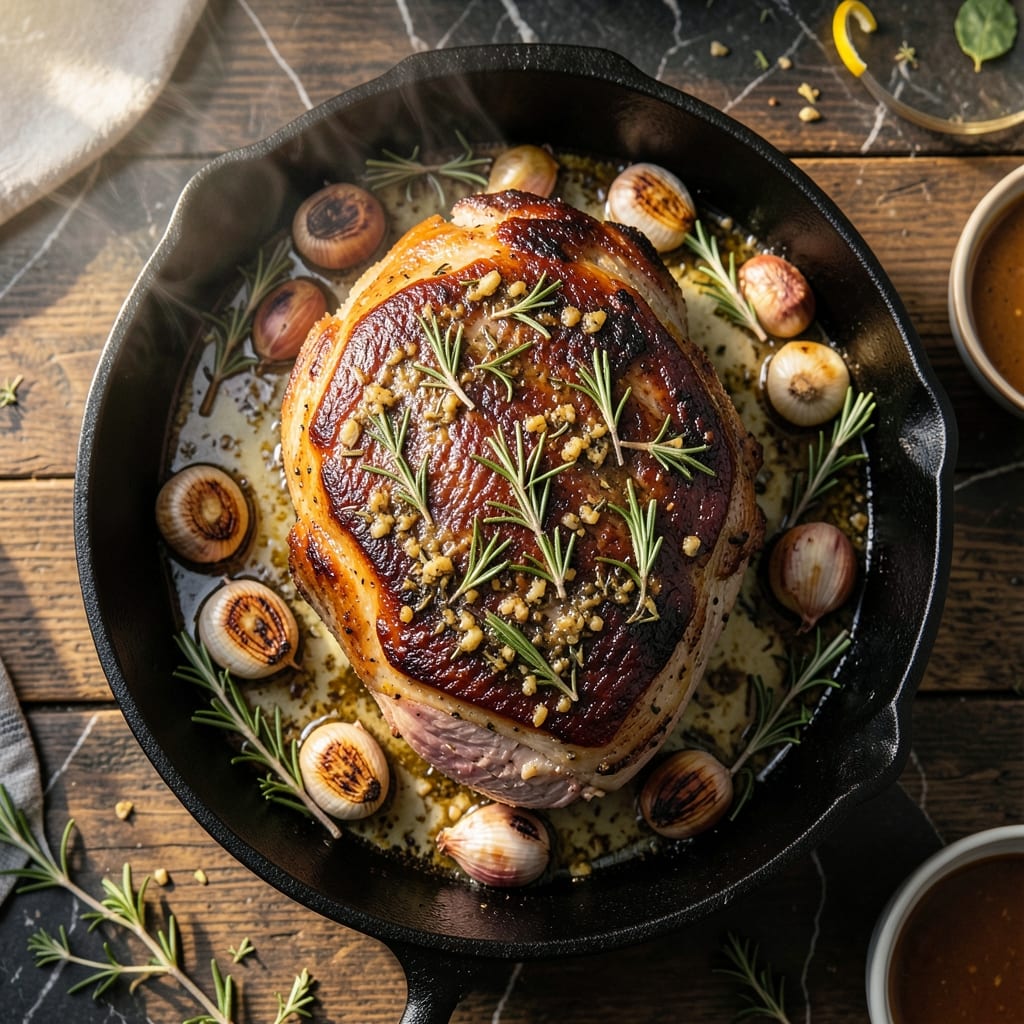
This pork prime rib roast recipe oven method delivers a show-stopping centerpiece with minimal effort. The secret lies in a simple herb crust and precise temperature control that guarantees juicy, tender meat every time.
I've perfected this technique through years of holiday cooking, focusing on even seasoning and a slow roast that brings out the pork's natural richness. The herb crust forms a flavorful seal that locks in moisture while creating a golden, aromatic exterior.
You'll achieve a perfectly cooked roast with a crispy herb crust outside and succulent meat inside. The oven method ensures consistent results, whether you're serving a crowd or preparing a special family dinner.
Resting the meat before carving is crucial for retaining those precious juices. This method works for any size roast, making it versatile for different occasions.
Ingredients for pork prime rib roast recipe oven
A bone-in pork rib roast, aromatic herbs, and precise seasoning create this impressive centerpiece.
| Ingredient | Amount | Notes |
|---|---|---|
| Pork Prime Rib Roast 🥩 | 4 lb | Bone-in, fat cap on |
| Kosher Salt 🧂 | 2 tbsp | Diamond Crystal preferred |
| Freshly Ground Black Pepper 🌶️ | 1 tbsp | Coarse grind preferred |
| Garlic Cloves 🧄 | 6 cloves | Minced for herb crust |
| Fresh Rosemary 🌿 | 2 tbsp | Finely chopped, stems removed |
| Fresh Thyme Leaves 🍃 | 2 tbsp | Stems discarded, chopped |
| Fresh Sage Leaves 🌿 | 1 tbsp | Finely minced |
| Dijon Mustard 🟡 | 2 tbsp | For herb crust binding |
| Extra-Virgin Olive Oil 🫒 | 3 tbsp | Divided for searing and crust |
| Dry White Wine 🍷 | ½ cup | For deglazing pan |
| Low-Sodium Chicken Stock 🥣 | 1 cup | For pan sauce |
| Unsalted Butter 🧈 | 2 tbsp | For finishing sauce |
| All-Purpose Flour 🌾 | 1 tsp | For sauce thickening |
The pork prime rib roast is the star—opt for bone-in with a thick fat cap for optimal flavor and moisture. Whole Foods or a trusted butcher will have the best selection. Look for even marbling and a pale pink color. The herb crust relies on fresh rosemary, thyme, and sage; avoid dried as they won't provide the same aromatic punch or texture.
No fresh herbs? Poultry seasoning at double the amount can work in a pinch, though the flavor profile will differ. Substitute white wine vinegar for the wine if needed, but reduce by half. For the stock, vegetable broth is an acceptable alternative. The Dijon mustard is key—don't swap for yellow mustard, as the flavor will be too mild.
The roast can be prepped 12 hours ahead—apply the herb crust and refrigerate uncovered. Cooked roast rests 30-45 minutes before carving. Leftovers keep 4 days refrigerated or 3 months frozen, sliced for easy portioning.
Why You'll Love This Recipe
- I’ll be real: the sandwiches I make with the cold slices the next day might be even better than the original meal.
- Set It and Forget It: I rub the pork with salt, pepper, garlic, and rosemary, pop it in the oven, and let the heat do all the work.
- That Crispy Crust: The fat cap renders down while the herbs form this ridiculous golden crust that cracks with every slice.
- Feeds a Holiday Crowd: Honestly, it’s my secret for stress-free Sunday suppers or even Christmas dinner without the turkey fuss.
Step-by-step instructions for pork prime rib roast
Master the technique for a perfectly roasted, herb-crusted centerpiece with these precise steps.
Prepare the Herb Crust and Season the Roast
Combine the 2 tbsp Fresh Rosemary, 2 tbsp Fresh Thyme Leaves, 1 tbsp Fresh Sage Leaves, 6 cloves Garlic Cloves, 2 tbsp Dijon Mustard, and 1 tbsp Extra-Virgin Olive Oil in a bowl. The mixture should form a coarse, aromatic paste that clings to the meat.
Pat the 4 lb Pork Prime Rib Roast completely dry with paper towels. This ensures the crust adheres properly. Season the roast generously with the 2 tbsp Kosher Salt and 1 tbsp Freshly Ground Black Pepper, pressing the seasoning into the fat cap and all surfaces. The fat cap should be well-coated to enhance flavor and moisture retention.
Sear the Roast for a Flavorful Crust
Heat 2 tbsp Extra-Virgin Olive Oil in a large oven-safe skillet or Dutch oven over medium-high heat. When the oil shimmers, place the roast fat-cap down in the pan. Sear undisturbed for 4-5 minutes until the surface develops a deep, golden-brown crust.
Carefully turn the roast to sear the remaining sides for 2-3 minutes each. The goal is an even, dark crust that locks in juices. Be mindful of the fat rendering—it should sizzle but not burn. Remove the roast from the pan and set it aside momentarily while you prepare the oven.
Roast in the Oven to Perfection
Preheat your oven to 375°F. Return the roast to the skillet, fat-cap up, and place it in the oven. Roast for 1 hour to 1 hour 15 minutes, or until the internal temperature reaches 145°F on an instant-read thermometer inserted into the thickest part of the meat.
The roast is done when the crust is deeply browned and the juices run clear. For medium doneness, aim for 145°F; for medium-well, 150°F. The bone-in structure helps insulate the meat, so avoid overcooking. Transfer the roast to a cutting board and tent loosely with foil.
Create the Pan Sauce
Place the skillet on the stovetop over medium heat. Add the 0.5 cup Dry White Wine and scrape the bottom with a wooden spoon to deglaze, lifting all the browned bits. Let the wine reduce by half, about 3-4 minutes.
Whisk the 1 tsp All-Purpose Flour into the 1 cup Low-Sodium Chicken Stock until smooth, then pour the mixture into the skillet. Add the 2 tbsp Unsalted Butter and simmer for 5-6 minutes until the sauce thickens enough to coat the back of a spoon. Strain the sauce if a smoother texture is desired.
Rest, Slice, and Serve
Let the roast rest for 15-20 minutes before slicing. This allows the juices to redistribute, ensuring a moist, flavorful result. The internal temperature will rise by 5-10°F during this period, so factor this into your timing.
Slice the roast between the bones into thick chops. Arrange the slices on a platter and drizzle generously with the pan sauce. Serve immediately, as the herb crust is best enjoyed fresh from the oven. The sauce should pool slightly around the meat, enhancing each bite with its rich, savory depth.
Pro Tips For Making Pork Prime Rib Roast Recipe Oven
- Reverse Sear First: Start the roast at 250°F until it hits 110°F internally, then crank the oven to 450°F for the last 15-20 minutes. I learned this the hard way—low and slow first guarantees even cooking without drying out the edges.
- Score the Fat Cap: Cut 1/4-inch slits in the fat cap before seasoning so the salt, garlic, and rosemary actually penetrate. Sounds weird, but it works—way better flavor in every bite.
- Don’t Skip the Rest: Let the roast rest under foil for at least 15 minutes after pulling it from the oven. After ruining two roasts by slicing too soon, I finally accepted that this is non-negotiable for juicy meat.
- Use a Meat Thermometer: Guessing doneness with a pork prime rib is a gamble—145°F internal is perfect medium-rare. My grandmother swore by the "poke test," but she was wrong: a thermometer is the only way to guarantee it.
Storing and reheating leftovers
Refrigerator Storage
Let your roast cool completely within 2 hours before storing. I transfer slices to airtight containers with some pan sauce to maintain moisture. They'll keep in the fridge at 40°F or below for up to 4 days. ❄️
Freezer Storage
For longer storage, wrap individual slices tightly in plastic wrap then place in freezer bags. Squeeze out excess air to prevent freezer burn. Your pork prime rib will maintain quality for up to 3 months at 0°F.
Oven Reheating
Preheat oven to 325°F and place slices in a baking dish with ¼ cup pan sauce. Cover with foil and heat for 15-20 minutes until reaching 145°F. This method preserves the herb crust beautifully. 🔥
Stovetop Method
Add slices to a skillet with 2 tbsp pan sauce over medium-low heat. Cover and warm for 5-7 minutes, turning once. This quick method works great for single servings.
Microwave Option
Place slices on a microwave-safe plate with 1 tbsp sauce. Cover with a damp paper towel and heat on 50% power for 1-2 minutes. Check temperature before serving.
Sauce Revival
Reheat pan sauce separately in a small pot over low heat for 3-4 minutes. If it's too thick, thin with 1-2 tbsp chicken stock. Always taste and adjust seasoning before serving.
Nutrition facts
Frequently asked questions
What internal temperature should I aim for?
For perfect medium doneness, cook until the thickest part reaches 145°F. For medium-well, aim for 150°F. Always use an instant-read thermometer for accuracy.
Can I use a boneless roast?
Yes, but bone-in provides better flavor and moisture. For boneless, reduce cooking time by about 15-20 minutes since it cooks faster without the bone insulation.
How long should I rest the roast before carving?
Let it rest for 15-20 minutes after removing from the oven. This allows juices to redistribute, ensuring moist, flavorful meat. The temperature will rise 5-10°F during this time.
What if my herb crust isn't sticking?
Pat the roast completely dry before applying the crust. Use Dijon mustard as a binder—it helps the herbs adhere better than oil alone. Press the mixture firmly onto all surfaces.