
Recipes/Cooking
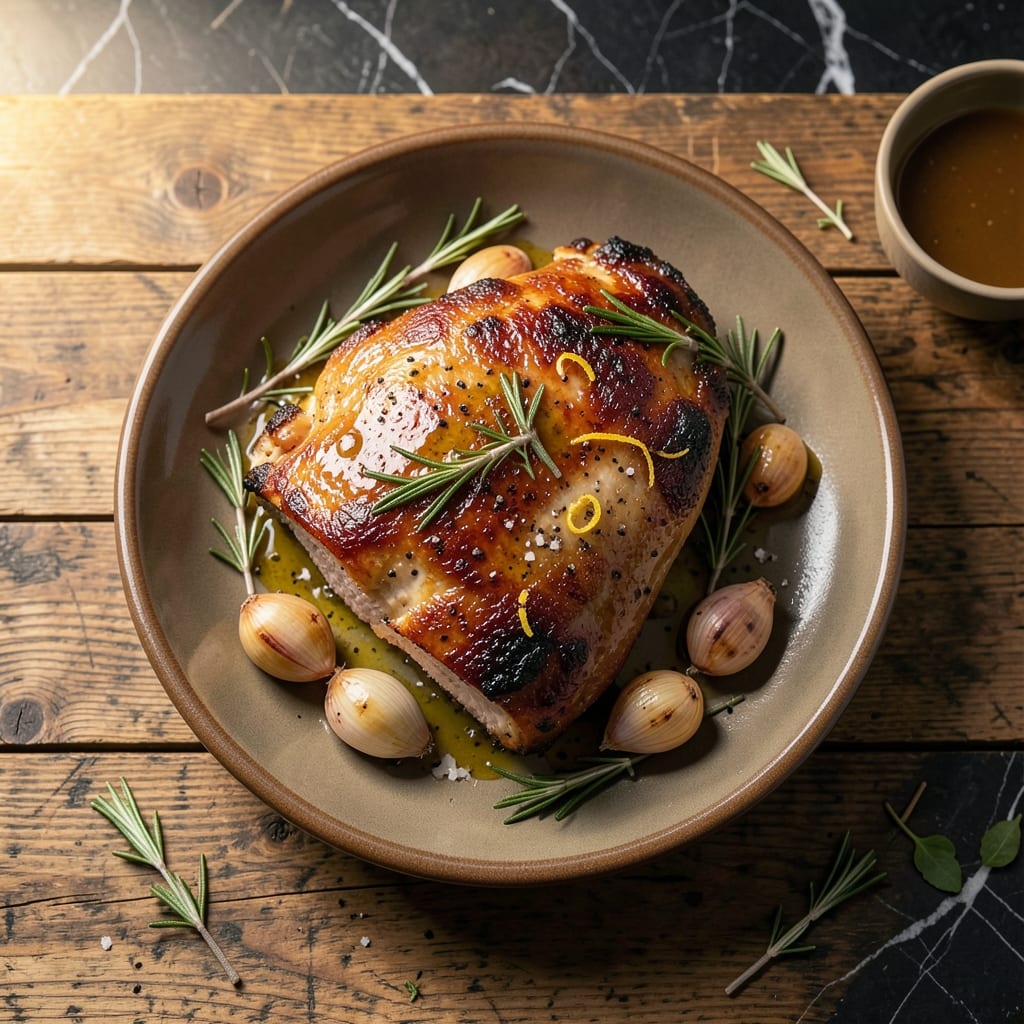
This pork roast recipe christmas dinner transforms a simple cut into a showstopping centerpiece for your holiday table. The secret lies in a garlic and rosemary marinade that infuses every bite with festive flavor.
Slow-roasted at 325°F, the pork becomes tender and juicy while developing a golden crust. The aroma alone will have your guests gathering in the kitchen long before serving.
Pair this with classic sides like roasted potatoes and green beans for a complete Christmas feast. The leftovers make incredible sandwiches the next day.
This method guarantees restaurant-quality results with minimal effort, letting you enjoy the holiday with your family.
Ingredients for Pork Roast Recipe Christmas Dinner
Pantry staples plus fresh herbs create this festive pork roast centerpiece for your holiday table.
| Ingredient | Amount | Notes |
|---|---|---|
| Pork Shoulder Roast 🥩 | 4 lb | Bone-in for extra flavor |
| Fresh Rosemary Sprigs 🌿 | 4 whole | Stems removed, finely chopped |
| Garlic Cloves 🧄 | 8 cloves | Minced for marinade |
| Extra-Virgin Olive Oil 🫒 | ½ cup | For marinade and roasting |
| Kosher Salt 🧂 | 2 tbsp | Diamond Crystal preferred |
| Freshly Ground Black Pepper 🌶️ | 1 tbsp | Coarse grind preferred |
| Dijon Mustard 🟡 | 2 tbsp | For marinade depth |
| Dry White Wine 🍷 | 1 cup | Sauvignon Blanc works well |
| Chicken Stock 🥣 | 1 cup | Low-sodium preferred |
| Yellow Onion 🧅 | 1 whole | Large, quartered for roasting |
| Carrots 🥕 | 3 whole | Peeled, cut into chunks |
| Celery Stalks 🥬 | 3 whole | Cut into large pieces |
| Fresh Thyme Sprigs 🌿 | 4 whole | Optional, for added aroma |
The pork shoulder is non-negotiable here. Bone-in gives you that extra-rich flavor and keeps the meat juicy during the long roast. Look for a cut with good marbling at Whole Foods or your local butcher—avoid the pre-packaged stuff at the discount grocer. I always go for 4-5 pounds to ensure leftovers (because those sandwiches are legendary). The rosemary needs to be fresh—dried just won't cut it for this level of flavor infusion.
No white wine? Apple cider vinegar mixed with water (1:3 ratio) works in a pinch. Fresh thyme can stand in for rosemary if that's what you've got growing. The Dijon can be swapped for whole-grain mustard—similar tang, slightly different texture. For the stock, vegetable broth is fine if you're avoiding poultry. The veggies are flexible too—parsnips or potatoes can replace the carrots or celery.
This roast actually improves overnight. Store leftovers in the fridge for up to 4 days or freeze for 3 months. Reheat gently with a splash of stock to keep it moist. The marinade can be prepped the night before—just let the flavors meld in the fridge (worth the extra minute).
Why You'll Love This Recipe
- Set It and Forget: I just rub the pork shoulder with olive oil, salt, and smashed garlic, then let the oven do the work.
- Rosemary Magic: The fresh rosemary infuses every bite with that cozy, aromatic warmth Christmas dinner deserves.
- Feeds a Holiday Crowd: This roast stretches to serve 8-10 people, making it my go-to for family gatherings.
- Leftovers for Days: Honestly, the sandwiches I make with the leftovers might be even better than the original meal.
Step-by-Step Instructions for Garlic and Rosemary Infused Pork Roast
Here's the method. Straightforward, tested, works every time for your festive table.
Create the Aromatic Marinade
In a small bowl, whisk together the 0.5 cup extra-virgin olive oil, 2 tablespoons Dijon mustard, 2 tablespoons kosher salt, and 1 tablespoon freshly ground black pepper until fully combined. The mustard acts as an emulsifier, binding the oil and seasonings together.
Finely chop the stems from the 4 whole fresh rosemary sprigs and mince the 8 cloves garlic cloves. Stir these into the oil mixture. I've found that letting this marinade sit for 10 minutes before using allows the flavors to meld beautifully, creating a more complex taste profile for the pork.
Marinate and Prepare the Pork
Place the 4 lb pork shoulder roast in a large roasting pan or dish. Using your hands, rub the marinade all over the pork, making sure to coat every surface. Don't be shy—massage it in thoroughly. The bone-in cut will absorb these flavors deeply, resulting in meat that's tender and aromatic throughout.
Let the pork marinate at room temperature for 30 minutes while you preheat your oven to 325°F. This short rest period allows the salt to begin penetrating the meat, ensuring better seasoning and moisture retention during roasting. Meanwhile, quarter the 1 whole yellow onion, and cut the 3 whole carrots and 3 whole celery stalks into large chunks.
Sear and Begin the Roasting Process
Place the roasting pan with the pork on the stovetop over medium-high heat. Sear the pork for 3-4 minutes on each side until you achieve a deep, golden brown crust. This step is crucial—it develops the Maillard reaction, creating complex flavors that will carry through the entire dish.
Once seared, scatter the onion, carrots, and celery around the pork in the pan. Add the 4 whole fresh thyme sprigs for additional aroma. Pour the 1 cup dry white wine into the pan, using a wooden spoon to deglaze and lift any browned bits from the bottom. These bits are pure flavor.
Slow Roast to Perfection
Transfer the pan to the preheated oven. Roast uncovered for 2.5 to 3 hours, basting the pork with the pan juices every 45 minutes. The liquid should reduce slightly, creating a concentrated basting sauce that builds layers of flavor.
Add the 1 cup chicken stock to the pan after the first hour of roasting. This prevents the vegetables from drying out and adds depth to the pan sauce. The pork is done when it reaches an internal temperature of 195°F and the meat pulls apart easily with a fork.
Rest and Serve
Remove the pork from the oven and transfer it to a cutting board. Tent it loosely with foil and let it rest for 20 minutes. This resting period allows the juices to redistribute, ensuring each serving is moist and flavorful.
While the pork rests, skim off any excess fat from the pan juices and reduce the remaining liquid on the stovetop over medium heat for 5 minutes to create a light sauce. Carve the pork into large chunks and serve with the roasted vegetables and sauce. The meat should be fall-apart tender with a rich, herbaceous aroma that fills your kitchen.
Pro Tips For Making Pork Roast Recipe Christmas Dinner
- Dry the Pork: Pat the shoulder roast bone-dry with paper towels before seasoning—moisture on the surface steams instead of sears, and you’ll lose that crackly, golden crust everyone fights over.
- Score the Fat: Use a sharp knife to cut 1/4-inch slits in the fat cap, then stuff garlic cloves and rosemary sprigs inside; it flavors the meat from within and stops the herbs from burning on the outside.
- Start Hot: Sear the roast in a ripping-hot oven (450°F for 30 minutes) before dropping to 325°F to finish—this builds a deep crust without drying out the inside, and I learned this the hard way after too many pale, soft-skinned roasts.
- Rest Before Carving: Tent the pork with foil and let it sit 20–30 minutes after pulling it from the oven; the juices redistribute instead of pooling on the cutting board, and yes, even if you’re starving, it’s worth the wait.
Essential Equipment for Great pork roast recipe christmas dinner
Roasting Pan Essentials
Invest in a heavy-duty stainless steel roasting pan with a rack—I swear by All-Clad for even heat distribution. A 17x13-inch size handles this 4 lb roast with room for vegetables. The rack elevates the pork, allowing heat to circulate underneath for perfect browning. 💪
Precision Thermometer
A leave-in probe thermometer like ThermoWorks ChefAlarm tracks internal temp without opening the oven. Set it for 195°F and let the alarm do the work. I've ruined too many roasts by guessing—this tool changed my cooking game.
Quality Knives
Use an 8-inch chef's knife for trimming fat and a 12-inch slicing knife for serving. Wüsthof or Victorinox brands offer great value. A sharp knife makes all the difference in presentation and safety.
Basting Tools
A silicon basting brush and heatproof measuring cup are must-haves. The brush spreads pan juices evenly, while the cup lets you add chicken stock without spills. I keep mine right by the stove for easy access.
Resting Setup
Have a large cutting board and aluminum foil ready for resting. The board catches juices, and foil tented loosely prevents the crust from drying out during the 20-minute rest. This step preserves all that juicy goodness. 🌟
Optional Upgrades
A fat separator helps skim pan drippings for sauce. Oven mitts rated to 500°F protect your hands. These aren't essential but make the process smoother and more professional.
Nutrition Facts
Frequently Asked Questions
Can I use a pork loin instead of shoulder?
Shoulder is best for pull-apart tenderness, but loin works if cooked carefully. Reduce roasting time to 2-2.5 hours and monitor internal temp closely to avoid dryness. Shoulder's fat content makes it more forgiving for holiday cooking.
How do I prevent the rosemary from burning?
Mix chopped rosemary into the marinade instead of placing sprigs directly on the meat. The oil protects the herbs from oven heat. If using whole sprigs, tuck them under the roast where they'll steam rather than burn.
Can I make this in a slow cooker?
Yes, but you'll lose the crispy crust. Sear first, then cook on low for 8 hours. For better texture, transfer to the oven for the last 30 minutes at 400°F to develop a crust.
What side dishes pair best?
Classic pairings include roasted Brussels sprouts, mashed sweet potatoes, or honey-glazed carrots. For a complete meal, add crusty bread to soak up the pan juices. The pork's richness balances well with tart cranberry sauce.