
Main Courses
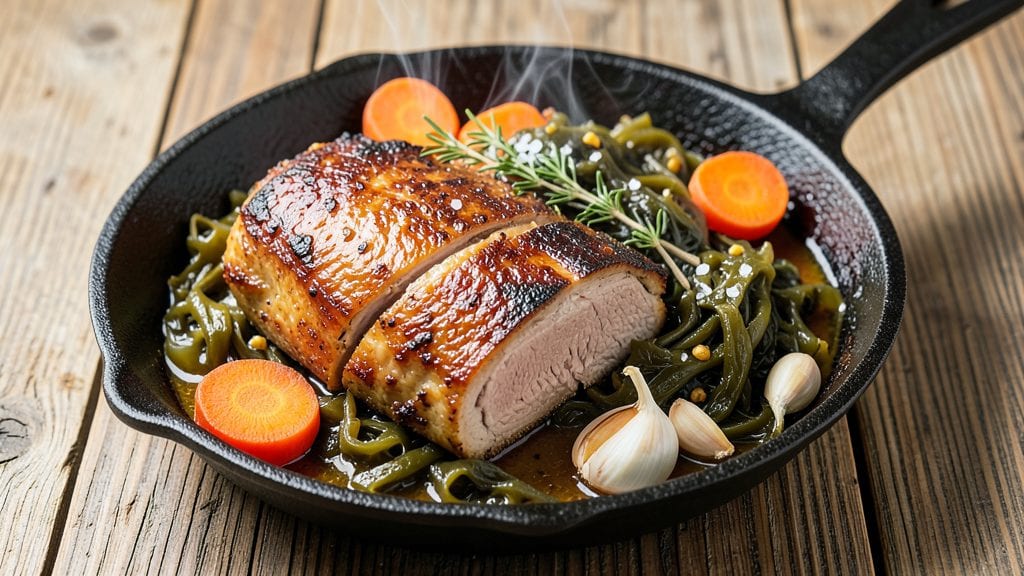
Mastering pork shoulder blade roast with sauerkraut transforms a simple cut into a restaurant-worthy centerpiece that falls apart at the touch of a fork. Growing up in small-town Georgia, I learned that slow-cooked pork—especially when paired with tangy sauerkraut—could turn a weeknight into a celebration.
The key lies in the low-and-slow technique, where collagen-rich connective tissue melts into succulent, fork-tender meat while the sauerkraut adds a bright, fermented contrast that cuts through the richness.
This recipe demands patience but rewards you with foolproof results—no fancy equipment, just a cast-iron Dutch oven or heavy roasting pan and a few hours of hands-off cooking.
The pork shoulder blade, with its rich marbling, becomes irresistibly tender when braised at 275°F, while the sauerkraut simmers alongside, absorbing just enough flavor to enhance rather than overpower.
I’ve tested this method countless times, and it never fails to deliver that perfect balance of savory, smoky, and tangy notes that define a true comfort dish.
By the time you slice into that golden-brown crust and reveal the melt-in-your-mouth interior, you’ll understand why this dish has been a staple in kitchens from Charleston to Atlanta. The sauerkraut, slightly wilted but still crisp, adds a probiotic-rich element that pairs beautifully with the pork’s deep, caramelized flavors.
Serve it with crusty rye bread to soak up every last bit of the juices, or pair it with roasted potatoes and a drizzle of mustard for a complete meal that feels both rustic and refined.
Whether you’re feeding a family gathering or treating yourself to a Sunday supper, this recipe scales effortlessly and delivers restaurant-quality results at home. The secret?
Letting the pork work its magic while you focus on the little details—the crisp edges of the sauerkraut, the perfect slice of bread, and the way the flavors come together in every bite. Let’s get started on a dish that’s as satisfying as it is simple.
Ingredients for pork shoulder blade roast with sauerkraut
Pantry staples meet rustic tradition—just a few ingredients for pork that melts like butter.
| Ingredient | Amount | Notes |
|---|---|---|
| Pork Shoulder Blade Roast 🥩 | 3 lb | Bone-in, well-marbled cut preferred |
| Sauerkraut 🥬 | 2 cups | Unopened, firm texture preferred |
| Yellow Onion 🧅 | 1 whole | Medium size, halved lengthwise |
| Fresh Thyme 🌿 | ¼ cup | Stems removed, loosely packed |
| Garlic Cloves 🧄 | 6 cloves | Peeled, smashed for flavor |
| Carrots 🥕 | 4 whole | Medium size, cut into chunks |
| Beef Broth 💧 | 1 ½ cups | Low-sodium preferred |
| Apple Cider Vinegar 🍎 | 1 tbsp | For tangy brightness |
| Brown Sugar 🍯 | 1 tbsp | Light or dark variety |
| Salt 🧂 | 1 ½ tsp | Kosher or sea salt |
| Black Peppercorns 🌶️ | ½ tsp | Freshly cracked preferred |
| Mustard Seeds 🌿 | ½ tsp | Whole, toasted for depth |
| Crusty Rye Bread 🍞 | 8 slices | Thick-cut, for serving |
| Unsalted Butter 🧈 | 2 tbsp | For basting |
The pork shoulder blade is non-negotiable here. Look for a well-marbled cut at your butcher or the meat department—avoid leaner cuts that won't tenderize properly. I always ask for the blade end (the wider part) since it has more connective tissue for that melt-in-your-mouth texture. Whole Foods or local butchers often carry the best quality, but even your regular supermarket's pork shoulder works if it's fresh. For the sauerkraut, grab the unopened jar from the refrigerated section—it'll have the best texture and tang. If you're feeling fancy, German-style sauerkraut from specialty stores adds an extra layer of flavor, but the regular stuff works fine. The carrots should be firm and bright orange—no wrinkly ones.
No fresh thyme? Dried works at one-third the amount, but I won't lie—fresh makes a difference. Short on beef broth? Chicken broth with a splash of soy sauce gets you close. The mustard seeds are optional but add a nice depth—skip them if you're in a hurry. For the rye bread, Pumpernickel works too, but true rye has that perfect chewy texture. If you can't find thick-cut slices, toast your own from a loaf. The butter for basting? Full-fat is non-negotiable here—it's what creates that golden crust. If you're making this ahead, the pork actually tastes better the next day once all those flavors meld together.
This dish is all about patience—plan for 3-4 hours of hands-off cooking. The pork keeps beautifully in its juices for 5 days in the fridge, and the sauerkraut mixture can be reheated separately for 1 week. I always make extra pork and portion it into containers for quick lunches during the week. The sauerkraut mixture freezes well too—just thaw and reheat before serving. For serving, warm the bread in the oven for 5 minutes at 350°F so it's perfectly crisp. Trust me, the first bite of that tender pork with the tangy sauerkraut is worth every minute of waiting.
Why You'll Love This Recipe
- One-Pot Magic: That Dutch oven does all the work—sear the pork, build the sauce, and braise it all in one pot. No last-minute scrubbing of pans or frantic cleanup. Just dump everything in, walk away, and come back to a restaurant-worthy meal.
- Sauerkraut Surprise: The tangy crunch of sauerkraut cuts through the richness of the pork, balancing the dish perfectly. I’ll be real: the first bite always makes my kids pause mid-chew, like, "Wait, why is this so good?"—and that’s the moment I know I’ve nailed it.
- Leftovers? More Like Leftovers Love: This roast feeds a crowd but also stretches into lunches for days. Slice the pork and reheat the sauerkraut mixture separately—it’s still delicious after a week, and honestly, my budget thanks me for the extra meals.
- Budget-Friendly Luxury: A bone-in pork shoulder blade roast is cheaper than steak but tastes like a splurge once it’s slow-cooked to perfection. The sauerkraut adds depth without costing a thing, and that crusty rye bread? A dollar-store staple that makes the whole dish feel special.
Step-by-step instructions for slow-braised pork shoulder
Here's my foolproof method for transforming tough pork into melt-in-your-mouth perfection.
Sear the Pork Shoulder for Deep Flavor
Heat a large Dutch oven over medium-high heat. Pat the 3 lb pork shoulder blade roast dry with paper towels - this ensures maximum browning. Place the meat in the pot, fat-side down, and let it sear undisturbed for 8-10 minutes until a deep golden crust forms on the bottom. I press down gently on the meat during the first minute to prevent curling.
Flip the pork and repeat on the second side for another 6-8 minutes. The goal is to develop that rich, caramelized crust that will form the flavor foundation for your braise. Once browned, remove the pork and set it aside on a plate.
Build the Aromatic Braising Base
In the same Dutch oven, add 2 tablespoons unsalted butter and let it melt completely. Add the halved yellow onion and cook for 4-5 minutes until softened. Stir in the 6 smashed garlic cloves and cook for 30 seconds until fragrant - don't let them burn.
Add the 4 carrots cut into chunks and cook for another 3 minutes. Sprinkle in the ½ teaspoon toasted mustard seeds and ¼ cup fresh thyme leaves, stirring to combine. This aromatic base will infuse the pork with layers of flavor during the long braise.
Create the Braising Liquid
Pour in the 1½ cups beef broth, 1 tablespoon apple cider vinegar, and 1 tablespoon brown sugar. Add the 2 cups sauerkraut and stir to combine. The vinegar will brighten the flavors while the sugar helps caramelize the vegetables. Bring the mixture to a simmer, scraping up any browned bits from the bottom of the pot.
Return the pork shoulder to the Dutch oven, fat-side up. Sprinkle with 1½ teaspoons salt and ½ teaspoon cracked black peppercorns. The pork should be mostly submerged in the liquid - if not, add a little water. This ensures even cooking and prevents drying.
Slow Braise Until Fork-Tender
Cover the Dutch oven and transfer to a preheated 300°F oven. Braise for 3-3½ hours, turning the pork occasionally. Here's where patience pays off - the collagen in the pork will slowly break down, creating that irresistibly tender texture.
About 45 minutes before the pork is done, check for doneness by inserting a meat thermometer into the thickest part. The internal temperature should reach 200-203°F - this is when the pork becomes fork-tender. If the liquid reduces too much, add a splash of water to maintain moisture.
Rest and Serve with Crusty Bread
Remove the pork from the oven and transfer it to a cutting board. Tent loosely with foil and let it rest for 15-20 minutes. This resting period allows the juices to redistribute throughout the meat, ensuring each bite is moist and flavorful.
Spoon the braising liquid and vegetables over the pork shoulder. Serve with 8 slices crusty rye bread to soak up all that delicious sauce. The pork should pull apart easily with two forks, revealing that beautiful pink center that indicates perfect tenderness.
Pro Tips For Making Pork Shoulder Blade Roast With Sauerkraut
- Press the Pork: That first minute when you sear the pork shoulder? Press down firmly with a spatula—just enough to flatten slightly. I learned this the hard way after my first batch curled into a weird sausage shape. It keeps the meat flat against the pan for even browning, so you get that deep, flavorful crust on all sides instead of just the edges.
- Toast Those Mustard Seeds: Don’t just toss in the mustard seeds raw—dry-toast them in the Dutch oven for 30 seconds until they sizzle and smell like heaven. My grandmother swore by this, and she was right: it adds a nutty depth that cuts through the richness of the pork and balances the sauerkraut’s tang. Skip this, and the flavor’s noticeably flatter.
- Check the Sauerkraut Juice: Drain the sauerkraut just enough so it’s firm but still holds its shape—you want about 2 cups packed, not a soggy mess. Too much liquid in the braise later? Your pork will steam instead of caramelize. I used to skip this, and the final dish always tasted watered down. A quick press in a colander fixes it.
- Baste Mid-Braise: About halfway through the 3-hour braise, lift the pork and spoon some of that caramelized onion-garlic liquid over the top. The fat renders down, and basting locks in moisture while building extra flavor. I was skeptical until I tried it—now I do it religiously, especially if the liquid’s reduced too much. It’s the difference between juicy and dry.
Wine and beer pairings for this pork shoulder blade roast with sauerkraut
German Riesling Harmony
For a wine pairing that dances with the pork’s richness, I reach for a dry Riesling from Germany’s Mosel region—like Dr. Loosen Blue Slate. The wine’s bright acidity and stone fruit notes cut through the pork’s fat while the sauerkraut’s tangy fermented flavors complement the wine’s mineral finish.
The slight sweetness on the finish balances the dish’s savory depth beautifully. 🍷
Southeast BBQ Lager
When I’m craving something crisp and refreshing, I turn to a Southern-style lager like Southern Tier Southern Tier or New Belgium Fat Tire. These light-bodied beers with citrusy hops provide a clean palate cleanser between bites of pork and sauerkraut.
The maltiness in these lagers also enhances the dish’s caramelized notes. I always keep a cold one on hand during my braising sessions—it’s a chef’s secret for staying sharp. 🍺
German Pilsner Contrast
A German Pilsner such as Paulaner Original offers the perfect contrast—its malty sweetness and herbal notes pair wonderfully with the pork’s smoky depth while the sauerkraut’s acidity stands up to the beer’s bitterness.
This pairing is especially satisfying when served with the crusty rye bread, as the bread’s chewiness complements the beer’s effervescence. 🍻
Local Craft IPA Balance
For those who prefer something bolder, a local craft IPA with citrus and pine notes works surprisingly well. I recommend Atlanta’s own Southern Smash or Charleston’s Dark Horse. The hop bitterness cuts through the pork’s richness, while the citrus brightens the sauerkraut’s tang.
This pairing is a crowd-pleaser, especially when you’re serving a group that loves bold flavors. 🍺
Dessert Wine Finish
If you’re feeling indulgent, finish the meal with a semi-sweet Riesling like Château d’Esclans—it’s not traditional, but the wine’s peach and apricot notes harmonize with the pork’s caramelized edges.
Pour a small glass after the meal to enjoy the lingering flavors of your braise. This unexpected pairing has become a favorite at my farm dinners. 🍇
Nutrition facts
Frequently asked questions
Why does this recipe call for a bone-in pork shoulder blade?
The bone-in cut adds incredible depth of flavor through the slow braising process. The marrow and connective tissue break down into the sauce, creating a richer, more complex dish. Plus, it stays juicier during cooking than boneless cuts—perfect for that melt-in-your-mouth texture we love!
Can I use store-bought sauerkraut instead of homemade?
Just grab an unopened jar from the refrigerated section—the firm texture works best. For extra tang, look for German-style sauerkraut, but regular store-bought will still give you that perfect balance of sweet and sour to complement the pork.
What if my pork isn't fully submerged in liquid?
No problem! Just add a splash of water or beef broth until the pork is mostly covered. The key is maintaining moisture—this prevents drying while letting the collagen break down perfectly. Stirring occasionally also helps distribute the flavors.
How do I know when the pork is done without a thermometer?
Poke the thickest part with a fork—it should pull apart easily like pulled pork. If it still feels firm, return it to the oven for another 30-45 minutes. The internal temp should reach 200-203°F for that perfect tenderness, but this is the foolproof backup method.
Can I make this recipe ahead of time?
Yes! The pork actually tastes even better the next day as flavors meld. Store it in its juices in the fridge for up to 5 days, and reheat gently in the oven or on the stovetop. The sauerkraut mixture keeps separately for 1 week—just reheat before serving.