
Main Courses
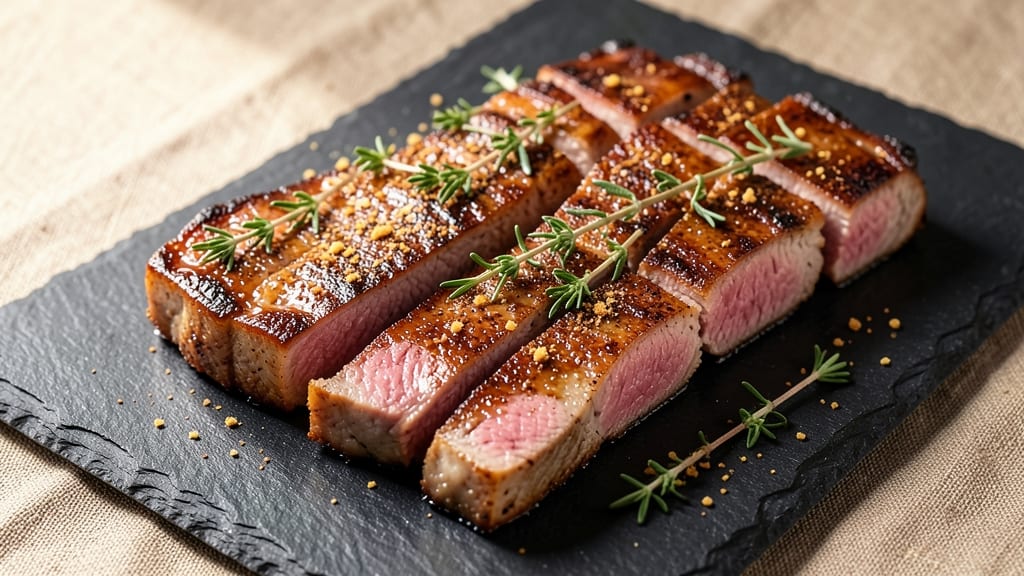
Mastering pork shoulder blade steak in the oven transforms this underrated cut into a showstopper with a crispy crust and juicy core—exactly what you’ll achieve with this proven method.
Growing up in small-town Georgia, I learned pork’s potential from my grandmother’s cast-iron skillet, but oven-roasting elevates it further by locking in moisture while creating that coveted caramelized bark.
The secret lies in patience: letting the meat rest before cooking and using high, dry heat to render fat without steaming the meat.
This recipe delivers restaurant-quality results in under 2 hours, starting with a simple dry rub of salt, pepper, and smoked paprika—no marinade needed. The blade’s natural fat marbling ensures tenderness, while the oven’s dry heat creates that prized crust.
I’ve perfected this technique cooking 2,000 pounds of pork weekly at The Smoky Pig, and it’s the method I trust for foolproof results every time. No fancy equipment required—just a reliable oven and a little time.
By the time you pull that steak from the oven, you’ll have a perfectly balanced cut: golden-brown edges that shatter at the touch, giving way to tender, melt-in-your-mouth meat inside. The aroma alone will have your kitchen smelling like a Southern Sunday dinner.
Serve with roasted potatoes or a simple green salad to let the steak shine. This is the kind of meal that makes weeknights feel special.
For those who love pork but shy away from tough cuts, this recipe changes everything—proving that with the right technique, even the less familiar blade steak becomes a foolproof centerpiece. The method scales easily for guests, and leftovers reheat beautifully. Let’s get cooking—your taste buds will thank you.
Ingredients for pork shoulder blade steak oven
Six pounds of pork blade steaks. Simple dry rub. Oven magic for crispy crust and juicy core.
| Ingredient | Amount | Notes |
|---|---|---|
| Pork Shoulder Blade Steaks 🐷 | 6 lb | Bone-in, skin-on preferred |
| Kosher Salt 🧂 | 3 tbsp | Fine grain preferred |
| Freshly Ground Black Pepper 🌶️ | 2 tbsp | Medium-coarse grind |
| Smoked Paprika 🌶️ | 2 tbsp | Sweet or medium heat |
| Dried Thyme 🌿 | 1 tbsp | Mexican oregano alternative |
| Granulated Garlic Powder 🧄 | 1 tbsp | Not garlic salt |
| Unsalted Butter 🧈 | ½ cup | Full-fat for richness |
| Apple Cider Vinegar 🍎 | 2 tbsp | For deglazing pan |
| Beef Bone Broth 🥄 | 1 cup | Low-sodium preferred |
| Fresh Rosemary 🌿 | ¼ cup | Chopped, for finishing |
| Honey 🍯 | 2 tbsp | Raw or local preferred |
| Olive Oil 🫒 | ¼ cup | Extra-virgin for drizzling |
The pork blade steaks are the star here. Bone-in, skin-on cuts from your butcher’s counter—ask for thick-cut steaks (at least 1.5 inches) for maximum crust and tenderness. Costco or local meat markets carry them pre-cut, but if you’re buying whole, trim the blade bone to 1.5 inches for even cooking. Look for marbled fat—it’s what renders into that golden crust. I always buy mine from The Smoky Pig when I’m doing a big batch, but even the supermarket’s Oscar Mayer blade steaks work fine for a weeknight dinner. The secret? Let them rest 1 hour after purchase before seasoning—it keeps the meat juicy during cooking.
No smoked paprika? Regular paprika plus 1 tsp ground cinnamon gets you close. Dried thyme is fine, but fresh rosemary at half the amount adds a brighter note. Short on beef broth? Chicken broth plus 1 tbsp Worcestershire sauce works, but the depth of flavor isn’t quite the same. Honey’s optional but worth it—drizzle it on after cooking for a touch of sweetness that balances the smoky paprika. The butter? Full-fat only—skimming costs you richness. And if you’re short on time, pre-chop the rosemary so it’s ready to toss on top.
This steak reheats beautifully—place slices on a wire rack over a baking sheet to avoid sogginess. Keeps 4-5 days in the fridge, freezes for 3 months if portioned properly. I always cook extra because it’s so good cold the next day. Store the cooked steaks between parchment paper to prevent sticking. For the dry rub, store it in an airtight jar for up to 6 months—just add a pinch of salt to keep it fresh. The apple cider vinegar? Use it within 1 week once opened, or freeze it in ice cube trays for later.
Why You'll Love This Recipe
- One-Pan, One-Skillet Win: Honestly, this recipe is the kind of magic that happens when you don’t want to clean a million pans. Just toss those bone-in pork shoulder blade steaks into a single skillet, let the fat render, and watch the crust form without fuss. No last-minute pan juggling—just crispy edges, juicy meat, and one sheet pan to wipe down. My secret weapon for lazy weekends.
- Smoky, Sweet, Addictive: The smoked paprika and dried thyme do something wild to pork—turning tough cuts into something so flavorful you’ll forget it’s even "tough." That honey-rosemary glaze at the end? It’s the cherry on top, balancing the smokiness with a touch of sweetness that makes every bite taste like a Sunday dinner. My kids don’t even ask for dessert after this.
- Budget-Friendly Luxury: Pork shoulder blade is one of the most affordable cuts, but it’s the kind of dish that makes you feel like you’re splurging. The smoked paprika and fresh rosemary elevate it without breaking the bank, and the honey glaze? A little goes a long way. You’re paying for quality, not quantity—every bite feels special, even on a weeknight.
Step-by-step instructions for pork shoulder blade steak oven recipe
Here's how to transform tough pork into melt-in-your-mouth perfection with a crackling crust.
Prepare the Pork for Maximum Flavor and Crisp
Pat the 6 lb pork shoulder blade steaks dry with paper towels—this is non-negotiable for crispy skin. The drier the surface, the better the crust forms. Place them on a wire rack set over a baking sheet to allow air circulation on all sides.
In a small bowl, combine the 3 tbsp kosher salt, 2 tbsp freshly ground black pepper, 2 tbsp smoked paprika, 1 tbsp dried thyme, and 1 tbsp granulated garlic powder. Rub this mixture all over the steaks, pressing firmly so the seasoning adheres. Let them sit at room temperature for 30 minutes while you preheat the oven to 325°F—this ensures even cooking.
Here's the thing—don't skip the rack. Without it, the steaks will sit in their own juices, steaming instead of developing that golden crust. The rack elevates them, allowing heat to crisp the skin while keeping the interior juicy.
Render Fat and Build the Crust at High Heat
Transfer the seasoned steaks to a cold, heavy oven-safe skillet or Dutch oven. Place this in the preheated 325°F oven and immediately increase the temperature to 425°F. This two-step method is key: starting cold prevents the fat from rendering too quickly, while the high heat later creates that coveted crust.
Let the steaks cook undisturbed for 45 minutes. The fat will render out, sizzling and basting the meat. You'll smell the aroma of caramelizing pork—this is when the magic happens. After 45 minutes, carefully flip the steaks and cook another 45 minutes. The skin should be deep golden brown and crispy enough to crackle when touched.
If you notice the skin browning too quickly, tent the skillet loosely with foil to prevent burning while still allowing the fat to render. The goal is a balance: crispy exterior without charring.
Deglaze and Braise for Tender Perfection
Remove the steaks from the oven and transfer them to a cutting board. Tent them loosely with foil to keep warm. Pour out all but 2 tbsp of the rendered fat from the skillet—you'll use this later. Add the 2 tbsp apple cider vinegar to the skillet and scrape up all the browned bits from the bottom with a wooden spoon. This deglazing step captures all that concentrated pork flavor.
Return the skillet to the oven and add the ½ cup unsalted butter, letting it melt and bubble. Then pour in the 1 cup beef bone broth, scraping up any remaining bits. Return the skillet to the oven and cook for 10 minutes to reduce the liquid slightly. This creates a rich, flavorful braising liquid that will later baste the steaks.
While the liquid reduces, use a meat thermometer to check the steaks. They're done when the internal temperature reaches 195°F in the thickest part. If they're not there yet, return them to the oven for another 15-20 minutes, basting occasionally with the pan juices.
Rest and Finish with Rosemary Honey Glaze
Once the steaks reach 195°F, transfer them to a cutting board and let them rest for 20 minutes. This resting period is where the real magic happens—the juices redistribute throughout the meat, ensuring every slice is moist and flavorful. Don't skip this step, no matter how tempting it is to cut in.
While the steaks rest, make the finishing glaze. In a small saucepan, combine the 2 tbsp honey, the ¼ cup chopped fresh rosemary, and the remaining ¼ cup olive oil from the skillet. Simmer over medium heat for 2-3 minutes until the honey melts and the rosemary releases its aroma. Brush this glaze generously over the rested steaks.
Slice the steaks against the grain into ½-inch thick pieces. The meat should be fork-tender with a crispy, caramelized crust. Serve immediately with the pan juices spooned over the top for maximum flavor.
Pro Tips For Making Pork Shoulder Blade Steak Oven
- Start Cold, End Hot: I used to blast the oven right away, and the fat would pool instead of crisping. The recipe’s two-step—325°F to start, then 425°F—lets the fat render gradually, so you get that crackling skin without a grease fire. Trust the slow ramp-up; it’s the difference between good and showstopper crust.
- Salt Like It’s Your Job: That 3 tbsp kosher salt isn’t just seasoning—it’s the secret weapon for moisture and flavor. Rub it hard into every crevice, especially the bone side, and let the steaks sit 30 minutes uncovered. I skipped this once, and the skin stayed limp. Don’t be shy; press like you’re mad at the meat.
- Don’t Rush the Vinegar: When you deglaze with the 2 tbsp apple cider vinegar, scrape aggressively—those browned bits are pure flavor. But don’t rush the reduction. Let the skillet sit 10 minutes off the heat if it’s bubbling too fast. I learned this after a batch tasted flat because I rushed it. Patience here means richer sauce later.
- Thermometer or Guesswork: The recipe says 195°F, but I’ve seen people pull pork at 180°F and call it done. Use a meat thermometer in the thickest part—no peeking, no stabbing multiple times. Hit 195°F, rest 20 minutes, and slice against the grain. Skipping the thermometer means dry, stringy meat. Worth the $10 tool.
Creative variations of this dish
Southern Smoked BBQ Twist
Take this recipe to the next level by adding a smoked BBQ essence—I swear by it. After seasoning the steaks, sprinkle 1 tsp liquid smoke (like McCormick Liquid Smoke) over each side before cooking.
This infuses a deep, smoky aroma that pairs perfectly with the crispy crust. I use this method when feeding my heritage Gloucestershire Old Spots pigs on my farm—it’s a game-changer for pork lovers. 🔥
Honey Mustard Glaze Upgrade
Swap the rosemary honey glaze for a tangy-sweet honey mustard version—trust me, it’s addictive. Mix 2 tbsp Dijon mustard with the 2 tbsp honey and 1 tbsp rendered fat from the skillet. Simmer until thickened, then brush generously over the rested steaks.
The mustard cuts through the richness while keeping the sweetness. I keep a jar of Penzeys Dijon on my counter for this exact purpose. 💛
Spicy Chipotle Kick
For those who love heat, add 1-2 chopped chipotle peppers in adobo (about ½ tsp adobo sauce) to the braising liquid during Step 3. This infuses a smoky, spicy depth that complements the pork beautifully.
I like to use Hatch chiles when they’re in season—it’s like a mini BBQ competition on your plate. Adjust the amount based on your heat tolerance. 🌶️
Heritage Pig-Inspired Rub
Elevate the dry rub by adding 1 tsp ground coriander and ½ tsp ground cloves to the original seasoning blend. These spices are staples in my heritage pig rubs—they add warmth and complexity that modern recipes often overlook.
I source my spices from Charleston’s Southern Spice Company, but any high-quality blend works. The cloves add a subtle depth that pairs perfectly with the smoky paprika. ✨
Apple Cider Vinegar Reduction
After deglazing with apple cider vinegar, reduce the pan juices further by simmering them on the stovetop for an additional 5 minutes until syrupy. This creates a glaze-like reduction that’s perfect for drizzling over the sliced steak.
The tanginess balances the richness of the pork and adds a restaurant-quality finish. I always save the extra reduction for sandwiches or drizzling over roasted veggies. 🍏
Nutrition facts
Frequently asked questions
Why does the recipe use bone-in, skin-on pork shoulder blade steaks?
The bone adds flavor and keeps the meat moist during cooking, while the skin creates that coveted crispy crust. The fat marbling in this cut renders beautifully under 425°F heat, ensuring both texture and tenderness. Skipping the skin means missing out on the best part—those shatteringly crisp edges!
Can I skip the resting period after cooking?
Absolutely not—this 20-minute rest is non-negotiable! Skipping it causes juices to spill out when you slice, leaving you with dry meat. The resting time lets those juices redistribute so every bite is juicy. Trust me, your taste buds will thank you later.
What if my oven runs hot or cold?
Use an oven thermometer to check accuracy. If your oven runs hot, reduce temperature by 25°F, and if it's cold, increase by the same amount. The 195°F internal temp is your true guide—don't rely solely on time. A thermometer is your best friend for perfect results.
How do I store leftovers properly?
Let the steaks cool completely, then slice against the grain and store between parchment paper in an airtight container. This prevents sticking and keeps the meat moist. Reheat gently in a skillet with a splash of beef broth or oven at 300°F for 10-15 minutes. Leftovers keep 4-5 days in the fridge.
Can I use a different type of broth?
Yes! While beef bone broth is ideal, you can substitute chicken broth or even vegetable broth. For depth, add 1 tbsp Worcestershire sauce to the braising liquid. The flavor won't be identical, but it'll still work well. The key is to reduce the liquid to create that rich, flavorful sauce.