
Main Courses
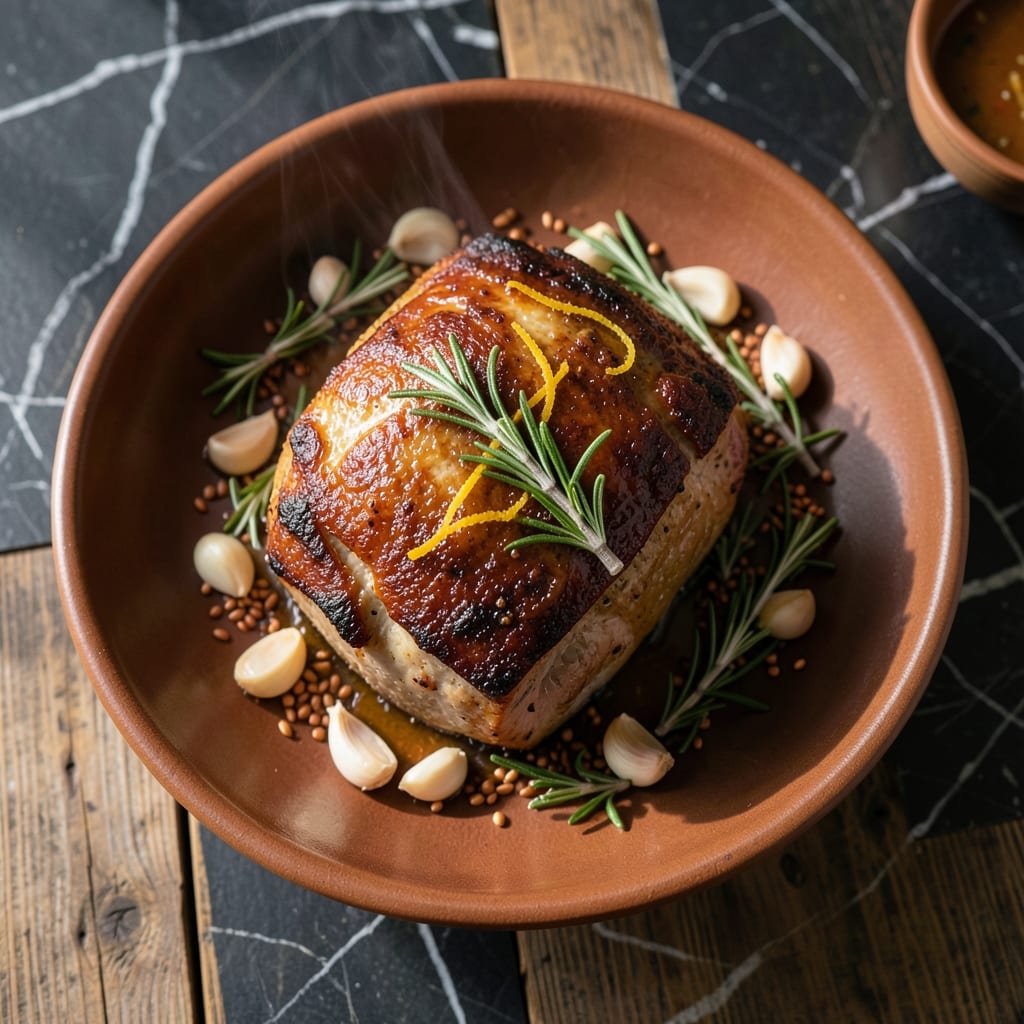
This pork shoulder capicola roast recipe transforms a humble cut into Italian-style perfection through slow-roasting. Growing up in Georgia, I learned that patience rewards with tender, flavorful meat every time.
The capicola cut offers rich marbling that renders beautifully during the long cooking process. A simple rub of garlic, rosemary, and fennel seeds enhances the pork's natural sweetness without overpowering it. The result is meat that falls apart at the touch of a fork.
At The Smoky Pig, we've adapted this Italian technique for Southern palates with great success. The low and slow method ensures the connective tissue melts into gelatin, creating that signature succulent texture that defines great roasts.
Serve with crusty bread to soak up the juices or alongside roasted vegetables. This dish proves that exceptional flavor often comes from the simplest preparations.
Ingredients for Pork Shoulder Capicola Roast
Italian-inspired capicola roast requires patience and quality pork shoulder with aromatic herbs.
| Ingredient | Amount | Notes |
|---|---|---|
| Pork Shoulder Capicola Cut 🥩 | 4 lb | Bone-in, well-marbled preferred |
| Garlic Cloves 🧄 | 8 cloves | Peeled and minced finely |
| Fresh Rosemary 🌿 | 3 tbsp | Chopped, stems discarded |
| Fennel Seeds 🍃 | 2 tsp | Lightly crushed for rub |
| Sea Salt 🧂 | 2 tbsp | Coarse Diamond Crystal preferred |
| Black Pepper 🌶️ | 1 ½ tbsp | Freshly cracked for depth |
| Extra-Virgin Olive Oil 🫒 | ¼ cup | For searing and moisture |
| Dry White Wine 🍷 | 1 cup | Crisp variety like Pinot Grigio |
| Chicken Stock 🥣 | 1 ½ cups | Low-sodium preferred for control |
| San Marzano Tomatoes 🍅 | 1 can | Crushed, 28 oz can size |
| Yellow Onion 🧅 | 1 whole | Large, quartered for roasting |
| Carrots 🥕 | 3 whole | Peeled and cut into chunks |
| Celery Stalks 🌿 | 3 pieces | Cut into 2-inch lengths |
| Red Pepper Flakes 🌶️ | ½ tsp | Optional for subtle heat |
The pork shoulder capicola cut is non-negotiable here. Costco often carries this specific cut in their meat section, or ask your butcher to prepare it from a Boston butt—ensure good marbling for that signature succulent result. I source mine from Whole Foods when I want guaranteed quality. The fat cap should be at least a quarter-inch thick to baste the meat during roasting.
No white wine? Chicken stock with a splash of apple cider vinegar mimics the acidity. Fresh rosemary can be swapped for dried at one-third the amount, but the flavor won’t be as vibrant. If fennel seeds aren’t in your spice cabinet, anise seeds work in a pinch (same family, similar licorice note). The tomatoes can be any high-quality canned variety if San Marzano aren’t available.
This roast improves overnight. Let it rest in its juices for 2 hours before slicing, then store leftovers in the fridge for up to 5 days. Freezes beautifully for 3 months—portion with some pan juices to reheat. Always bring to room temperature before reheating to preserve texture.
Why You'll Love This Recipe
- Low-Effort Prep: I just rub the capicola with crushed garlic, rosemary, and fennel seeds, then let the oven do the work. Honestly, it’s hands-off after that.
- Punch of Flavor: The fennel seeds and fresh rosemary give this roast a bold, aromatic kick that’s anything but boring.
- Feeds and Pleases: I’ll serve it for Sunday dinner or slice it thin for sandwiches all week. Between us, it’s a crowd-pleaser every time.
Step-by-Step Instructions for Pork Shoulder Capicola Roast
Master the technique for fall-off-the-bone tenderness with Italian-inspired depth of flavor.
Prepare the Capicola Rub and Sear the Pork
Combine the 2 tsp Fennel Seeds, 2 tbsp Sea Salt, 1.5 tbsp Black Pepper, and 3 tbsp Fresh Rosemary in a small bowl. I crush the fennel seeds lightly with the flat side of a knife to release their aromatic oils. Pat the 4 lb Pork Shoulder Capicola Cut completely dry and rub the spice mixture aggressively into all surfaces, including the fat cap.
Heat the 0.25 cup Extra-Virgin Olive Oil in a Dutch oven over medium-high heat until it shimmers. Sear the pork on all sides for 8-10 minutes total until the exterior develops a deep mahogany crust. This step builds the flavor foundation, so don't rush it—allow each side to form a proper sear before turning.
Build the Aromatic Vegetable Base
Remove the pork and set it aside. In the same Dutch oven, add the 1 whole Yellow Onion (quartered), 3 whole Carrots (cut into chunks), and 3 pieces Celery Stalks (cut into 2-inch lengths). Sauté for 5-7 minutes until the vegetables begin to soften and develop color.
Add the 8 cloves Garlic Cloves (minced) and 0.5 tsp Red Pepper Flakes, cooking for 1 minute until the garlic releases its fragrance. Be careful not to let the garlic burn—it should turn just light golden. This aromatic base will infuse the braising liquid with complex layers of flavor.
Deglaze and Begin the Slow Roast
Pour in the 1 cup Dry White Wine to deglaze the pan, scraping up all the browned bits with a wooden spoon. Let the wine reduce by half, about 3-4 minutes. Add the 1 can San Marzano Tomatoes (crushed) and 1.5 cups Chicken Stock, stirring to combine.
Return the pork to the Dutch oven, along with any accumulated juices. The liquid should come about halfway up the pork. Cover and transfer to a preheated 325°F oven. This low and slow approach ensures the connective tissue breaks down properly without drying out the meat.
Finish and Rest for Maximum Tenderness
Roast for 3-3.5 hours, turning the pork every 45 minutes to ensure even cooking and basting. You'll know it's done when the meat pulls away from the bone easily and an instant-read thermometer inserted into the thickest part reads 195-200°F.
Transfer the pork to a cutting board and tent loosely with foil. Let it rest for 20-30 minutes before shredding or slicing. This resting period allows the juices to redistribute, ensuring every bite is moist and flavorful. Skim the excess fat from the braising liquid and reduce it on the stovetop for a rich, concentrated sauce to serve alongside the pork.
Pro Tips For Making Pork Shoulder Capicola Roast
- Score the Fat: Cut 1/4-inch deep crosshatches into the fat cap before seasoning—this lets the salt, rosemary, and fennel seeds penetrate deeper and renders the fat more evenly.
- Toast the Fennel: Lightly dry-toast the fennel seeds in a pan for 30 seconds before crushing them. I learned this the hard way—raw seeds can taste harsh, but toasting brings out their sweetness.
- Low and Slow: Keep the oven at 275°F and plan for 4-5 hours. After burning a few roasts at higher temps, I finally figured out that patience is what makes capicola tender, not heat.
- Rest Before Slicing: Tent the roast with foil and let it rest for 20 minutes after pulling it from the oven. Sounds weird, but it works—it keeps the juices from running all over your cutting board.
Best Sauces and Condiments for This Recipe
Classic Italian Salsa Verde
This bright, herbaceous sauce cuts through the richness beautifully. I blend 1 cup fresh parsley, 3 anchovy fillets, 2 minced garlic cloves, and ¼ cup capers with ½ cup extra-virgin olive oil. The acidity balances the pork’s richness perfectly. 🌿
Spicy Arrabbiata
Simmer 1 can San Marzano tomatoes with 1 tsp red pepper flakes, 3 minced garlic cloves, and ¼ cup white wine for 20 minutes. This bold sauce adds heat that complements the fennel in the rub. I finish with fresh basil for brightness.
Creamy Polenta Base
Serve the roast over creamy stone-ground polenta made with 4 cups chicken stock and 1 cup polenta. The soft texture soaks up the juices beautifully. Stir in 2 tbsp butter and ¼ cup grated Parmesan at the end for richness.
Balsamic Reduction
Reduce 1 cup balsamic vinegar with 2 tbsp brown sugar until syrupy. Drizzle over sliced pork for a sweet-tart contrast. This simple touch elevates the dish to restaurant quality with minimal effort. 💫
Garlic Aioli
Mix ½ cup mayonnaise (I prefer Duke’s for Southern authenticity) with 3 minced garlic cloves and 1 tbsp lemon juice. This creamy condiment adds a luxurious finish to each bite.
Nutrition Facts
Frequently Asked Questions
What's the difference between capicola and regular pork shoulder?
Capicola comes from the shoulder's upper portion, known for its rich marbling and tender texture. Regular pork shoulder includes more connective tissue. This cut stays juicier during long cooking.
Can I use a slow cooker instead of an oven?
Yes! Sear the meat first, then transfer to a slow cooker with all ingredients. Cook on low for 8-10 hours or high for 5-6 hours. The texture will be slightly different but still delicious.
Why is my roast dry even though I followed the recipe?
Overcooking or insufficient liquid are common culprits. Ensure the braising liquid covers at least halfway up the meat and check internal temperature at 195°F. Resting 20-30 minutes before slicing prevents moisture loss.
What can I substitute for fennel seeds?
Anise seeds work as a 1:1 substitute, as they share a similar licorice flavor. In a pinch, use 1 tsp ground fennel per 2 tsp seeds, though fresh seeds provide the best aroma.