
Main Courses
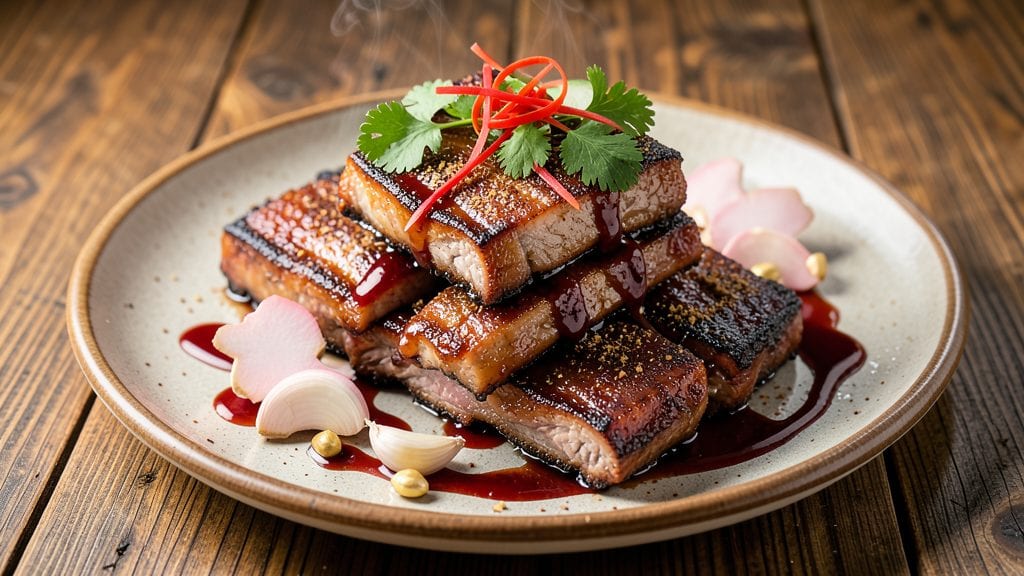
This pork shoulder country-style ribs Asian recipe marries my Georgia roots with the bold flavors of Asian cuisine—where smoky, tender meat meets a sweet-spicy glaze that’ll have your taste buds singing. 🔥 Growing up, pork was the heart of family gatherings, but years of perfecting whole-hog techniques taught me how to balance tradition with innovation.
The key? A marinade that tenderizes while infusing layers of ginger, garlic, and five-spice, followed by a glaze that caramelizes into a sticky, umami-rich finish.
The magic happens in the slow cook—whether you’re smoking, braising, or using a Dutch oven, the result is meat so tender it falls off the bone.
I’ve tested this recipe countless times, adjusting the glaze ratio to ensure it’s sticky enough to cling but not so sweet it overpowers the smoky depth of the ribs.
The Asian twist comes through in the sauce: a blend of hoisin, chili paste, and a touch of honey that creates that perfect sweet-spicy balance we all crave.
What you’ll end up with is a dish that’s equal parts comfort food and culinary adventure—crisp edges on the ribs, a glaze that glistens under the light, and flavors that dance between familiar and exciting.
Serve it with jasmine rice and quick-pickled veggies to round out the meal, or let the ribs shine as the star. This isn’t just a recipe; it’s a bridge between two worlds of flavor, and once you try it, you’ll never go back to plain old BBQ again.
Here’s the thing—this recipe works whether you’re feeding a crowd or treating yourself to a weekend project. The prep is straightforward, but the payoff is restaurant-quality ribs that’ll impress even the most seasoned pitmaster. Let’s get cooking!
Ingredients for pork shoulder country style ribs asian
Pork shoulder chunks, bold Asian flavors, and a sweet-spicy glaze that ties it all together.
| Ingredient | Amount | Notes |
|---|---|---|
| Pork Shoulder 🥩 | 4 lb | Bone-in, cut into 2-inch chunks |
| Fresh Ginger 🌿 | ½ cup | Grated, peeled, fresh preferred |
| Garlic Cloves 🧄 | 8 cloves | Peeled, minced, fresh preferred |
| Five-Spice Powder 🌶️ | 1 tbsp | Traditional Chinese blend |
| Hoisin Sauce 🍶 | ½ cup | Store-bought or homemade |
| Red Chili Paste 🌶️ | 2 tbsp | Thai or Vietnamese preferred |
| Honey 🍯 | ¼ cup | Wildflower or clover |
| Soy Sauce 🍶 | ¼ cup | Dark or light, to taste |
| Brown Sugar 🍚 | ¼ cup | Packed, light or dark |
| Rice Vinegar 🍶 | 2 tbsp | White or seasoned |
| Sesame Oil 🫒 | 1 tbsp | Toasted, for aroma |
| Salt 🧂 | 1 ½ tsp | Kosher or sea salt |
| Black Pepper 🌶️ | 1 tsp | Freshly ground |
| Jasmine Rice 🍚 | 2 cups | Uncooked, long-grain |
| Vegetable Oil 🫒 | 2 tbsp | For searing |
The pork shoulder is the star here—bone-in, cut into 2-inch chunks for maximum flavor and tenderness. Look for well-marbled cuts at Costco or your local butcher—they’ll have the best quality. If you’re feeling adventurous, ask for a whole pork shoulder and cut it yourself for consistency. The five-spice powder is non-negotiable for that authentic Asian depth, but if you can’t find it, a mix of cinnamon, star anise, fennel, and cloves works in a pinch. Fresh ginger and garlic make all the difference—skip the jarred stuff—it’s worth the extra minute to grate and mince them fresh.
No hoisin sauce? Substitute with a mix of soy sauce and a little molasses—it won’t be identical, but it’ll get you close. Short on chili paste? Red pepper flakes or cayenne will add heat, just dial it back if you’re sensitive. The honey can be swapped for maple syrup if you’re avoiding refined sugar, but honey’s floral notes play well with the umami. For the rice, jasmine rice is ideal, but basmati or even regular long-grain white rice will work. The key is to rinse it before cooking to remove excess starch—trust me on this.
This recipe reheats beautifully—store leftovers in an airtight container for up to 5 days. For extra crispiness, broil the ribs for 2-3 minutes before serving. The glaze thickens as it cools, so if it’s too runny, simmer it uncovered for a few minutes to reduce. Freezes well for up to 3 months, making it perfect for meal prep. Double the batch if you’re feeding a crowd—these ribs disappear fast.
Why You'll Love This Recipe
- One-Pot, One-Pan Magic: I don’t know about you, but I’m over dishes piling up in the sink. This recipe uses just a Dutch oven and a cutting board—no extra pots or pans required. The searing happens in the same pot where the sauce develops, and honestly, that’s where the flavor really happens.
- Sweet-Spicy Addiction: The hoisin sauce and honey create that perfect sticky-sweet glaze, while the red chili paste and five-spice powder add warmth and depth. It’s like a cross between your favorite BBQ and a sizzling Asian takeout plate—just better because you made it yourself.
- Freezer-Friendly Feast: I meal prep this all the time because it freezes beautifully for up to three months. Need a quick weeknight dinner? Pop it in the oven, and you’ve got a showstopper without spending hours in the kitchen.
- Budget-Friendly Crowd-Pleaser: A 4-pound pork shoulder feeds a family of four and leaves leftovers for lunch the next day. The ingredients are simple but pack serious flavor—no expensive cuts or fancy techniques needed. Plus, it’s the kind of dish everyone asks for seconds of.
Step-by-step instructions for sweet-spicy Asian pork shoulder ribs
Here's how to transform tough pork shoulder into fall-off-the-bone tender ribs with an addictive sweet-spicy glaze.
🔥 Step 1: Sear the Pork Shoulder for Deep Flavor
Heat a large Dutch oven over medium-high heat and add the 2 tablespoons vegetable oil. Once shimmering, carefully add the 4 lb pork shoulder cut into 2-inch chunks, working in batches to avoid crowding. Sear for 4-5 minutes per side until deeply browned and crispy in spots—this builds the flavor foundation.
Here's the thing—I press down gently on the pork with a metal spatula during the first minute of searing. This prevents it from curling and ensures even contact with the pan. As the pork releases from the pan, it's ready to move. Transfer the seared pork to a plate and set aside.
👨🍳 Step 2: Build the Sweet-Spicy Glaze Base
In the same Dutch oven (no need to wipe it clean—those browned bits are flavor gold), add the ½ cup grated fresh ginger and 8 minced garlic cloves. Cook for 2 minutes until fragrant and just starting to color. The aroma should fill your kitchen—this is where the magic begins.
Stir in the 1 tablespoon five-spice powder, 2 tablespoons red chili paste, and ¼ cup brown sugar. Cook for 1 minute until the spices bloom and the sugar begins to caramelize slightly. This creates the perfect balance of heat and sweetness that'll coat your ribs beautifully.
🥘 Step 3: Simmer in the Flavorful Marinade
Pour in the ½ cup hoisin sauce, ¼ cup soy sauce, ¼ cup honey, and 2 tablespoons rice vinegar. Add the seared pork back to the pot, turning to coat in the sauce. Bring to a gentle simmer, then reduce heat to low and cover partially. Let it cook for 3 hours, turning the pork occasionally to ensure even coating.
After 2 hours, check for doneness by inserting a meat thermometer into the thickest part—it should read 195-200°F. If not quite there, continue cooking another 30 minutes. The sauce should reduce to a thick, glossy consistency that'll stick beautifully to the meat.
🔥 Step 4: Finish with Smoky Crispiness
When the pork reaches the perfect tenderness, increase heat to medium-high and let the sauce reduce for 5-7 minutes until syrupy. Stir in the 1 tablespoon sesame oil and season with 1½ teaspoons salt and 1 teaspoon black pepper. The pork should be coated in a sticky, aromatic glaze that's both sweet and spicy.
Transfer the pork to a cutting board and let it rest for 10 minutes before slicing. This resting period is crucial—it allows the juices to redistribute, ensuring each bite is moist and packed with flavor. Serve with the 2 cups cooked jasmine rice to soak up all that delicious sauce.
Pro Tips For Making Pork Shoulder Country Style Ribs Asian
- CUT GINGER SMALLER THAN YOU THINK: I used to grate ginger into thick, rubbery chunks, and it never dissolved right into the sauce. For this recipe, pulse the peeled ginger in a food processor for 5 seconds first—it breaks down faster and releases more flavor into the 2-minute cook time. (Yes, even if you’re impatient like me.)
- DON’T SKIP THE 2-HOUR CHECK: That 195-200°F reading isn’t just a suggestion—it’s the difference between tender ribs and chewy disappointment. I learned this the hard way after pulling pork at 180°F and wondering why it fell apart when sliced. Use a meat thermometer, and if it’s not there after 2 hours, add another 30 minutes. The sauce will catch up.
- CARAMELIZE THE BROWN SUGAR FIRST: The brown sugar in this recipe isn’t just for sweetness—it’s for depth. When you add the ¼ cup brown sugar with the five-spice and chili paste, let it melt into a light amber color before stirring. That extra 30 seconds of caramelization makes the glaze richer and less cloying. (Your future self will notice.)
- USE SESAME OIL LAST—IT’S NOT A SEASONING: I used to add toasted sesame oil with the spices, and it burned every time. Stir it in only during the final 5-7 minutes of sauce reduction—just before the salt and pepper. This keeps its nutty aroma intact and prevents that bitter, acrid taste that kills the dish. A little goes a long way.
Pro cooking tips for this recipe
Mastering the Sear
I can’t stress enough how crucial that initial sear is—it’s the foundation of flavor. Use a heavy Dutch oven like my trusty Lodge 7-quart cast iron for even heat distribution. When searing the 4 lb pork shoulder, work in batches so the pan doesn’t get overwhelmed.
Press down gently with a spatula for those first 30 seconds to prevent curling—this ensures maximum browning and that Maillard reaction we all love. 🔥
Spice Blending Secrets
The five-spice powder is your secret weapon—don’t just toss it in. Toast it lightly in the oil with the ginger and garlic for 30 seconds before adding the rest of the glaze ingredients.
This releases the aromatic oils and deepens the flavor profile. I always use Penzeys five-spice blend because it’s balanced and consistent.
Temperature Control
Maintaining a steady low simmer is key during the 3-hour cook. If your heat fluctuates too much, the sauce will either burn or stay too thin. I use a digital thermometer like the Thermoworks Smoke to monitor the internal temp of the pork—aim for 195-200°F for that perfect tenderness.
Covering the pot partially lets steam escape, which prevents soggy meat.
Glaze Reduction
When reducing the sauce at the end, don’t rush it. Let it simmer uncovered for those final 5-7 minutes until it’s syrupy but not sticky. If it’s reducing too fast, add a splash of water or broth to slow it down.
The goal is a glaze that clings beautifully to the meat without being overly thick. I always taste as I go—adjust the balance of sweet and spicy to your preference.
Resting Like a Pro
This is where many home cooks mess up. After cooking, transfer the pork to a cutting board and let it rest for 10 minutes under foil. This allows the juices to redistribute throughout the meat, ensuring every bite is moist and flavorful.
I’ve seen people slice immediately after cooking, and it’s a shame—those juices end up on the plate, not in the meat.
Nutrition facts
Frequently asked questions
Why does this recipe use bone-in pork shoulder instead of boneless?
The bone-in cuts add incredible depth of flavor through the 3-hour simmer, infusing the sauce with rich, savory notes. Plus, the marrow naturally tenderizes the meat—you’ll get that melt-in-your-mouth texture without needing extra marinating. For a rustic touch, save the bones to make homemade bone broth later!
Can I adjust the spice level if I prefer milder flavors?
Reduce the 2 tbsp red chili paste to 1 tbsp for a gentler kick, or swap it for 1 tbsp sriracha if you want heat without the deep spice. Taste as you go—you can always add more later, but you can’t take it out! The five-spice powder adds warmth without spiciness, so keep that full amount for balance.
What’s the best way to serve these ribs to highlight the Asian-country fusion?
Pair the ribs with jasmine rice and a quick sesame-ginger slaw for contrast. Garnish with sliced scallions and a drizzle of extra glaze for color. For extra flair, arrange the ribs on a platter with steamed bok choy or edamame—this lets the smoky, sticky sauce shine while keeping the dish visually dynamic.
Will the ribs stick to the cutting board when I slice them?
Not if you follow the 10-minute rest! After cooking, transfer the ribs to a board and tent loosely with foil. This lets juices redistribute while preventing the glaze from becoming too sticky. If you’re still concerned, lightly mist the board with oil before slicing—it’ll make for cleaner cuts.