
Main Courses
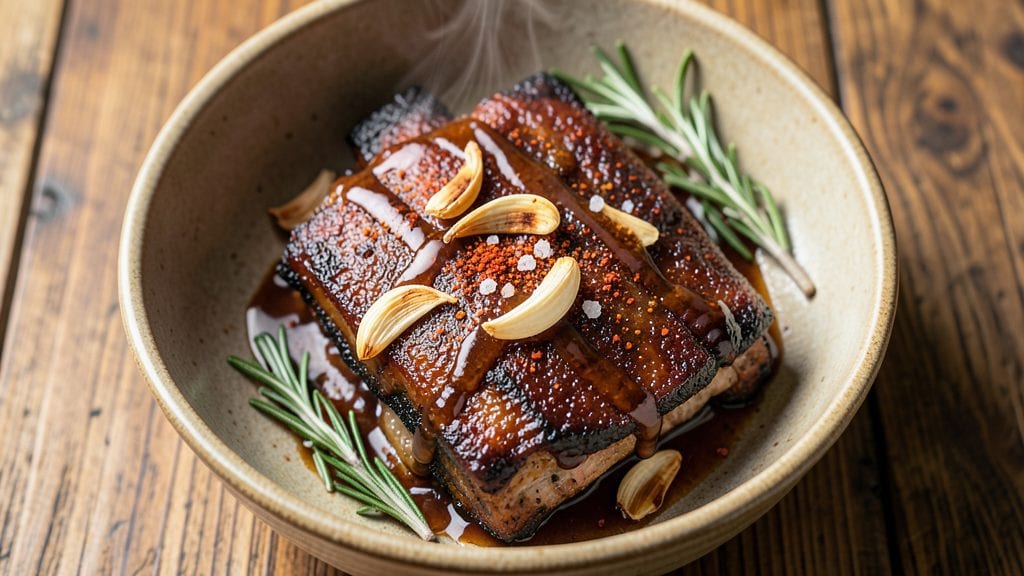
This pork shoulder spare ribs recipe is the secret weapon that turns home cooks into pitmasters—and I’ve spent years perfecting the slow-cooked tenderness and crispy edges that make all the difference.
Growing up in small-town Georgia, I learned that the secret to unforgettable ribs lies in patience, precise temperature control, and a dry rub that develops deep, smoky flavor. This isn’t just another recipe; it’s a method that transforms tough cuts into melt-in-your-mouth perfection, every time.
The key begins with selecting a pork shoulder cut (not traditional spare ribs) for its marbling and collagen content, which breaks down into rich, juicy meat during the 8–12 hour cook.
A simple yet powerful dry rub—paprika, brown sugar, garlic powder, and black pepper—forms a bark that caramelizes beautifully while keeping the meat moist.
The slow cook at 225°F ensures even heat penetration, and finishing with a quick sear in a hot pan delivers that coveted crispy texture without drying out the interior.
By the time you’re done, you’ll have ribs that pull apart effortlessly, with edges that crackle under your fingers and a sauce-like glaze from the rendered fat. The aroma alone will have guests lining up before the table’s even set.
Serve with classic sides like collard greens or cornbread to complete the Southern experience. Here’s how to achieve it step by step—just like I do at The Smoky Pig.
This method scales perfectly for gatherings, and leftovers reheat beautifully, making it ideal for meal prep. The beauty of this recipe is its flexibility: adapt the rub to your taste, adjust the cook time for your oven or smoker, and always trust the internal temperature—195°F is where magic happens.
Let’s get started on ribs that’ll have everyone asking for seconds.
Ingredients for pork shoulder spare ribs
The few ingredients that transform tough pork into melt-in-your-mouth ribs—smoky, sticky, and crispy at the edges.
| Ingredient | Amount | Notes |
|---|---|---|
| Pork Shoulder 🍖 | 4 lb | Bone-in, cut into 2-inch pieces |
| Paprika 🌶️ | 3 tbsp | Smoked variety preferred |
| Brown Sugar 🍚 | 2 tbsp | Light or dark, packed |
| Garlic Powder 🧄 | 1 ½ tbsp | Freshly ground preferred |
| Ground Black Pepper 🌶️ | 1 ½ tbsp | Freshly cracked for best flavor |
| Kosher Salt 🧂 | 1 ½ tbsp | Diamond Crystal preferred |
| Onion Powder 🧅 | 1 tbsp | For depth of flavor |
| Yellow Mustard 🍯 | 2 tbsp | Dijon or whole-grain preferred |
| Apple Cider Vinegar 🍎 | 2 tbsp | For tangy balance |
| Olive Oil 🫒 | 2 tbsp | For searing ribs |
| Yellow Onion 🧅 | 1 whole | Cut into wedges |
| Garlic Cloves 🧄 | 6 cloves | Smashed for infusion |
| Fresh Rosemary 🌿 | 2 sprigs | For aromatic depth |
| Beer 🍺 | 1 cup | Light lager or ale |
The pork shoulder is non-negotiable here—look for cuts with good marbling, and ask your butcher to trim excess fat if it's too thick. Costco or local butcher shops often have the best quality. If you can't find bone-in, bone-out is fine, but the bones add flavor as they render. For the rub, Penzeys or Spicewalla are great for quality spices, but the grocery store stuff works too if it's fresh. That said, if your paprika smells like dust, toss it—it's not worth the risk. The brown sugar should be packed, not scooped loosely, for that perfect caramelized bark.
No smoked paprika? Regular paprika plus a pinch of liquid smoke (about 1/2 tsp) gets you close. Short on garlic powder? Fresh garlic minced and toasted works wonders—just roast it in olive oil at 375°F for 5 minutes first. The mustard and apple cider vinegar might sound odd together, but trust me, they balance the sweetness perfectly. If you don't have beer, chicken broth or apple juice works in a pinch. For the onion, any variety works, but yellow or sweet onions hold up best during cooking. And if you're feeling fancy, swap the rosemary for fresh thyme or sage—both pair beautifully with pork.
These ribs reheat like a dream—just wrap them in foil and warm in a 300°F oven for 10-15 minutes. They keep well in the fridge for 3-4 days, though I rarely have leftovers that last that long. For freezing, wrap tightly in plastic and store for up to 3 months. Pro tip: Save the rendered fat in a jar—it's perfect for basting or even frying eggs later. And if you're cooking for a crowd, double the recipe—these ribs disappear fast, and no one will believe they're homemade.
Why You'll Love This Recipe
- One-Pan Magic: Honestly, this recipe turns a single sheet pan into your new best friend. You’re searing in the skillet, braising in the oven, then finishing with a broil—no extra dishes or fancy equipment. The only prep work is cutting the pork shoulder into 2-inch pieces and mixing the dry rub, which takes less time than waiting for water to boil.
- Smoky, Sweet, Addictive: That combination of smoked paprika, brown sugar, and freshly cracked black pepper? It’s like a flavor explosion in your mouth. The beer and apple cider vinegar in the braising liquid add a tangy depth, while the rosemary and garlic cloves infuse everything with warmth. I’ll be real: the first bite always makes my kitchen smell like a cozy Sunday dinner.
- Weeknight Hero: Between work, errands, and life, I need dishes that don’t require a PhD in cooking. This recipe lets you throw everything in the oven at 325°F while you prep sides or even just relax. The ribs cook themselves for 3 hours, and by the time they’re done, you’ve got dinner on the table with minimal effort. My kids even help pull them apart—no fancy techniques needed.
- Budget-Friendly Feast: Pork shoulder is one of the most affordable cuts out there, and this recipe stretches it into a meal for four people (or two hungry teens and me). The spices and beer are pantry staples, so you’re not spending extra on fancy ingredients. Plus, if you do have leftovers—which, let’s be honest, you probably won’t—they reheat beautifully and taste even better the next day.
Step-by-step instructions for pork shoulder spare ribs
Here's how to transform tough pork shoulder into melt-in-your-mouth ribs with perfect bark.
Prepare the Dry Rub and Season the Ribs
In a medium bowl, combine the 3 tablespoons paprika, 2 tablespoons brown sugar, 1½ tablespoons garlic powder, 1½ tablespoons ground black pepper, 1½ tablespoons kosher salt, and 1 tablespoon onion powder. Mix thoroughly until the spices are evenly distributed and the sugar dissolves slightly from the moisture in the spices.
Pat the 4 lb pork shoulder dry with paper towels—this helps the rub adhere better and promotes crispier edges later. Generously coat all sides of the meat with the spice mixture, pressing it into the crevices and bone areas. The ribs should look uniformly dusted with the rub. Place the seasoned pork shoulder on a plate, cover loosely with plastic wrap, and refrigerate for at least 1 hour (up to 12 hours for deeper flavor penetration).
Sear the Ribs for Maximum Flavor
Heat a large oven-safe skillet or Dutch oven over medium-high heat until hot. Add the 2 tablespoons olive oil and swirl to coat the bottom evenly. Carefully place the pork shoulder in the pan, fat-side down, and sear for 5-6 minutes until the fat begins to render and the meat develops a deep golden-brown crust.
Flip the ribs and sear the other side for another 4-5 minutes. Here's the thing—don't press down on the meat while searing. This releases juices that steam instead of crisp, ruining that perfect bark. If the pan isn't hot enough to get a good sear, let it heat up a bit more before continuing. Once both sides are well-browned, remove the skillet from the heat and set it aside.
Build the Braising Liquid and Slow Cook
In the same skillet (with all those precious browned bits still clinging), add the 1 yellow onion cut into wedges, 6 smashed garlic cloves, and 2 sprigs fresh rosemary. Cook for 2 minutes until the onions soften slightly and release their aroma. Pour in the 1 cup beer, scraping up any browned bits from the bottom of the pan—this is where all the flavor hides.
Add the 2 tablespoons yellow mustard and 2 tablespoons apple cider vinegar, stirring to combine. Return the pork shoulder to the skillet, fat-side up, and transfer it to a 325°F preheated oven. Cover tightly with a lid or foil and cook for 3 hours. This low-and-slow approach breaks down the connective tissue, turning tough meat into tender, pull-apart perfection.
Rest and Finish with Crispy Edges
After 3 hours, remove the pork shoulder from the oven and let it rest for 15 minutes before handling. This resting period allows the juices to redistribute throughout the meat. Once rested, increase the oven temperature to 425°F. Place the pork shoulder on a baking sheet and broil for 8-10 minutes until the edges develop a deep, caramelized crust.
For the final touch, use a meat thermometer to check the internal temperature—it should read 195-203°F in the thickest part. If it's not quite there, return it to the oven for another 5-10 minutes. The ribs should be fork-tender and pull apart easily. Serve immediately with extra braising liquid spooned over the top for maximum juiciness.
Pro Tips For Making Pork Shoulder Spare Ribs
- Sear Fat-Side First: DESCRIPTION: I learned this the hard way—starting with the lean side first means you’re fighting grease splatter and uneven browning. The fat renders slower, so let it hit the pan first. That golden crust locks in flavor, and you’ll get a deeper caramelization when you flip.
- Smash That Garlic: DESCRIPTION: Those 6 cloves of garlic aren’t just for show—smashed (not minced) means they infuse the braising liquid with bold, aromatic depth. Skip this, and you’re missing half the savory punch. A heavy spoon or rolling pin works best.
- Don’t Rush the Rest: DESCRIPTION: After 3 hours in the oven, giving it 15 minutes under foil isn’t optional—it’s the difference between juicy ribs and dry, stringy meat. I know, I know, but trust the process. Your knife will slide through like butter.
- Scrape the Pan Hard: DESCRIPTION: Those browned bits clinging to the skillet after searing? That’s where the magic lives. Use a wooden spoon to scrape aggressively when adding the beer—every crumb counts. Lazy scraping means flavor left behind.
Serving suggestions for this pork shoulder spare ribs
Classic Southern Sides
No pork shoulder spare ribs are complete without a side that soaks up those delicious braising juices. I always serve them with creamy mac and cheese—made with sharp cheddar and a touch of smoked gouda—because the ribs and macs are a match made in heaven.
For a lighter option, collard greens cooked with a ham hock (or chicken broth for veggie lovers) add a tangy, smoky contrast that balances the richness. 🥗
Bread & Dipping Sauces
Fresh cornbread straight from the oven is my go-to—its buttery crumbiness is perfect for mopping up every last drop of sauce. For dipping, a spicy apple cider vinegar reduction (made with the same vinegar from the recipe) adds a sweet-tangy kick that pairs beautifully with the ribs.
If you're feeling fancy, serve a honey-balsamic glaze for guests who want something sweeter.
Vegetable Pairings
Roasted sweet potatoes with a sprinkle of smoked paprika (using the same rub!) complement the ribs without overpowering them. I also love grilled asparagus tossed with lemon zest and olive oil—the bright acidity cuts through the meat’s richness.
For a Southern twist, add pickled okra to the table for a tangy, crunchy bite. 🌿
Beverage Matching
A cold light lager like Budweiser or Miller Lite cleanses the palate between bites, while an American wheat beer adds a citrusy contrast. For wine lovers, a dry Riesling or off-dry Gewürztraminer cuts through the fat beautifully.
I also swear by iced sweet tea—the perfect Southern pairing that’s refreshing and nostalgic. 🍺
Garnish & Presentation
Before serving, sprinkle the ribs with flaky sea salt and a few drops of truffle oil for an instant upgrade. Garnish with fresh rosemary sprigs or thinly sliced scallions for color and freshness.
Serve on a wooden cutting board with a rustic cloth napkin—this dish tastes even better when it looks like it came straight from a family gathering. 🍽️
Nutrition facts
Frequently asked questions
Why use pork shoulder instead of traditional spare ribs?
Pork shoulder delivers richer flavor and better texture than traditional spare ribs because it has more marbling and collagen. This cut transforms into melt-in-your-mouth perfection when slow-cooked, while traditional spare ribs can sometimes dry out. The shoulder’s fat content also creates a juicier, more flavorful result when braised properly. Plus, it’s more budget-friendly and widely available!
Can I skip the searing step before slow cooking?
While you can skip it, searing is essential for that crispy bark and deep flavor. The Maillard reaction happens during searing, creating those irresistible caramelized edges. If you skip it, your ribs will still be tender but lack the complex, smoky depth. Just make sure your pan is hot enough to render the fat properly—this is non-negotiable for the best results!
How do I know when the ribs are fully cooked?
Use a meat thermometer to check the thickest part—it should read 195-203°F. The ribs will also pull apart easily with a fork or knife. If they’re not quite there, return them to the oven for another 5-10 minutes. Trust the thermometer over guesswork—this ensures perfect tenderness without drying out the meat.
What’s the best way to reheat leftovers?
Wrap the ribs tightly in foil and reheat in a 300°F oven for 10-15 minutes. This keeps them moist and helps redistribute juices. Avoid microwaving, as it can make the meat dry. If you’re short on time, a skillet with a splash of braising liquid works too—just heat gently until warmed through.