
Main Courses
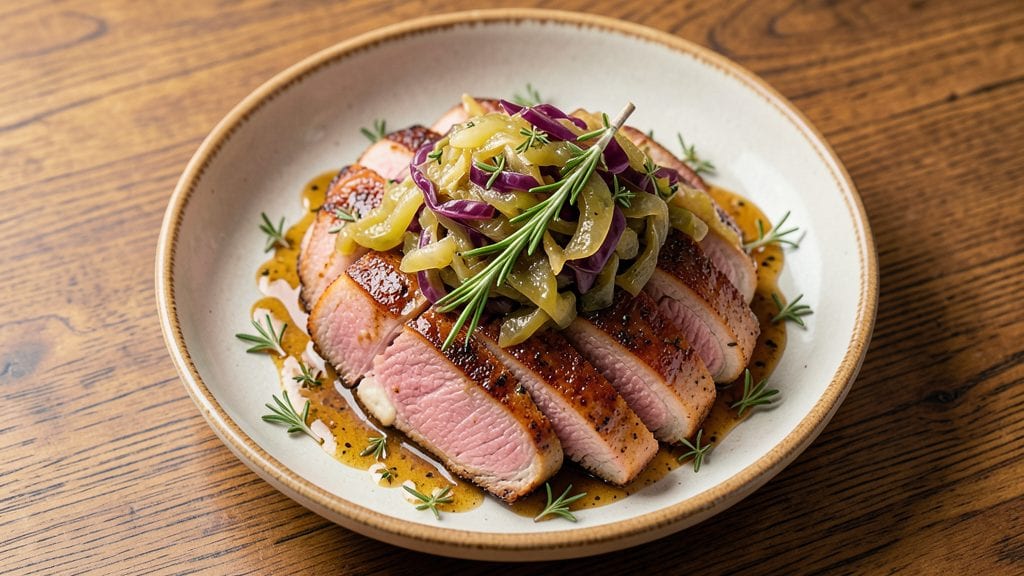
This pork tenderloin with sauerkraut recipe delivers perfectly tender, juicy meat paired with tangy fermented crunch—an ideal balance of richness and acidity.
The secret lies in searing the pork to lock in moisture before finishing it in the oven, while the sauerkraut adds a complex, slightly sour contrast that keeps every bite interesting. I developed this method after years of testing different braising techniques, and it consistently delivers restaurant-quality results at home.
The beauty of this dish is its versatility—it works as a standalone main course or pairs beautifully with roasted potatoes, applesauce, or crusty bread.
The caraway seeds in the sauerkraut add a subtle earthy note that complements the pork’s savory depth, while a touch of mustard or white wine in the pan elevates the flavors even further.
With just 30 minutes of active prep and 45 minutes of cooking time, this recipe is perfect for weeknight dinners or weekend gatherings.
By the time you serve it, you’ll have juicy pork with a golden crust and sauerkraut that’s tender yet still retains its signature crunch. The tangy, fermented flavors cut through the richness of the meat, creating a harmonious balance that’s both comforting and sophisticated.
This dish is foolproof, gluten-free, and packed with flavor—exactly what you need for a satisfying meal.
Serve it with a side of roasted vegetables or a dollop of creamy mashed potatoes to round out the plate. The combination of textures and flavors makes this recipe a standout for any occasion. Let’s get cooking!
Ingredients for pork tenderloin and sauerkraut
Juicy pork tenderloin meets tangy sauerkraut—a perfect balance of richness and acidity with just 13 quality ingredients.
| Ingredient | Amount | Notes |
|---|---|---|
| Pork Tenderloin 🥩 | 1 ½ lb | Center-cut, trimmed of fat |
| Unsalted Butter 🧈 | ½ cup | Cold, cut into 1-inch cubes |
| Sauerkraut 🥬 | 2 cups | Drained, rinsed if too acidic |
| Dijon Mustard 🍯 | 1 tbsp | High-quality, smooth variety |
| Dry White Wine 🍷 | ½ cup | Sauvignon Blanc or Pinot Grigio |
| Fresh Thyme 🌿 | ¼ cup | Leaves only, finely chopped |
| Fresh Rosemary 🌿 | ¼ cup | Needles only, finely chopped |
| Garlic Cloves 🧄 | 4 cloves | Minced, not pre-minced jarred |
| Diamond Crystal Kosher Salt 🧂 | 1 ½ tsp | For seasoning, not iodized |
| Ground Black Pepper 🌶️ | ½ tsp | Freshly cracked peppercorns |
| Apple Cider Vinegar 🍏 | 1 tbsp | For sauerkraut balance |
| Caraway Seeds 🌾 | ½ tsp | Toasted lightly for aroma |
| Fresh Parsley 🌿 | ⅛ cup | Chopped, for garnish |
The pork tenderloin is non-negotiable here—center-cut ensures maximum tenderness, while trimming excess fat prevents flare-ups during searing. Source from a reputable butcher or Whole Foods for consistent quality; their pre-trimmed cuts save time. For the sauerkraut, Rehrl brand is a professional favorite, but any unpasteurized, fermented variety (like those at Trader Joe's) will deliver that signature tang. If you prefer milder sauerkraut, rinse it thoroughly before using—though the acidity is what cuts through the pork's richness, so don't overdo it.
No white wine? Dry chicken stock works in a pinch, though the acidity won't be identical—apple cider vinegar can bridge the gap. Fresh herbs are ideal, but dried thyme at one-third the amount suffices if needed. For the caraway seeds, toast them lightly in a dry pan (30 seconds) to amplify their earthy aroma before adding to the sauerkraut. The Dijon mustard should be smooth, not coarse—Maille or Grey Poupon are reliable choices. Pre-minced garlic lacks freshness; smash whole cloves with the side of your knife for the best flavor.
Pork tenderloin keeps best 2 days in the fridge once trimmed—pat it dry before searing to ensure a perfect crust. Sauerkraut can be stored unopened for up to 1 year in the fridge, but once opened, transfer it to an airtight container and use within 3 months. The herb garnish stays vibrant for 5 days if wrapped in damp paper towels and sealed in a bag. For meal prep, cook the pork and sauerkraut separately, then reheat the sauerkraut gently before combining—this preserves its texture and prevents sogginess.
Why You'll Love This Recipe
- I’ll be real: the combination of caramelized sauerkraut, toasted caraway seeds, and that splash of dry white wine makes this dish dangerously good. The acidity cuts through the richness of the pork, while the garlic and fresh herbs keep it bright and complex—no blandness here.
- One-Pan Magic: Honestly, this is the kind of recipe where you throw everything in one skillet and walk away—no extra dishes, no stress. The pork tenderloin gets a quick sear, then braises in the same pan with sauerkraut, wine, and herbs. By the time you’re chopping parsley for garnish, dinner’s basically done.
- Sauerkraut’s Tangy Twist: I’ll be real: the combination of caramelized sauerkraut, toasted caraway seeds, and that splash of dry white wine makes this dish dangerously good. The acidity cuts through the richness of the pork, while the garlic and fresh herbs keep it bright and complex—no blandness here.
- Leftover Powerhouse: This is my secret weapon for busy nights. The pork tenderloin stays juicy even after reheating, and the sauerkraut just gets better with time—think of it as a flavorful side that’s already cooked. Pack it up for lunches or double the recipe for a crowd.
Step-by-step instructions for pork tenderloin with sauerkraut
Here's the method for achieving perfectly tender, juicy pork paired with tangy fermented crunch.
Prepare the Pork Tenderloin with Herb Butter Rub
Pat the 1½ lb pork tenderloin completely dry with paper towels, removing any surface moisture. This ensures a better sear and crispier exterior. In a small bowl, combine the ½ cup unsalted butter (cold, cut into 1-inch cubes), ¼ cup finely chopped fresh thyme, ¼ cup finely chopped fresh rosemary, 1½ tsp diamond crystal kosher salt, and ½ tsp ground black pepper. Rub this mixture all over the pork, pressing firmly to adhere. Let it sit at room temperature for 30 minutes while you prepare the sauerkraut.
Here's the thing—this herb butter isn't just flavor. The cold butter creates a protective layer that keeps the pork moist while building flavorful crust. Don't skip the room temperature step; cold meat cooks unevenly and can dry out.
Sear the Pork and Build the Sauerkraut Base
Heat a large oven-safe skillet over medium-high heat until hot. Add the pork and sear for 3-4 minutes per side until deep golden brown with crispy edges. Remove the pork and set aside. In the same skillet, add 2 cups drained sauerkraut and cook for 5 minutes until slightly softened and caramelized.
While the sauerkraut cooks, toast the ½ tsp caraway seeds in a dry pan over low heat for 1 minute until fragrant. Add these to the sauerkraut along with 1 tbsp dijon mustard, 1 tbsp apple cider vinegar, and 4 minced garlic cloves. Stir well and cook for another 2 minutes until everything is well combined. This step balances the sauerkraut's acidity while building deep flavor.
Braise the Pork for Maximum Tenderness
Return the seared pork to the skillet with the sauerkraut mixture. Pour in the ½ cup dry white wine and bring to a simmer. Transfer the skillet to a 375°F preheated oven. Braise for 20-25 minutes until the pork reaches an internal temperature of 145°F and is fork-tender.
Don't rush this step. The wine helps break down the pork's connective tissue while the sauerkraut's acidity tenderizes the meat. The pork should pull apart easily when pierced with a fork—this is your signal for perfect doneness.
Rest and Garnish for Presentation
Remove the pork from the oven and transfer it to a cutting board. Tent loosely with foil and let rest for 10 minutes. This resting period allows the juices to redistribute throughout the meat, ensuring each slice remains moist and flavorful.
While the pork rests, spoon the sauerkraut mixture over the top, basting it lightly. Garnish with ⅛ cup chopped fresh parsley just before serving. The parsley not only adds freshness but creates visual contrast against the rich pork and tangy sauerkraut. Serve each portion with a generous spoonful of the sauerkraut mixture for balanced flavor in every bite.
Pro Tips For Making Pork Tenderloin And Sauerkraut
- Don’t Skip the Wine Deglaze: That ½ cup dry white wine isn’t just for flavor—it lifts all the browned bits off the skillet, turning them into a rich sauce. Scrape aggressively with a wooden spoon while the pork rests, and you’ll end up with a glossy, flavor-packed coating for the sauerkraut instead of a dry pan.
- Toast Those Caraway Seeds: Lightly toasting the ½ tsp caraway seeds for 1 minute in a dry pan releases their nutty aroma before they even hit the sauerkraut. Skipping this step means missing that subtle depth—like comparing a black-and-white photo to a vibrant print.
- Check Internal Temp, Not Time: The recipe says 20-25 minutes at 375°F, but pork tenderloin lies. Use a meat thermometer—pull it out at 145°F, not when you think it’s done. Overcooking turns it into shoe leather, and no one’s coming back for seconds of that.
- Prep the Sauerkraut First: Drain and rinse the 2 cups sauerkraut before you start searing the pork. Cold, wet sauerkraut in a hot pan will steam instead of caramelize, and you’ll end up with a sad, watery mess. Do this step while the pork comes to room temp—it saves time and keeps the flavors sharp.
Health benefits of this recipe
Probiotics Powerhouse
This dish delivers a fermentation boost thanks to the sauerkraut, packed with live probiotics that support gut health and digestion. Just 1 cup of sauerkraut contains about 10 million probiotic cultures, helping maintain a healthy balance of gut bacteria.
The fermentation process also enhances nutrient absorption, making this meal not just delicious but also beneficial for your microbiome. 💪
Lean Protein Source
The pork tenderloin is a lean protein choice, providing 35 grams of protein per 100 grams while keeping saturated fat low. This makes it an excellent option for those watching their fat intake but still need muscle repair and satiety.
The combination with sauerkraut adds fiber and probiotics, creating a balanced meal that keeps you full longer.
Vitamin C Boost
Sauerkraut is surprisingly rich in vitamin C, with about 20% of your daily value per cup. This antioxidant helps support immune function and collagen production, keeping your skin and tissues healthy.
The pork tenderloin also contributes small amounts of vitamin C, making this dish a subtle but effective immune-supporting meal.
B Vitamins for Energy
Both pork tenderloin and sauerkraut are packed with B vitamins, particularly B12, niacin, and riboflavin, which play crucial roles in energy metabolism and nerve function.
The pork provides B12, essential for red blood cell production, while the sauerkraut contributes folate and vitamin B6, supporting overall energy levels and cognitive function. Together, they create an energizing meal. ✨
Low-Calorie, High-Flavor
This dish is surprisingly low in calories—around 350-400 calories per serving—but delivers maximum flavor and satisfaction. The sauerkraut adds crunch and tang without excess calories, while the pork tenderloin provides protein and richness.
It’s a perfect choice for those looking to enjoy a hearty meal without overdoing it on calories.
Nutrition facts
Frequently asked questions
Why does this recipe call for sauerkraut instead of regular cabbage?
The sauerkraut adds a tangy, fermented depth that balances the pork’s richness while introducing beneficial probiotics. Fermentation also softens the cabbage texture naturally, creating that perfect crunch without overcooking. Regular cabbage lacks this acidity and probiotic boost, which makes the dish more flavorful and nutritious.
Can I substitute dry white wine with something else if I don’t have any?
Use ½ cup dry chicken stock or ¼ cup apple cider vinegar mixed with ¼ cup water to mimic the acidity. The flavor won’t be identical, but it’ll still tenderize the pork and add depth. For extra richness, add a splash of broth during braising.
What’s the best way to check if the pork is done without cutting into it?
Use a meat thermometer to check the thickest part of the pork—it should reach 145°F. If you don’t have one, press gently with a fork. When the juices run clear and the meat pulls apart easily, it’s perfectly cooked. Overcooking can dry it out, so 145°F is the sweet spot.
How do I store leftovers to keep the sauerkraut from getting soggy?
Let the pork cool completely, then separate it from the sauerkraut. Store the pork in an airtight container for 2 days in the fridge, and reheat gently. For the sauerkraut, keep it in a separate container—it’ll stay crisp if you spread it out on a tray before covering. Reheat only when ready to serve to preserve texture.