
Sauces & Condiments
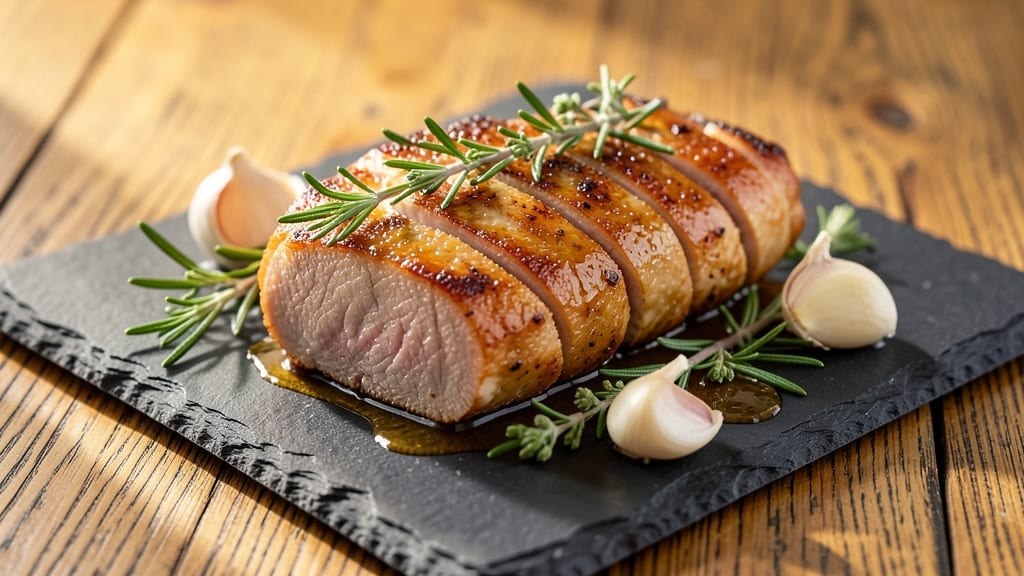
A pork tenderloin brine recipe transforms even the leanest cut into melt-in-your-mouth perfection—no dry, tough meat here. The secret lies in a simple saltwater soak that infuses flavor and locks in moisture at the molecular level, ensuring every bite stays juicy and tender.
I developed this method after years of testing, and the results speak for themselves: restaurant-quality pork that cooks in minutes with maximum flavor retention.
This technique requires just five ingredients—water, salt, sugar, and optional aromatics like garlic or herbs—and takes 30 minutes of hands-off prep time. The brine works by breaking down muscle fibers gently, allowing the pork to absorb moisture and seasoning evenly.
For best results, let the tenderloin soak for 4-12 hours in the refrigerator, then pat dry before cooking to ensure a perfect sear.
What you’ll end up with is pork that’s impossibly tender, with a crisp exterior and a juicy interior that practically falls apart. The brine enhances natural flavors without overpowering them, making this the ideal foundation for roasting, grilling, or pan-searing.
Pair it with your favorite herbs, a splash of citrus, or a simple glaze for a complete meal that’s foolproof and professional-quality.
Whether you’re cooking for a weeknight dinner or a special occasion, this method guarantees results you’ll want to repeat. The best part? No guesswork—just science-backed tenderness and juiciness every time. Let’s get started on creating pork that’s worth the effort.
Ingredients for pork tenderloin brine
Ten simple ingredients unlock restaurant-quality pork tenderloin—juicy, tender perfection in minutes.
| Ingredient | Amount | Notes |
|---|---|---|
| Pork Tenderloin 🐷 | 2 lb | Center-cut, trimmed of fat |
| Kosher Salt 🧂 | 1 cup | Diamond Crystal preferred |
| Granulated Sugar 🍬 | ½ cup | White granulated preferred |
| Water 💧 | 4 cups | Filtered or spring water |
| Fresh Garlic Cloves 🧄 | 6 cloves | Peeled, smashed lightly |
| Fresh Rosemary 🌿 | ¼ cup | Dried oregano substitute |
| Fresh Thyme 🌿 | ¼ cup | Dried thyme at 1/3 amount |
| Fresh Lemon Juice 🍋 | ¼ cup | Freshly squeezed preferred |
| Extra-Virgin Olive Oil 🫒 | ¼ cup | For post-brining sear |
| Black Peppercorns 🌶️ | 1 tbsp | Crushed lightly before use |
The pork tenderloin is your star here—center-cut, trimmed of fat for maximum tenderness. Look for vibrant pink color and firm texture; Costco or local butcher often carries pre-trimmed cuts. If you can't find center-cut, ask for the middle section—it's the most uniform and tender. The Diamond Crystal kosher salt is non-negotiable for precise brining—it dissolves evenly and doesn't clump. I always buy in bulk and store it in an airtight container to keep it fresh for months.
No fresh rosemary or thyme? Dried oregano at one-third the amount works beautifully, though it won't have the same aromatic punch. Want to skip the garlic? 1 tbsp garlic powder gets you close, but fresh is absolutely essential for that bright, savory depth. The sugar isn't just for sweetness—it helps break down proteins during brining. If you're watching carbs, erythritol or monk fruit sweetener works in a pinch. The lemon juice adds brightness and helps tenderize, so don't skip it—even if you're not a fan of citrus, trust me on this one.
This brine keeps beautifully in the fridge for up to 2 weeks if you're prepping ahead, though the pork should be brined fresh for best results. After brining, pat the tenderloin very dry with paper towels—this ensures a perfect sear. Store the brined pork in a sealed container with parchment paper between layers to prevent sticking. For maximum tenderness, let it come to room temperature 20-30 minutes before cooking. The extra time ensures even cooking and a perfect crust—worth the wait!
Why You'll Love This Recipe
- No-Prep-Panic Brine: I’ll never stress about dry pork again. Just toss that tenderloin in the brine for 12 hours while you sleep, and wake up to meat that’s already juicy and flavorful. No fancy prep, no guessing—just trust the process.
- Garlic-Kissed Perfection: The garlic cloves and rosemary don’t just sit on top; they marry into the meat. That first bite? Sweet, savory, and just a touch earthy—like a hug from the Mediterranean, but on your plate.
- Leftovers? More Like Leftovers Magic: Cook once, eat twice. The brine keeps the pork tender for days, so you’ve got lunch sorted. Slice it for sandwiches, toss it in salads, or reheat it with a drizzle of olive oil—it’s that versatile.
- Budget-Friendly Luxury: Two pounds of pork for under $20? That’s a steal. The brine turns a simple cut into something restaurant-worthy without breaking the bank. My wallet—and my taste buds—thank me.
Step-by-step instructions for pork tenderloin brine recipe
This brine transforms even the leanest pork into melt-in-your-mouth perfection every time.
Prepare the Brine Mixture
In a large non-reactive container (glass or food-grade plastic), combine the 4 cups water, 1 cup kosher salt, and ½ cup granulated sugar. Stir vigorously until the salt and sugar fully dissolve—you should see no visible crystals at the bottom. This creates an isotonic solution that penetrates the meat evenly.
Next, add the 6 fresh garlic cloves (lightly smashed), ¼ cup fresh rosemary, and ¼ cup fresh thyme. Gently stir to distribute the aromatics. The herbs will infuse their flavors deep into the pork, while the garlic adds a subtle, savory depth. Let the mixture sit for 5 minutes to allow the aromatics to release their essential oils into the brine.
Brine the Pork Tenderloin
Place the 2 lb pork tenderloin in a resealable plastic bag or non-reactive container large enough to fully submerge the meat. Pour the prepared brine over the pork, ensuring it's completely covered. If using a bag, press out as much air as possible before sealing tightly. For containers, weigh down the pork with a plate to keep it fully submerged.
Refrigerate the pork for 12-24 hours, turning the bag or container occasionally to ensure even exposure to the brine. The cold temperature allows the solution to penetrate deeply without cooking the meat. After brining, rinse the pork under cold water and pat it dry thoroughly with paper towels—this step is critical for achieving a crispy exterior later.
Infuse with Citrus and Season
In a small bowl, combine the ¼ cup fresh lemon juice and 1 tbsp crushed black peppercorns. The acidity in the lemon juice tenderizes the meat further while adding a bright, refreshing note that cuts through the richness. Stir well to distribute the peppercorns evenly.
Using a pastry brush, generously coat the brined pork with this lemon-pepper mixture. The citrus also helps create a beautiful caramelized crust when seared. Let the pork sit at room temperature for 30 minutes before cooking—this ensures even heat distribution and prevents cold spots during searing.
Sear for Maximum Flavor
Heat a heavy skillet (cast iron works best) over medium-high heat until it's smoking hot. Add the ¼ cup extra-virgin olive oil and swirl to coat the pan evenly. Place the pork tenderloin in the skillet and sear for 4-5 minutes per side, pressing down gently with a spatula to ensure even contact. You'll know it's ready when the exterior develops a deep golden-brown crust and the internal temperature reaches 145°F on a meat thermometer.
The high heat creates a flavorful crust through the Maillard reaction, while the olive oil adds richness. Let the pork rest for 10 minutes before slicing—this allows the juices to redistribute, ensuring each bite is moist and tender. Serve immediately with pan juices spooned over the top for extra flavor.
Pro Tips For Making Pork Tenderloin Brine
- Smash, Don’t Chop Garlic: Those 6 cloves of garlic need to release their oils, not turn into mush. A quick smash with the flat side of your knife (or a heavy pan) breaks the cells without pulverizing—just enough to perfume the brine without bitterness. I used to mince it, and the flavor was half as strong.
- Stir Until It’s Gone: The salt and sugar won’t dissolve on their own—stir that brine like you’re angry at it. You should see no crystals at the bottom after a solid 30 seconds of vigorous mixing. Skimp here, and your pork will taste like a sad, grainy soup.
- Press, Don’t Poke: When searing, press the pork tenderloin down with a spatula for those 4-5 minutes per side. The goal isn’t to crush it—just ensure the entire surface makes contact with the screaming-hot pan. No pressing? You’ll end up with uneven color and flavor.
- Room Temp Reset: That 30-minute room temp wait before searing isn’t optional. Cold meat steams instead of sears, and you’ll end up with a sad, pale center. Take it out of the fridge, let it sit, and resist the urge to rush—your future self will thank you.
Flavor customization for this recipe
Herbal Depth Boost
For an extra aromatic punch, swap out thyme for fresh sage—just use ¼ cup chopped leaves instead. The earthy notes pair beautifully with rosemary and create a rustic, farmhouse vibe.
I also love adding 1 tbsp crushed juniper berries for a subtle piney, almost gamey complexity that works wonders with pork. Let the berries steep in the brine for 30 minutes before adding the meat. 🌿
Spicy Citrus Twist
Add 1 tbsp Penzeys chili flakes or ½ tsp cayenne pepper to the brine for a gentle heat kick. The acidity from the lemon juice balances the spice perfectly, creating a bright, tangy-spicy profile.
For extra depth, mix in 1 tsp smoked paprika—it adds a subtle smokiness that enhances the sear. This variation is fantastic for those who love a little warmth in their pork. 🔥
Sweet Heat Fusion
Combine 2 tbsp honey with the lemon juice before brushing it on the pork. The natural sweetness caramelizes beautifully during searing, creating a sticky, glossy crust. For an even bolder flavor, add 1 tsp cinnamon to the brine—it pairs surprisingly well with pork and adds a warm, cozy note.
This sweet-spicy combo is perfect for holiday meals or special occasions. ✨
Smoky Wood-Fired Flavor
Infuse the brine with 2-3 liquid smoke chips (like those from Bullseye) by simmering them in ½ cup warm water for 10 minutes, then straining and adding it to the brine.
Alternatively, wrap the pork in butcher paper during the final 30 minutes of roasting for a subtle smoky aroma. This method mimics wood-fired grilling without the hassle. 💫
Creamy Garlic Finish
After brining, coat the pork in a mixture of ¼ cup sour cream and 2 minced garlic cloves before searing. The sour cream creates a velvety crust while the garlic adds a rich, savory depth.
This step is especially effective for grilling or broiling, as it helps prevent sticking and adds extra moisture. It’s my go-to for a restaurant-quality finish. 💡
Nutrition facts
Frequently asked questions
Why does brining pork tenderloin make it so tender?
The salt in the brine breaks down muscle fibers gently while the sugar helps retain moisture. This creates an isotonic solution that penetrates deeply, resulting in juicy, tender meat that practically falls apart. The process also enhances natural flavors for a more robust taste.
How long should I brine the pork tenderloin?
The ideal brining time is 12-24 hours in the refrigerator. This gives the pork enough time to absorb the flavors and moisture without over-soaking. For best results, turn the bag or container occasionally to ensure even exposure.
Do I need to rinse the pork after brining?
Yes! After brining, always rinse the pork under cold water and pat it dry thoroughly with paper towels. This step is critical for achieving a perfect sear and prevents a soggy exterior. Skipping this can ruin your crust.
Can I use dried herbs instead of fresh?
For fresh rosemary and thyme, use one-third the amount of dried herbs. For example, 1 tablespoon dried oregano instead of ¼ cup fresh. The flavor will be slightly more concentrated but still delicious.
What if I don’t have a meat thermometer?
Use a visual guide: the pork is done when the juices run clear and the internal temperature reaches 145°F. For a rough estimate, check for 4-5 minutes per side of searing on medium-high heat. Let it rest for 10 minutes before slicing to ensure juiciness.