
Main Courses
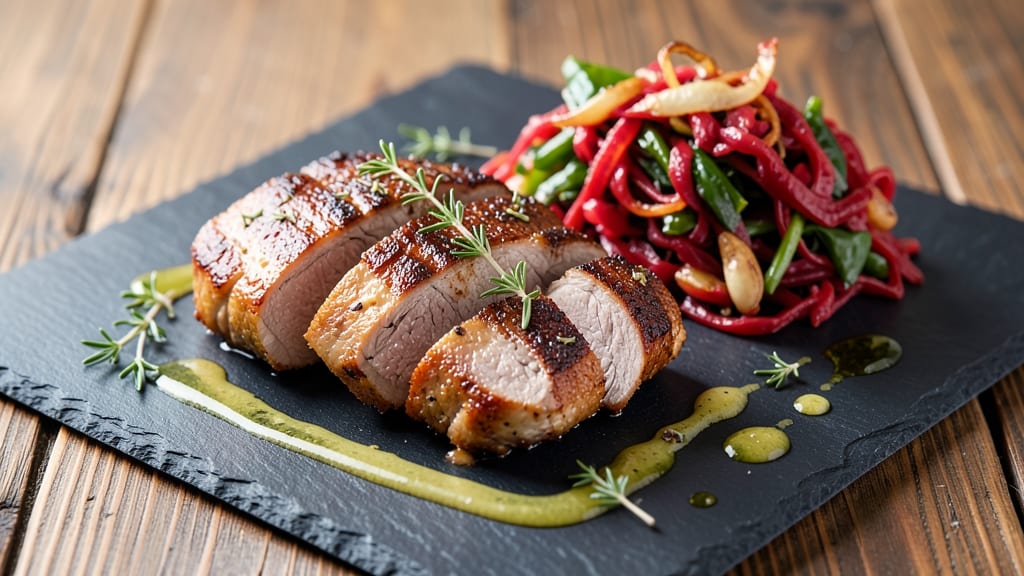
This pork tenderloin with sauerkraut recipe delivers perfectly juicy, tender meat paired with that signature tangy crunch we all love. Growing up in small-town Georgia, I learned pork transforms any meal—especially when balanced with fermented flavors that cut through richness.
The secret lies in precise seasoning and controlled roasting to lock in moisture while caramelizing the edges just right.
What makes this dish truly special is how the sauerkraut elevates the pork rather than competing with it. Whether you sauté it until golden or serve it raw for that bright, acidic bite, it adds depth that turns a simple roast into something memorable.
The combination of tender meat and fermented crunch creates a balance that’s both comforting and sophisticated—ideal for weeknight dinners or special occasions.
By following this method, you’ll achieve a pork tenderloin with an internal temperature of 145°F, ensuring it stays juicy and flavorful from first bite to last. The sauerkraut, whether caramelized or served fresh, adds a complexity that makes this dish stand out.
Serve with roasted potatoes or a mustard cream sauce for the full experience—this is pork done right.
One of my favorite tricks is using a cast iron skillet for both searing and roasting—it creates that perfect crust while keeping the center moist. The sauerkraut’s acidity also helps tenderize the meat slightly as it cooks, making every slice irresistibly succulent.
This is the kind of recipe that reminds you why home-cooked meals can’t be beat.
Ingredients for pork tenderloin with sauerkraut
Pantry staples meet Georgia-style comfort—juicy pork and tangy crunch in one perfect dish.
| Ingredient | Amount | Notes |
|---|---|---|
| Pork Tenderloin 🥩 | 1 ½ lb | Center-cut, trimmed of fat |
| Sauerkraut 🥬 | 2 cups | Unopened jar preferred, drained |
| Unsalted Butter 🧈 | 2 tbsp | Cold for searing, full-fat |
| Extra-Virgin Olive Oil 🫒 | 1 tbsp | For finishing, fruity variety |
| Fresh Thyme Leaves 🌿 | ¼ cup | Chopped, stems removed |
| Garlic Cloves 🧄 | 4 cloves | Peeled, thinly sliced |
| Diamond Crystal Kosher Salt 🧂 | 1 ½ tsp | For seasoning, not iodized |
| Freshly Ground Black Pepper 🌶️ | ½ tsp | Coarsely cracked |
| Russet Potatoes 🥔 | 1 ½ lb | Cut into even chunks |
| Yellow Onion 🧅 | 1 whole | Thinly sliced, white part |
| Apple Cider Vinegar 🍏 | 1 tbsp | For deglazing, organic preferred |
| Honey 🍯 | 1 tbsp | Wildflower for depth |
| Dijon Mustard 🍯 | 1 tsp | For caramelized sauerkraut |
| Fresh Parsley 🌿 | ⅛ cup | Chopped, for garnish |
The pork tenderloin is your star here—center-cut and trimmed ensures maximum tenderness. Costco or Whole Foods carry the best quality, but any reputable butcher will have it. Look for even thickness (about 1.5 inches) so it cooks uniformly. The sauerkraut? Unopened jars from the refrigerated section have the best flavor—Bubbies or Maslowski's are my go-tos. Drain it well before using, but save that liquid for another dish (it's liquid gold).
No fresh thyme? Dried works at half the amount, but trust me on the fresh—it makes a difference. Running low on apple cider vinegar? White wine vinegar in a pinch, but the apple flavor really complements the pork. The potatoes can be Yukon Golds if you prefer creamier texture, but Russets hold up great to roasting. For the sauerkraut caramelization, I like to add a splash of balsamic vinegar if I'm feeling fancy—just 1 teaspoon does the trick.
This dish reheats beautifully—wrap tightly in foil and warm in a 300°F oven for 15 minutes. The pork keeps 3-4 days in the fridge, while the caramelized sauerkraut lasts 5 days (if it lasts that long). I always make extra sauerkraut because it's perfect over eggs the next morning. Store potatoes separately—they'll absorb flavors otherwise. Freeze the pork for up to 3 months if you're prepping ahead.
Why You'll Love This Recipe
- One-Pan Magic: I swear by this recipe when I’m too tired to wash dishes—just sear the pork, toss in the sauerkraut, and let the butter and thyme work their magic. The pan’s already half-clean by the time you’re done.
- Tangy-Creamy Balance: That first bite of crispy pork with the cool, briny sauerkraut? It’s like a flavor hug. The butter melts into the sauerkraut, softening its bite while the thyme adds a bright, earthy kick—no heavy sauces needed.
- Leftovers That Don’t Suck: Between us, most pork leftovers turn into sad, dry slabs. Not this. The sauerkraut keeps it juicy, and I’ve reheated slices straight from the fridge for sandwiches or salads—zero regret.
- Budget-Friendly Feast: Pork tenderloin is lean but packs serious protein, and sauerkraut stretches it into a meal that feeds four for under $15. Honestly, it’s my go-to when I need to stretch groceries without sacrificing taste.
Step-by-step instructions for pork tenderloin with sauerkraut
Here's how to transform simple ingredients into a perfectly tender pork tenderloin with caramelized sauerkraut.
Prepare the Pork Tenderloin for Even Cooking
Pat the 1½ lb pork tenderloin completely dry with paper towels—this ensures maximum crispiness on the outside. Place it on a cutting board and make a few shallow slashes (about ¼-inch deep) along the length of the meat. This helps prevent curling during cooking and allows for even seasoning penetration.
In a small bowl, combine 1½ tsp diamond crystal kosher salt, ½ tsp freshly ground black pepper, and ¼ cup chopped fresh thyme leaves. Rub this mixture all over the pork, pressing it into the slashes. Let the seasoned meat rest at room temperature for 20 minutes—this ensures even cooking from edge to center. The thyme will infuse the meat with aromatic depth while the salt helps tenderize the surface.
Sear and Roast the Pork to Juicy Perfection
Preheat your oven to 425°F. Heat a large oven-safe skillet over medium-high heat and add 2 tbsp unsalted butter and 1 tbsp extra-virgin olive oil. Once the butter begins to foam, add the pork tenderloin and sear for 3-4 minutes per side until the exterior develops a deep golden-brown crust. This initial sear locks in juices while creating a flavorful barrier.
Transfer the skillet to the preheated oven and roast for 15-20 minutes, or until the internal temperature reaches 145°F when measured with a meat thermometer. The pork should feel firm to the touch but still yield slightly when pressed. Remove from the oven and let it rest for 10 minutes before slicing—this crucial step allows the juices to redistribute, ensuring each bite remains moist and succulent.
Caramelize the Sauerkraut with Sweet and Tangy Flavors
While the pork rests, heat a separate skillet over medium heat and add 1 tbsp extra-virgin olive oil. Add 1 thinly sliced yellow onion and cook for 5 minutes until softened. Add 2 cups sauerkraut, 1 tbsp apple cider vinegar, 1 tbsp honey, and 1 tsp Dijon mustard, stirring to combine. Cook for 8-10 minutes until the sauerkraut begins to soften and release its tangy juices.
Add 4 thinly sliced garlic cloves and cook for an additional 2 minutes until fragrant. The honey and vinegar create a beautiful caramelized glaze that balances the fermented sharpness of the sauerkraut. Remove from heat and keep warm until serving.
Roast the Potatoes for Crispy, Flavorful Sides
Preheat the oven to 400°F while the pork rests. Cut 1½ lb russet potatoes into 1-inch chunks and toss them in a large bowl with 1 tbsp extra-virgin olive oil, ½ tsp diamond crystal kosher salt, and ½ tsp freshly ground black pepper. Spread the potatoes evenly on a baking sheet and roast for 25-30 minutes, stirring once halfway through, until golden brown and crispy on the edges.
The high heat caramelizes the potato starches, creating a satisfying crunch that contrasts beautifully with the tender pork and sauerkraut. The crispy exterior gives way to a fluffy interior, making each bite irresistible.
Assemble and Garnish for a Complete Dish
Slice the rested pork tenderloin into ½-inch thick medallions and arrange them on a platter. Spoon the caramelized sauerkraut mixture over the top, allowing the tangy-sweet glaze to coat the meat. Surround the pork with the crispy roasted potatoes and drizzle any accumulated pan juices from the pork over the top for extra flavor.
Garnish with ⅛ cup chopped fresh parsley just before serving to add a bright, fresh contrast to the rich, savory dish. The parsley not only enhances the presentation but also balances the deep flavors with its herbal brightness. Serve immediately while everything is at its peak temperature and texture.
Pro Tips For Making Pork Tenderloin With Sauerkraut
- DRY THE PORK THOROUGHLY: I used to skip this step and wondered why my sear never got that golden crust—wet meat just steams instead of browning. Grab those paper towels and really dry the pork before seasoning; you’ll hear that satisfying sizzle when it hits the butter and oil, and the crust will be worth the extra 30 seconds.
- SLASH THE TENDERLOIN DEEPER: The recipe says ¼-inch slashes, but I’ve found going a little deeper—about halfway through—lets the seasoning and thyme penetrate better. Just don’t go too wild, or you’ll end up with a shredded mess instead of a juicy medallion.
- DON’T SKIP THE 10-MINUTE REST: I know, I know—you’re starving and the pork looks perfect. But slicing into it too soon means dry, stringy bites. That 10-minute rest under foil is when the juices redistribute, and it’s the difference between a good dish and a great one. (Yes, even if you’re impatient like me.)
- CARAMELIZE THE SAUERKRAUT LOW AND SLOW: The recipe says 8-10 minutes, but if your sauerkraut is still sharp and raw-tasting, crank the heat down just a touch. The honey and vinegar need time to break down and mellow out the tang—like a good marriage, it takes patience. Stir occasionally, and you’ll get that glossy, balanced glaze instead of a burnt mess.
Common mistakes when making great pork tenderloin with sauerkraut
Skipping the Rest
One of the most common mistakes I see is slicing into that pork tenderloin too soon after it hits 145°F. That 10-minute rest is non-negotiable—it lets the juices redistribute so every bite is moist, not dry.
I’ve seen home cooks rush this step, and the result? A sad, stringy mess. Patience here is everything. 💡
Overcooking the Sauerkraut
Sauerkraut loves low and slow, but some folks crank the heat too high, turning it into a mushy, flavorless sludge. Keep it at medium heat and stir occasionally—8-10 minutes max. If you’re adding honey or vinegar, reduce the heat even more to let those flavors meld without burning.
I’ve burned sauerkraut before, and let me tell you, it’s not pretty.
Skipping the Sear
That initial sear in the cast iron skillet with butter and olive oil isn’t optional—it’s the secret to that perfect crust. Skip it, and you’ll end up with a bland, pale slab of meat.
The Maillard reaction happens in those first 3-4 minutes of searing, giving your pork that irresistible depth. Trust me, it’s worth the effort.
Ignoring the Sauerkraut Liquid
Draining the sauerkraut is a must, but don’t toss that liquid! It’s packed with probiotics and tangy flavor. Save it for gravies, soups, or even a quick sauerkraut soup.
I once threw it out, and I’ve regretted it ever since. That liquid is pure gold for balancing rich dishes like this one.
Under-Salting the Pork
Using 1½ tsp kosher salt might seem like a lot, but pork tenderloin is lean and benefits from bold seasoning. Under-salting leaves it bland, no matter how well you cook it.
I’ve learned this the hard way—once I forgot to season enough, and the dish tasted like plain meat. Don’t make that mistake!
Overcrowding the Potatoes
Roasting potatoes in a single layer is key for crispiness, but some cooks pile them too high. This traps steam and turns them into soggy cubes instead of crispy gems.
Spread those 1-inch chunks in a single layer on your baking sheet, and stir halfway through for even cooking. It’s a small step, but it makes all the difference.
Nutrition facts
Frequently asked questions
Why does this recipe call for slashing the pork tenderloin?
The shallow slashes (about ¼-inch deep) prevent the pork from curling during cooking and allow seasoning to penetrate evenly. This ensures a perfectly cooked center without dry edges. It’s a simple trick that makes all the difference for juicy results!
Can I use raw sauerkraut instead of caramelized?
Raw sauerkraut adds a bright, tangy crunch that pairs beautifully with the pork. Simply toss it with a drizzle of extra-virgin olive oil and a pinch of kosher salt before serving. The acidity cuts through the richness of the meat, making it a fantastic option.
How do I prevent the roasted potatoes from sticking?
Make sure to toss the potato chunks with 1 tbsp olive oil and season them well before roasting. Spread them in a single layer on the baking sheet—overcrowding traps steam and causes sticking. Stirring halfway through ensures even crispiness. A light spray of oil on the sheet helps too!
What if I don’t have fresh thyme?
No problem! Use ½ tsp dried thyme instead—just halve the amount since dried herbs are more concentrated. The flavor will still infuse the pork beautifully, though fresh thyme adds a brighter aroma. It’s a great backup option.
Can I make this dish ahead of time?
The pork tenderloin freezes well for up to 3 months, and the caramelized sauerkraut lasts 5 days in the fridge. Reheat gently in a skillet or oven—just add a splash of water or broth to keep it moist. The flavors only get better as they meld!