
Recipes/Cooking
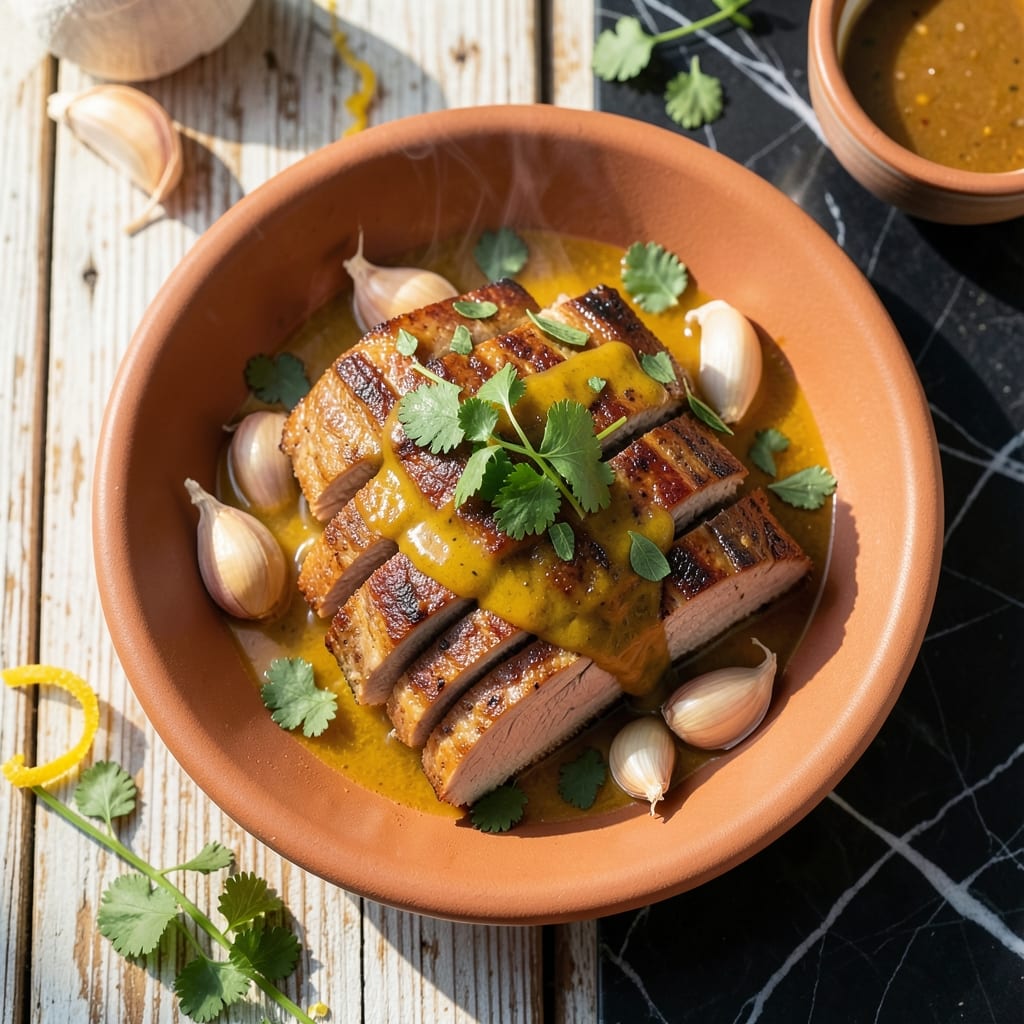
This Puerto Rican pork tenderloin recipe delivers tender meat infused with vibrant island flavors. The secret lies in a traditional mojo marinade that transforms simple pork into a memorable dish.
I developed this method after studying authentic Puerto Rican techniques, focusing on balancing citrus, garlic, and herbs. The marinade works its magic in just 2 hours, making it perfect for weeknight dinners.
The result is juicy, flavorful pork with a caramelized exterior that pairs beautifully with rice and beans. Each bite carries the bright, aromatic essence of the Caribbean.
Serve with fresh cilantro and lime wedges for an authentic touch. The flavors deepen if marinated overnight.
Ingredients for puerto rican pork tenderloin
Bright citrus, bold garlic, and fresh herbs create this island-inspired pork tenderloin.
| Ingredient | Amount | Notes |
|---|---|---|
| Pork Tenderloin 🥩 | 1 ½ lb | Trimmed of excess fat |
| Fresh Garlic Cloves 🧄 | 8 cloves | Peeled and minced |
| Fresh Oregano Leaves 🌿 | ¼ cup | Chopped, or 2 tbsp dried |
| Fresh Cilantro Leaves 🌿 | ½ cup | Chopped, plus extra for garnish |
| Lime Juice 🍈 | ½ cup | Freshly squeezed, about 4-5 limes |
| Orange Juice 🍊 | ¼ cup | Freshly squeezed, about 1 large orange |
| Olive Oil 🫒 | ½ cup | Extra-virgin for best flavor |
| Ground Cumin 🌿 | 1 tbsp | Toasted for depth |
| Dried Bay Leaves 🍃 | 2 whole | For marinade infusion |
| Kosher Salt 🧂 | 1 tbsp | Diamond Crystal preferred |
| Black Pepper 🌶️ | 1 tsp | Freshly ground |
| Sofrito 🍅 | ¼ cup | Puerto Rican cooking base, homemade or store-bought |
| Lime Wedges 🍈 | 4 pieces | For serving |
The pork tenderloin should be of high quality—look for pale pink color with visible marbling at your butcher or Whole Foods. The citrus is non-negotiable here; freshly squeezed lime and orange juice provide the authentic mojo flavor profile. For the oregano and cilantro, Latin markets often carry the most vibrant, aromatic bunches that elevate the marinade significantly.
No fresh oregano? Dried Mediterranean oregano at one-third the amount works in a pinch. Out of sofrito? Blend onion, bell pepper, and garlic for a quick substitute. The olive oil should be extra-virgin—its fruity notes complement the citrus beautifully. For a shortcut, Goya sofrito (found in the Latin aisle) saves time without sacrificing authenticity.
Marinate the pork for at least 2 hours (overnight for maximum flavor penetration). Cooked pork keeps 3-4 days refrigerated or freezes well for 2-3 months. Always bring to room temperature before cooking for even doneness.
Why You'll Love This Recipe
- One Pan Wonder: It’s just pork tenderloin, garlic, oregano, cilantro, lime—toss it all together and roast. No fancy techniques, no extra dishes.
- Bright and Zesty: That lime juice cuts right through the richness, and the fresh oregano and cilantro give it this vibrant, island-kitchen punch I can’t get enough of.
- Family Approved: I serve this for weeknight dinners and it disappears, but it’s also my go-to when I need to feed a crowd. Everyone loves it, every time.
- Stretches Far: One tenderloin feeds four easily, and leftovers (if there are any) make killer tacos or sandwiches the next day. Honestly, it’s a budget win.
Step-by-step instructions for Puerto Rican pork tenderloin
This method ensures the pork remains tender while absorbing the vibrant island flavors.
Prepare the Mojo Marinade
In a large bowl, combine the 0.5 cup lime juice, 0.25 cup orange juice, 0.5 cup olive oil, 8 cloves fresh garlic cloves, 0.25 cup fresh oregano leaves, 0.5 cup fresh cilantro leaves, 1 tbsp ground cumin, 2 whole dried bay leaves, 1 tbsp kosher salt, and 1 tsp black pepper.
Whisk the mixture until fully emulsified and the herbs are evenly distributed. I always taste the marinade at this stage to ensure the balance of acidity and seasoning is just right. The citrus should be bright but not overpowering, and the garlic should be present but not harsh.
Stir in the 0.25 cup sofrito until completely incorporated. This Puerto Rican cooking base adds depth and authenticity to the marinade, infusing it with the traditional flavors of the island.
Marinate the Pork Tenderloin
Place the 1.5 lb pork tenderloin in a resealable plastic bag or shallow dish. Pour the prepared mojo marinade over the pork, ensuring it is fully submerged. Massage the marinade into the meat for 1-2 minutes to ensure even coverage and penetration.
Seal the bag or cover the dish and refrigerate for at least 4 hours, but preferably overnight. I've found that marination times longer than 12 hours yield the most flavorful and tender results, as the acidic citrus begins to break down the proteins gently.
Turn the pork occasionally during marination to ensure all sides are evenly exposed to the marinade. This step is crucial for achieving consistent flavor and tenderness throughout the entire cut.
Sear and Roast the Pork
Preheat your oven to 400°F. Remove the pork tenderloin from the marinade, reserving the marinade for basting. Pat the pork dry with paper towels—this ensures a good sear and prevents steaming in the pan.
Heat an oven-safe skillet over medium-high heat until hot. Add the pork and sear on all sides for 2-3 minutes per side until golden brown. The searing process locks in the juices and creates a flavorful crust that complements the tender interior.
Transfer the skillet to the preheated oven and roast for 15-20 minutes, or until the internal temperature reaches 145°F. Baste the pork with the reserved marinade halfway through the roasting time to enhance the flavor and moisture.
Rest and Serve
Once the pork reaches the desired temperature, remove it from the oven and transfer it to a cutting board. Tent loosely with foil and let it rest for 10 minutes. This resting period allows the juices to redistribute, ensuring that each slice is moist and flavorful.
Slice the pork tenderloin into ½-inch thick medallions. The meat should be tender and slightly pink in the center, with a beautiful golden crust on the outside. Arrange the slices on a serving platter and garnish with extra fresh cilantro leaves if desired.
Serve immediately with the 4 pieces lime wedges on the side. The acidity from the lime wedges complements the rich, savory flavors of the pork, adding a final touch of brightness to each bite.
Pro Tips For Making Puerto Rican Pork Tenderloin
- Sear High, Finish Low: I learned this the hard way—start with a screaming hot pan to get that golden crust on the tenderloin, then drop the heat to medium-low to cook it through without drying it out.
- Pound the Garlic: Skip the mincing and use the side of your knife to crush the garlic cloves into a paste—it releases way more flavor into the lime and herb marinade.
- Don’t Over-Marinate: More than 2 hours in the lime juice and the acid will start to "cook" the pork, turning it mushy instead of tender—ask me how I know.
- Use the Stems: Sounds weird, but it works: finely chop the oregano and cilantro stems along with the leaves for extra flavor without wasting half the herb bunch.
Common mistakes when making this dish
Over-Marinating the Meat
While marinating for 4-12 hours is ideal, leaving pork in the acidic mojo marinade for more than 24 hours can turn the texture mealy. I learned this the hard way when a 36-hour marinade left my pork mushy instead of tender. 💡
Skipping the Drying Step
Pat the pork completely dry before searing, or you'll steam it instead of achieving that beautiful golden crust. Even 1 tsp of residual moisture can prevent proper browning. I use paper towels and press firmly.
High Heat Searing
Using high heat for searing can burn the garlic in the marinade residue. Stick to medium-high heat and sear for 2-3 minutes per side. This creates a perfect crust without bitterness.
Ignoring Internal Temp
Pork tenderloin cooks quickly—pull it at 145°F internal temperature to avoid dryness. A meat thermometer is essential; I use ThermoPro. Overcooking by even 5°F can ruin the texture.
Resting Too Long
Let the pork rest for 10 minutes after roasting, but don't exceed 15 minutes. The meat will continue cooking internally and can become dry. Tent loosely with foil to keep it warm.
Using Dull Knives
Slice with a sharp chef's knife to avoid tearing the tender meat. I recommend a 8-inch Wüsthof. Dull knives crush the fibers, making the pork appear less juicy than it actually is.
Nutrition facts
Frequently asked questions
Can I use a different cut of pork?
While tenderloin is ideal, you can use pork loin. It may need 5-10 minutes longer roasting. Avoid tougher cuts like shoulder, as they won't cook evenly in this method.
How do I know when the pork is done?
Use a meat thermometer to check for 145°F internal temperature. The meat should be slightly pink in the center. Overcooking even by 5°F can make it dry.
Can I make this marinade ahead?
The mojo marinade keeps well in the fridge for up to 3 days. Store it in an airtight container to preserve freshness. This makes meal prep even easier!
What if I don't have sofrito?
Blend 1/4 cup each of onion, bell pepper, and garlic as a substitute. While not identical, it provides similar aromatic depth to the dish.