
Recipes/Cooking
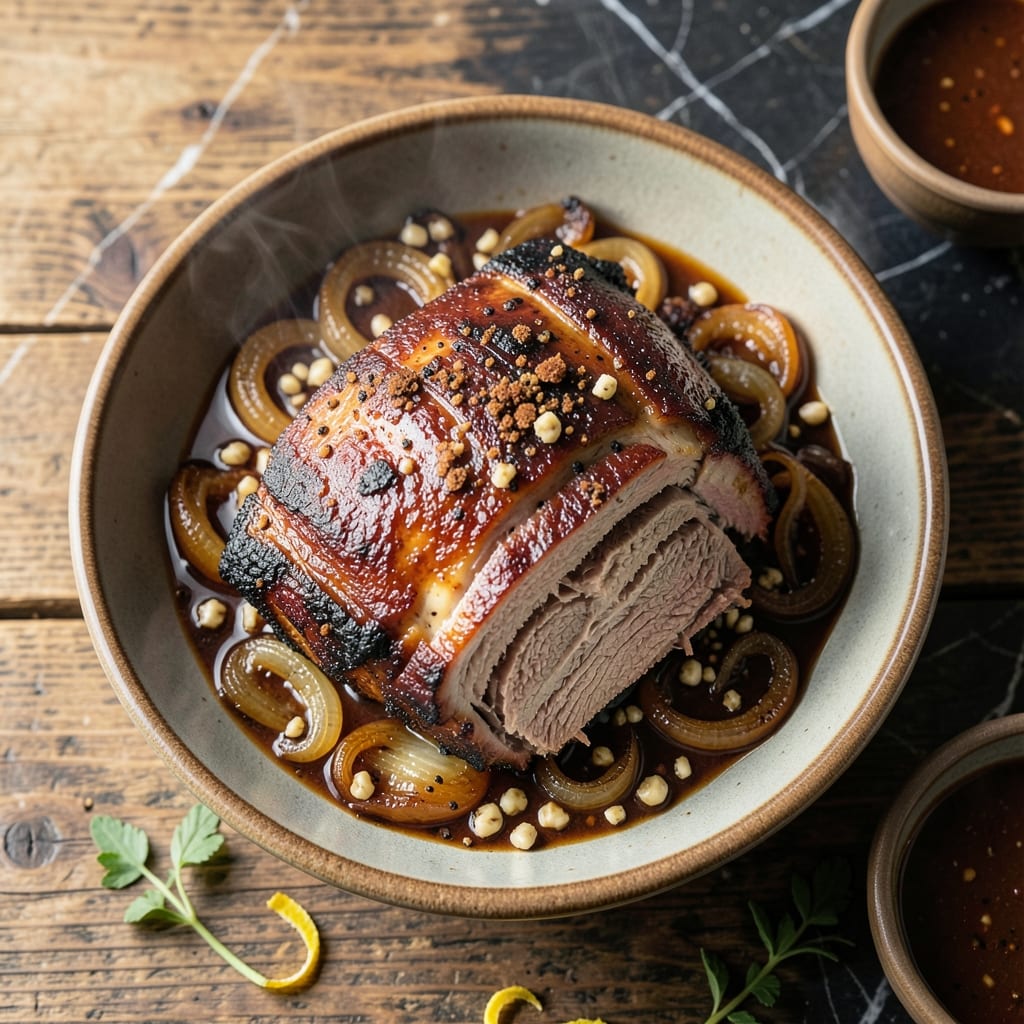
This slow cooked pork butt recipe changed how I think about BBQ forever. Growing up in Georgia, pork was always the star of family gatherings, but I never achieved that perfect pull-apart texture until I tried this method.
After years of cooking 2,000 pounds of pork weekly at The Smoky Pig, I've learned that low and slow is the only way to get that melt-in-your-mouth tenderness. The secret is letting the pork cook until it practically falls apart on its own.
What you end up with is meat so tender it shreds with just a fork, infused with smoky, savory flavors that taste like home. It's the kind of pork that makes people close their eyes with that first bite.
Perfect for sandwiches, tacos, or served straight up with your favorite BBQ sauce. This is the real deal.
Ingredients for Slow Cooked Pork Butt
Nothing exotic here—just pork and a handful of spices for that Georgia BBQ magic.
| Ingredient | Amount | Notes |
|---|---|---|
| Pork Butt 🐖 | 4 lb | Bone-in preferred for flavor |
| Brown Sugar 🍚 | ½ cup | Light or dark variety |
| Kosher Salt 🧂 | 2 tbsp | Diamond Crystal preferred |
| Black Pepper 🌶️ | 1 tbsp | Freshly ground for best flavor |
| Garlic Powder 🧄 | 1 tbsp | Not garlic salt |
| Onion Powder 🧅 | 1 tbsp | For depth of flavor |
| Smoked Paprika 🌶️ | 1 tbsp | Essential for smoky flavor |
| Apple Cider Vinegar 🍏 | ¼ cup | For tangy brightness |
| Yellow Mustard 🟡 | 2 tbsp | Helps form the bark |
| BBQ Sauce 🍅 | 1 ½ cups | Your favorite brand |
| Chicken Stock 🥫 | ½ cup | Low sodium preferred |
| Liquid Smoke 🔥 | 1 tsp | Optional for extra smokiness |
| Vegetable Oil 🫒 | 1 tbsp | For searing pork |
The pork butt is non-negotiable. Bone-in gives you the best flavor and texture—Costco has great deals on large cuts, or ask your butcher for a 4-5 lb piece (use the extra for leftovers). Look for good marbling; that fat renders down to keep the meat moist during the long cook. I always grab mine from Publix when I'm back in Georgia, but any grocery store with a decent meat counter will do.
No smoked paprika? Regular paprika plus a pinch of cayenne gets you close. Out of apple cider vinegar? White vinegar in a pinch (but it’s sharper). The BBQ sauce can be whatever you love—Sweet Baby Ray’s is a crowd-pleaser. Liquid smoke is optional but adds that pit-smoked flavor if you’re not using a smoker. Skip the mustard if you’re out, but it really helps the bark form.
This keeps beautifully—tastes even better the next day. Store in the fridge for 4-5 days or freeze for 3 months. I like to portion it into sandwich-sized containers (trust me, you’ll want leftovers). Reheat gently to keep it juicy.
Why You'll Love This Recipe
- Set and Forget: I toss the pork butt with brown sugar and spices in the morning, and dinner’s ready when I walk in the door.
- Sweet and Smoky: The brown sugar caramelizes with the garlic powder into this ridiculously good crust.
- Feeds a Crowd: I serve it on buns one night, then shred the leftovers for tacos the next—zero waste.
- Budget Hero: Pork butt stays cheap, and one 4-pound cut gives us three full meals.
Step-by-Step Instructions for Slow Cooked Pork Butt
Here’s the method I use to get that fall-apart texture with bold, smoky flavor.
Season the Pork Butt Thoroughly
Pat the 4 lb pork butt dry with paper towels—this helps the rub stick and creates a better bark. In a small bowl, mix the 0.5 cup brown sugar, 2 tbsp kosher salt, 1 tbsp black pepper, 1 tbsp garlic powder, 1 tbsp onion powder, and 1 tbsp smoked paprika until evenly combined.
Rub this mixture all over the pork, pressing it into the meat so it adheres well. Don’t be shy—you want every inch covered. Let it sit for 10 minutes while you prep the slow cooker. This step builds the foundation for deep, savory flavor.
Sear the Pork for Extra Depth
Heat the 1 tbsp vegetable oil in a large skillet over medium-high heat. Once hot, add the seasoned pork butt and sear on all sides for 3-4 minutes per side until deeply browned. This caramelizes the sugars in the rub and adds complexity to the final dish.
You’ll know it’s ready to flip when the meat releases easily from the pan. If it sticks, give it another minute—patience pays off here. Transfer the seared pork to the slow cooker, fatty side up.
Add Liquids and Slow Cook
In a medium bowl, whisk together the 0.25 cup apple cider vinegar, 2 tbsp yellow mustard, 1.5 cups BBQ sauce, 0.5 cup chicken stock, and 1 tsp liquid smoke until smooth. Pour this mixture over the pork in the slow cooker, making sure some of it pools at the bottom.
Cover and cook on low heat for 8-10 hours or on high heat for 5-6 hours. You’ll know it’s done when the pork shreds easily with a fork and reaches an internal temperature of 195-200°F. The house will smell incredible—resist the urge to lift the lid too often, as this releases heat and extends cooking time.
Shred and Serve
Once the pork is tender, transfer it to a large cutting board or bowl. Using two forks, shred the meat into bite-sized pieces, discarding any large fat chunks. Skim excess fat from the cooking liquid in the slow cooker, then pour about 1 cup of the liquid over the shredded pork to keep it moist and flavorful.
Toss gently to coat every piece in the sauce. The pork should be juicy, tender, and packed with smoky, tangy flavor. Serve immediately on buns for sandwiches, over rice, or alongside your favorite sides. The leftovers, if there are any, reheat beautifully.
Pro Tips For Making Slow Cooked Pork Butt
- Low and Slow: Set your slow cooker to 225°F and let it go for 8-10 hours—I learned this the hard way after pulling tough pork at 6 hours.
- Score the Fat: Cut 1/2-inch diamond patterns into the fat cap so the brown sugar rub actually penetrates where it matters.
- Skip the Water: Pork butt releases plenty of liquid on its own, and adding water just dilutes the flavor—your bark will be weaker too.
- Rest Before Shredding: Let the pork sit covered for 30-45 minutes after cooking; it reabsorbs the juices and shreds way easier than when piping hot.
Flavor Customization for This Recipe
Sweet Heat Twist
Add 2 tbsp honey and 1 tsp cayenne pepper to your rub for a sweet-spicy kick. I learned this trick at The Smoky Pig—customers go wild for it. The honey caramelizes beautifully during cooking.
Tangy Carolina Style
Replace the BBQ sauce with 1 cup apple cider vinegar and ½ cup water mixed with 2 tbsp brown sugar. This Eastern Carolina-style vinegar-based sauce cuts through the richness. Honestly, it’s my go-to for pulled pork sandwiches. 🌶️
Asian Fusion
Swap the rub for 3 tbsp hoisin sauce, 1 tbsp soy sauce, and 1 tsp five-spice powder. Add 2 sliced green onions and 1 tbsp grated ginger to the slow cooker. The result is tender pork with complex umami flavors.
Coffee Rub Depth
Add 1 tbsp finely ground coffee to your dry rub. This Charleston trick I learned from Chef Chen adds incredible depth. The coffee enhances the smoky notes without tasting like a cup of joe.
Herb-Infused
Mix 1 tbsp dried rosemary and 1 tbsp dried thyme into your rub. These herbs from my Georgia garden complement the pork beautifully. They add a fragrant, earthy layer to the flavor profile.
Spicy Chipotle Version
Add 2 tbsp chipotle peppers in adobo to the cooking liquid. This gives a smoky heat that builds slowly. I love this variation for tacos—just add ½ tsp at a time to control the heat level. 🔥
Nutrition Facts
Frequently Asked Questions
Can I use a pork shoulder instead of pork butt?
Pork shoulder and pork butt come from the same area and are often used interchangeably. The shoulder may have slightly more connective tissue, but it cooks up just as tender with the same 8-10 hours on low.
How do I know when it's done?
The meat should reach 195-200°F internally and shred easily with forks. If it resists, give it another 30-60 minutes. The bark will also darken and the collagen will have melted into the meat.
Can I make this in an Instant Pot?
Yes! Use the pressure cook function for 60-90 minutes with 1 cup liquid. Natural release is key to prevent toughening. The texture won't be identical, but it’ll still be delicious.
Why is my pulled pork dry?
This usually happens if you overcook it or skip the resting step. Always let it rest 15-20 minutes before shredding to allow juices to redistribute. Adding reserved cooking liquid helps too.