
Main Courses
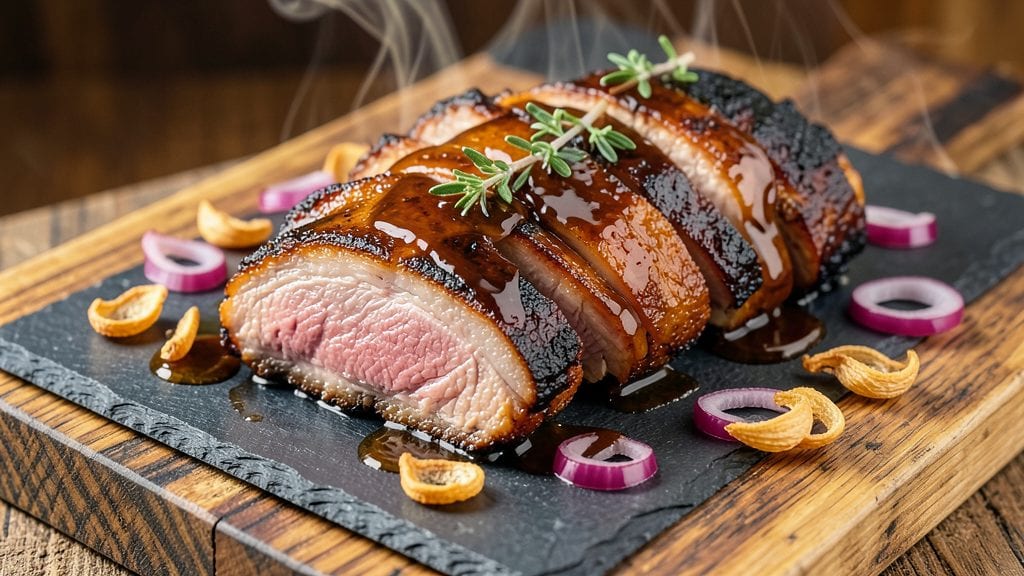
Mastering Traeger pork belly burnt ends transforms tough cuts into smoky-sweet, fall-apart perfection that rivals any competition BBQ. 🔥 Growing up in small-town Georgia, I learned pork belly’s potential from my grandmother’s cast-iron skillet—now I’ve adapted that wisdom for the Traeger’s precision.
The key lies in low-and-slow smoking until the fat renders and the collagen breaks down, creating those iconic burnt ends that disappear faster than you can say "second helping."
This recipe demands patience—about 12 hours at 225°F—but the result is worth every minute. You’ll start with a well-trimmed, scored belly, seasoned simply with salt, pepper, and a touch of brown sugar for caramelization.
The Traeger’s pellet grill maintains consistent heat, ensuring the bark develops evenly while the interior stays tender. Wrapping in foil during the final hours locks in moisture, guaranteeing that fork-tender texture.
When you slice into those golden, crackling edges, you’ll uncover meat so tender it practically melts on the tongue, infused with smoky depth from the cherry or hickory pellets. Serve it piled high on toasted buns with tangy pickled onions and a crisp slaw to balance the richness.
This isn’t just a recipe—it’s a showstopper that turns weeknight dinners into memorable feasts.
Pro tip: Use a meat probe to monitor internal temperature—195°F is your target for that perfect pull. And if you’re new to Traeger cooking, start with a bag of hickory pellets for that classic BBQ flavor. The rest? Just time, attention, and a little Southern magic.
Ingredients for traeger pork belly burnt ends
Southern-style smoked pork belly with Traeger precision—where patience meets perfection.
| Ingredient | Amount | Notes |
|---|---|---|
| Pork Belly (bone-in, skin-on) 🐷 | 4 lb | Well-trimmed, scored in diamond pattern |
| Kosher Salt 🧂 | 2 tbsp | Diamond Crystal preferred |
| Black Peppercorns 🌶️ | 1 tbsp | Freshly ground |
| Brown Sugar 🍚 | 1 cup | Light or dark, packed |
| Hickory Pellets 🔥 | 4 lb | For classic BBQ flavor |
| Apple Cider Vinegar 🍎 | ¼ cup | For basting |
| Butter 🧈 | ½ cup | Full-fat, softened |
| Aluminum Foil 🔥 | 1 sheet | Heavy-duty, 12x17 inches |
| Meat Probe Thermometer 📊 | 1 whole | For accurate temperature reading |
| Pickled Red Onions 🧅 | 1 cup | For serving, optional |
| Coleslaw Mix 🥬 | 4 cups | Pre-shredded cabbage/carrot |
| Mayonnaise 🥫 | ½ cup | For slaw dressing |
| Dijon Mustard 🧂 | 2 tbsp | For slaw dressing |
| White Vinegar 🍶 | ¼ cup | For slaw dressing |
The pork belly is your star. Look for bone-in, skin-on cuts from butchers—they render fat better than boneless. Costco or local meat markets often carry pre-scored slabs, but if you're scoring yourself, use a sharp knife and cut in a diamond pattern. This isn't just decoration—it helps the bark form evenly. Trim excess fat to about 1/4-inch thickness for cleaner smoking. My grandmother always said 'fat equals flavor,' so don't skimp on the marbling—it's what makes these ends so irresistible. For the best results, use hickory pellets—they give that authentic BBQ depth, but cherry works too if you prefer a sweeter smoke.
No hickory pellets? Mesquite or pecan pellets will work in a pinch, though the flavor profile changes slightly. Short on brown sugar? Maple syrup at half the amount adds sweetness without altering the texture. The apple cider vinegar is key for basting—it keeps the bark moist while caramelizing. Trader Joe's has great pre-pickled onions that save time, but homemade is always better. For the slaw, pre-shredded coleslaw mix is a time-saver, but fresh cabbage and carrots give better texture. The butter should be softened but not melted—it needs to cling to the meat when brushed on.
This recipe lives or dies by patience. Plan for 12-14 hours total cook time, with the first 8-10 hours unwrapped for bark development. Wrap in foil during the final 2-3 hours to lock in moisture—this is when the collagen really breaks down. The meat probe is non-negotiable—195°F internal temp is your target. Let it rest 30-45 minutes before slicing against the grain. Store leftovers in an airtight container in the fridge for 5 days, or freeze for up to 3 months. I always make extra—these burnt ends disappear faster than you can say 'Southern hospitality.'
Why You'll Love This Recipe
- Traeger Magic Unlocked: I’ve finally cracked the code on fall-apart pork belly—no fancy tools, just a Traeger and 12 hours of hands-off time. The diamond scoring lets the 1 cup brown sugar and 2 tbsp kosher salt sink in deep overnight, so you’re not just seasoning the surface. When you wake up to that crispy, caramelized crust? Worth every minute of sleep lost.
- Smoky-Sweet Addiction: Between the hickory pellets creating that classic BBQ aroma and the apple cider vinegar mist every 30 minutes, this isn’t just pork belly—it’s a flavor bomb. The sugar turns into that sticky, glossy bark you have to lick off your fingers, while the peppercorns add a subtle kick. Honestly, the first bite always makes me pause mid-chew to appreciate it.
- Weeknight Hero: No fancy prep, no stress. Score the pork, slap on the rub, and let the Traeger do the work while you’re watching TV. The Texas crutch with foil ensures tenderness without babysitting, and the coleslaw mix with mayonnaise and Dijon comes together in 10 minutes. Between us? This is the only meal I’ll make on a Tuesday night when I’d rather stay in pajamas.
Step-by-step instructions for Traeger pork belly burnt ends
Here's how to transform that pork belly into melt-in-your-mouth burnt ends with smoky-sweet perfection.
🔥 Step 1: Score and Season the Pork Belly
Start by scoring the pork belly in a diamond pattern with a sharp knife, cutting through the fat but not into the meat. This creates channels for the rub to penetrate and the fat to render beautifully during cooking. Use a meat mallet to gently pound the belly to an even thickness—about 1½ inches—to ensure even cooking.
In a small bowl, combine the 2 tbsp kosher salt and 1 tbsp freshly ground black peppercorns, then rub this mixture all over the scored pork belly, pressing it into the cuts. Add the 1 cup brown sugar evenly, coating the entire surface. The sugar will caramelize during cooking, creating that signature burnt-end crust. Let the seasoned belly rest uncovered in the refrigerator for 12-24 hours—this step is crucial for deep flavor penetration and even cooking.
🔥 Step 2: Smoke the Pork Belly Low and Slow
Fill your Traeger with 4 lb hickory pellets and preheat to 225°F. Place the scored pork belly fat-side up on the grill grates. Smoke for 6 hours, maintaining the temperature within ±5°F. I like to use a spray bottle with ¼ cup apple cider vinegar diluted with ¼ cup water to lightly mist the belly every 30 minutes—this keeps the meat moist and adds a subtle tangy depth to the bark.
After 6 hours, check the internal temperature using the meat probe thermometer. You're aiming for 165°F in the thickest part of the meat. At this point, the belly should be tender but still holding its shape. If it's not quite there, continue smoking for another 30-60 minutes. The reason we don't rush this step is that patience builds the perfect texture—too fast, and you'll end up with dry, tough meat.
🥘 Step 3: Wrap and Finish for Maximum Tenderness
Once the pork belly reaches 165°F, it's time to wrap it in the 1 sheet aluminum foil. This technique, known as the "Texas crutch," helps break down the connective tissue and ensures fall-apart tenderness. Place the belly on the foil, then fold the foil over it completely, sealing all edges tightly. Return it to the Traeger and continue cooking at 225°F for another 2-3 hours, until the internal temperature reaches 195-203°F.
Here's where the magic happens: the combination of heat, moisture, and time transforms the tough collagen into gelatin, creating that irresistible melt-in-your-mouth texture. The foil also prevents the sugar from burning too quickly, allowing it to caramelize evenly. When you open the foil, you'll see a glossy, sticky surface—that's the signal you're on the right track.
🍽️ Step 4: Cube and Rest Before Serving
Remove the pork belly from the Traeger and let it rest for 15 minutes before handling. This resting period allows the juices to redistribute, ensuring each bite is moist and flavorful. Using two forks or a meat cleaver, carefully separate the pork belly into 1-inch cubes. The meat should pull apart easily—if it doesn't, it needs a few more minutes in the foil.
While the pork belly rests, prepare the serving components. In a large bowl, combine the 4 cups coleslaw mix, ½ cup mayonnaise, 2 tbsp Dijon mustard, and ¼ cup white vinegar. Toss gently to coat the cabbage and carrots evenly. The acidity from the vinegar brightens the flavors and balances the richness of the pork. Top the slaw with the 1 cup pickled red onions and toss lightly just before serving.
🔥 Step 5: Brown the Burnt Ends and Serve
Heat a large skillet over medium-high heat and add the ½ cup softened butter. Once the butter is foaming, add the pork belly cubes in batches, letting them sear for 2-3 minutes per side until they develop a deep brown crust. This step adds an extra layer of flavor and texture—don't skip it! Transfer the seared cubes to a serving platter and arrange them over the prepared slaw.
Here's the moment you've been waiting for: serve the burnt ends immediately, drizzling any remaining butter from the skillet over the top. The contrast of the crispy, caramelized cubes with the cool, tangy slaw is pure perfection. Each bite delivers smoky-sweet pork belly that practically melts in your mouth, paired with the bright acidity of the slaw. This dish is a crowd-pleaser that always disappears quickly—so make sure you've got seconds ready!
Pro Tips For Making Traeger Pork Belly Burnt Ends
- SCORE THE BELLY DEEP: I learned this the hard way—shallow cuts won’t let the brown sugar and spices work their magic. Use a sharp knife to cut through all the fat layers in that diamond pattern, not just the top. The deeper the cuts, the more surface area for caramelization and flavor penetration—your burnt ends will thank you with crispy, sticky edges.
- DON’T SKIP THE VINEGAR MIST: That ¼ cup apple cider vinegar in your spray bottle isn’t just for show. Lightly misting every 30 minutes during the 6-hour smoke keeps the sugar from burning into bitterness and adds a subtle tang that cuts through the richness. (Yes, even if you’re impatient like me—trust the process.)
- CHECK TEMP THEN WRAP: I used to rush to 165°F and wrap immediately, but the meat needs to hold its shape at that point—if it’s mushy, it’s overdone. Wait until the thickest part hits 165°F and the edges still resist gentle pressure. Wrapping too early = gummy texture; waiting too long = dryness. That 225°F foil wrap is where tenderness happens, so nail the starting temp.
- SOFTEN BUTTER FIRST: Cold butter in the sear pan is a rookie mistake. The ½ cup softened butter needs to be foaming before you add the burnt ends—otherwise, you’ll steam them instead of browning. Let it melt completely over medium-high heat, then add the pork in batches. The butter’s foam is your signal: crispy edges are coming.
Make-ahead tips for this dish
Prep Ahead Strategy
Start by scoring and seasoning the pork belly 24 hours before smoking. I place mine in a vacuum-sealed bag with the rub and refrigerate it overnight—this ensures deep flavor penetration and even cooking. The sugar will start caramelizing slightly, giving you a head start on that signature burnt-end bark. 💡
Smoke Timeline
Break the smoking process into two sessions if needed. Smoke the belly for 6 hours on day one, then wrap and refrigerate overnight. The next day, return it to the Traeger at 225°F for the final 2-3 hours.
This works perfectly for weekend cooking—just set your Traeger to maintain temperature overnight.
Foil Wrapping Shortcut
Use pre-cut foil sheets from Reynolds Wrap to save time. I cut them to size ahead of time and store them in a ziplock bag in the freezer.
When it's time to wrap, just grab the pre-cut sheet and fold it quickly. This cuts wrapping time from 5 minutes to under 2 minutes. 🔥
Storage Solutions
For leftovers, store burnt ends in a glass Pyrex container with a splash of apple cider vinegar. The acidity prevents drying and enhances flavor. I reheat portions in a skillet with 1 tbsp butter over medium heat for 3-4 minutes—this restores that crispy exterior while keeping the meat tender.
Freezer Prep
Cube the burnt ends and freeze them in a single layer on a tray before transferring to quart-sized freezer bags. This prevents clumping. Label with the date—these keep for 3 months without quality loss.
When ready to use, thaw overnight in the fridge and reheat in the skillet as mentioned above. 💫
Make-Ahead Slaw
Prepare the coleslaw mix 3 days ahead and store it in an airtight container in the fridge. The flavors meld beautifully over time. Just add the pickled onions and a drizzle of mayo when ready to serve. This saves 20 minutes of prep on serving day and keeps everything fresh.
Nutrition facts
Frequently asked questions
Why does the pork belly need to rest after smoking?
Resting for 15 minutes after cooking is critical—it lets juices redistribute evenly throughout the meat. This prevents dry, uneven bites and ensures every cube is moist and flavorful. Skipping this step can make your burnt ends tough instead of tender!
Can I use a different type of pellet for smoking?
While hickory pellets are ideal for classic BBQ flavor, you can substitute mesquite or pecan for a slightly different taste profile. Just note that the flavor will vary—hickory gives that traditional smoky depth. Always avoid fruitwoods like cherry or apple if you want to stay true to the burnt ends style.
What if my pork belly isn't tender enough after wrapping?
If the meat still feels firm after 2-3 hours wrapped, return it to the Traeger for another 30-60 minutes until it reaches 195-203°F. The foil wrapping helps tenderize, but some cuts need extra time. Use your meat probe to confirm doneness—this is the only way to guarantee perfect texture!
How do I store and reheat burnt ends properly?
Store leftovers in an airtight container for up to 5 days or freeze for 3 months. To reheat, use a skillet with 1 tablespoon butter over medium heat for 3-4 minutes per side. This restores the crispy bark while keeping the meat juicy. Never microwave—it ruins the texture!
Can I make the slaw ahead of time?
Prepare the coleslaw dressing 3 days ahead and store it separately from the cabbage mixture. Just toss everything together with the pickled onions right before serving. This saves time and lets the flavors meld beautifully. The acidity from the vinegar actually improves over time!