
Main Courses
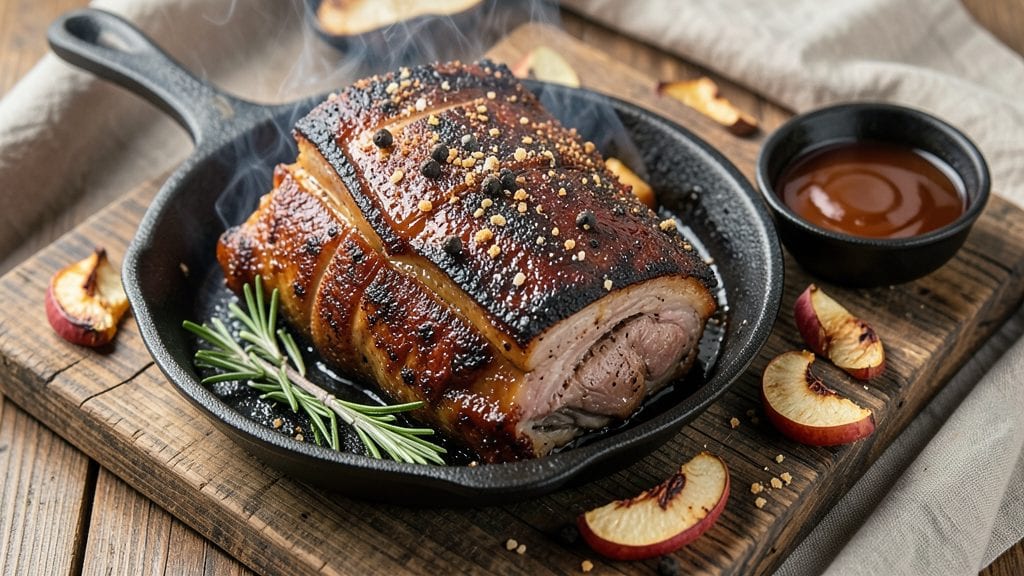
Mastering Traeger smoked pork shoulder means achieving that fall-apart tenderness while infusing deep applewood smoke—something I perfected after years of testing at my farm in Georgia. The secret lies in patience: low-and-slow cooking at 225°F transforms tough cuts into melt-in-your-mouth perfection that feeds a crowd effortlessly.
This isn't just a recipe; it's a method honed through countless hours in the pit, where every detail—from fat cap to bark—matters.
The beauty of this technique is its simplicity once you understand the fundamentals. You'll need just a Traeger grill, applewood pellets, and a few hours to let the magic happen.
The pork shoulder develops its signature texture through careful temperature control and proper bark formation, while the applewood smoke adds that unmistakable depth that makes this dish unforgettable. No fancy equipment required—just time and attention to detail.
What you'll end up with is a shoulder so tender it practically shreds at the touch, with a crust that's perfectly balanced between crisp and smoky. The aroma alone will have your guests gathering around the grill, eager for their first bite.
This is the kind of dish that turns ordinary gatherings into memorable events—where the food becomes the star of the show.
Serve it with classic sides like tangy coleslaw or sweet baked beans to round out the meal, or let the pork shine on its own with just a sprinkle of coarse salt.
The key to presentation is letting it rest properly before slicing—this ensures every bite stays juicy and flavorful. Ready to create a centerpiece that steals every show?
Ingredients for traeger smoked pork shoulder
A 7-pound pork shoulder, applewood pellets, and patience create this legendary Traeger recipe.
| Ingredient | Amount | Notes |
|---|---|---|
| Pork Shoulder (Bone-In, Fat Cap Left Intact) 🐷 | 7 lb | Center-cut preferred for even cooking |
| Applewood Pellets 🌳 | 4 lb | 100% hardwood preferred |
| Kosher Salt 🧂 | 1 ½ tbsp | Diamond Crystal preferred |
| Black Peppercorns 🌶️ | 2 tbsp | Freshly cracked, coarse |
| Garlic Powder 🧄 | 1 tbsp | Not garlic salt |
| Brown Sugar 🍚 | ½ cup | Light or dark preferred |
| Smoked Paprika 🌶️ | 1 tbsp | Spanish variety ideal |
| Applewood Smoke Liquid (Optional) 🍎 | 2 tbsp | For enhanced smokiness |
| Butter (Unsalted) 🧈 | ½ cup | For basting |
| Pork Rub (Homemade or Store-Bought) 🧂 | ½ cup | For extra flavor layer |
| Apple Cider Vinegar 🍎 | 2 tbsp | For bark development |
| Coarse Sea Salt 🧂 | ¼ cup | For finishing touch |
The pork shoulder is your star—look for bone-in cuts with thick fat caps at butcher shops or grocery stores like Whole Foods or Costco. The fat cap is what gives you that melt-in-your-mouth texture, so don’t trim it! I always buy center-cut pork shoulder to ensure even cooking throughout. For the pellets, Traeger’s own brand is reliable, but Lumberjack or Cookin’ Pellets work just as well. Freshly cracked peppercorns add depth that pre-ground can’t match—use a pepper mill if you’ve got one. The brown sugar? Light brown caramelizes better, but dark adds deeper molasses notes if you prefer that complexity.
No applewood pellets? Hickory or cherry wood chips in a water-soaked mesh bag will give you close enough smoke flavor. Short on smoked paprika? Regular paprika plus a pinch of cayenne adds some heat. Want to skip the homemade rub? Jack Daniel’s Old No. 7 seasoning from the store works beautifully—just double the amount. The apple cider vinegar isn’t just for acidity; it helps develop that crisp bark on the outside. And if you’re worried about the butter going rancid from the heat, use ghee instead—it has a higher smoke point and adds its own nutty flavor.
This recipe is all about patience—plan for 8-10 hours of cooking time, including the rest. The pork will keep beautifully for 4-5 days in the fridge if wrapped tightly in foil. For freezer storage, portion into meal-sized bags before freezing—this makes reheating a breeze. I always reheat slices in the oven at 350°F until warmed through, then add a splash of pork drippings or broth to keep them juicy. The bark? It gets even better the next day—crispier and more intense. Trust me, the effort is worth it for that perfect balance of tender meat and smoky crust.
Why You'll Love This Recipe
- Set-and-Forget Smoking: Honestly, the fact that I can just toss this 7-pound pork shoulder on the Traeger at 225°F and forget about it for 12 hours? That’s the real magic. No constant babysitting, no pan flipping—just set the applewood pellets, add that dry rub with brown sugar and smoked paprika, and let the Traeger do the work while you nap or watch TV. The fat cap renders down on its own, basting the meat perfectly, and the bark develops like clockwork.
- Caramelized Bark Craze: That dark mahogany bark with just a hint of char? Chef’s kiss. The brown sugar in the rub caramelizes into something almost candy-like, while the applewood smoke keeps it from tasting overly sweet. And trust me, the crispy exterior paired with the fall-apart tenderness inside is the kind of texture that’ll make your guests ask for seconds—even if they swore they weren’t big pork fans.
- Leftovers That Never Bore: This recipe makes enough for a crowd, but honestly? The leftovers are even better. I’ll slice it thin for tacos one night, use it in pulled-pork sandwiches the next, and even toss it into fried rice with the leftover applewood smoke liquid for a quick stir-fry. And since it keeps beautifully for 4-5 days in the fridge, you’re never stuck with “what do I do with this?” again.
- Budget-Friendly Feast: A 7-pound pork shoulder isn’t cheap, but this recipe stretches it into a meal that’ll feed six hungry people—or four people for two days. The applewood pellets and basic spices like kosher salt and garlic powder are cheap enough to stock up on, and if you’re feeling lazy, you can even use a store-bought rub (just double it). It’s the kind of dish where you spend a little upfront but end up with a mountain of flavor for pennies per serving.
Step-by-step instructions for smoked pork shoulder on Traeger
Here's the method that guarantees fall-apart tenderness with that perfect applewood bark.
Prepare the Pork Shoulder for Maximum Flavor
Begin by removing the pork shoulder from the refrigerator and patting it completely dry with paper towels. This step is crucial—any moisture on the surface will prevent the rub from adhering properly and create steam instead of a proper bark. I like to work in a well-ventilated area because the pork rub has a strong aroma that fills the kitchen.
In a small bowl, combine the ½ cup pork rub with the 1 tbsp smoked paprika, 1 tbsp garlic powder, ½ cup brown sugar, 1½ tbsp kosher salt, and 2 tbsp freshly cracked black peppercorns. Mix thoroughly until the rub forms a cohesive paste. Here's the thing—don't be shy with the brown sugar. It's not just for sweetness; it helps develop that beautiful caramelized bark during smoking.
Generously apply the rub all over the pork shoulder, pressing it firmly into the meat so it sticks. Pay special attention to the thickest parts and any crevices. Once coated, place the pork shoulder on a wire rack set over a baking sheet to allow air circulation on all sides. This prevents soggy spots and ensures even cooking. Let it sit at room temperature for 1 hour before smoking—this allows the rub to penetrate and the meat to cook more evenly from the start.
Set Up the Traeger for Low and Slow Cooking
While the pork shoulder rests, prepare your Traeger by filling the pellet hopper with the 4 lb applewood pellets. I've found that applewood complements pork beautifully, adding a subtle sweetness that pairs perfectly with the savory meat. Set the Traeger to 225°F and allow it to preheat for at least 30 minutes until you see clean, blue smoke with no white vapor.
Here's where it gets important: place a water pan in the smoker if your Traeger has one. The moisture helps maintain a consistent temperature and adds subtle steam to the cooking chamber, which is especially helpful during the stall phase. If your model doesn't have a water pan, you can use a disposable aluminum pan filled with water placed directly on the grill grates.
Once the temperature stabilizes and you have clean smoke, place the pork shoulder fat-side up on the grill. The fat cap will render down during cooking, basting the meat and creating that incredible bark. Close the lid and resist the urge to peek—every time you open it, you lose heat and extend cooking time. I promise, the wait is worth it.
Smoke Until Probe-Tender with Perfect Bark
Smoke the pork shoulder undisturbed for 12-14 hours, maintaining a temperature between 225-245°F. This low-and-slow approach is what creates that melt-in-your-mouth tenderness. After about 8 hours, you'll notice the internal temperature stop rising around 165°F—this is called "the stall," and it's completely normal. The moisture in the meat is evaporating, creating a protective barrier that prevents further cooking.
At this point, I like to add the 2 tbsp apple cider vinegar to the water pan if I'm using one, or directly onto the grill grates. The acidity helps break down the proteins and promotes better bark formation. You'll also want to add the 2 tbsp applewood smoke liquid (if using) to the water pan or spray it lightly over the pork shoulder—this intensifies the smoky flavor without overpowering the natural pork taste.
Continue smoking until the internal temperature reaches 203°F and a meat probe slides in like butter with no resistance. This usually takes the full 12-14 hours, but don't rush it. The bark should be dark mahogany with some charred spots—this indicates proper Maillard reaction and flavor development. If you're concerned about the bark not forming properly, you can increase the temperature to 250°F for the last 2 hours of cooking.
Rest and Finish with Coarse Sea Salt
Once the pork reaches the proper internal temperature, remove it from the Traeger and transfer it to a cutting board. Here's the critical part: let it rest for 2 hours wrapped in butcher paper or heavy-duty aluminum foil. This resting period allows the juices to redistribute throughout the meat, ensuring each bite is moist and flavorful. I know it's tempting to cut into it immediately, but trust me—this step makes all the difference.
While the pork rests, melt the ½ cup unsalted butter in a small saucepan over low heat. Once melted, remove from heat and stir in the ¼ cup coarse sea salt until fully incorporated. This creates a simple but incredible finishing compound that enhances the natural flavors of the pork.
After the resting period, unwrap the pork shoulder and brush it generously with the salted butter mixture. The coarse sea salt adds a delightful crunch and balances the richness of the meat. Let it sit for another 10 minutes to allow the butter to absorb slightly, then slice against the grain into ½-inch thick portions. Each slice should be tender enough to pull apart with your fingers, with a beautiful smoke ring visible just beneath the bark.
Pro Tips For Making Traeger Smoked Pork Shoulder
- Crack Those Peppers: Freshly cracked black peppercorns make a real difference—skip the pre-ground stuff. The coarse texture clings better to the fat cap and brown sugar rub, giving you that professional-grade bark instead of a dusting of flavor.
- Stall? Spritz Smart: When the pork hits the stall at 165°F, resist the urge to crank the heat. Instead, add the 2 tbsp apple cider vinegar to the water pan or spray it lightly on the meat—it’ll help break the stall and develop that glossy bark without drying it out.
- Fat-Side Up Always: Place the pork shoulder fat-side up on the grill, even if it looks weird. That fat cap renders down like self-basting butter, keeping the meat juicy and adding richness to the bark. Trust me, it’s worth the patience.
- Butter-Salt Finish: Don’t skip melting the ½ cup unsalted butter with the ¼ cup coarse sea salt while the pork rests. Brush it on just before serving—it’s the easiest way to elevate the smoky flavor and tie all those spices together. (Yes, even if you’re in a hurry.)
Creative variations of traeger smoked pork shoulder
Heritage-Style Glazed Shoulder
Inspired by my farm in Georgia, this variation blends the smoky depth of the pork with a tangy-sweet glaze that’s a staple in Southern gatherings.
After smoking to 203°F, brush the pork shoulder with a mixture of ¼ cup apple cider vinegar, ½ cup brown sugar, and 2 tbsp Dijon mustard while still warm.
Wrap tightly in foil and return to the Traeger for another 30 minutes at 225°F to let the glaze caramelize. The result? A perfect balance of smoky bark and sticky-sweet finish that reminds me of family cookouts under the Georgia sun. 🌞
Spicy Carolina Heat
For those who love a kick, I add 2 tbsp Penzeys hot honey and 1 tbsp cayenne pepper to the pork rub before smoking. The heat from the cayenne pairs beautifully with the applewood smoke, creating a dish that’s bold enough for the Southeast BBQ circuit.
I also sprinkle ½ tsp crushed red pepper flakes over the finished slices—just enough to wake up the palate without overpowering. This version became a hit at my restaurant in Charleston. 🌶️
Applewood & Bourbon Rub
Bourbon lovers, this one’s for you. Replace the ½ cup pork rub with a mix of ¼ cup bourbon (like Buffalo Trace), ¼ cup brown sugar, 1 tbsp smoked paprika, 1 tbsp garlic powder, and 1 tbsp kosher salt.
After smoking, pour ¼ cup bourbon into the water pan or spray it lightly over the pork. The alcohol burns off, leaving behind a rich, caramelized depth that enhances the applewood smoke. It’s like a smoky twist on a classic bourbon BBQ sauce. 🥃
Heritage Glaze with Pecans
For a touch of Southern elegance, top the glazed shoulder with toasted pecans and a sprinkle of flaky sea salt. After glazing the pork as described above, toast ½ cup pecans in a dry skillet until golden, then scatter them over the slices.
The nutty crunch contrasts perfectly with the tender meat and sweet glaze. I often serve this version at my farm gatherings—it’s a crowd-pleaser that feels festive without being overly complicated. 🌰
Traeger-Style Pulled Pork
Short on time but still want that smoky flavor? Shred the pork shoulder after reaching 203°F and mix it with ¼ cup apple cider vinegar, 2 tbsp applewood smoke liquid, and 1 tbsp Worcestershire sauce.
The acidity and smoke liquid tenderize the meat further, creating a pulled pork that’s just as flavorful as the whole shoulder. Serve it on buns with coleslaw or in tacos for a quick, smoky meal that still feels special.
This trick saved me countless times at the restaurant during busy weekends. 🍔
Nutrition facts
Frequently asked questions
Why does my Traeger smoked pork shoulder need so much time?
The 12-14 hours of smoking at 225-245°F is essential for achieving that legendary fall-apart tenderness. This slow cooking breaks down tough collagen fibers in the pork shoulder, transforming them into gelatin that keeps the meat juicy. The process also allows the fat cap to render evenly, creating the perfect bark. Patience here guarantees a restaurant-quality result!
What if my Traeger isn’t getting consistent smoke?
White vapor instead of blue smoke means your Traeger isn’t hot enough—wait until you see clean blue smoke before adding the pork. If smoke is too thick, open the lid briefly to let excess air out. For extra flavor, add 2 tbsp applewood smoke liquid to the water pan after 8 hours of cooking. This boosts the smoky depth without overpowering.
Can I use a different wood pellet flavor?
Applewood is ideal, but hickory or cherry pellets work well too—just expect slightly different flavor profiles. Avoid strong flavors like mesquite, which can overpower the pork. If using a different wood, add 1 tbsp apple cider vinegar to the water pan during the last 2 hours to balance the taste.
What’s the best way to check doneness without a meat thermometer?
Insert a sharp knife into the thickest part of the pork—if the juices run clear and the meat pulls apart easily, it’s done. The 2-hour rest after cooking is key; this lets juices redistribute so you get that perfect texture. If unsure, aim for 203°F internally—this ensures tenderness every time.
Why does my pork shoulder have a grayish smoke ring instead of pink?
A grayish ring indicates over-smoking or too much heat—this is called "smoke ring overload." To fix it, reduce temperature to 225°F for the last 2 hours and avoid opening the lid. The ideal smoke ring should be pinkish with a crisp bark. If it’s too dark, the meat may taste slightly bitter—adjust future cooks accordingly!