
Main Courses
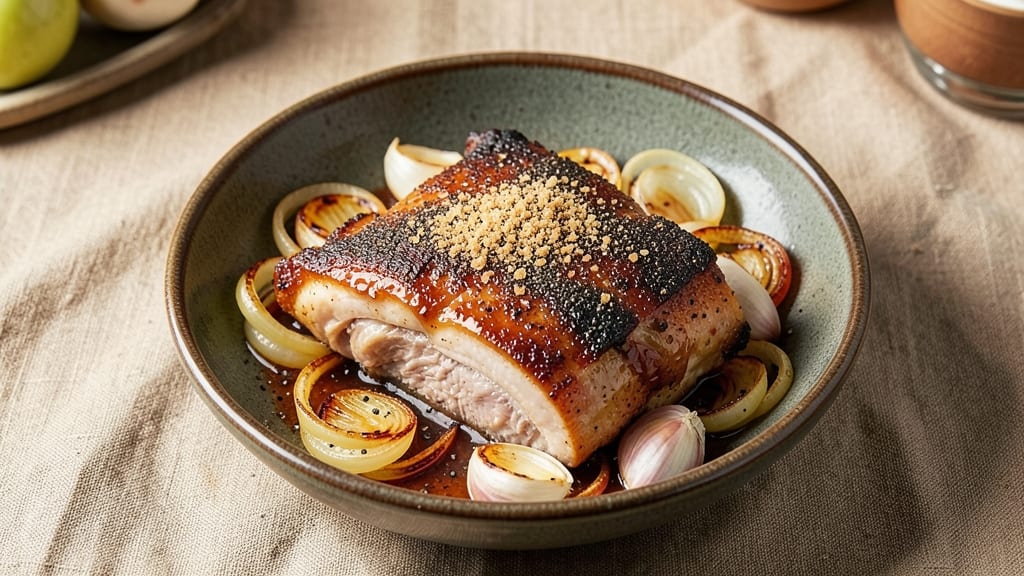
Bobby Flay's pork shoulder recipe delivers that juicy, caramelized perfection that turns a simple cut into a showstopping centerpiece. Growing up in small-town Georgia, I learned pork shoulder deserves patience—low and slow transforms tough meat into melt-in-your-mouth tenderness.
This method builds rich, smoky flavors without requiring a smoker, using just a Dutch oven and your oven. The secret lies in precise temperature control and timing, ensuring every bite is moist yet develops that coveted bark.
The process is straightforward but demands attention to detail: a simple rub of salt, pepper, and brown sugar sets the stage, while the slow cook transforms the meat over hours.
What makes this recipe special is its versatility—serve it shredded over mashed potatoes, sliced for sandwiches, or as-is with a crisp pan sauce. The result is restaurant-quality pork shoulder that rivals any competition-style pitmaster’s work, but with a method any home cook can master.
By the time you pull that pork shoulder from the oven, you’ll have a perfectly caramelized exterior with layers of flavor beneath—smoky, savory, and just sweet enough. The meat will practically fall apart when you probe it, releasing juices that create a natural pan sauce.
This is the kind of pork that makes guests ask for seconds and leaves you wondering why you ever bought pre-made.
Pair it with classic sides like creamy coleslaw, buttery cornbread, or roasted root vegetables to complete the meal. The leftovers reheat beautifully, making this an ideal recipe for feeding a crowd or prepping ahead. Here’s how to achieve Bobby Flay’s signature results in your own kitchen.
Ingredients for bobby flay pork shoulder
Six pounds of pork shoulder and a handful of pantry staples. That's all it takes for restaurant-quality results.
| Ingredient | Amount | Notes |
|---|---|---|
| Boneless Pork Shoulder 🥩 | 6 lb | With fat cap intact for flavor |
| Kosher Salt 🧂 | 2 tbsp | Diamond Crystal preferred |
| Freshly Ground Black Pepper 🌶️ | 1 tbsp | Cracked peppercorns preferred |
| Light Brown Sugar 🍚 | 1 tbsp | Packed, not granulated |
| Yellow Onion 🧅 | 1 whole | Medium size, peeled |
| Garlic Cloves 🧄 | 6 cloves | Peeled, smashed |
| Fresh Thyme Leaves 🌿 | 1 tbsp | From 2-3 sprigs |
| Apple Cider Vinegar 🍎 | ¼ cup | For tangy depth |
| Unsalted Butter 🧈 | ½ cup | Cold, cubed for basting |
| Beef Broth 💧 | 1 cup | Low-sodium preferred |
| Apple Wood Chips 🌳 | ½ cup | Optional for smoky flavor |
| Heavy Cream 🥛 | ¼ cup | For pan sauce |
| Extra-Virgin Olive Oil 🫒 | 2 tbsp | For Dutch oven |
The pork shoulder is the star—look for one with good marbling at your butcher or grocery store's meat counter. Costco or Whole Foods often have great deals on bone-in cuts, which add even more flavor. If you can't find apple wood chips, hickory works too. The fat cap is crucial—don't trim it off. For the brown sugar, light variety gives just enough caramelization without overpowering. I always grab extra thyme—half goes in the rub, half gets tucked under the skin for extra aroma.
No fresh thyme? Dried at half the amount works in a pinch. Running low on apple cider vinegar? Red wine vinegar gives similar tang. The beef broth can be swapped for chicken broth if that's what you have, but beef adds deeper richness. For the pan sauce, heavy cream is ideal, but half-and-half works too. The butter should be cold when you cube it—trust me on this. If you're short on time, skip the wood chips but don't skip the apple cider vinegar—it's what gives that signature tang.
This reheats like a dream—350°F for 10-15 minutes in the oven with a splash of beef broth. Keeps for 5 days in the fridge or 3 months frozen. I always portion it into containers so lunches are sorted for the week. The pan sauce can be made ahead too—just reheat gently and adjust seasoning. Leftovers? Shred for tacos or pull-apart sandwiches. Every bite tastes better the second day.
Why You'll Love This Recipe
- One-Pan Magic: I swear by this recipe because it’s that simple—just salt, pepper, sugar, and onions on a single sheet pan. No fancy gadgets, no last-minute grocery runs. Honestly, I’ve made it in my kitchen with a cast-iron skillet and a butcher paper-lined tray.
- Sweet-Savory Crust: That caramelized brown sugar crust? It’s the star. The onions melt into a sticky glaze while the pork stays juicy inside, and the black pepper adds just enough kick. Between us, it’s the kind of flavor that makes people ask, “What’s in this?”—then beg for the recipe.
- Leftover Goldmine: This cut is made for leftovers. I’ll roast a big shoulder on Sunday, and by Wednesday, I’m shredding it for tacos, sandwiches, or even a quick pasta. No sad, dry meat here—it’s tender enough to fall apart, and the sugar keeps it from tasting like yesterday’s lunch.
- Budget-Friendly Feast: Pork shoulder is my go-to for feeding a crowd without breaking the bank. A single roast stretches across four meals, and the ingredients? Basic stuff you already have. Here’s what sold me—it’s the kind of dish that makes frugal cooking feel like a victory, not a sacrifice.
Step-by-step instructions for Bobby Flay's pork shoulder
Here's how to transform a simple pork shoulder into melt-in-your-mouth perfection.
Prepare the Pork Shoulder with Dry Rub
Pat the 6 lb boneless pork shoulder dry with paper towels—this helps the rub adhere and creates that coveted crispy bark. In a small bowl, combine the 2 tbsp kosher salt, 1 tbsp freshly ground black pepper, and 1 tbsp light brown sugar. Rub this mixture all over the pork, pressing firmly so it sticks. Don't forget the fat cap—this is where the magic happens.
Here's the thing—let the pork sit at room temperature for 30 minutes before cooking. This ensures even cooking and prevents cold spots in the center. While it rests, prepare your smoker or oven for the long cook ahead. The goal is to keep the temperature steady at 250°F—this is where patience pays off.
Slow-Cook Until Fork-Tender
Place the rubbed pork shoulder in a Dutch oven and add the 2 tbsp extra-virgin olive oil to coat the bottom lightly. If using a smoker, add the ½ cup apple wood chips to create that subtle smoky depth. Cook the pork at 250°F for 8 hours, or until the internal temperature reaches 195°F when measured with a meat thermometer. This low-and-slow method breaks down the collagen, turning tough muscle into tender, juicy perfection.
Real talk: Don't peek at the pork during the cook. Every time you open the smoker or oven, you lose heat and moisture. Trust the thermometer—it's your best friend here. The pork will have a dark, caramelized crust by the end, and the juices will run clear when you pierce it with a knife.
Build the Flavorful Pan Sauce
Once the pork reaches 195°F, remove it from the heat and let it rest for 30 minutes. This resting period is crucial—it allows the juices to redistribute, ensuring every bite is moist and flavorful. While it rests, place the Dutch oven over medium heat and add the 1 yellow onion, sliced, and the 6 smashed garlic cloves. Cook for 5 minutes until softened.
Pour in the ¼ cup apple cider vinegar and scrape up any browned bits from the bottom of the pot—this is where all the flavor hides. Add the 1 cup beef broth and bring to a simmer. Reduce the heat to low and let it cook for 10 minutes to deepen the flavors. Finally, stir in the ½ cup unsalted butter and ¼ cup heavy cream for a rich, velvety finish.
Slice and Serve with Sauce
After resting, slice the pork shoulder against the grain into ½-inch thick slices. The grain direction will be visible as lines in the meat. Serve the pork topped with the pan sauce, spooning it generously over each slice. The sauce should coat the pork beautifully, adding another layer of flavor and moisture.
Garnish with the 1 tbsp fresh thyme leaves for a pop of color and freshness. This dish is perfect for feeding a crowd—each slice is hearty and packed with flavor. The combination of the tender, juicy pork and the rich, tangy sauce makes this a standout recipe that's sure to impress.
Pro Tips For Making Bobby Flay Pork Shoulder
- Don’t Rush the Rest: That 30-minute rest after pulling the pork at 195°F isn’t optional—it’s when the juices stop pooling in the center and spread evenly. I’ve sliced into pork too soon and watched the juices run out like a sad, dry betrayal. Cover it loosely with foil and let it chill while you work on the sauce.
- Smash That Garlic: The recipe says “smashed,” not “minced”—don’t overthink it. A few firm presses with the flat side of your knife releases more flavor than chopping. I used to chop it finely, and the sauce tasted like it was missing something. Trust the recipe here: rough texture = deeper flavor.
- Keep the Heat Steady: If your oven or smoker fluctuates even 10°F during those 8 hours, you’re fighting a losing battle. I learned this after my pork came out uneven—some parts tough, others mushy. Use an oven thermometer and resist the urge to adjust the temp mid-cook. Consistency wins every time.
- Scrape the Pot Like Your Life Depends on It: Those browned bits stuck to the Dutch oven after caramelizing the onion and garlic? That’s pure flavor gold. I used to wipe them out with a paper towel—big mistake. Use a wooden spoon to scrape every last bit into the sauce. It’s the difference between “good” and “wow.”
Wine and beer pairings for this recipe
Rich Red Wine Pairings
For this hearty pork shoulder, I reach for a full-bodied red wine with enough acidity to cut through the richness. A Cabernet Sauvignon from Napa Valley—like Ramey Cabernet—offers bold tannins and dark fruit notes that complement the pork’s caramelized crust.
The oak aging in these wines also mirrors the Dutch oven’s slow-cooking process. 🍷
Craft Beer Complements
A smoky American stout or barrel-aged porter like Founders Kentucky Breakfast Stout brings deep chocolate and coffee flavors that pair surprisingly well with the pork’s sweet-savory profile. The roasted malt notes balance the apple cider vinegar’s tanginess in the pan sauce. Look for 4.5% ABV to avoid overpowering.
Light White Wine Option
If you prefer white wine, a dry Riesling from Germany—like Dr. Loosen Blue Slate—adds a refreshing acidity that cleanses the palate between bites. The wine’s stone fruit notes harmonize with the pork’s natural sweetness while the mineral finish brightens the dish’s richness.
This is my go-to for guests who want something lighter. 🥂
Local Craft Beer Secret
For a Southern twist, I often serve BrewDog Punk IPA from Atlanta’s craft scene. The citrusy hop bitterness cuts through the pork’s fat while the pineapple notes echo the apple cider vinegar’s tang.
It’s a crowd-pleaser that keeps the meal feeling fresh and approachable—perfect for when you’re feeding a big group. 🍺
Dessert Wine Pairing
If you’re serving this with a sweet side like peach cobbler, finish with a Port wine like Graham’s Tawny Port. The wine’s caramel and dried fruit flavors create a beautiful contrast with the pork’s savory depth.
I always keep a bottle chilled in the fridge for this exact moment—it’s become a tradition at my family gatherings. 🍇
Nutrition facts
Frequently asked questions
Why does the pork shoulder need to rest after cooking?
The 30-minute rest is critical—it lets the juices redistribute throughout the meat. Without resting, you'd lose all that delicious moisture when you slice, leaving you with dry pork instead of tender perfection. Think of it as letting the pork "catch its breath" before serving.
Can I use a regular oven instead of a smoker for the apple wood chips?
Skip the wood chips entirely if you don't have a smoker. The 250°F oven method still delivers fantastic results—the key is maintaining that steady temperature. For extra smoky flavor, try placing a small foil pouch with apple wood chips on the oven rack above the Dutch oven. The heat will gently infuse the air.
What if my pork shoulder isn't tender enough after 8 hours?
If it's not quite fork-tender, keep cooking it another 1-2 hours at 250°F. The internal temperature should reach 195°F—this is the magic number for perfect tenderness. Undercooked pork will be tough, but overcooking won't hurt it (just make sure to keep it moist with occasional basting if needed).
Can I make the pan sauce ahead of time?
Yes! You can prepare the sauce base (onion, garlic, vinegar, and broth) up to 2 days ahead and refrigerate it. When ready to serve, just reheat gently and stir in the cold butter and cream. The sauce will thicken slightly as it cools, so add a splash of broth if needed when reheating. This makes meal prep a breeze!
What's the best way to reheat leftovers?
Reheat in the oven at 350°F for 10-15 minutes with a splash of beef broth in the pan. This keeps the pork moist and prevents drying out. You can also reheat slices in a skillet with a little olive oil over medium heat for 2-3 minutes per side. Either method works beautifully!