
Main Courses
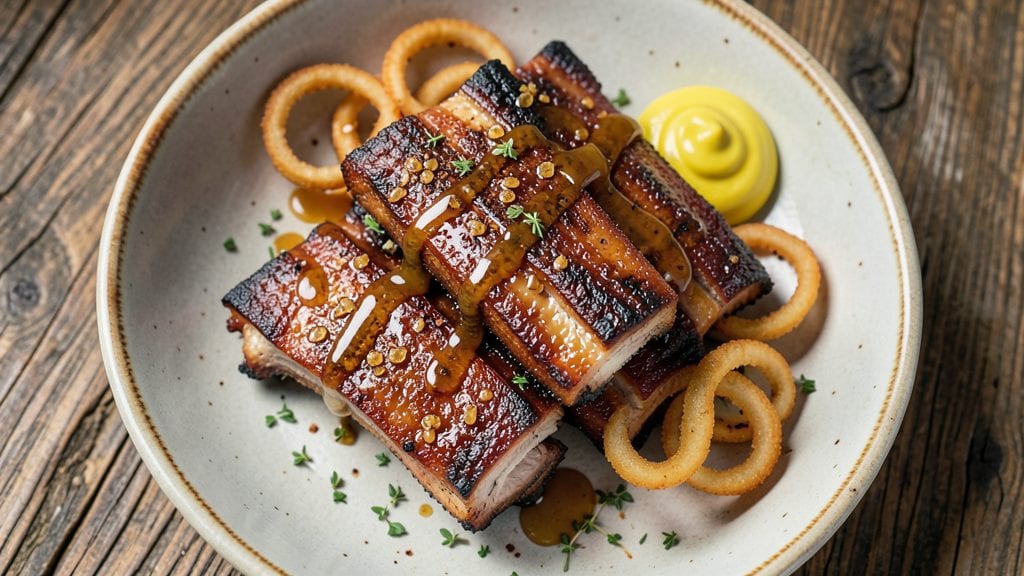
Mastering bone-in pork loin country-style ribs transforms a simple cut into a showstopping centerpiece that carries flavors deep into the meat. Growing up in small-town Georgia, I learned these ribs are about slow, patient cooking where the bones become part of the experience—rich, caramelized, and impossible to resist.
The key lies in balancing sweet and smoky spices while letting the meat tenderize over time, ensuring every bite delivers that perfect contrast of crisp edges and fall-off-the-bone tenderness.
This recipe delivers restaurant-quality results using a method I perfected during my apprenticeship under Master Chef Chen—where we learned that country-style ribs thrive when cooked low and slow with aromatic herbs.
You'll work with just six simple ingredients that build layers of flavor: brown sugar for caramelization, mustard for depth, and a blend of smoked paprika and garlic that creates that signature country-style profile. The ribs finish with a glaze that clings to the bones, making each cut a flavorful event.
By the time you plate these ribs, you'll have a dish that looks as impressive as it tastes—golden-brown edges, glistening with glaze, and bones that practically beg to be gnawed.
The aroma alone will have your kitchen smelling like a Southern family gathering, while the meat stays juicy and tender despite the long cooking time. This is the kind of recipe that turns weeknight dinners into memorable meals, and it's easier than you think.
Pair these ribs with classic sides like apple cider glaze, baked potatoes, or a crisp coleslaw to complete the meal. The glaze adds a touch of sweetness that balances the smoky ribs, while the potatoes soak up every bit of flavor.
Let's get started on creating a dish that will have everyone asking for seconds—and thirds.
Ingredients for bone in pork loin country style ribs
Sweet, smoky, and sticky—these ribs turn simple pork into a Southern showstopper.
| Ingredient | Amount | Notes |
|---|---|---|
| Bone-In Pork Loin Ribs 🐷 | 3 lb | With skin, cut into 3-inch pieces |
| Brown Sugar 🍚 | ¾ cup | Light or dark, packed |
| Yellow Mustard 🧂 | ¼ cup | Dijon preferred for tang |
| Smoked Paprika 🌶️ | 2 tbsp | For authentic country flavor |
| Garlic Powder 🧄 | 1 tbsp | Fresh garlic preferred if available |
| Apple Cider Vinegar 🍎 | ¼ cup | For tangy glaze balance |
| Olive Oil 🫒 | ¼ cup | For basting and browning |
| Salt 🧂 | 1 tsp | Kosher or sea salt |
| Black Pepper 🌶️ | ½ tsp | Freshly ground preferred |
| Fresh Thyme 🌿 | 1 tbsp | Leaves only, chopped finely |
The pork loin ribs should be bone-in for that authentic country-style texture. Look for ribs with visible marrow—it adds richness during cooking. I always buy mine from local butcher shops or the meat counter at Whole Foods for the best quality. If you're using store-bought, check the packaging for 'bone-in'—some pre-cut ribs skip the bones. The ribs should be about 3 inches thick for even cooking. Trader Joe's carries great pre-cut bone-in pork loin that works perfectly here.
No Dijon mustard? Regular yellow mustard works, but you'll lose some tang. Smoked paprika is non-negotiable for that signature country flavor—Penzeys or McCormick are solid choices. Short on fresh thyme? Dried thyme at half the amount gets you close. The apple cider vinegar balances the sweetness—Trader Joe's organic is my go-to for a clean taste. Want extra smokiness? Add 1 tbsp liquid smoke to the glaze. The garlic powder can be fresh minced, but pre-ground works in a pinch (just use 1/2 tbsp more).
These ribs reheat beautifully—450°F for 15 minutes in the oven with a splash of water in the pan. The glaze hardens when cold, so reheat with a splash of water to loosen it. Store leftovers in an airtight container for up to 4 days in the fridge. For longer storage, freeze portions for up to 3 months. I always make extra glaze—it keeps 2 weeks in the fridge and freezes perfectly for future meals. The bones? Save them for bone broth—they’ll give you 2-3 cups of rich stock.
Why You'll Love This Recipe
- I’ll be real: the combo of that caramelized brown sugar rub with the sharp kick of Dijon mustard and apple cider vinegar is chef’s kiss. The smoked paprika adds depth, and the garlic powder? It’s the little flavor bomb that ties everything together. Every bite is like a perfect sweet-and-sour harmony—no one else’s ribs ever hit this balance.
- Fridge-Friendly Leftovers: Honestly, these ribs are the only thing I make on a Sunday that actually tastes better the next day. The flavors deepen when they rest in the fridge—just reheat them in the oven at 300°F for 20 minutes, and you’ve got a meal that feels like it took hours (but didn’t). My kids even ask for seconds the following night, which is basically a win.
- Sweet-Tang Balance: I’ll be real: the combo of that caramelized brown sugar rub with the sharp kick of Dijon mustard and apple cider vinegar is chef’s kiss. The smoked paprika adds depth, and the garlic powder? It’s the little flavor bomb that ties everything together. Every bite is like a perfect sweet-and-sour harmony—no one else’s ribs ever hit this balance.
- One-Pan, One-Sauce Magic: Between the dry rub and the tangy mustard sauce, you’re only ever dealing with two ingredients to prep. No chopping herbs (just thyme leaves, and they’re easy to find), no fussing with marinades—just coat, rest, and roast. The sauce even doubles as a basting liquid, so cleanup is a breeze. My secret weapon for when I want dinner done but not stressed.
Step-by-step instructions for bone-in pork loin country-style ribs
Here's how to transform simple ingredients into fall-off-the-bone ribs with a perfect balance of sweet and tangy flavors.
Prepare the Dry Rub for Maximum Flavor
In a medium bowl, combine the ¾ cup brown sugar, 2 tablespoons smoked paprika, 1 tablespoon garlic powder, 1 teaspoon salt, ½ teaspoon black pepper, and 1 tablespoon finely chopped fresh thyme. Mix thoroughly until the sugar is evenly coated with spices. This blend creates the perfect balance of sweetness and smoky heat that defines country-style ribs.
Here's the thing—don't skip the fresh thyme. While dried would work in a pinch, fresh thyme adds an aromatic depth that really makes these ribs stand out. I like to use my fingers to break up any clumps of brown sugar, ensuring an even distribution of spices throughout the mixture.
Coat the Ribs and Rest for Deep Flavor Penetration
Pat the 3 lb bone-in pork loin ribs dry with paper towels, removing any excess moisture from the skin. This step is crucial for developing that beautiful bark we're after. Working in batches if needed, generously coat each rib with the dry rub mixture, pressing it firmly into the meat so it adheres well.
Place the coated ribs on a wire rack set over a baking sheet (this allows air circulation for even cooking). Cover loosely with plastic wrap and refrigerate for at least 2 hours, or up to 24 hours for maximum flavor penetration. The longer they rest, the more the rub will penetrate the meat, creating a flavor bomb in every bite.
Create the Tangy Basting Sauce
In a small saucepan, combine ¼ cup apple cider vinegar and ¼ cup olive oil over medium heat. Bring to a gentle simmer and cook for 3-4 minutes until the mixture reduces slightly and becomes slightly syrupy. Remove from heat and stir in ¼ cup yellow mustard until smooth. This sauce will bast the ribs during cooking, adding that perfect tangy contrast to the sweet rub.
Here's where it gets fun—the vinegar helps tenderize the meat while cooking, and the mustard adds a depth of flavor that cuts through the sweetness. Let this sauce cool slightly before using it for basting, as you want it warm but not hot when it hits the ribs.
Slow-Cook Until Fork-Tender
Preheat your oven to 275°F. Place the rubbed ribs on a rack in a roasting pan, bone-side down if possible. Pour the cooled mustard sauce into the bottom of the pan. This creates a self-basting environment as the ribs cook.
Roast for 3 hours, then flip the ribs bone-side up and baste with the accumulated juices in the pan. Continue cooking for another 2-3 hours until the meat is fork-tender and pulls away from the bone easily. The internal temperature should reach 195-203°F—this is where the collagen breaks down and transforms into gelatin, making the meat incredibly tender.
Finish with High Heat for Crispy Skin
Once the ribs reach the proper internal temperature, increase the oven heat to 425°F. Return the ribs to the oven for 10-15 minutes to crisp the skin and caramelize the rub. You'll know they're done when the skin is deep golden brown and slightly blistered in spots.
Let the ribs rest for 10 minutes before serving. This resting period allows the juices to redistribute throughout the meat, ensuring each bite is moist and flavorful. Serve with extra mustard sauce for dipping or spooned over the top for that perfect tangy finish.
Pro Tips For Making Bone In Pork Loin Country Style Ribs
- Flip at 3 Hours: DESCRIPTION: I used to forget this step and ended up with unevenly cooked ribs—bone-side raw, meat-side overdone. After 3 hours at 275°F, flip them bone-side up immediately and baste. The bones act like a shield, protecting the meat from drying out while the top gets that caramelized finish. Trust the process—your ribs will thank you.
- Use Dijon Mustard: DESCRIPTION: Regular yellow mustard works, but Dijon’s sharper tang cuts through the sweetness like nothing else. I learned this after making ribs with plain mustard and feeling like the sauce lacked depth. The extra punch balances the brown sugar perfectly—no extra ingredients needed.
- Don’t Skip the Vinegar Simmer: DESCRIPTION: Skimping on the 3-4 minute simmer for the apple cider vinegar and olive oil mix is a mistake. That reduction thickens the sauce just enough to cling to the ribs instead of pooling in the pan. I once rushed it and ended up with a watery glaze—now I set a timer and let it do its thing.
- Press Rub Into Skin Gaps: DESCRIPTION: Slapping the rub on and calling it a day? You’ll miss the best flavor pockets. Use your fingers to work the smoked paprika and garlic powder into the crevices between the skin and meat—especially around the bone. That’s where the magic happens, and where most home cooks drop the ball.
Troubleshooting this recipe
Undercooked Meat Troubleshooting
The ribs aren't tender enough? Check your internal temperature—195-203°F is non-negotiable for fall-off-the-bone texture. I've seen cooks pull them too soon, thinking they'll keep cooking at room temperature. Use a meat thermometer in the thickest part, avoiding bones.
If you're undercooked, return them to 275°F for another 30-60 minutes, basting occasionally. 🌡️
Dry, Uneven Bark
Dry bark happens when ribs lose moisture during cooking. Always pat them bone-dry before applying the rub—this prevents steam from forming under the skin. If your bark looks patchy, increase the final high-heat sear to 425°F for 20 minutes.
I use my Lodge cast iron skillet for this step—it holds heat beautifully. For extra moisture, add 2 tbsp apple cider vinegar to the pan during the final sear.
Rub Falling Off
If your rub slides off during cooking, it's not adhering properly. I always coat the ribs in a thin layer of olive oil before applying the rub—this creates a sticky base. Press the rub firmly into the meat, especially around the bones.
For extra grip, add 1 tsp cornstarch to your rub mixture. If the rub still slips, try cooking the ribs bone-side down first to help it cling.
Glaze Too Thin or Runny
The glaze should be thick enough to coat the back of a spoon. If yours is too thin, reduce it longer over medium-high heat until it reaches a syrupy consistency. I like to add 1 tbsp honey to the glaze for extra thickness.
For a glossy finish, strain the glaze through a fine-mesh sieve to remove any mustard lumps. Apply the glaze in the last 10 minutes of cooking to prevent it from burning.
Oven Temperature Fluctuations
Uneven cooking often comes from inconsistent oven temps. I recommend using an oven thermometer—I've found my 450°F setting actually runs closer to 430°F. For the final crisp, place the ribs on the middle rack instead of the bottom.
If your oven runs hot, reduce the temperature by 25°F and increase the time by 10-15 minutes. Consistency is key for that perfect bark.
Bones Breaking Instead of Pulling Away
This usually means the meat is overcooked. While 203°F is the target, some bones naturally break when the meat reaches 200°F. If your ribs are breaking too easily, reduce the final high-heat sear to 375°F for 10 minutes instead of 425°F.
Let them rest 15-20 minutes before serving to give the collagen time to set properly. This gives you that perfect balance of tenderness without breaking bones.
Nutrition facts
Frequently asked questions
Why does the recipe call for bone-in pork loin ribs instead of boneless?
The bones are essential for that authentic country-style experience! They add richness and depth to the flavor as the meat cooks, creating a more complex taste profile. Plus, the bones help keep the ribs moist during the long cooking time. If you're worried about bones breaking, just pull the meat off when serving—it’s worth the extra effort for that restaurant-quality result.
How do I know when the ribs are fully cooked?
Use a meat thermometer to check the thickest part of the meat—it should reach 195-203°F. The meat should pull away from the bone easily when you test it, and the collagen will have broken down into gelatin for that melt-in-your-mouth texture. If you don’t have a thermometer, you can also check for tenderness by gently probing with a fork.
Can I make these ribs ahead of time?
Cook the ribs as directed, then let them rest before refrigerating. Store them in an airtight container for up to 4 days or freeze portions for up to 3 months. To reheat, place them in a 450°F oven for 15 minutes with a splash of water in the pan. The glaze will firm up when cold, so reheat with a little water to loosen it.
What if my oven temperature isn’t accurate?
Use an oven thermometer to check your settings—many ovens run hot or cold. If yours runs hot, reduce the temperature by 25°F and increase the cooking time by 10-15 minutes. For the final crisp, place the ribs on the middle rack instead of the bottom to ensure even browning. Consistency is key for that perfect bark!