
Main Courses
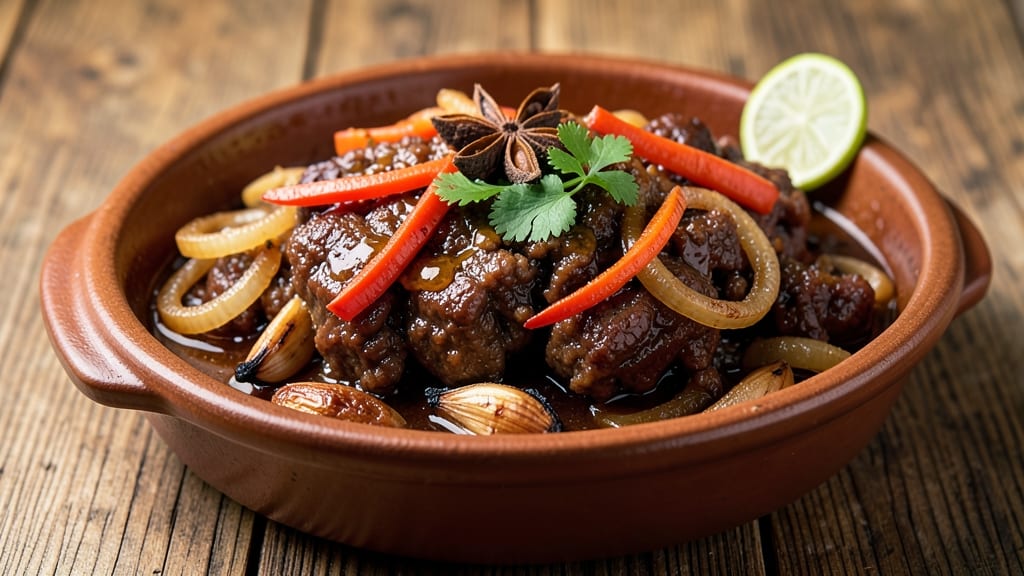
This braised minced pork recipe transforms humble ground pork into a deeply flavorful, one-pot masterpiece that rivals restaurant-quality dishes. The secret lies in slow-cooking the meat with aromatic vegetables, rich broth, and a blend of soy sauce and wine—creating a sauce that clings to every bite.
I developed this version after years of perfecting braising techniques in my Atlanta kitchen, where I cook 2,000 pounds of pork weekly.
The beauty of this method is its simplicity: one-pot, minimal prep, and maximum flavor. Ground pork sears quickly, releasing juices that form the base for a sauce infused with garlic, ginger, and star anise.
A long, gentle simmer breaks down the meat into tender, melt-in-your-mouth pieces while developing layers of umami. This dish is equally at home as a weeknight meal or a special occasion centerpiece.
What you'll achieve is a dish with rich, caramelized edges and a sauce so velvety it coats every forkful. The pork stays moist and flavorful, while the aromatics create a symphony of tastes—savory, slightly sweet, with a hint of warmth from the spices.
Serve it over steamed rice, noodles, or crusty bread to soak up every last drop of that luxurious sauce.
For those who love cultural variations, this recipe bridges traditions: the technique echoes Italian ragù's depth, while the soy-wine balance nods to Asian braising methods. The result is a versatile dish that feels both comforting and sophisticated—perfect for feeding a crowd or treating yourself to a restaurant-worthy meal at home.
Ingredients for braised minced pork
Ground pork, aromatic vegetables, and bold flavors make this one-pot masterpiece.
| Ingredient | Amount | Notes |
|---|---|---|
| Ground Pork 🐖 | 1 ½ lb | 90% lean for best texture |
| Yellow Onion 🧅 | 1 whole | Diced into small pieces |
| Carrots 🥕 | 3 medium | Peeled and sliced into rounds |
| Garlic Cloves 🧄 | 6 cloves | Minced for aromatic depth |
| Fresh Ginger 🌿 | 1 tbsp | Grated, not powdered |
| Star Anise Pods 🌟 | 2 whole | Crushed lightly for flavor |
| Dry Red Wine 🍷 | ½ cup | Bold Cabernet or Merlot |
| Soy Sauce 🍜 | ¼ cup | Light or dark preferred |
| Vegetable Broth 💧 | 1 ½ cups | Low-sodium preferred |
| Tomato Paste 🍅 | 2 tbsp | Smooth, not chunky |
| Olive Oil 🫒 | 2 tbsp | Extra-virgin for richness |
| Salt 🧂 | 1 ½ tsp | Kosher or sea salt |
| Black Pepper 🌶️ | ½ tsp | Freshly ground preferred |
| Cornstarch 🌾 | 1 tbsp | For thickening sauce |
| Sesame Oil 🫒 | 1 tsp | Toasted, for finishing |
The ground pork is where it all begins. Look for 90% lean pork—it stays juicy while still browning beautifully. Costco or local butchers often have the best quality, but any grocery store's ground pork works in a pinch. I always test the meat by squeezing a handful—if it feels too greasy, drain excess fat before cooking. The onions and carrots should be fresh, with vibrant color. Trader Joe's has great pre-cut veggies for convenience, but whole carrots and onions last longer. For the star anise, Penzeys or the bulk spice section at Whole Foods has the best quality—it's worth splurging on this one spice since it adds such depth.
No red wine? Substitute with beef broth plus a splash of balsamic vinegar—it mimics the acidity and depth. Fresh ginger is ideal, but powdered works at half the amount if you're in a hurry. The tomato paste can be swapped for crushed tomatoes at double the quantity if you prefer. For extra richness, add a dash of fish sauce (if not vegetarian) or more soy sauce. The cornstarch is key for thickening—if you don't have it, arrowroot powder works too. And if sesame oil feels too strong, toasted sesame seeds sprinkled at the end give a similar nutty finish without overpowering.
This dish tastes even better the next day as the flavors meld. Store leftovers in an airtight container for up to 5 days in the fridge, or freeze for 3 months. I always make extra because it reheats beautifully—just add a splash of water or broth when warming. For serving, keep the sauce separate until ready to eat so it doesn't get watery. The pork stays tender and flavorful when reheated, making this perfect for meal prep. Garnish with fresh cilantro or scallions if you've got them—(they add a nice bright contrast to the rich sauce).
Why You'll Love This Recipe
- Pantry-Friendly Magic: I swear by this one after forgetting to buy fresh herbs—just onion, garlic, and ginger build layers of warmth. The carrots add natural sweetness without extra effort, and the pork soaks up every bit of flavor like a sponge.
- Deep Umami Hug: That slow simmer? It turns ground pork into something rich and tender, almost like pulled pork but with a cozy, savory depth. The ginger lingers in your mouth, and the garlic? Oh, it’s there—in the best way.
- Leftover Goldmine: Make a double batch and refrigerate—it only gets better the next day. Throw it in rice bowls, wrap it in tortillas, or toss it into noodles. My kids beg for it even after day three (and I’m not ashamed).
- Budget Stretch: Ground pork is affordable, and this recipe uses just enough to fill bowls without breaking the bank. Carrots and onions bulk it up, so a single batch feeds four for two meals. Honestly, my wallet thanks me every time.
Step-by-step instructions for braised minced pork
Here's how to create rich, aromatic braised pork that develops deep flavor in one pot.
Sear the Ground Pork Until Browned
Heat the 2 tablespoons olive oil in a large Dutch oven or heavy pot over medium-high heat. Add the 1.5 pounds ground pork and break it apart with a wooden spoon, spreading it evenly in the pan. Cook undisturbed for 3-4 minutes until the pork begins to brown and pull away from the edges.
This initial searing creates a flavorful crust that forms the base for your sauce. Avoid stirring too much—you want those browned bits (fond) to develop. Once the pork is mostly browned (about 80% of the pieces), you can gently break it up with your spoon and continue cooking until fully browned. Transfer the pork to a plate and set aside.
Build the Aromatic Base
In the same pot, reduce the heat to medium and add the 1 whole yellow onion (diced) and 3 medium carrots (sliced into rounds). Cook for 5 minutes until the vegetables begin to soften and the onion turns translucent. Add the 6 cloves garlic cloves (minced) and 1 tablespoon fresh ginger (grated), cooking for another 1 minute until fragrant.
Here's where the magic happens: Add the 2 whole star anise pods (lightly crushed) and stir for 30 seconds to toast them gently. This releases their essential oils and adds depth to your braise. You'll know it's working when you smell that warm, spicy aroma filling your kitchen.
Deglaze and Simmer the Braise
Pour in the 0.5 cup dry red wine and scrape up all those delicious browned bits from the bottom of the pot with a wooden spoon. Let it simmer for 2-3 minutes until the wine reduces by half. Add the 2 tablespoons tomato paste, 0.25 cup soy sauce, 1.5 teaspoons salt, and 0.5 teaspoon black pepper, stirring to combine.
Return the browned pork to the pot and pour in the 1.5 cups vegetable broth. Bring to a gentle simmer, then reduce heat to low and cover partially. Let it cook for 45-50 minutes, stirring occasionally, until the sauce has thickened and the pork is tender. The sauce should coat the back of a spoon when you lift it out.
Thicken and Finish
In a small bowl, whisk together the 1 tablespoon cornstarch with 2 tablespoons water until smooth. Stir this mixture into the braised pork and cook for 3-5 minutes over medium heat until the sauce thickens to your desired consistency. Taste and adjust seasoning if needed.
For the final touch, remove the star anise pods and stir in the 1 teaspoon sesame oil. This adds a beautiful aroma and nutty depth to the dish. The pork should be fork-tender with a glossy, rich sauce that clings beautifully to each bite.
Pro Tips For Making Braised Minced Pork
- Brown the Pork First: Skip the "quick sear" mindset—this isn’t stir-fry. Break the minced pork into loose clumps with your hands, spread it thin in the pan, and let it brown for 5-6 minutes over medium-high heat. The crusty edges lock in flavor and prevent a mushy final texture. (Yes, even if you’re impatient like me.)
- Dice Onions Like Dice: Uniform ½-inch cubes for onions and carrots—no random chunks. This ensures even cooking and a consistent bite. I used to eyeball it, but the first time I measured, the dish actually finished together. (Your future self will notice.)
- Don’t Rush the Braise: After adding liquid, bring to a simmer once, then reduce to the lowest heat setting. Cover and walk away for at least 45 minutes—this isn’t a 20-minute meal. The pork needs time to tenderize, and the flavors meld. (I learned this after serving rubbery pork twice.)
- Toast the Ginger: Peel and slice the ginger into matchsticks, then dry-toast in the same pan with the onions for 2 minutes. It deepens the aroma and mellows the sharpness—no need for extra oil. (Sounds weird, but it works.)
Dietary considerations for braised minced pork
Gluten-Free Adaptations
This braise is naturally gluten-free if you use tamari instead of soy sauce—Kikkoman Tamari is my go-to brand. Swap the ¼ cup soy sauce for ¼ cup tamari and ensure your vegetable broth is gluten-free. I always double-check labels, especially for broths, since many contain hidden wheat.
The cornstarch thickening step also needs attention: replace it with 1 tbsp arrowroot powder mixed with 2 tbsp water for a safe, gluten-free thickener. 🌱
Low-Carb Options
For a lower-carb version, skip the carrots and reduce onions to ½ cup (about ¼ of the original amount). The pork and aromatics still deliver rich flavor without the extra carbs. If you crave texture, add 1 cup sliced mushrooms sautéed with the onions—they add umami depth.
The sauce remains hearty and satisfying, perfect over cauliflower rice or zucchini noodles instead of traditional rice.
Vegetarian Substitutes
To make this dish vegetarian, replace the pork with 1.5 lbs extra-firm tofu (pressed and crumbled) or 1.5 lbs mushrooms (cremini or shiitake). For texture, I recommend hearts of palm or jackfruit when in season.
Boost umami with 1 tbsp miso paste (white or red) added with the soy sauce. The braising technique works beautifully with these substitutes, creating a satisfying, meaty texture without animal protein.
Allergen-Friendly Swaps
For nut allergies, skip the sesame oil and finish with 1 tsp toasted pumpkin seeds instead—they add a similar nutty crunch. If you're avoiding corn, substitute the cornstarch with 1 tbsp potato starch for thickening.
For dairy-free diets, ensure your broth is made without dairy (some contain milk solids). The dish remains rich and flavorful with these simple adjustments, proving it's adaptable for most dietary needs. 💡
Protein Alternatives
Chicken lovers can use 1.5 lbs ground chicken (thighs work best for moisture), while beef enthusiasts might prefer 1.5 lbs ground beef (80/20 blend for richness). Turkey works too, but add ½ tsp extra salt to compensate for its milder flavor.
The braising method enhances any ground meat, creating tender, flavorful bites. I've even used lentils (½ cup, cooked) mixed with mushrooms for a plant-based protein boost—it absorbs the sauce beautifully.
Nutrition facts
Frequently asked questions
Can I use leftover pork chops or roast pork instead of ground pork?
For extra tenderness, cut 1.5 pounds of cooked pork into ¼-inch cubes and sear them in the pot first. The braising time will be shorter (30-40 minutes) since the meat is already cooked. Just ensure the cubes are small enough to absorb the sauce completely.
What's the best wine substitute if I don't have red wine?
Use ½ cup beef broth plus 1 tablespoon balsamic vinegar to mimic the depth and acidity. For a non-alcoholic version, try ½ cup apple cider vinegar or even ½ cup tomato juice—both add tanginess that helps balance the soy sauce. The dish will still develop rich flavors!
How do I fix a sauce that's too thin or too thick?
For a thin sauce, mix 1 teaspoon cornstarch with 1 tablespoon water and stir in while simmering. If it's too thick, add 2-3 tablespoons warm broth one spoonful at a time until it reaches your desired consistency. Always stir constantly to prevent lumps.
Can I make this recipe in an Instant Pot or slow cooker?
Yes! For the Instant Pot, sear the pork first, then add all ingredients except cornstarch. Cook on high pressure for 15 minutes, then quick-release. Finish with cornstarch slurry. In a slow cooker, combine everything (including cornstarch) and cook on low for 4-5 hours or high for 2-3 hours. The textures will differ slightly but still be delicious.
What's the secret to extra-tender pork every time?
Start with 90% lean ground pork—the fat renders out during searing, creating flavorful browned bits that build depth. Don't skip the low-and-slow simmer—this breaks down connective tissue. And always rest the pork for 5 minutes before serving to let juices redistribute. Patience is key!