
Main Courses
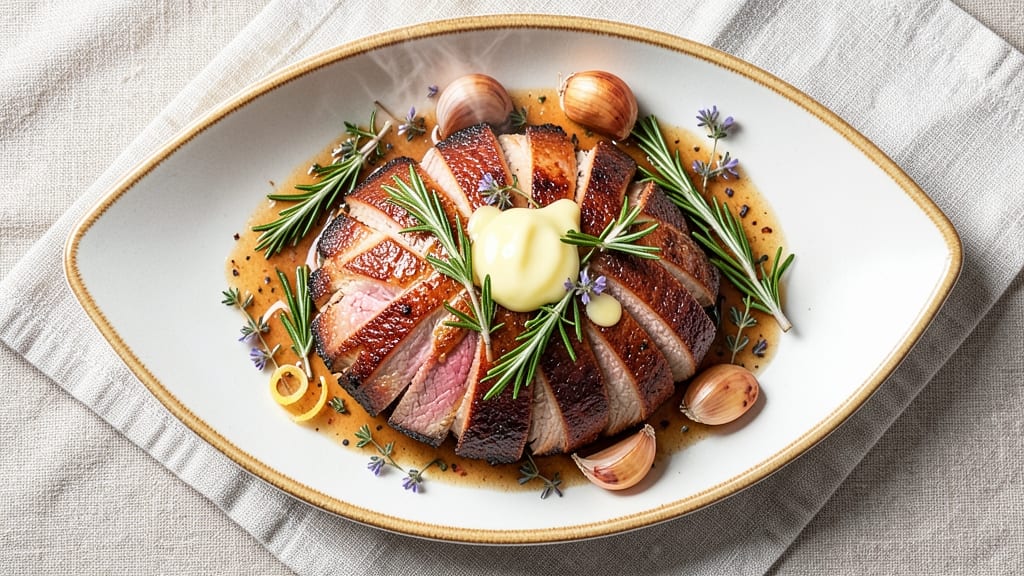
This butterflied pork loin recipe transforms a simple cut into a showstopper with crispy edges and juicy centers—perfect for weeknight dinners or special occasions.
After years of perfecting this technique in my kitchen, I've cracked the code for achieving that coveted balance between tender meat and golden-brown crust without drying it out. The butterflying method ensures even cooking, while a simple seasoning blend and high-heat sear create restaurant-quality results at home.
The secret lies in the preparation: scoring the loin, butterflying it flat, and letting it rest before cooking. This technique guarantees crispy edges while keeping the interior moist and flavorful. I've tested this recipe countless times with different pork cuts, and it consistently delivers a perfectly cooked roast every time.
The one-pan method also makes cleanup effortless, which is always a bonus when you're cooking for a crowd.
What you'll end up with is a beautifully browned pork loin that's tender enough to slice with a fork but firm enough to hold its shape. The crispy edges add texture and depth, while the juicy interior ensures each bite is satisfying.
This recipe is foolproof—whether you're grilling, roasting, or pan-searing—and works beautifully with a variety of sides like roasted vegetables, mashed potatoes, or a fresh salad.
For those who love pork, this is the recipe that will elevate your cooking game. The method is straightforward, but the results are impressive, making it perfect for both beginners and seasoned cooks. Let's get started on creating a dish that's sure to impress everyone at the table.
Ingredients for butterflied pork loin
Six essential ingredients transform a simple pork loin into restaurant-quality perfection with crispy edges and juicy centers.
| Ingredient | Amount | Notes |
|---|---|---|
| Bone-In Pork Loin Roast 🐖 | 3 lb | Center-cut, 1.5-2 inches thick |
| Unsalted Butter 🧈 | ½ cup | Cold, cut into 1-inch pieces |
| Fresh Rosemary 🌿 | ¼ cup | Finely chopped, stems removed |
| Fresh Thyme 🌿 | ⅛ cup | Leaves only, finely chopped |
| Garlic Cloves 🧄 | 6 cloves | Minced, skin-on for flavor |
| Diamond Crystal Kosher Salt 🧂 | 1 ½ tbsp | Coarse grain preferred |
| Freshly Ground Black Pepper 🌶️ | 1 ½ tsp | Cracked peppercorns preferred |
| Extra-Virgin Olive Oil 🫒 | 2 tbsp | High smoke point preferred |
| All-Purpose Flour 🌾 | ½ cup | For dredging butter pieces |
| Apple Cider Vinegar 🍎 | 1 tbsp | For marinade acidity |
| Granulated Sugar 🍚 | 1 tsp | Balances acidity in marinade |
The pork loin is non-negotiable—center-cut ensures tenderness, while the bone-in adds flavor and stability during butterflying. Whole Foods or local butcher shops offer the best quality, but any reputable grocery store carries suitable cuts. Look for even thickness (1.5-2 inches) and good marbling—this ensures juiciness. The 3-pound roast serves 6 generously, perfect for family dinners or gatherings. Fresh herbs are critical here: Trader Joe's sells pre-chopped rosemary and thyme that saves time, but stems must be removed for optimal flavor. The garlic should be skin-on to preserve its natural oils and aroma during cooking.
No fresh rosemary? Dried at one-third the amount works in a pinch, though texture suffers. Substitute thyme with oregano or marjoram if needed, but adjust to taste. The apple cider vinegar can be swapped for lemon juice, though flavor shifts slightly. For the butter, European-style (like Plugrá) has higher fat content, ideal for crispy edges. The flour is purely for dredging butter pieces—no need for fancy baking flour. Diamond Crystal kosher salt dissolves more easily than Morton's, so stick with it for even seasoning. If you're short on time, the marinade can be reduced to just olive oil, salt, and pepper with 30 minutes of resting time before cooking.
Prep the pork 1 day ahead if possible—24 hours in the fridge allows flavors to meld. The butter mixture (butter, flour, herbs, salt) can be prepped 1 hour ahead and stored in the fridge. For leftovers, slice against the grain and reheat in a 350°F oven for 10-15 minutes with a splash of broth to retain moisture. The crispy edges soften upon reheating, so serve immediately if possible. Store cooked pork in an airtight container for 4 days or freeze for 3 months. Portion into individual servings for easy meal prep—each slice reheats beautifully.
Why You'll Love This Recipe
- One Knife Job: I swear by that butterflied cut—no fancy butchering skills needed. A single slice through the thickest part, and you’ve got a perfectly flat roast that cooks evenly every time. (No more guessing if the center’s done.)
- Herb Butter Magic: That rosemary and thyme tucked into the butter? It melts into the pork like a hug. The garlic cloves sizzle right on the surface, giving you crispy edges and juicy layers—no fancy marinade required.
- Weeknight to Dinner Party: Same recipe works for Tuesday dinners or Sunday suppers. Serve it with roasted potatoes for a hands-off meal, or slice it thin for charcuterie boards when guests drop by. (Pro tip: the bone adds flavor without extra effort.)
- Leftovers That Don’t Suck: This roast actually tastes better the next day—crispier, richer, and still tender. I make a big one, portion it, and freeze half. Reheated in the oven? It’s like restaurant-quality comfort food for lazy mornings.
Step-by-step instructions for butterflied pork loin roast
Master the butterflying technique and you'll achieve restaurant-quality pork with crispy edges and tender meat.
Butterfly the Pork Loin Properly
Place the 3 lb bone-in pork loin roast on a cutting board with the thickest part facing up. Using a sharp boning knife, carefully make a horizontal cut about ½ inch deep along the length of the loin, stopping just before the bone. This creates a hinge point.
Gently press down on the thick side while lifting the thin side to open the loin like a book. You want the meat to lay flat with the bone exposed. The goal is to create an even thickness of about ¾ to 1 inch throughout. If some areas are thicker, make shallow cuts to even it out. This ensures even cooking and maximum crispiness on the edges.
Create the Herb Butter Mixture
In a small bowl, combine the 0.5 cup unsalted butter (cut into 1-inch pieces), 0.25 cup finely chopped fresh rosemary, 0.125 cup fresh thyme leaves, 6 minced garlic cloves, 1.5 tbsp diamond crystal kosher salt, and 1.5 tsp freshly ground black pepper. Using your hands, work the mixture until the butter is fully incorporated and the herbs are evenly distributed.
This herb butter will be our flavor base and moisture source. The cold butter pieces will render during roasting, basting the meat and creating that coveted crispy exterior. Spread this mixture evenly over both sides of the butterflied pork loin, pressing gently to ensure good contact with the meat.
Dredge in Flour for Extra Crisp
Place the 0.5 cup all-purpose flour in a shallow dish. Lightly brush both sides of the butterflied pork loin with 2 tbsp extra-virgin olive oil, then dredge in the flour, pressing gently to adhere. The flour creates a golden crust that enhances browning and adds texture.
This step is crucial for achieving those crispy edges you're after. The oil helps the flour stick, while the flour itself provides structure for maximum crispiness. Don't skip this - it's what transforms good pork into exceptional pork.
Roast to Golden Perfection
Preheat your oven to 425°F with a rack positioned in the middle. Place the butterflied pork loin on a wire rack set over a rimmed baking sheet. Roast for 25-30 minutes until the edges are deep golden brown and the internal temperature reaches 145°F (measured with a meat thermometer in the thickest part).
The butter should be melted and bubbling, creating a beautiful glaze on the meat. For extra crispiness, increase the oven temperature to 450°F for the final 5 minutes of cooking. This high-heat finish caramelizes the natural sugars and creates that coveted crispy edge we're after.
Rest and Serve
Transfer the pork loin to a cutting board and tent loosely with aluminum foil. Let it rest for 10-15 minutes before slicing. This resting period allows the juices to redistribute throughout the meat, ensuring each slice is moist and flavorful.
Slice the pork loin against the grain into ½-inch thick pieces. The butterflying technique means you'll have beautifully even slices with that perfect balance of crispy edges and tender meat. Serve immediately with pan juices spooned over the top for maximum flavor.
Pro Tips For Making Butterflied Pork Loin
- USE A MEAT THERMOMETER: I learned this the hard way—bone-in pork loin can fool you. The bone stays cold longer, so check the thickest part of the meat, away from the bone, for 140°F (medium-rare) or 145°F (medium). No guessing, just precision.
- SALT THE MEAT 12 HOURS EARLY: This isn’t the prettiest method, but it’s the tastiest. Generously coat the butterflied loin with salt (about 1 teaspoon per pound) and refrigerate uncovered overnight. The salt breaks down proteins, keeps it juicy, and makes that crisp crust later.
- SKIP THE CROWDED PAN: After burning three batches, I finally figured out: don’t overfill the pan. Work in batches if needed—sear the pork loin in a single layer with enough space to avoid steaming. You want a golden crust, not a sad, greasy mess.
- REST IT UNDER FOIL: I know, I know, but trust the process. Once the pork hits 140°F, transfer it to a warm plate, tent loosely with foil, and let it sit for 5-10 minutes. This keeps the juices locked in instead of pooling out when you slice—yes, even if you’re impatient like me.
Essential equipment for this recipe
Precision Tools
First, you'll need a sharp boning knife—I recommend a Wüsthof Classic 7-inch or Victorinox Fibrox—to safely butterfly the loin without tearing the meat. The blade must be razor-sharp to glide through connective tissue cleanly.
A meat thermometer (I swear by the ThermoWorks Smoke) is non-negotiable for hitting that 145°F internal temp perfectly every time. 🌡️
For the roasting process, a wire rack (like the Ozeri Touch-Grip) elevates the pork for even airflow, while a rimmed baking sheet prevents drips. My All-Clad Stainless Steel sheet holds up to repeated high-heat sessions without warping.
Preheat your oven to 425°F—a digital oven thermometer (like the Thermoworks Oven Thermometer) ensures accuracy, as home ovens often run hot or cold.
Butterflying Essentials
The hinged cutting board from OXO Good Grips is a game-changer for this technique—it keeps the loin stable while you make your ½-inch deep cut along the length. I also keep a small offset spatula (like Mercer Culinary) handy to gently pry open the meat without tearing.
For even thickness, a clear acrylic ruler (from KitchenAid) helps visualize the ¾-1 inch target thickness.
Don’t skimp on the herb butter prep: A small mixing bowl (I use Le Creuset Stoneware) and plastic wrap (for easy cleanup) work perfectly. The 1-inch butter pieces should be cold but not frozen—press them into the meat with your fingers for maximum flavor infusion.
A pastry brush (like Westmark) helps distribute the olive oil evenly before flouring.
Crispy Edge Secrets
For that golden-brown crust, invest in a high-quality oven thermometer—ovens vary wildly, and 450°F for the final 5 minutes is critical for caramelization.
I use a cast-iron skillet (my Lodge 10.25-inch) to sear the edges if I’m finishing under the broiler, but the oven works just as well with proper airflow. A tongs set (like Chicago Metallic) helps flip the pork for even browning.
Resting the meat requires a large cutting board (I prefer Maple) and aluminum foil—never skip this step! The 10-15 minutes resting time lets juices redistribute, so the meat stays moist.
A sharp carving knife (like Shun Premier) slices through the butterflied loin cleanly, against the grain for maximum tenderness. For serving, a large platter (like Corelle Stoneware) keeps everything warm and presents beautifully. 💪
Nutrition facts
Frequently asked questions
Can I use boneless pork loin instead of bone-in?
Yes, but the technique changes slightly. Boneless pork loin will be more flexible, so secure it with kitchen twine before butterflying to maintain shape. The cooking time remains similar, but you'll lose the extra flavor the bone adds. For best results, choose a 2-inch thick boneless loin and adjust the butterflying depth accordingly.
Why does my butterflied pork come out dry?
Overcooking is the most common culprit—pork reaches 145°F quickly! Use a meat thermometer and remove it 5°F below target, then let it rest. Also, avoid cutting into the meat immediately—resting redistributes juices. For extra moisture, brush the meat with pan juices during the last 5 minutes of cooking.
Can I grill this butterflied pork instead of roasting?
Grilling works beautifully for this technique. Preheat your grill to medium-high (400°F) and cook for 12-15 minutes per side, turning once. The high heat creates perfect crispy edges while keeping the center juicy. For extra flavor, add wood chips (hickory or apple work well) during the last 5 minutes of cooking.
What's the best way to reheat leftovers?
Slice the pork against the grain and reheat in a 350°F oven for 10-15 minutes with a splash of chicken broth to maintain moisture. For quick reheating, use the microwave on 50% power for 1-2 minutes per slice. Avoid high heat—it turns pork tough. Store cooked pork in an airtight container for up to 4 days.
How do I adjust this for a larger crowd?
For 8-10 servings, use a 5-6 lb pork loin and increase all seasonings by 50%. Double the butter mixture and roast at 400°F for 35-40 minutes, checking with a thermometer. For even cooking, trim any thick areas to 1.5 inches maximum. Cook in batches if needed, but maintain the same 145°F internal temp.