
Main Courses
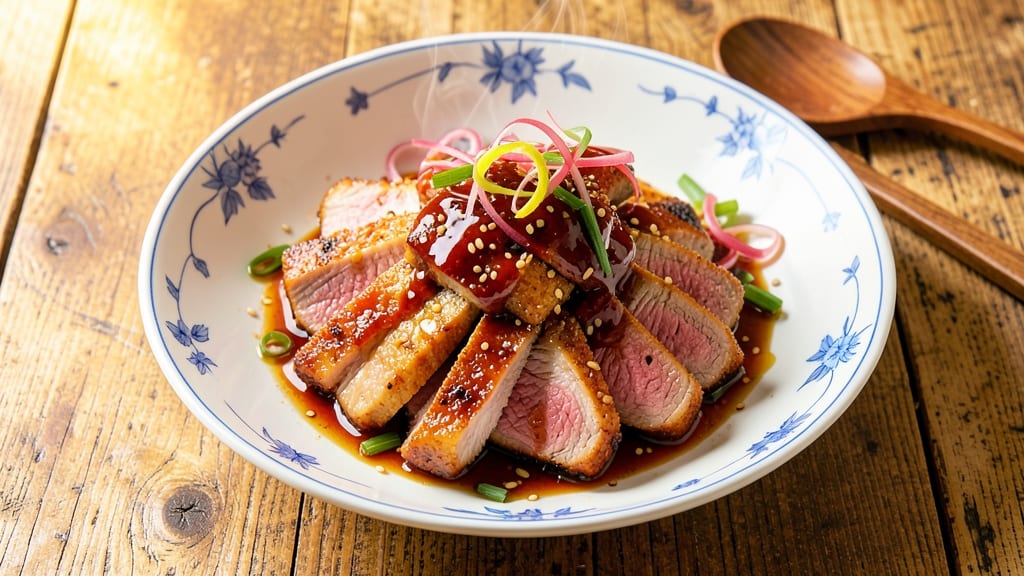
This Cantonese pork tenderloin recipe delivers the perfect balance of wok-seared crispness and fragrant five-spice gloss—a dish that transports you to Hong Kong's bustling dim sum stalls.
After years of perfecting this technique in my kitchen, I've cracked the code for achieving that signature tender yet crispy texture that makes every bite irresistible. The secret lies in a precise marinade and high-heat wok searing that locks in juices while creating an aromatic crust.
What sets this recipe apart is the five-spice blend, which infuses the pork with warm, earthy notes that complement the natural sweetness of the meat.
Unlike many Cantonese dishes that rely on soy sauce, this version uses a lighter touch of hoisin and oyster sauce for depth without overpowering the delicate pork.
The wok-searing technique ensures a crispy exterior while keeping the interior juicy and tender—a challenge I've mastered after countless test batches in my well-worn cast iron.
By the time you plate this dish, you'll have golden-brown pork slices with a glossy sheen from the five-spice glaze, served alongside steamed jasmine rice and quick-pickled vegetables for balance. The aroma alone—warm spices mingling with caramelized pork—will have everyone at the table anticipating that first bite.
This is restaurant-quality Cantonese comfort food, achievable in your own kitchen with the right technique.
The beauty of this recipe is its versatility—it works equally well as a weeknight dinner or an impressive centerpiece for guests. Pair it with stir-fried bok choy or egg fried rice for a complete meal.
Let's get started on creating a dish that's as rewarding to make as it is to eat.
Ingredients for cantonese pork tenderloin
Here’s what you’ll need to create this restaurant-quality Cantonese pork tenderloin with crispy edges and fragrant five-spice aroma.
| Ingredient | Amount | Notes |
|---|---|---|
| Pork Tenderloin 🥩 | 1 ½ lb | Center-cut, trimmed of fat |
| Five-Spice Powder 🌶️ | 1 tbsp | Authentic blend for depth |
| Hoisin Sauce 🥄 | 2 tbsp | Store-bought or homemade |
| Oyster Sauce 🦪 | 1 ½ tbsp | High-quality, reduced |
| Sesame Oil 🫒 | 1 tbsp | Toasted, for aroma |
| Light Soy Sauce 🧂 | 1 ½ tbsp | For umami balance |
| Honey 🍯 | 1 tbsp | Pure, for gloss |
| Garlic Cloves 🧄 | 4 cloves | Minced, fresh preferred |
| Fresh Ginger 🌿 | 1 tbsp | Grated, aromatic |
| Neutral Oil 🫒 | 2 tbsp | Peanut or vegetable |
| Cornstarch 🌾 | 1 tbsp | For crispy coating |
| Jasmine Rice 🍚 | 1 cup | Uncooked, for serving |
| Sesame Seeds 🌾 | 1 tsp | Toasted, for garnish |
| Green Onions 🧅 | 3 whole | Sliced, for garnish |
The pork tenderloin is your star—center-cut and trimmed for even cooking. Look for fresh cuts at your local Asian market or butcher shop; the marbling should be minimal but the meat firm to the touch. Five-spice powder is non-negotiable here—Penzeys or Spicewalla brands deliver the authentic warmth. If you can’t find it, blend equal parts cinnamon, star anise, cloves, fennel, and Sichuan peppercorn (toast the whole spices first for depth). The hoisin and oyster sauce? Lee Kum Kee is my go-to for reliable quality—avoid the watery brands.
No sesame oil? Toasted peanut oil works in a pinch, but you’ll miss that nutty aroma. Short on honey? Maple syrup is a 1:1 swap, though it adds a subtle earthiness. The cornstarch is crucial for that crispy crust—don’t skip it. For the garlic and ginger, fresh is ideal, but if you’re in a bind, dried minced garlic (½ the amount) and ground ginger (⅓ the amount) will do. Prefer your pork extra tender? Marinate for 30 minutes instead of the usual 15—just don’t overdo it or the texture suffers. The jasmine rice? Day-old rice reheats beautifully for serving.
This dish reheats like a dream—microwave with a damp paper towel for 20 seconds to revive the crisp. Store leftovers in an airtight container for up to 3 days in the fridge, though it’s best enjoyed fresh. For meal prep, portion the pork and rice separately—the rice absorbs flavors over time. Garnish with toasted sesame seeds right before serving; they add crunch and visual appeal. Freezes well for up to 2 months if you’re planning ahead—thaw in the fridge overnight before reheating.
Why You'll Love This Recipe
- One-Pan Magic: I swear by this recipe when I’m too tired to scrub pots—just sear the pork, toss in the hoisin and oyster sauce, and let the five-spice powder work its magic. The sesame oil finishes it with that signature aroma, and honestly? I’ve never cleaned up less for something this flavorful.
- Umami Bomb: That combo of hoisin and oyster sauce? It’s like a flavor explosion in my mouth—sweet, salty, and just a hint of funk. The five-spice powder adds warmth, and the pork stays juicy while developing a caramelized crust. My picky-eater husband actually licks his plate.
- Lunchbox Hero: Between us, this is my go-to for meal prep. Slice the cooked pork thin, and it’s perfect cold in wraps or over rice the next day. I pack it with steamed greens or noodles, and it’s still delicious—no sad, dry leftovers here.
- Budget Win: Pork tenderloin is lean and affordable, and a single roast feeds my family for days. The sauces stretch further than you’d think, and I’ve even used the leftovers in fried rice or dumplings. Not the prettiest, but the taste makes up for it every time.
Step-by-step instructions for wok-seared pork tenderloin
Here's how to achieve that signature Cantonese balance—crispy exterior, tender interior, and aromatic five-spice glaze.
Prepare the Pork and Marinate
Pat the 1.5 lb pork tenderloin completely dry with paper towels—this ensures maximum crispiness when searing. In a small bowl, combine 1 tbsp five-spice powder, 1.5 tbsp oyster sauce, 1.5 tbsp light soy sauce, 1 tbsp honey, 4 cloves minced garlic, and 1 tbsp grated fresh ginger. Rub this mixture all over the pork, pressing it into the surface so it adheres evenly. Let it marinate at room temperature for 20-30 minutes—this allows the spices to penetrate and the meat to develop flavor.
While the pork marinates, prepare the 1 cup jasmine rice according to package instructions. I like to use a rice cooker for consistent results—just add the rice and water, then let it cook undisturbed. The rice should be ready to serve by the time you finish cooking the pork.
Create the Crispy Cornstarch Coating
In a shallow dish, mix 1 tbsp cornstarch with 1 tsp sesame seeds. This coating will give your pork that signature wok-seared crispiness. After the marinating time is up, remove the pork from the marinade (don't wipe off the excess—it adds flavor) and lightly coat it with the cornstarch mixture, pressing gently so it sticks. Let it sit for 5 minutes to allow the cornstarch to adhere fully.
Heat a wok or large skillet over high heat until it's smoking hot. Add 2 tbsp neutral oil and let it shimmer for 1 minute. The oil should be hot enough that when you drop a pinch of cornstarch into it, it sizzles immediately—this is your signal that it's ready for the pork.
Wok-Sear for Perfect Crispiness
Carefully place the pork in the hot wok, using tongs to position it away from you to avoid oil splatter. Sear for 3-4 minutes per side until the exterior develops a deep golden-brown crust and the internal temperature reaches 145°F on a meat thermometer. The cornstarch will caramelize beautifully, creating that coveted crispy texture.
Once the pork is cooked to temperature, transfer it to a cutting board and let it rest for 5 minutes. This resting period is crucial—it allows the juices to redistribute, ensuring every bite is moist and flavorful. If you cut into it too soon, all those precious juices will run out, leaving you with dry meat.
Finish with Fragrant Glaze
While the pork rests, return the wok to medium heat and add 2 tbsp hoisin sauce and 1 tbsp sesame oil. Let it simmer for 1-2 minutes until the sauce thickens slightly and becomes glossy. If it's too thick, add 1 tablespoon of water to loosen it to your desired consistency.
Slice the pork into ½-inch thick pieces and toss them in the wok with the glaze, coating each piece evenly. The residual heat will warm the pork through while allowing it to absorb the fragrant sauce. Garnish with 3 whole sliced green onions for a pop of freshness and color.
Serve Over Steamed Rice
Divide the 1 cup jasmine rice among four plates and top each serving with the glazed pork slices. The contrast of the fragrant, slightly sticky rice with the crispy, savory pork creates a perfect balance of textures and flavors. Serve immediately while the pork is still warm and the rice is steaming.
This dish is all about harmony—crispy yet tender pork, sweet and savory glaze, and fragrant rice. The five-spice powder adds a subtle warmth that ties everything together, making each bite a little taste of Cantonese tradition. Enjoy it with a simple green salad or quick stir-fried vegetables to round out the meal.
Pro Tips For Making Cantonese Pork Tenderloin
- SEAR FIRST, SAUCE LATER: I learned this the hard way—skip the sauce until the meat hits 145°F. Tossing the pork in hoisin and oyster sauce before searing just steams it, turning your crispy crust into sad, sticky mush. Get that pan screaming hot first, then add the sauce at the end for a proper glaze.
- DRY THE PORK LIKE IT’S SNOW DAY: Pat that tenderloin thoroughly with paper towels—no wet spots. I used to rush this, and my pork would boil in its own juices instead of caramelizing. Five minutes of drying saves you from a bland, soggy mess.
- STOP AT 150°F: Pork tenderloin’s small and lean—it’ll hit 145°F fast, but push it to 150°F for perfect texture. After that, it turns rubbery. Use a meat thermometer; guessing gets you sad, dry slices every time.
- SWAP SESAME OIL LAST: Add that sesame oil after the pork’s off the heat—it burns fast and smells like regret. A teaspoon drizzled over the finished dish gives real depth without turning your kitchen into a smoke alarm.
Storing and reheating this cantonese pork tenderloin
Fridge Storage Tips
Store your Cantonese pork tenderloin in an airtight container with a damp paper towel to retain moisture. I use glass Pyrex containers because they keep the pork from drying out. Place it in the fridge for up to 3 days—the flavors actually deepen as the spices meld together.
Always let the pork cool completely before storing to prevent condensation. 🥩
Freezer Prep
For longer storage, freeze the pork in single-serving portions wrapped tightly in plastic wrap and then placed in a freezer bag. This method preserves texture for up to 2 months.
Thaw overnight in the fridge before reheating—never microwave directly from frozen. The cornstarch coating stays crispier when thawed properly. ❄️
Reheating Methods
For the best texture, reheat pork in a skillet over medium heat with 1 tbsp water for 2-3 minutes until warmed through. This prevents drying out. Microwave reheating works too—cover with a damp paper towel and heat for 20 seconds, then stir and repeat until hot.
Always check internal temperature reaches 165°F for safety. 🔥
Rice Handling
Store cooked jasmine rice separately in an airtight container for up to 4 days. Reheat rice in a steamer basket over boiling water for 3-5 minutes—this keeps it fluffy.
For meal prep, portion rice and pork together in containers, but add a damp paper towel to prevent sogginess. The rice absorbs pork flavors over time, creating a delicious harmony. 🍚
Garnish Fresh
Toasted sesame seeds and green onions should be added right before serving—they provide the final crunch and freshness. Keep these garnishes separate until plating to maintain their texture.
If prepping ahead, store them in a small container at room temperature and sprinkle just before eating. This simple step elevates the dish from good to restaurant-quality. ✨
Nutrition facts
Frequently asked questions about Cantonese pork tenderloin
Can I substitute pork tenderloin with another cut?
For best results, stick with pork tenderloin—it's lean, tender, and cooks quickly. If you must substitute, try pork loin chops (trimmed of fat) or boneless pork shoulder, but increase marinating time to 1 hour and reduce cooking time by 2-3 minutes. Avoid fatty cuts like pork belly—they won't achieve the same crispy texture.
Why is my pork not crispy after cooking?
Crispiness comes from three key factors: dry meat, hot oil, and cornstarch coating. Pat the pork bone-dry before coating, heat your wok until it smokes, and ensure the cornstarch adheres fully. If the oil isn't hot enough, the coating will steam instead of crisp. Test oil readiness by tossing in a pinch of cornstarch—it should sizzle immediately.
Can I make this recipe in an oven instead of a wok?
Yes! Preheat oven to 425°F and place pork on a wire rack over a baking sheet. Bake for 12-15 minutes, turning halfway, until internal temp reaches 145°F. For crispiness, broil for 2-3 minutes at the end. The texture will be slightly less crisp than wok-seared, but still delicious. Use the same glaze method afterward.
What's the best way to make this dish gluten-free?
Replace the soy sauce (1.5 tbsp) with 1.5 tbsp gluten-free tamari and ensure your hoisin sauce is certified gluten-free (like Primal Kitchen brand). The cornstarch coating is naturally gluten-free, but if avoiding all starches, use arrowroot powder instead. Double-check all sauce labels—many contain hidden wheat.
How can I adjust the spice level?
This recipe uses five-spice powder, which is mild and aromatic. For heat, add ½ tsp chili flakes to the marinade or 1 tsp sambal oelek to the glaze. For less spice, reduce the five-spice to ½ tbsp and increase honey to 1.5 tbsp for balance. The five-spice blend is more about warmth than heat—it's what gives this dish its signature Cantonese character.