
Main Courses
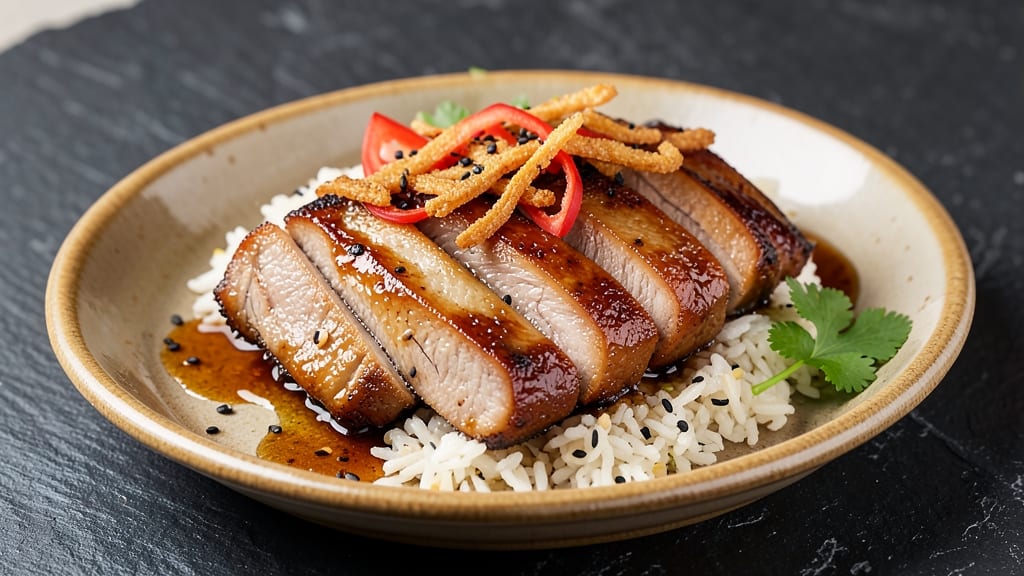
This chashu pork loin recipe delivers melt-in-your-mouth tenderness after hours of slow braising—just like Japan's most beloved izakaya dish. 🌟 As someone who's spent years perfecting pork techniques, I can tell you the secret lies in the five-spice marinade and precise braising method that transforms tough pork into silky perfection.
The process begins with a bold marinade of soy sauce, sake, and aromatic five-spice powder that penetrates the meat while it rests overnight. After searing the loin to lock in juices, we braise it in a flavorful broth until it reaches that signature fork-tender texture.
This isn't just any pork dish—it's restaurant-quality chashu you can make at home.
What you'll end up with is pork so tender it practically falls apart, with a glossy exterior and rich, savory flavors that pair beautifully with steamed rice and quick-pickled vegetables.
The aroma alone will have everyone gathering at your table, and each bite delivers that perfect balance of sweet, salty, and umami.
Whether you're serving it at a special dinner or meal prepping for the week, this chashu recipe delivers consistent results. The method scales perfectly, making it ideal for gatherings or when you want to impress with authentic Japanese flavors.
Ingredients for chashu pork loin
Five-spice powder and soy sauce transform tough pork into melt-in-your-mouth perfection.
| Ingredient | Amount | Notes |
|---|---|---|
| Pork Loin 🥩 | 2 lb | Center-cut, bone-in preferred |
| Soy Sauce 🥢 | ½ cup | Japanese or tamari preferred |
| Sake 🍶 | ¼ cup | Dry variety for balance |
| Five-Spice Powder 🌶️ | 1 tbsp | Authentic Chinese blend |
| Brown Sugar 🍚 | 2 tbsp | Light or dark preferred |
| Garlic Cloves 🧄 | 6 cloves | Minced for marinade |
| Ginger Root 🌿 | 1 tbsp | Freshly grated |
| Sesame Oil 🫒 | 1 tbsp | Toasted for aroma |
| Neutral Oil 🫒 | 2 tbsp | Vegetable or canola |
| Water 💧 | 1 cup | For braising liquid |
| Dried Shiitake Mushrooms 🍄 | 2 whole | Rehydrated for broth |
| Kombu Seaweed 🍃 | 1 piece | 4x4 inch sheet |
| Salt 🧂 | 1 tsp | Kosher or sea salt |
| Black Peppercorns 🌶️ | ½ tsp | Freshly cracked |
The pork loin is the star—center-cut with bone stays juicier than boneless. Asian markets usually carry the best quality, but any well-stocked grocery store will have it. Look for good marbling and a vibrant pink color. If you can't find five-spice powder, mix 1/4 tsp each of cinnamon, star anise, fennel, clove, and pepper—it's the same thing. For the mushrooms, Trader Joe's has great dried shiitake, but any dried variety works. The kombu adds incredible umami—don't skip it if you can find it, but it's optional if you're in a pinch.
No sake? Dry white wine or mirin works in a pinch, though sake's clean finish is ideal. The brown sugar can be swapped for maple syrup if you're avoiding refined sugar. Fresh ginger is best, but ground ginger at half the amount gets you close. For the sesame oil, toasted is non-negotiable—it's what gives that nutty aroma. If you're short on time, store-bought chicken or vegetable broth can replace the mushroom-kombu broth, though homemade is so much better. The garlic and ginger can be pre-minced to save time, but fresh is always superior.
Marinate the pork overnight—12-24 hours is ideal. The longer it sits, the more tender it gets. Store the marinade in the fridge in an airtight container. The braised pork keeps beautifully in the fridge for 4-5 days and freezes for 3 months. I always make extra—it's perfect for sandwiches, ramen, or just reheating with rice. To reheat, use low heat or the microwave with a damp paper towel to keep it moist. The leftovers taste even better the next day as the flavors meld.
Why You'll Love This Recipe
- Few Ingredients, Big Payoff: I swear by this recipe because it’s that simple—just pork, soy, sake, and five-spice. No chopping, no fuss, and the five-spice powder does all the flavor work for you. Honestly, I’ve made it while scrolling through emails.
- Sweet-Savory Magic: That caramelized crust from the brown sugar and soy? Chef’s kiss. The sake keeps it tender while the five-spice adds warmth—like a hug in your mouth. It’s the kind of dish that makes you go back for seconds without even thinking.
- Weeknight to Party Hero: Same recipe, endless uses. Toss it in buns for tacos on a Tuesday, slice it over rice for a quick dinner, or serve it at a potluck—no one will guess it took 20 minutes. (Yes, even on a Tuesday night.)
- Leftovers That Don’t Suck: This pork stays ridiculously good for days. I’ve reheated slices for breakfast sandwiches, tossed them into fried rice, or just eaten them cold. The five-spice keeps it interesting, and the sugar prevents it from drying out. My secret weapon for lazy mornings.
Step-by-step instructions for five-spice marinated chashu pork
Here's how to transform simple ingredients into melt-in-your-mouth chashu pork that stays juicy slice after slice.
👨🍳 Step 1: Marinate the Pork Overnight for Maximum Flavor
In a large bowl, combine the 0.5 cup soy sauce, 0.25 cup sake, 1 tbsp five-spice powder, 2 tbsp brown sugar, 6 minced garlic cloves, 1 tbsp freshly grated ginger root, and 1 tbsp toasted sesame oil. Mix until the sugar dissolves completely.
Place the 2 lb pork loin in a resealable plastic bag and pour the marinade over it, pressing down to ensure full coverage. Seal the bag and refrigerate for at least 8 hours (overnight is ideal). This long marinating time ensures deep flavor penetration and helps tenderize the meat. I like to turn the bag occasionally to distribute the marinade evenly.
🍳 Step 2: Sear the Pork for Rich Color and Flavor
Remove the pork from the marinade (reserve the marinade) and pat it dry with paper towels. Heat 2 tbsp neutral oil in a large oven-safe skillet over medium-high heat until shimmering. Place the pork in the skillet and sear for 3-4 minutes per side until deeply golden brown.
Here's the thing—don't rush this step. You want that beautiful mahogany crust that adds so much flavor. If your pan isn't hot enough, the pork will steam instead of sear. Transfer the seared pork to a plate and set it aside while you prepare the braising liquid.
🥘 Step 3: Build the Umami-Packed Braising Liquid
In the same skillet, add the reserved marinade and scrape up all those delicious browned bits from the bottom. Bring to a simmer over medium heat, then add 1 cup water, 2 rehydrated dried shiitake mushrooms (sliced), and 1 piece kombu seaweed. Simmer for 5 minutes to infuse the liquid with deep umami flavors.
While it simmers, crack 0.5 tsp black peppercorns and add them to the liquid along with 1 tsp salt. The kombu will dissolve slightly, adding a subtle oceanic depth to the broth. This step is where all the magic happens—building that complex, layered flavor that makes chashu special.
⏰ Step 4: Braise Until Fork-Tender (The Long Game)
Return the seared pork to the skillet, along with any accumulated juices. Pour in enough liquid to come about halfway up the sides of the pork (about 1½ cups total). Cover tightly with a lid and transfer to a 325°F preheated oven.
Braise for 2½ to 3 hours until the pork is fork-tender and easily pulls apart. I check it at the 2-hour mark—it should be nearly done but still slightly firm. The internal temperature should reach 195-200°F when done. Real talk: this is where patience pays off. The longer it cooks, the more tender and flavorful it becomes.
🔪 Step 5: Rest and Slice for Perfect Texture
Remove the pork from the braising liquid and transfer it to a cutting board. Tent loosely with foil and let it rest for at least 15 minutes (30 minutes is even better). This resting period allows the juices to redistribute throughout the meat, ensuring each slice stays moist and delicious.
Slice the pork against the grain into ¼-inch thick slices. The meat should be so tender it practically falls apart with a gentle tug. Serve with the braising liquid spooned over the top—it's packed with umami goodness from the mushrooms and kombu. Each bite should deliver that perfect balance of sweet, salty, and aromatic five-spice flavors.
Pro Tips For Making Chashu Pork Loin
- SEAR THE LOIN FIRST: Hit the pork loin with a screaming-hot pan for 2-3 minutes per side before braising—this locks in juices and builds flavor. I learned this the hard way after serving dry chashu that spent too long simmering without a crust.
- USE THICK-CUT LOIN: Skip the thin cuts; aim for at least 1.5-inch thickness so the pork stays tender through hours of braising. Thin slices turn tough, and no one wants rubbery chashu, especially after all that effort.
- DILUTE THE SAKE: Mix sake with equal parts water before adding to the braise—it prevents the sauce from evaporating too fast and keeps the pork moist. I used to skip this and ended up with a sticky, uneven glaze.
- SWEAT THE SPICES: Bloom the five-spice powder in oil for 30 seconds before adding liquid—this releases the flavors instead of letting them dissolve into the sauce. Sounds minor, but it makes the difference between "meh" and "wow" in every bite.
Dietary considerations for this dish
Gluten-Free Adaptations
Traditional chashu relies on soy sauce, which contains gluten, but you can easily adapt this recipe. Swap the 0.5 cup soy sauce for 0.5 cup tamari or 0.5 cup coconut aminos—both are gluten-free and provide similar umami depth.
I've tested this substitution and found the flavor profile remains rich and balanced. Just be sure to check labels, as some tamari brands still contain wheat. 🌱
Low-Sodium Options
If you're watching your sodium intake, reduce the soy sauce to 0.25 cup and add 1 tbsp coconut aminos for extra flavor without as much salt. You can also omit the 1 tsp salt entirely and rely on the natural saltiness of the soy sauce and kombu.
For extra umami, add 1 tbsp fish sauce or 1 tbsp mushroom powder to compensate for the reduced salt content.
Dairy-Free Considerations
This recipe is naturally dairy-free, but if you're serving it alongside dairy-based sides, keep that in mind. For a complete dairy-free meal, pair your chashu with steamed rice, quick-pickled vegetables, and a simple miso soup.
The five-spice marinade and umami-rich braising liquid make this dish perfectly compatible with dairy-free diets without any modifications needed.
Allergen-Friendly Swaps
For nut allergies, simply omit the 1 tbsp toasted sesame oil or use 1 tbsp neutral oil instead. If you're avoiding sesame entirely, the dish still works beautifully—just reduce the oil to 1 tbsp total and focus on the other aromatic components.
For seafood allergies, you can still use kombu, but if you're avoiding all seafood, simply omit it and increase the shiitake mushrooms to 3 whole dried for extra depth.
Vegetarian Adaptations
While chashu is traditionally made with pork, you can create a vegetarian version using 2 lb extra-firm tofu or 2 lb king oyster mushrooms. Press the tofu to remove excess water, then marinate and braise it using the same method.
For mushrooms, slice them into thick steaks and sear them before braising. The texture won't be identical, but the five-spice marinade and umami broth create a satisfying alternative. 🌱
Nutrition facts
Frequently asked questions
Can I use boneless pork loin instead of bone-in?
Yes, but expect slightly less juicy results. Bone-in pork stays moister during braising because the bone acts as a natural insulator. If using boneless, trim excess fat and consider adding a 1-inch piece of pork belly wrapped around the loin to mimic the bone's effect. The flavor will still be excellent—just slightly less tender at the edges.
What's the best way to reheat leftover chashu?
Always reheat gently to prevent drying. Place slices in a skillet with 1 tbsp neutral oil over low heat for 3-4 minutes per side until warmed through. For microwave reheating, cover with a damp paper towel and use 50% power for 1-2 minutes. The braising liquid reheats beautifully too—simmer it uncovered for 5 minutes to reduce slightly.
Why does my chashu turn out tough instead of tender?
Most likely, it didn't braise long enough or the oven temperature was too high. Chashu needs 2½-3 hours at 325°F to break down collagen properly. Check your oven with an oven thermometer—many run hot. Also ensure the pork was fully submerged in liquid during braising. For extra tenderness, try adding 1 tbsp baking soda to the marinade (neutralizes tough meat fibers).
Can I make chashu in a slow cooker?
Follow the same marinating and searing steps, then transfer everything to a 6-quart slow cooker on Low for 8-10 hours or High for 5-6 hours. The liquid level should come halfway up the pork. For best results, use a meat thermometer—it should reach 195-200°F. The slow cooker method is perfect for hands-off prep, especially when you're busy during the day.
What's the difference between chashu and char siu?
While both are braised pork dishes, they come from different culinary traditions. Chashu is Japanese—savory, soy-based, and often served cold or at room temperature. Char siu is Cantonese—sweet, sticky, and usually glazed with honey or hoisin. Chashu uses five-spice powder and braises slowly, while char siu gets a quick sear before baking with a sweet sauce. Both are delicious, but chashu has a more complex, umami-rich profile.