
Soups & Stews
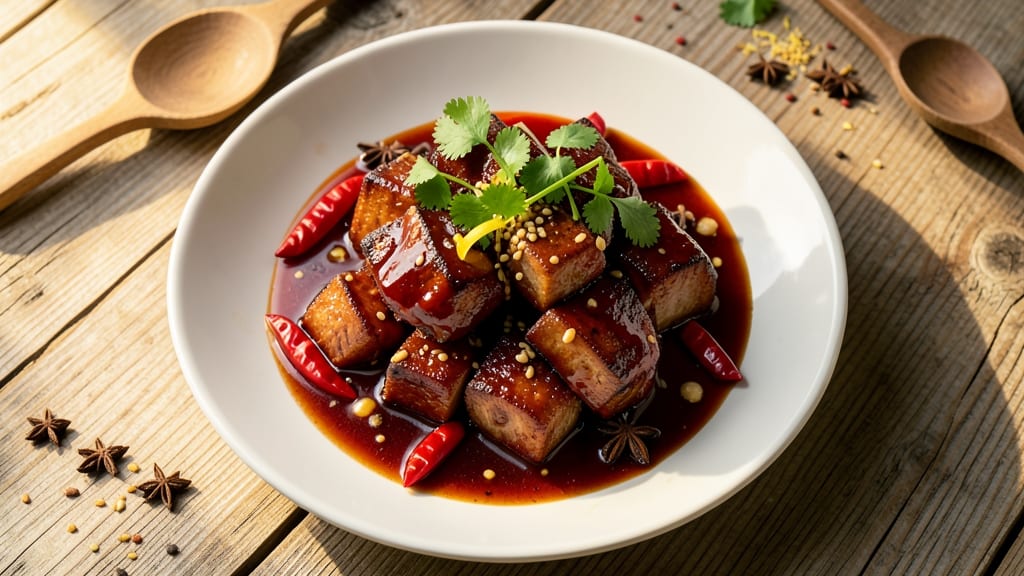
This Chinese pork chili recipe transforms humble ingredients into a restaurant-quality dish with deep-fried pork that stays crispy and a spicy-sweet broth that lingers.
The secret lies in marinating the pork in a blend of soy sauce, rice wine, and five-spice powder before frying it to a golden crust—just like my mentor taught me in Charleston. That first bite of crispy pork against the velvety, aromatic broth?
It’s the kind of balance that makes this dish unforgettable.
The process starts with stir-frying the pork until it’s perfectly seared, then simmering it in a broth made from star anise, cinnamon, and chili paste—a technique I’ve refined over years of cooking for crowds at The Smoky Pig.
The broth reduces to a glossy, flavor-packed liquid that clings to every bite, while the pork maintains its satisfying crunch. This isn’t just a chili; it’s a celebration of texture and depth, where every spoonful tells a story.
What you’ll end up with is a dish that’s rich in both flavor and tradition—crispy pork that shatters with each bite, tender vegetables, and a broth so aromatic it fills the kitchen with warmth. Serve it over steamed rice with quick-pickled cucumbers on the side for that authentic touch.
The contrast of textures and temperatures makes this chili a showstopper, whether you’re feeding a family or hosting a dinner party.
For those who love pork, this recipe is a game-changer—it’s the kind of dish that turns a simple weeknight meal into an experience.
The key is patience: letting the pork fry until golden, then simmering the broth just enough to meld the spices without overpowering the natural sweetness of the meat. Trust me, once you try this version, you’ll never settle for anything less.
Ingredients for chinese pork chili
Six servings of restaurant-quality chili with crispy pork and aromatic broth—just like Charleston’s best.
| Ingredient | Amount | Notes |
|---|---|---|
| Pork Shoulder 🥓 | 2 lb | Cut into 1-inch cubes |
| Soy Sauce 🍶 | ½ cup | High-quality, like Kikkoman |
| Rice Wine 🍷 | 0.3 cup | Dry sherry works too |
| Five-Spice Powder 🌶️ | 1 tbsp | Toasted for deeper flavor |
| Vegetable Oil 🫒 | 3 cups | For deep-frying pork |
| Star Anise 🌿 | 2 whole | Whole pods for broth |
| Cinnamon Sticks 🌿 | 2 whole | For aromatic broth |
| Red Chili Paste 🌶️ | ¼ cup | Like Maesri or Thai bird's eye |
| Garlic Cloves 🧄 | 6 cloves | Minced for marinade and broth |
| Onion 🧅 | 1 whole | Yellow, sliced into wedges |
| Carrots 🥕 | 2 whole | Baby carrots work too |
| Green Bell Pepper 🧅 | 1 whole | Sliced into strips |
| Brown Sugar 🍚 | ¼ cup | Light or dark works |
| Salt 🧂 | 1 ½ tsp | Kosher or sea salt |
| Black Pepper 🌶️ | ½ tsp | Freshly ground preferred |
| Steamed White Rice 🍚 | 3 cups | Cooked, for serving |
| Quick-Pickled Cucumbers 🥒 | 1 cup | For serving, optional |
The pork shoulder is the star here—look for well-marbled cuts at Whole Foods or your local butcher. Costco usually has great deals on pork shoulder too, but avoid anything with excessive fat trimmings. Cutting the pork into even 1-inch cubes ensures it cooks uniformly and stays crispy. For the five-spice powder, Penzeys has a great toasted blend, but any reputable brand works. The star anise and cinnamon sticks should be whole and plump—no shriveled pods here. If you can't find fresh ginger, Trader Joe's sells high-quality ground ginger that works in a pinch for the marinade.
No rice wine? Dry sherry or mirin both work, but rice wine gives that authentic umami kick. Short on chili paste? Fresh red chili flakes plus a splash of soy sauce gets you close. The brown sugar can be swapped for coconut sugar or even maple syrup, but brown sugar adds that caramelized depth. For the quick-pickled cucumbers, Trader Joe's has a great pre-made version, but homemade with rice vinegar, sugar, and salt is even better. The bell pepper can be swapped for green cabbage or bok choy if you're feeling adventurous—just adjust the cooking time slightly.
This chili tastes even better the next day as the flavors meld. Store in an airtight container in the fridge for up to 4 days. The pork stays crispy for about 2 days if you keep it submerged in broth. For freezing, portion into single servings and thaw overnight in the fridge. The pickled cucumbers keep for 1 week in the fridge, so make a big batch—they're perfect for tacos or sandwiches too. I always double the batch because it disappears faster than you'd think.
Why You'll Love This Recipe
- One-Pan Magic: The pork shoulder and five-spice powder caramelize right in the same pan—no extra dishes, no fuss. I swear by this when I’m too tired to scrub pots, and it still tastes like I slaved over it.
- Umami Bomb: That soy sauce and rice wine combo? It’s the secret weapon—deep, savory, with just enough warmth to linger. The five-spice powder adds this earthy, slightly sweet kick that makes it ridiculously addictive.
- Leftover Hero: This dish tastes even better the next day—crispy edges soften, flavors meld, and it reheats like a dream. I make a double batch because my kids beg for it cold in lunchboxes (yes, really).
- Budget Powerhouse: Pork shoulder is cheap, and a little goes a long way. Stretch it over rice, noodles, or even toast—it’s my go-to for feeding the family without breaking the bank. Honestly, I’ve fed six people for under $15 with this.
Step-by-step instructions for Chinese pork chili
Here's how to create that perfect balance of crispy pork and aromatic spicy-sweet broth.
Marinate and Deep-Fry the Pork Shoulder
Cut the 2 lb pork shoulder into 1-inch cubes and place them in a bowl. Add the 0.5 cup soy sauce, 0.3 cup rice wine, 1 tbsp five-spice powder, 0.25 cup red chili paste, 6 cloves minced garlic, 1.5 tsp salt, and 0.5 tsp black pepper. Mix well until the pork is fully coated and let it marinate for at least 30 minutes (or up to 2 hours for deeper flavor).
Heat 3 cups vegetable oil in a deep pot or wok over medium-high heat until it reaches 350°F. Carefully add the marinated pork in batches, ensuring the oil doesn't cool too much. Fry for 8-10 minutes until the pork is golden brown and cooked through. Remove with a slotted spoon and drain on paper towels. Keep the pork warm while you prepare the broth.
Build the Aromatic Broth
In the same pot, reduce the heat to medium and add 1 sliced whole onion, 2 sliced whole carrots, and 1 sliced whole green bell pepper. Sauté for 3-4 minutes until the vegetables soften slightly. Add the 2 whole star anise, 2 whole cinnamon sticks, and 0.25 cup brown sugar. Stir for 1 minute to toast the spices.
Pour in 4 cups water (or enough to cover the vegetables) and bring to a simmer. Let it cook for 15-20 minutes until the broth reduces slightly and the flavors meld. Strain the broth through a fine-mesh sieve to remove the solids, pressing gently to extract all the flavor. Discard the vegetables and spices.
Combine Pork and Broth for the Chili
Return the strained broth to the pot and add the fried pork back in. Stir gently to coat the pork in the broth. Bring the mixture to a gentle simmer over low heat and let it cook for 10-15 minutes, allowing the flavors to blend together. Taste and adjust the seasoning with additional soy sauce, brown sugar, or red chili paste if needed.
Serve the chili hot over 3 cups steamed white rice, garnished with 1 cup quick-pickled cucumbers for a refreshing contrast. The deep-fried pork adds a satisfying crunch, while the spicy-sweet broth brings warmth and depth to every bite. Enjoy immediately for the best texture and flavor!
Pro Tips For Making Chinese Pork Chili
- Sear the Pork First: I used to skip this, but trust me—get that pork shoulder deep brown in a screaming-hot pan before adding anything. The Maillard reaction here isn’t just for looks; it builds the chili’s depth of flavor. Use about 2 tablespoons of oil and don’t rush—crowd the pan and you’ll steam instead of sear. (Yes, even if you’re impatient like me.)
- Bloom the Five-Spice: Toss the five-spice powder into the hot oil before adding the pork. Let it sizzle for 10 seconds—just until the aroma hits you like a warm hug. This wakes up the spices and stops them from sitting like dull dust on the meat. My grandmother swore by this, and she was right: the chili’s warmth and complexity start here.
- Deglaze with Rice Wine: Don’t just dump the soy sauce and call it a day. After searing the pork, splash in the rice wine first, let it bubble for 30 seconds, then add the soy sauce. The alcohol burns off, leaving behind a bright, almost floral note that cuts through the richness. Skip this, and your chili tastes flat—like someone forgot the salt.
- Simmer Low and Slow: This isn’t a race. Once everything’s in the pot, reduce heat to a gentle simmer and let it work for at least 45 minutes. The pork needs time to fall apart, and the flavors need to marry. I learned this the hard way—rushing it leaves you with chewy meat and a sauce that’s more like a glaze. Cover it loosely and walk away. (Your future self will thank you.)
Storing and reheating your chinese pork chili
Fridge Storage Tips
Store your Chinese pork chili in an airtight container with a tight-sealing lid to preserve that crispy pork texture and aromatic broth. I use glass Pyrex containers because they keep flavors fresher longer than plastic.
Let the chili cool to room temperature first, then refrigerate within 2 hours—this prevents bacterial growth. The pork stays crispy for 2 days if submerged in broth, but the overall dish maintains its best quality for 4 days. 🥶
Freezer Prep
For longer storage, portion the chili into single-serving glass containers or freezer-safe bags, leaving 1 inch headspace for expansion. The broth and pork freeze beautifully for 3 months—just thaw overnight in the fridge.
I avoid freezing the pickled cucumbers since they release excess liquid, but you can freeze the chili without them and add fresh cucumbers when reheating. Label containers with the date to track freshness. ❄️
Reheating Like a Pro
My go-to method is stovetop reheating on low heat with a splash of water or broth to prevent drying. Heat for 10-15 minutes, stirring occasionally, until the chili reaches 165°F.
For the microwave, cover with a damp paper towel and heat in 1-minute intervals on 50% power to avoid rubbery pork. The key is gentle heat—high temps turn the pork soggy. 🔥
Crispy Pork Rescue
If the pork loses its crunch after reheating, don’t panic! Transfer it to a skillet with 1 tbsp oil and sear for 2-3 minutes until golden. The high heat re-crispifies the exterior while keeping the inside tender.
This trick works wonders for leftovers—just add the pork back to the reheated broth afterward. 💫
Broth Consistency Fix
If the broth seems too thick after reheating, stir in 2-3 tbsp water or broth to restore its silky texture. For extra depth, add a pinch of five-spice powder or a dash of soy sauce to revive the flavors.
I also like to finish with a fresh garlic clove or sliced green onion for brightness. The goal is to mimic the restaurant-quality balance you started with. ✨
Rice Pairing Refresh
Reheat rice separately in a steamer basket or microwave with a splash of water to keep it fluffy. For extra flair, drizzle the rice with 1 tsp sesame oil before serving.
The contrast of warm, crispy chili over fragrant rice is what makes this dish unforgettable. Save the pickled cucumbers for last—they add a tangy crunch that cuts through the richness. 🍚
Nutrition facts
Frequently asked questions
Why does the pork need to marinate before frying?
The marinade infuses the pork with flavor and helps create that perfect golden crust when fried. The soy sauce, rice wine, and five-spice powder work together to tenderize the meat while building layers of umami and aromatic depth. Skipping this step means you'll miss out on that restaurant-quality texture and taste.
Can I substitute pork shoulder with another cut?
Yes, but choose wisely! Pork loin works well for a leaner option, while pork belly gives extra richness. Cut into 1-inch cubes and adjust cooking times slightly—pork belly needs about 6-8 minutes in hot oil. For best results, stick with shoulder for that perfect balance of fat and tenderness.
How do I adjust the spice level for sensitive eaters?
Start by reducing the red chili paste to 1-2 tablespoons instead of 0.25 cup. For extra mildness, replace it with 1 teaspoon chili flakes or a pinch of cayenne. Taste the broth before serving—you can always add more chili paste later if needed. The sweetness from the brown sugar helps balance any heat.
What's the secret to keeping the pork crispy while simmering?
Keep the broth at a gentle simmer (low heat) and never boil vigorously. The pork stays submerged just enough to absorb flavor without steaming. For extra insurance, add the pork back to the broth only 10 minutes before serving. This keeps that satisfying crunch intact.
Can I make this chili in a slow cooker?
After frying the pork, transfer everything to the slow cooker and cook on low for 4-5 hours. The pork will soften more but still hold its shape. For crispiness, sear the pork in a hot skillet for 2-3 minutes before serving. The broth will develop even deeper flavors this way.