
Main Courses
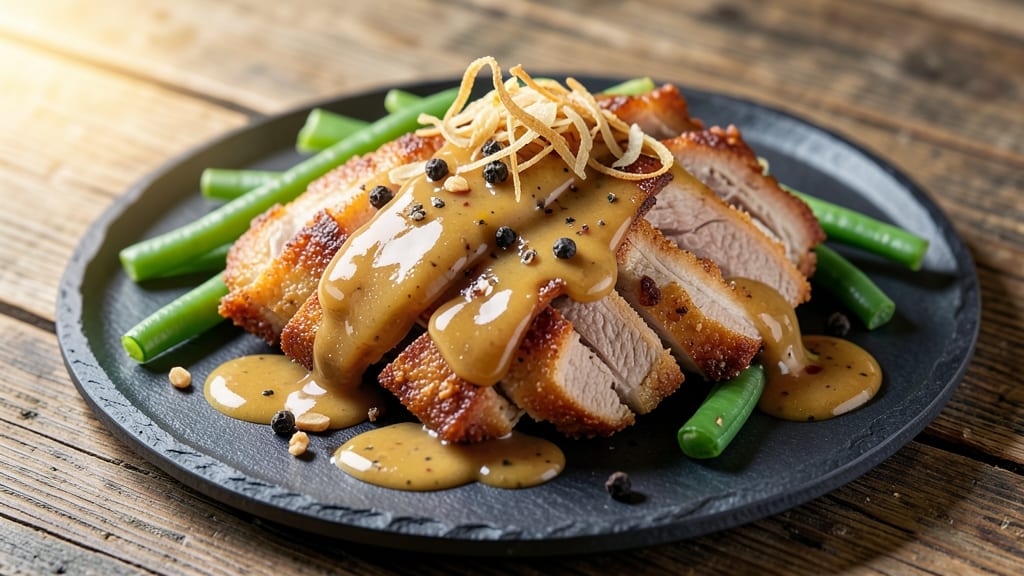
This crispy pork belly kare kare recipe brings the rich, aromatic flavors of Filipino comfort food to your kitchen table. 🌟 The star is tender, crispy pork belly with a fragrant five-spice crust, simmered in a velvety peanut broth that balances sweet, salty, and umami notes perfectly.
I first encountered this dish in Manila, where it became a staple in my travels—now I’ve perfected it for home cooks with a foolproof method that delivers restaurant-quality results every time.
The magic lies in the dual cooking process: first, rendering the pork belly until the fat is golden and crispy, then slow-simmering it in a rich peanut sauce infused with garlic, ginger, and a touch of vinegar for brightness.
Traditional accompaniments like string beans, liver, and bagoong (fermented shrimp paste) add depth, but modern twists—like adding a splash of soy sauce or a sprinkle of sesame seeds—can elevate it further. This dish is hearty enough for a weeknight dinner but special enough for gatherings.
What you’ll end up with is a plate that’s visually stunning and packed with flavor: crispy pork belly that shatters at every bite, silky peanut broth that clings to each noodle, and a symphony of textures from the tender vegetables and crunchy garnishes.
The aroma alone will have everyone gathering around the table, and the taste? Pure comfort food at its finest.
Whether you’re serving it with steamed rice, crispy garlic bread, or a side salad, this kare kare is a celebration of Filipino cuisine that’s impossible to resist. Let’s get cooking—your taste buds will thank you.
Ingredients for crispy pork belly kare kare
Pork belly, peanut butter, and five-spice powder—these are the stars of this Filipino classic.
| Ingredient | Amount | Notes |
|---|---|---|
| Pork Belly 🥓 | 1 ½ lb | Skin-on, cut into 1-inch cubes |
| Peanut Butter 🥜 | ¾ cup | Natural, unsweetened preferred |
| Coconut Milk 🥥 | 1 can | 13.5 oz can, full-fat |
| Garlic Cloves 🧄 | 6 cloves | Minced, fresh preferred |
| Fresh Ginger 🌿 | ½ cup | Finely grated, peeled |
| Five-Spice Powder 🌶️ | 1 ½ tbsp | Store-bought or homemade blend |
| Cane Vinegar 🍶 | ¼ cup | Or substitute white vinegar |
| Soy Sauce 🥄 | ½ cup | Light or dark preferred |
| String Beans 🌱 | 1 lb | Trimmed, cut into 2-inch pieces |
| Green Onions 🧅 | ¼ cup | Sliced, for garnish |
| Sesame Seeds 🌾 | 1 tbsp | Toasted, for garnish |
| Olive Oil 🫒 | ¼ cup | For crisping pork belly |
| Salt 🧂 | 1 ½ tsp | Kosher or sea salt |
| Black Pepper 🌶️ | ½ tsp | Freshly ground |
| White Rice 🍚 | 2 cups | Uncooked, for serving |
The pork belly is non-negotiable—skin-on is key for that signature crisp. Grab the thick-cut kind from Costco or your local Asian market—it’s worth the splurge. I always cut it myself into even cubes, but pre-cut pieces work too. The five-spice powder? If you can’t find it, mix 1 tsp each of cinnamon, cloves, star anise, fennel, and pepper. For the peanut butter, natural unsweetened gives the best flavor, but creamy works too. The coconut milk should be full-fat—Thai Kitchen brand is my go-to for consistency.
No cane vinegar? White vinegar or apple cider vinegar works in a pinch. For the string beans, frozen is fine, but fresh gives that extra snap. The green onions? Freeze any extras in an ice cube tray—they’ll keep for months. Want to make it vegetarian? Swap the pork for extra-firm tofu pressed and cubed. The soy sauce can be reduced if you prefer less saltiness—just taste as you go. And if you’re feeling fancy, add a splash of bagoong (fermented shrimp paste) for that authentic umami kick.
This dish tastes even better the next day—make extra if you can. Store leftovers in the fridge for 4-5 days, or freeze for up to 3 months. The peanut sauce thickens as it cools, so add a splash of water or coconut milk when reheating. For serving, I always keep the crispy pork belly separate until the last minute so it stays crunchy. Garnish with fresh green onions and toasted sesame seeds right before eating—trust me, it makes all the difference.
Why You'll Love This Recipe
- I’ll be real: this tastes better the next day. The pork belly stays crispy if you store it right (wrap it in parchment, trust me), and the sauce thickens into something even more luscious. Pack it for work or freeze portions—your future self will thank you when you reheat a bowl in minutes.
- One-Pan Magic: Honestly, this dish is that easy—just sear the pork belly until golden, then toss it all in the same pan with the peanut butter-coconut milk sauce. No chopping mountains of veggies, no juggling pots, just hands-off simmering while you stir in the ginger and garlic. That crispy crackling skin? Worth every five minutes of waiting.
- Rich, Crunchy Obsession: Between us, the combo of peanut butter’s nutty depth and the caramelized pork belly is dangerously good. The coconut milk rounds it out, but it’s that garlic-ginger punch that makes your taste buds sit up—like a warm hug for your mouth. (Yes, even on a Tuesday night.)
- Leftovers That Lie: I’ll be real: this tastes better the next day. The pork belly stays crispy if you store it right (wrap it in parchment, trust me), and the sauce thickens into something even more luscious. Pack it for work or freeze portions—your future self will thank you when you reheat a bowl in minutes.
Step-by-step instructions for crispy pork belly kare kare
Here's how to create that perfect balance of crispy pork belly and velvety peanut sauce.
🔥 Step 1: Crisp the Pork Belly to Golden Perfection
Preheat your oven to 425°F. Place the 1.5 lb pork belly (cut into 1-inch cubes) in a single layer on a wire rack set over a baking sheet. This rack setup lets hot air circulate underneath, ensuring crispiness on all sides.
Drizzle the pork belly with 0.25 cup olive oil and rub it evenly over all sides. Sprinkle with 1.5 tsp salt and 0.5 tsp black pepper, then sprinkle 1.5 tbsp five-spice powder generously. The five-spice gives that signature aromatic depth.
Roast for 45-50 minutes, flipping the pork belly every 15 minutes, until the skin is deep golden brown and crispy, and the internal temperature reaches 145°F. You'll know it's ready when the skin cracks easily and the meat is tender but not falling apart. Don't rush this step—crispy skin makes all the difference.
🍳 Step 2: Build the Flavorful Peanut Sauce
While the pork belly roasts, heat 0.25 cup olive oil in a large skillet over medium heat. Add the 6 cloves minced garlic and 0.5 cup finely grated fresh ginger, cooking for 2-3 minutes until fragrant but not browned. Here's where the aromatics really wake up—you should smell that zesty ginger and sweet garlic.
Pour in 0.25 cup cane vinegar and 0.5 cup soy sauce, scraping up any browned bits from the bottom of the pan. Let it simmer for 2 minutes until slightly reduced. This creates the tangy foundation for your sauce. Then stir in the 0.75 cup natural peanut butter and 1 can coconut milk, whisking until smooth.
🥘 Step 3: Simmer the Sauce with String Beans
Add the 1 lb trimmed string beans to the skillet and stir to coat in the sauce. Bring to a gentle simmer and cook for 5-7 minutes until the beans are tender-crisp. The beans should retain some bite—you're not trying to cook them mushy here.
Taste the sauce and adjust seasoning if needed. You might want to add a pinch more salt or a splash of water if it's too thick. The sauce should be rich but still flow nicely over the pork belly. Keep it warm while you prepare the rice.
🍽️ Step 4: Assemble and Serve with Crispy Toppings
Cook the 2 cups white rice according to package instructions until fluffy. Transfer the rice to a serving platter and make a well in the center. Arrange the crispy pork belly cubes around the edge of the rice well.
Ladle the peanut sauce and string beans into the center of the rice. Garnish with 0.25 cup sliced green onions and 1 tbsp toasted sesame seeds for color and crunch. The contrast of crispy pork belly against the creamy sauce and tender rice is what makes this dish so special.
Serve immediately with extra sauce on the side. The pork belly should be crispy enough to stand up to the spoonfuls of peanut sauce you'll be dipping it in. This is where all those hours of careful cooking come together in one perfect bite.
Pro Tips For Making Crispy Pork Belly Kare Kare
- CRISP FIRST, COOK SECOND: Pork belly won’t crisp properly if it’s still raw inside—render the fat first over medium heat until it releases like a lazy Sunday morning, then crank the heat to high and sear the belly skin-side down until it’s deep golden, not just light brown. I learned this the hard way when my first batch came out greasy but never crispy.
- GRATE GINGER FINE: Skip the food processor for ginger—it turns to mush in coconut milk. Use a box grater or microplane and zest it right into the peanut butter sauce while you’re frying the pork. It distributes better and adds a bright, aromatic punch that cuts through the richness.
- DON’T BOIL THE PEANUTS: Low and slow is the only way with peanut butter sauce. Simmer the peanut butter, coconut milk, and aromatics on the lowest heat setting you can tolerate—if you see bubbles popping like popcorn, you’re doing it wrong. This keeps the sauce silky, not grainy or separated.
- REST THE BELLY AFTER CRISPS: That golden crust? It’ll turn sad and soggy if you slice it fresh. Tent the pork belly with foil and let it rest 5–10 minutes after frying—yes, even if you’re starving. The fat redistributes, the meat stays juicy, and the slices hold their shape when you serve them in the peanut sauce.
Flavor customization for this crispy pork belly kare kare
Spice Level Control
Adjust the heat to your preference by tweaking the five-spice powder and soy sauce. For a milder version, reduce the five-spice to 1 tsp and use light soy sauce. If you love heat, add 1 tsp chili flakes or ½ tsp cayenne pepper to the sauce.
I often keep a small bowl of sriracha on the side for those who want extra kick at the table. 🌶️
Sweet & Tangy Twist
Balance the richness with a touch of sweetness by adding 1 tbsp honey or 1 tbsp brown sugar to the peanut sauce. For tang, increase the cane vinegar to ⅓ cup or add 1 tsp fish sauce for umami depth.
I find that a splash of pineapple juice (about 2 tbsp) adds a tropical brightness that pairs beautifully with the pork belly. 🍯
Creamy Variations
For a silkier texture, blend ½ cup cashew butter into the peanut sauce along with the coconut milk. If you prefer a lighter sauce, replace ½ cup coconut milk with ½ cup vegetable broth.
I’ve also experimented with adding 1 tbsp tahini for a nutty depth—it’s a game-changer for those who love Middle Eastern-Filipino fusion flavors. 🥛
Protein Swaps
Make this dish vegetarian by replacing the pork belly with extra-firm tofu (pressed and cubed) or mushrooms (like oyster or shiitake). For seafood lovers, swap in firm white fish like cod or snapper—cook it just until opaque and crispy.
I’ve also used chicken thighs for a lighter alternative, but the pork belly’s fat is what makes this dish truly special. 🍗
Garnish Upgrades
Elevate the presentation with toasted coconut flakes (sprinkle 1 tbsp at the end) or crushed peanuts for extra crunch. Fresh herbs like cilantro or Thai basil add a bright contrast.
For a smoky touch, drizzle with 1 tsp toasted sesame oil right before serving. These garnishes not only look stunning but also add layers of flavor. ✨
Slow-Cooker Adaptation
For a hands-off version, brown the pork belly in a skillet first, then transfer everything to a 6-quart slow cooker. Cook on LOW for 6-8 hours, adding the string beans during the last 30 minutes.
The slow cooker keeps the pork belly tender while infusing it with the peanut sauce’s flavors. Perfect for busy weeknights! ⏰
Nutrition facts
Frequently asked questions
Why does the pork belly need to crisp first before simmering?
The crisping step is crucial for that signature texture contrast in kare kare. When pork belly is roasted until crispy, it develops a golden, shatteringly crunchy skin that contrasts beautifully with the silky peanut sauce. The fat renders out during roasting, creating flavorful drippings that enhance the sauce. Plus, crispy pork belly stays crunchy even after simmering, unlike raw pork that would turn soggy.
Can I substitute regular peanut butter for natural peanut butter?
Yes, but with a few adjustments. Regular peanut butter works, but it contains sugar and sometimes oils that can make the sauce too sweet or thin. If using regular, reduce the coconut milk by 2 tbsp and add ½ tsp salt to balance flavors. For best results, use natural unsweetened peanut butter—it gives that authentic, rich peanut flavor without extra ingredients.
What's the secret to keeping the pork belly crispy after simmering?
The key is timing and technique. First, roast the pork belly until it's deeply crispy (internal temp 145°F with crackling skin). Then, add it to the simmering sauce only for the last 5 minutes of cooking. This minimal contact preserves the crispness. For extra insurance, keep the pork belly separate until serving and add sauce to the plate instead of submerging it.
How can I make this dish ahead of time?
This dish actually tastes better the next day! Prepare everything up to the crispy pork belly step, then refrigerate the sauce and beans separately. When ready to serve, reheat the sauce gently (add a splash of water if it thickens), then crisp fresh pork belly in the oven and assemble. The flavors meld beautifully overnight, and the crispy pork belly can be made fresh before serving to maintain texture.
What's the best way to reheat leftovers without losing crispiness?
Reheat the peanut sauce and beans separately in a skillet over low heat, adding a splash of water or coconut milk if needed. For the pork belly, crisp fresh pieces in a hot skillet with 1 tsp oil for 2-3 minutes per side until golden. Never microwave the pork belly—it'll turn rubbery. The secret is keeping the crispy elements separate until the last minute.