
Main Courses
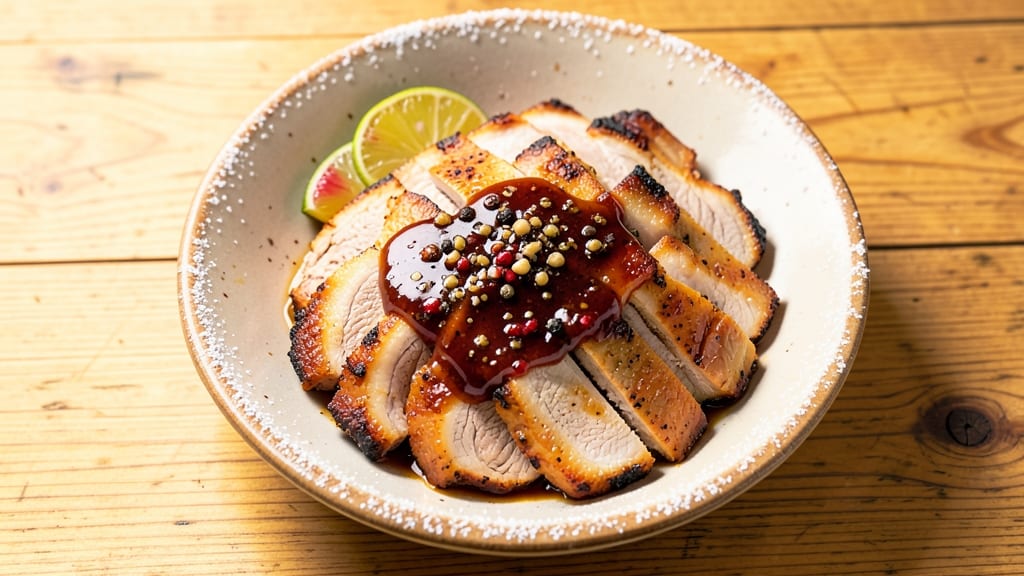
This crispy pork belly lechon kawali recipe delivers the golden, crackling perfection of Filipino street food—where tender meat meets irresistible crunch. After perfecting this dish during a Charleston market trip where I first tasted authentic lechon kawali, I knew the technique deserved a home kitchen adaptation. The secret lies in the slow render and high-heat fry that transforms tough belly into melt-in-your-mouth bites with paper-thin crispy layers.
What sets this recipe apart is the balance of traditional Filipino techniques with approachable home cooking methods. We start with a simple marinade of soy sauce and calamansi (or lime) that tenderizes while building depth, then render the fat slowly before achieving that signature crackling crust through careful frying.
The result? A dish that's equally impressive as a centerpiece or served family-style with atchara and garlic rice.
The magic happens in the final glaze—a sweet and tangy mix of brown sugar and vinegar—that caramelizes into a sticky, glossy finish. Each bite delivers layers of flavor: the initial crunch gives way to juicy pork, then a burst of sweet-savory glaze that makes this dish impossible to resist.
This is the kind of recipe that transforms ordinary weeknights into celebrations.
Perfect for gatherings where you want to showcase Filipino flavors without the fuss of whole pig roasting. The method scales beautifully for parties, and leftovers reheat surprisingly well. Let's create this showstopper that'll have everyone asking for seconds—and the recipe to take home.
Ingredients for crispy pork belly lechon kawali
Filipino street food magic starts with these twelve ingredients—where tender pork belly transforms into crispy, caramelized perfection.
| Ingredient | Amount | Notes |
|---|---|---|
| Pork Belly 🥓 | 2 lb | Skin-on, cut into 1-inch cubes |
| Soy Sauce 🍶 | ½ cup | Kikkoman preferred for balance |
| Calamansi Juice 🍋 | ¼ cup | Substitute lime juice if unavailable |
| Brown Sugar 🍚 | ½ cup | Packed firmly for caramelization |
| Cane Vinegar 🍶 | ¼ cup | White vinegar works in a pinch |
| Garlic Cloves 🧄 | 6 cloves | Minced for marinade infusion |
| Black Peppercorns 🌶️ | 1 tsp | Freshly cracked for aroma |
| Olive Oil 🫒 | ¼ cup | Extra-virgin for high-heat frying |
| Salt 🧂 | 1 ½ tsp | Diamond Crystal kosher preferred |
| Bay Leaves 🌿 | 2 whole | Dried, for subtle earthiness |
| Ground White Pepper 🌶️ | ½ tsp | For post-fry seasoning contrast |
| Vegetable Oil 🫒 | 4 cups | High smoke point for frying |
The pork belly is non-negotiable—look for thick-cut pieces with visible marbling at Whole Foods or your local Asian market. Costco often carries pre-cut slabs that save time, but if buying whole, ask for the belly section with skin intact. The skin's fat renders beautifully during slow cooking, creating that signature crackling crust. For authenticity, source calamansi from a Filipino market, but Key lime juice delivers similar tang. Brown sugar should be packed firmly—lightly packed means less caramelization and a weaker glaze. The vinegar matters too; cane vinegar has a cleaner finish than white, but white vinegar won't ruin the dish if that's all you have.
No calamansi? Key lime or regular lime juice works, though the flavor profile shifts slightly. Substituting brown sugar with white reduces caramel depth, but a 1:1 swap with turbinado sugar maintains texture. For the garlic, pre-minced from a jar lacks freshness—take the 30 seconds to mince it yourself. The bay leaves can be skipped if unavailable, but they add subtle earthiness that complements the pork's richness. If you're frying in a deep pot, vegetable oil with a high smoke point is crucial—avoid olive oil for frying, as it burns too easily. The pork cubes should be uniform in size—trim any excess fat to ensure even cooking, but leave the skin intact for that crispy finish.
Rendered pork belly keeps for 5 days in the fridge, but the crispiness diminishes after day 3. For longer storage, freeze in single layers between parchment paper for up to 3 months. Reheat gently in a 300°F oven until crispy again. The glaze ingredients (brown sugar and vinegar) can be pre-mixed and stored in the pantry for 6 months—just add water to thin as needed. For parties, double the recipe; the pork cubes can be fried in batches without compromising texture. Leftovers make incredible sandwiches or rice bowl toppings the next day.
Why You'll Love This Recipe
- One-Pan Magic: I swear by this recipe because it’s that simple—just slice the pork belly, toss it in a marinade of soy sauce, calamansi juice, and brown sugar, then let the oven do the work. No flipping, no fussing, just golden, crispy perfection with zero extra dishes.
- Tangy-Sweet Crunch: That crispy exterior with the tender inside? Yes. But the real star is the marinade—calamansi brightens every bite, while the cane vinegar adds this just-right tang that cuts through the richness. It’s the kind of flavor that makes you reach for seconds without thinking.
- Party in a Pan: Serve it at family gatherings, potlucks, or even as a fancy-ish appetizer for guests. The slices are easy to grab, the flavor’s universally loved, and honestly? It’s the dish that gets me invited back to parties. (Between us, it’s my secret weapon.)
- Leftovers? Even Better: First batch disappears fast, but the second? Even more delicious. The pork belly stays crispy when reheated—just a quick pan-fry or oven toast—and the marinade’s sweet-savory punch makes it taste fresh every time. Budget-friendly? Absolutely. Waste-free? Even better.
Step-by-step instructions for crispy pork belly lechon kawali
Master the art of Filipino-style crispy pork belly with this precise method.
Prepare the Pork Belly Marinade
In a medium mixing bowl, combine the 0.5 cup soy sauce, 0.25 cup calamansi juice, 0.5 cup packed brown sugar, 0.25 cup cane vinegar, 6 minced garlic cloves, 1 teaspoon cracked black peppercorns, 1.5 teaspoons salt, and 2 whole bay leaves. Whisk vigorously until the brown sugar fully dissolves and the mixture becomes syrupy. This marinade should coat the back of a spoon - if it's too thick, add 1 tablespoon water to reach proper consistency.
The acidity from the calamansi and vinegar will tenderize the pork while the brown sugar creates a caramelized crust during frying. I always let the marinade sit at room temperature for 15 minutes before using it - this ensures even distribution when coating the pork cubes. The bay leaves add subtle earthiness that complements the crispy exterior perfectly.
Marinate and Rest the Pork Cubes
Cut the 2 lb pork belly into 1-inch cubes, ensuring each piece maintains some skin attachment for maximum crispiness. Place the pork cubes in a large resealable plastic bag and pour the marinade over them. Seal the bag and massage the marinade into the pork, ensuring every surface is coated. Let it marinate in the refrigerator for at least 4 hours, though overnight yields superior flavor penetration.
During marinating, the pork absorbs the sweet-savory-sour balance that defines lechon kawali. I press each cube firmly against the bag's sides to ensure even coating. The longer it marinates, the more tender the meat becomes while developing complex flavors. This step is non-negotiable for achieving that signature Filipino restaurant quality.
Deep-Fry for Maximum Crispiness
Heat 4 cups vegetable oil in a deep, heavy-bottomed pot to 350°F using a candy or deep-fry thermometer. The oil should be hot enough to create small bubbles around the thermometer when inserted. Working in batches to avoid overcrowding, carefully add the marinated pork cubes, ensuring they don't touch each other. Fry for 4-5 minutes until the pork reaches 160°F internally and the skin becomes deep golden brown with visible crackling.
Here's the critical part: maintain the oil temperature between 340-350°F throughout frying. If it drops below 325°F, the pork will absorb oil instead of developing crispiness. I use a slotted spoon to gently agitate the pork cubes every 30 seconds during the first minute to ensure even browning. The cubes should float when ready - this indicates proper internal temperature.
Season and Rest for Juiciness
Transfer the fried pork cubes to a paper towel-lined plate to drain excess oil. Immediately sprinkle with 0.5 teaspoon ground white pepper and toss gently to coat. The white pepper adds a subtle heat that contrasts beautifully with the sweet-savory crust. Let the pork rest for 10 minutes before serving - this crucial step allows the juices to redistribute, preventing them from escaping when cut.
During resting, the pork continues to render fat internally, creating an even more flavorful and tender bite. I like to tent the plate loosely with foil to retain some heat while allowing the skin to remain crisp. Serve immediately with the reserved marinade reduced by half for dipping - this concentrated sauce enhances every bite with its perfect balance of sweet, salty, and tangy flavors.
Pro Tips For Making Crispy Pork Belly Lechon Kawali
- CRISP FIRST, COOK SECOND: I used to toss the pork belly straight into the pan and wonder why it never got that perfect crackling crust. Start by searing the fat side down on high heat until it’s golden and sizzling—that’s when the magic begins. Once the fat renders and the skin crisps (about 4-5 minutes), flip and cook the meat side until it hits 145°F (63°C). Only then add your sauce.
- SLICE THIN, SAUCE EVENLY: Thick slices? Forget it. Cut the pork belly into ½-inch thick pieces before cooking—this ensures even crisping and faster caramelization. When tossing with the soy-calamansi-brownie mix, don’t be shy: coat every surface, especially the edges. The sauce clings better to slightly sticky meat, so a quick pat with a paper towel to remove excess moisture first makes all the difference.
- LOW AND SLOW FOR CRISP: After the initial sear, resist the urge to blast the pork with high heat. Reduce to medium-low and let it cook uncovered for 10-12 minutes, stirring occasionally. This slow finish renders the fat without steaming the meat, keeping the crust intact while the interior stays juicy. I learned this the hard way—rushing turns crispy into greasy.
- VINEGAR LAST, NOT FIRST: Add the cane vinegar after the pork is mostly cooked, not at the start. The acid cuts through the richness and brightens the flavors, but dumping it too early just makes the pork tough. Splash it in the last 2 minutes of cooking, then toss everything together—your taste buds will notice the difference. (Yes, even if you’re impatient like me.)
Best sauces and condiments for this recipe
Classic Soy-Glaze
Start with the marinade base you've already prepared—simply reduce it by half in a small saucepan over medium-high heat until syrupy. The concentrated soy, brown sugar, and vinegar create a glossy glaze that clings beautifully to the crispy pork.
I like to add 1 teaspoon toasted sesame oil at the end for nutty depth. Serve this warm as a dipping sauce or drizzle over the pork just before serving. 🍶
Spicy Atchara Drizzle
For a tangy kick, blend ½ cup atchara (Filipino pickled papaya), 1 tablespoon lime juice, 1 teaspoon chili flakes, and 1 minced garlic clove into a smooth paste. Thin with 1 tablespoon water and drizzle over the pork.
The sweet-spicy contrast cuts through the richness perfectly. I keep this in the fridge for up to 5 days—it’s also great on tacos or grilled chicken.
Garlic Butter Finish
Melt 2 tablespoons unsalted butter with 2 minced garlic cloves and ½ teaspoon black pepper in a small pan. Toss the fried pork cubes in this mixture just before serving for a luxurious, buttery finish.
The garlic butter adds richness while keeping the crispy texture intact. This works especially well for special occasions—trust me, your guests will ask for seconds. 💫
Sweet Chili Dip
Combine ¼ cup sweet chili sauce (like Huy Fong), 1 tablespoon rice vinegar, and 1 teaspoon grated ginger in a small bowl. This dip adds a perfect balance of sweet, spicy, and tangy flavors that complement the pork’s caramelized crust.
I like to serve it in a small bowl for dipping or drizzle it lightly over the top of the dish. It’s a crowd-pleaser that’s easy to make ahead.
Coconut Aminos Glaze
For a lighter, coconut-infused glaze, reduce ½ cup coconut aminos (like Thai Kitchen) with 1 tablespoon brown sugar and 1 teaspoon lime juice until thickened. The umami-rich coconut aminos add a subtle tropical note that pairs beautifully with the pork’s crispy exterior.
This glaze is especially refreshing during summer gatherings—it’s a game-changer for balancing the richness of the pork. 🌴
Nutrition facts
Frequently asked questions
Can I use regular pork belly instead of the thick-cut pieces?
Yes, but the texture will differ slightly. Thick-cut pork belly with skin-on delivers the signature crispy layers, while thinner cuts may not render fat as beautifully. For best results, look for pieces at least 1-inch thick with visible marbling. If using thinner cuts, increase marinating time to 6-8 hours to compensate for less fat.
What's the secret to getting that perfect crackling crust?
The magic happens in three steps: slow rendering (marinating breaks down collagen), high heat (350°F oil), and gentle agitation during frying. Never crowd the pan—work in batches if needed. The skin should turn deep golden brown with visible crackling before removing.
Can I bake this instead of deep-frying for a healthier version?
Baking won't give you the same crispy texture, but you can achieve tender pork by roasting at 375°F for 30-40 minutes until internal temp reaches 160°F. For crispiness, broil for 2-3 minutes at the end. The result will be juicy but not crackling—save frying for that signature crunch.
How do I store leftovers without losing crispiness?
Store in an airtight container in the fridge for 3 days max. Reheat in a 350°F oven for 10 minutes to restore crispiness. For longer storage, freeze on a tray first (to prevent sticking), then transfer to a bag for up to 3 months. Thaw overnight in the fridge before reheating.
What's the best way to serve this for a party?
Arrange the pork cubes on a platter with garlic rice and atchara for dipping. Add small bowls of your chosen sauce (try the coconut aminos glaze!) and serve with steamed bok choy or Filipino-style green beans. For a showstopper, garnish with toasted sesame seeds and sliced green onions.