
Main Courses
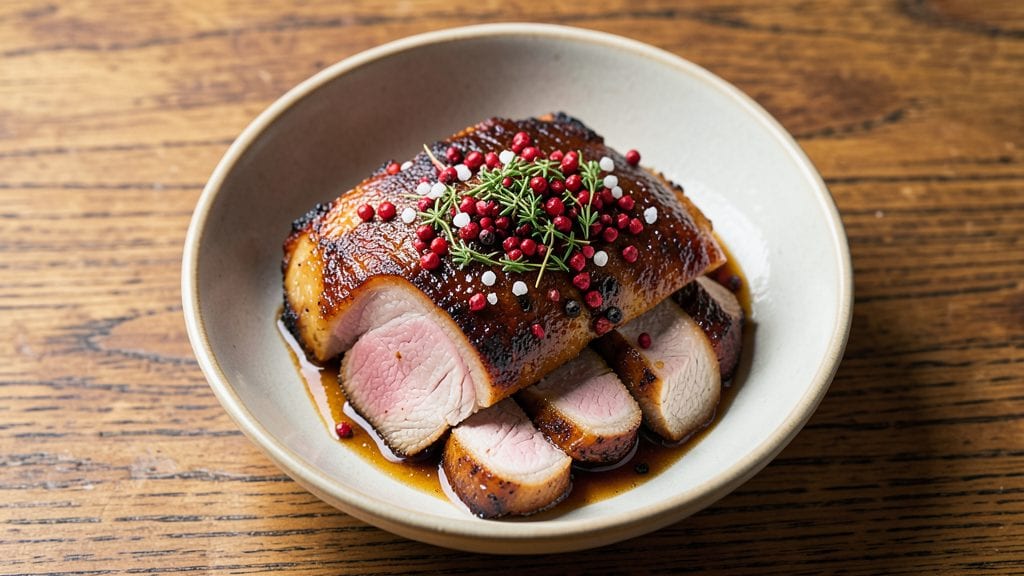
Mastering Gordon Ramsay's belly pork recipe transforms a simple cut into a showstopping centerpiece with crispy, crackling skin and melt-in-your-mouth tenderness. Growing up in Georgia, I learned pork belly deserves slow respect—just like Ramsay emphasizes in his technique.
The key lies in high heat for the skin and patience for the meat, a balance I’ve perfected after years of smoking heritage pigs on my farm.
This recipe starts with a foolproof cure of salt and sugar to tenderize the meat overnight, then slow-roasts it until the fat renders into liquid gold. Ramsay’s method ensures the edges blister into crispy perfection while the interior stays juicy—no guesswork, just precision.
The result? A dish that looks as impressive as it tastes, with every bite delivering layers of flavor.
Pair this belly pork with roasted root vegetables or a tangy apple glaze to complement its richness. The crispy skin alone makes it worth the effort, but the tender, fatty meat inside is the real reward.
Whether you're hosting a dinner party or simply craving restaurant-quality pork, this recipe delivers professional results at home.
For an extra touch, garnish with fresh thyme or a sprinkle of flaky salt—just like Ramsay would. The secret isn’t just the cooking; it’s the attention to detail that elevates this cut from ordinary to extraordinary. Let’s get started on creating your own crispy masterpiece.
Ingredients for gordon ramsay belly pork
Pork belly deserves respect—just salt, sugar, and time transform it into crispy perfection.
| Ingredient | Amount | Notes |
|---|---|---|
| Pork Belly 🥓 | 4 lb | Skin-on, cut into 1-inch thick slabs |
| Kosher Salt 🧂 | ½ cup | Diamond Crystal preferred, coarse grain |
| Granulated Sugar 🍚 | ¼ cup | White or raw cane sugar |
| Fresh Thyme Leaves 🌿 | ½ cup | Stems removed, loosely packed |
| Garlic Cloves 🧄 | 8 cloves | Peeled, smashed but not minced |
| Black Peppercorns 🌶️ | 1 tbsp | Freshly cracked, coarse grind |
| Extra-Virgin Olive Oil 🫒 | 2 tbsp | High smoke point, fruity flavor |
| Yellow Onion 🧅 | 1 whole | Yellow or red, sliced into rings |
| Carrots 🥕 | 1 ½ lb | Baby or regular, whole and scrubbed |
| Russet Potatoes 🥔 | 2 lb | Yukon gold or red preferred |
| Apple Cider Vinegar 🍎 | 2 tbsp | Bottled, not reduced |
| Honey 🍯 | 1 tbsp | Raw or clover variety |
| Flaky Sea Salt 🧂 | ¼ cup | Maldon or Jacobsen preferred |
The pork belly is non-negotiable here. Heritage pork from a local butcher delivers the best marbling, but Costco or Whole Foods carry quality cuts too. Look for thick slabs with a good layer of fat—about 1-inch thick. I always ask for the belly to be cut fresh the day I buy it, or it gets rubbery. The salt matters just as much: Diamond Crystal kosher salt dissolves better than table salt, giving you even curing. If you can't find it, any coarse kosher salt will work, but avoid iodized—it can taint the flavor.
No fresh thyme? Dried thyme at half the amount works in a pinch, but fresh is worth hunting down at a farmers market. The honey can be swapped for maple syrup if you're out, but raw honey has a better texture when glazing. For the vinegar, apple cider is ideal, but white vinegar plus 1 tsp apple juice gets close. The potatoes should be uniform in size—Yukon golds or reds hold their shape better than russets when roasted. And if you're feeling fancy, add a pinch of smoked paprika to the cure for extra depth.
This pork keeps beautifully—3 days in the fridge wrapped tightly in parchment, or up to 3 months frozen. The skin stays crispy for about 2 hours after roasting, so serve it immediately if you're not garnishing with flaky salt right away. I like to portion the leftovers into single-serving containers with a drizzle of extra olive oil—reheats perfectly in a 350°F oven for 15 minutes. The potatoes and carrots? Roast them separately and store in the fridge for 5 days—they taste even better the next day.
Why You'll Love This Recipe
- No-Fuss Flavor Bomb: Honestly, the cure with kosher salt, granulated sugar, thyme, and smashed garlic does all the heavy lifting—just slather it on, refrigerate overnight, and forget about it. The real magic happens in the oven, where the pork belly turns from a slab of meat to something so flavorful, you’ll forget to take a breath.
- Chef’s Kiss Crisp: That extra-virgin olive oil sear and the final blast at 425°F give you crackling so crisp it sounds like you’re eating a potato chip. Pair it with the caramelized onions and potatoes, and you’ve got a dish that’s not just tasty—it’s downright satisfying.
- Leftovers That Last: Three days in the fridge, or freeze it for months? This pork belly is one of those rare dishes that only gets better the second time around. Reheat a portion with a drizzle of olive oil, and it’s like you’re eating it fresh off the pan.
- Budget-Friendly Luxe: For under $20, you’re feeding a crowd with pork belly, veggies, and a dash of honey and vinegar—no fancy ingredients, just pure comfort. The flaky sea salt finish makes it feel like a restaurant-worthy dish, but it’s your secret weapon for weeknight wins.
Step-by-step instructions for slow-roasted pork belly
This method delivers melt-in-your-mouth pork belly with crispy crackling every time.
Cure the Pork Belly for Maximum Flavor
In a large bowl, combine the ½ cup kosher salt, ¼ cup granulated sugar, ½ cup fresh thyme leaves, 8 garlic cloves (smashed), and 1 tablespoon black peppercorns. Mix well to distribute the seasoning evenly. Place the 4 lb pork belly skin-side up in a shallow dish and spread the seasoning mixture evenly over the meat and fat cap, pressing it into every crevice.
Cover the dish with plastic wrap and refrigerate for 24 hours, turning the pork belly once halfway through. This dry cure creates an intense flavor base and helps render the fat beautifully. After curing, rinse the pork belly under cold water and pat it completely dry with paper towels—this step is critical for crispy skin. Let it sit at room temperature for 30 minutes before roasting.
Sear for Color and Layer the Vegetables
Preheat your oven to 325°F. Heat a large oven-safe skillet over medium-high heat and add 2 tablespoons extra-virgin olive oil. Once hot, place the pork belly skin-side down in the skillet and sear for 8-10 minutes until the skin is deeply golden brown and crispy in spots. Flip the pork belly and sear the meat side for 2 minutes—this step locks in juices and builds flavor.
While the pork belly sears, peel and slice the 1 yellow onion into rings and scrub the 1½ lb carrots and 2 lb russet potatoes clean. Arrange the onions, carrots, and potatoes in a single layer around the pork belly in the skillet, leaving space for the pork to sit comfortably. Drizzle the vegetables with 2 tablespoons apple cider vinegar and 1 tablespoon honey, then toss to coat evenly. This creates a sweet-tangy base that caramelizes beautifully during roasting.
Roast Low and Slow Until Fork-Tender
Transfer the skillet to the preheated oven and roast uncovered for 3 hours, basting the pork belly with its rendered fat every 45 minutes. The pork belly is done when it reaches an internal temperature of 195-200°F and a fork slides in like butter with no resistance. The vegetables should be tender and caramelized, absorbing all the pork's rich juices.
Here's the thing—don't rush this step. The low temperature breaks down the collagen in the pork belly, transforming it into silky, fall-apart richness. If the skin starts to darken too much before the pork is tender, tent it loosely with foil. The vegetables will continue cooking even after the pork is done, so pull them out when the pork reaches temperature.
Crisp the Skin and Rest for Juiciness
Once the pork belly is fork-tender, increase the oven temperature to 425°F. Return the skillet to the oven and roast uncovered for an additional 15-20 minutes to crisp the skin to a deep golden brown. This high-heat finish creates the signature crackling texture that makes pork belly irresistible.
Remove the pork belly from the oven and transfer it to a cutting board. Sprinkle generously with ¼ cup flaky sea salt while still hot—this enhances the flavor and adds a beautiful finish. Let the pork belly rest for 15 minutes before slicing. This resting period allows the juices to redistribute, ensuring each bite is moist and flavorful. Meanwhile, toss the roasted vegetables with any remaining pan juices and keep them warm.
Slice and Serve with Pan Sauce
Slice the pork belly into ½-inch thick pieces, cutting through the skin and meat to showcase the crispy crackling. Arrange the slices on a platter with the roasted vegetables, drizzling any remaining pan juices over the top. The vegetables should be tender with caramelized edges, their sweetness complementing the pork's richness.
Serve immediately with the crispy-skinned pork belly slices fanned out to show off that perfect crackling. The vegetables add a satisfying contrast in texture and a bright, tangy balance to the dish. Each bite should deliver layers of flavor—salty, sweet, herby, and umami—with the pork belly's fat melting in your mouth and the crackling adding a satisfying crunch.
Pro Tips For Making Gordon Ramsay Belly Pork
- CRUSH THOSE PEPPERCORNS: I used to skip cracking the black peppercorns—big mistake. Freshly cracked pepper adds texture and depth that ground pepper can't match. Use a mortar and pestle or roll them against a cutting board until they're coarsely broken, not powdered. The aroma alone makes the cure worth the extra 30 seconds.
- BASTE WITH THE GOOD STUFF: Don’t just spoon rendered fat over the pork—use a baster or ladle to scoop up the golden, caramelized bits stuck to the skillet. Those bits are pure flavor, and they’ll turn your pork into something restaurant-quality. Every 45 minutes, give it a good coat—this isn’t the time to be lazy.
- SKIP THE RUSH ON RESTING: I know, I know—you’re hungry and the pork looks perfect. But slicing before the 15-minute rest means dry, stringy meat. If you’re desperate, tent it with foil and wait. The fat needs time to redistribute, and that crispy skin? It’ll stay intact if you’re patient. Trust me, the first bite after resting is worth every second.
- VEGGIES FIRST, PORK SECOND: Arrange the onions, carrots, and potatoes before the pork goes back in the oven after searing. This way, they get bathed in that initial wave of rendered fat and caramelize faster. If you pile them on afterward, they’ll steam instead of roast, and you’ll end up with sad, mushy veggies. A little planning now means better flavor later.
Perfect pairings for this gordon ramsay belly pork
Herb-Infused Vinegar Sauce
Drizzle every slice of pork belly with a simple apple cider vinegar reduction—mix ¼ cup rendered fat from the pork with 2 tbsp apple cider vinegar and 1 tbsp honey, then simmer until syrupy.
Finish with a pinch of fresh thyme and a crack of black pepper for a bright, tangy contrast to the rich pork. This sauce cuts through the fat beautifully while keeping the dish balanced. 💫
Roasted Root Vegetable Medley
Pair the pork belly with caramelized carrots and Yukon gold potatoes tossed in the same apple cider vinegar-honey glaze used for the sauce. Roast them alongside the pork belly at 325°F for 3 hours until tender and golden.
The sweetness from the glaze complements the pork’s saltiness, while the vegetables add a satisfying bite. I always use 2 lb carrots and 2 lb potatoes for even cooking. ✨
Crispy Potato Hash
For a heartier side, make a potato hash with diced Yukon gold potatoes sautéed in extra-virgin olive oil until golden and crispy. Add 1 yellow onion and a pinch of flaky sea salt to enhance the texture.
The hash soaks up the pork’s juices, making every bite richer. This side is a crowd-pleaser and pairs perfectly with the pork’s crackling. 🍽️
Mustard Cream Sauce
Whisk together ½ cup heavy cream with 2 tbsp Dijon mustard and a splash of apple cider vinegar for a tangy, velvety sauce. Warm it gently over low heat until just thickened, then drizzle over the sliced pork belly.
The mustard’s sharpness balances the pork’s richness, while the cream adds a luxurious finish. I like to garnish with fresh parsley for color. 💛
Wine Pairings
For wine lovers, a dry Riesling from Germany or a Pinot Noir from Oregon complements the pork belly beautifully. The Riesling’s acidity cuts through the fat, while the Pinot Noir’s fruitiness enhances the dish’s depth.
Avoid heavy reds—they’ll clash with the pork’s richness. If you prefer beer, a crisp Belgian blonde like Hoegaarden cleanses the palate perfectly. 🍷
Nutrition facts
Frequently asked questions
Why does the pork belly need to cure overnight?
The 24-hour cure with salt and sugar is essential for two reasons: it tenderizes the tough collagen in the pork belly while developing deep, complex flavors. The salt draws out moisture, which then reabsorbs with the seasonings, creating a perfectly seasoned interior. Skipping this step leaves the meat too dense and flavorless. Trust the process—it’s what makes the final crispy, juicy result worth it!
Can I skip the searing step before roasting?
Searing is non-negotiable for crispy skin. It creates the golden-brown crust that becomes the signature crackling. Without it, the skin will stay greasy and soft. Even if you’re short on time, don’t skip this—just sear the pork belly for the full 8-10 minutes to ensure that perfect texture. The extra effort pays off in every bite!
What if my pork belly burns before it’s fork-tender?
If the skin darkens too quickly, tent it loosely with foil to slow cooking while the pork finishes. The 325°F oven is forgiving, but if you’re worried, check the internal temperature with a meat thermometer—it should reach 195-200°F for perfect tenderness. The vegetables will keep cooking even after you remove the pork. Patience is key here!
How do I reheat leftovers without drying out the pork?
Reheat in a 350°F oven for 15 minutes, wrapped in foil to retain moisture. The skin may soften slightly, but it’ll still be delicious. For extra crispiness, broil for the last 2-3 minutes—just keep an eye on it! Store leftovers in single-serving containers with a drizzle of olive oil to keep them fresh.
Can I use a different cut of pork instead of belly?
While pork belly is ideal for this recipe, you could try a thick-cut pork shoulder or pork loin in a pinch—but expect less fat and a different texture. The salt-sugar cure and slow-roasting method work best with belly’s natural marbling. For the best results, stick with the original cut if possible!