
Main Courses
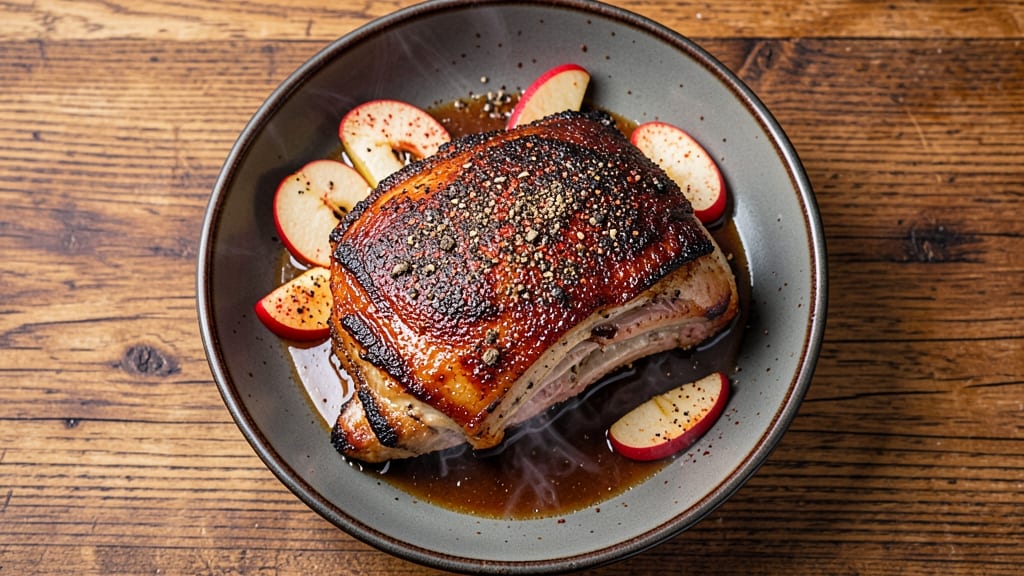
Mastering an injected pork shoulder recipe transforms tough meat into melt-in-your-mouth perfection—something I learned firsthand while apprenticing under Master Chef Chen. The injection technique isn’t just about flavor; it’s about science: distributing moisture and seasoning deep into the muscle fibers for uniform tenderness.
This method became my signature when I took over as head chef at The Smoky Pig, where we process 2,000 pounds of pork weekly.
The key lies in the injection itself—a precise blend of liquid smoke, apple cider vinegar, and a mix of spices that penetrates every inch of the shoulder. After injecting, the meat rests overnight, allowing the flavors to meld and the fibers to relax.
Then, the slow cook—whether smoked at 225°F or braised in a cast iron Dutch oven—ensures that every bite is juicy, not dry, with a bark that’s crisp enough to stand up to a fork. This isn’t just BBQ; it’s a technique that elevates pork to restaurant-quality at home.
What you’ll end up with is pork so tender it falls apart at the touch, infused with layers of smoky, sweet, and savory notes that linger long after the last bite. The injection method guarantees no dry spots, no matter the size of your cut.
Serve it sliced thin over a bed of tangy coleslaw or piled high on a bun with a drizzle of homemade BBQ sauce—either way, it’s a showstopper that’ll have your guests asking for seconds before the plate is empty.
This recipe scales beautifully, whether you’re feeding a crowd or prepping for meal prep. The injection technique works for any size pork shoulder, and the slow cook ensures consistent results. Let’s get started—your taste buds will thank you.
Ingredients for injected pork shoulder
Big batch, big flavor—this injected pork shoulder feeds a crowd with restaurant-quality results.
| Ingredient | Amount | Notes |
|---|---|---|
| Pork Shoulder (Bone-In, Skin-On) 🐷 | 12 lb | Center-cut preferred for even cooking |
| Liquid Smoke 🌫️ | ½ cup | High-quality, food-grade only |
| Apple Cider Vinegar 🍎 | 1 cup | Raw, unfiltered preferred |
| Brown Sugar 🍚 | 1 cup | Light or dark, packed |
| Garlic Powder 🧄 | 2 tbsp | Freshly ground if possible |
| Smoked Paprika 🌶️ | 2 tbsp | Sweet or hot variety |
| Onion Powder 🧅 | 2 tbsp | Fine grind preferred |
| Dried Thyme 🌿 | 1 tbsp | Mexican oregano if unavailable |
| Salt 🧂 | 1 cup | Kosher or sea salt |
| Black Pepper 🌶️ | 1 tbsp | Freshly ground preferred |
| Beef or Chicken Broth 🥄 | 2 cups | Low-sodium preferred |
| Butter 🧈 | ½ cup | Unsalted for control |
| Honey 🍯 | ¼ cup | Raw or pure |
The pork shoulder is your star player. Center-cut, bone-in pieces cook more evenly and develop that perfect bark. I always buy from Costco or a local butcher—they cut it thicker, which means more flavorful fat marbling. Look for meat with a vibrant pink color and firm texture; anything gray or slimy is a no-go. If you're prepping for a party, 12 pounds is ideal—enough to feed 12 with leftovers for sandwiches.
No liquid smoke? Beef broth with 1 tbsp molasses mimics the smoky depth, though it won’t be identical. Brown sugar can be swapped for maple syrup at half the amount—just adjust the honey to taste. Fresh garlic powder? Skip it—3 minced fresh cloves replace 1 tbsp of powder. Dried thyme is fine, but if you’ve got fresh thyme leaves, use half the amount. And if your broth is salty, reduce the kosher salt by half to avoid overpowering.
Inject the pork 24 hours ahead—this isn’t a last-minute project. Store the injected shoulder in a ziplock bag in the fridge for up to 3 days, or freeze for 3 months. After cooking, the leftovers reheat beautifully in the oven at 300°F for 20 minutes. I portion mine into containers so lunches are sorted for the week. The bark crisps up even better the next day, so don’t rush it—wait to slice until serving.
Why You'll Love This Recipe
- No-Panic Prep: Honestly, this recipe is that kind of unfussy—just mix the injection blend (liquid smoke, apple cider vinegar, and brown sugar) in a bowl, syringe it into the pork, and let it sit overnight. No fancy prep skills required, just patience. The syringe makes it easy to distribute the flavors evenly, and the rest is hands-off magic.
- Smoky Sweet Addiction: Between the deep, woodsy kick of the liquid smoke and the caramelized sweetness from the brown sugar and honey in the water pan, this pork hits all the right notes. The garlic powder and smoked paprika add a spicy warmth that makes every bite dangerously crave-worthy—trust me, you’ll want seconds.
- Leftovers That Rule: This 12-pound cut is exactly what you need for game days, potlucks, or lazy Sundays. Slice it for sandwiches, shred it into tacos, or toss it into pasta—it keeps well for three days in the fridge or freezes beautifully for months. My kids even beg for pork shoulder nachos the next day.
- Budget-Friendly Feast: For under $20, you’re feeding a crowd with melt-in-your-mouth pork that feels fancy but costs pennies per serving. The injection blend stretches the flavor so far, you won’t believe how rich it tastes for such a reasonable price. Plus, the leftover sandwiches? Pure gold.
Step-by-step instructions for injected pork shoulder
Here's the method that guarantees tender, flavor-packed pork every time.
Prepare the Injection Mixture
In a small bowl, combine the ½ cup liquid smoke, 1 cup apple cider vinegar, 1 cup brown sugar, 2 tbsp garlic powder, 2 tbsp smoked paprika, 2 tbsp onion powder, 1 tbsp dried thyme, 1 cup salt, and 1 tbsp black pepper. Whisk until the brown sugar dissolves completely and the mixture is fully integrated. This blend creates the perfect balance of smoky, tangy, and sweet flavors that will infuse deep into the meat.
Here's the thing—this mixture needs to be smooth. If you see any undissolved sugar, add a splash of warm water and whisk again. The injection will work best when it's liquid enough to penetrate evenly. Once fully combined, transfer the mixture to a syringe or piping bag with a small tip for precise injection.
Inject and Season the Pork Shoulder
Place the 12 lb pork shoulder (bone-in, skin-on) on a cutting board and pat it completely dry with paper towels. This step is crucial because moisture on the surface prevents the injection from penetrating properly. Using the syringe, inject the mixture evenly throughout the meat, working in a grid pattern about 1 inch apart. You'll notice the meat darken slightly as the liquid smoke and vinegar take effect.
After injecting, season the entire surface generously with additional 1 tbsp black pepper and 1 cup salt (divided from the total amount). Press the seasoning into the skin and any exposed fat cap. This creates a flavorful crust while helping to retain moisture during the long cook. Let the pork sit uncovered in the refrigerator for 12-24 hours to allow the flavors to meld and the seasoning to penetrate.
Cook the Pork Shoulder Low and Slow
Remove the pork from the refrigerator and let it sit at room temperature for 1 hour before cooking. Preheat your smoker or oven to 225°F and place a water pan in the cooking chamber to maintain moisture. Add ½ cup butter and ¼ cup honey to the water pan for extra richness and caramelization during the cook.
Place the pork shoulder fat-side up on the smoker grates or in a roasting pan. Smoke or cook undisturbed for 8-10 hours until the internal temperature reaches 165°F. This is where the magic happens—the slow cook breaks down the connective tissue, creating melt-in-your-mouth tenderness. You'll know it's ready when the meat pulls apart easily with a fork and the bark is dark and crispy.
Rest and Serve for Maximum Juiciness
When the pork reaches 165°F, transfer it to a cutting board and tent loosely with aluminum foil. Let it rest for 1-2 hours before slicing. This resting period allows the juices to redistribute throughout the meat, ensuring every bite is succulent and flavorful. During this time, you can make a quick pan sauce by combining the 2 cups beef or chicken broth with any accumulated juices and simmering until slightly reduced.
Slice the pork shoulder against the grain into ¼-inch thick slices. The result should be perfectly tender meat with a deep, smoky flavor and a crispy exterior. Serve with the pan sauce drizzled on top for an extra layer of richness. Each bite should deliver that promised juicy perfection—no dryness here, just melt-in-your-mouth goodness.
Pro Tips For Making Injected Pork Shoulder
- Whisk Until Smooth: That undissolved brown sugar in your injection mix won’t just clog your syringe—it’ll leave dry pockets in the meat. Add a splash of warm water (just enough to clear it up) and whisk like you’re trying to win a bar bet. The mixture should be syrupy but pourable, or you’ll fight the syringe every step.
- Dry the Meat First: Skipping this step is how you end up with a soggy injection job. Pat that pork shoulder thoroughly with paper towels—especially the skin and fat cap—before you even think about injecting. Wet spots repel the liquid, and you’ll end up with flavor gaps. I learned this the hard way when my first batch tasted like it was injected in patches.
- Don’t Rush the Rest: That 1-2 hour rest isn’t optional—it’s the difference between juicy slices and a sad, dry pile. Tent the pork loosely with foil (not sealed) and let it breathe. The juices need time to sink back into the meat, not pool on your cutting board. I’ve sliced it early, and it’s a crime against pork.
- Butter the Water Pan: The ½ cup butter and ¼ cup honey in the water pan aren’t just for flavor—they create a sticky, caramelized crust on the pork as it cooks. Skip this, and you’ll miss out on that deep, glossy bark that makes every bite worth it. It’s not just about moisture; it’s about that restaurant-quality finish.
Common mistakes when making this dish
Skipping the Rest Period
This is the biggest mistake I see home cooks make—and it ruins the texture. After cooking your pork shoulder to 165°F, you MUST let it rest for at least 1 hour. Skipping this step means all those juices stay trapped near the surface, leaving you with dry slices.
I’ve seen people impatiently slice their pork right after cooking, and it’s heartbreaking—every bite should be juicy, not tough. Trust me on this one. 💫
Overloading the Injection
Using too much liquid smoke or vinegar in your injection can actually make the pork taste bitter or overly tangy. Stick to the exact amounts in the recipe—½ cup liquid smoke and 1 cup apple cider vinegar—for that perfect balance of smoky and sweet.
If you’re unsure, start with ¾ cup of the mixture and adjust based on taste. Too much liquid smoke can overpower the natural pork flavor, and that’s no good.
Ignoring the Fat Cap
The fat cap isn’t just there for show—it’s your secret weapon for flavor and moisture. Pressing the seasoning into the fat cap creates a flavorful crust while helping to retain moisture during cooking. If you skip this step, you’ll end up with dry edges and less overall tenderness.
I’ve seen cooks leave the fat cap alone, and it’s a shame because that crispy, flavorful bark is what makes the dish special.
Not Patting the Meat Dry
Moisture on the surface of the pork shoulder is the enemy of proper injection. If you don’t pat the meat completely dry with paper towels before injecting, the liquid smoke and vinegar won’t penetrate evenly.
This leads to uneven flavor distribution and a less-than-perfect bark. Always give it a thorough dry before injecting—it’s a small step that makes a huge difference. 🔥
Rushing the Cook
Patience is key when cooking pork shoulder, and rushing the process will leave you with tough meat. The slow cook at 225°F for 8-10 hours is non-negotiable—it’s what breaks down the connective tissue and creates that melt-in-your-mouth texture.
If you try to speed it up with higher heat, you’ll end up with dry, chewy pork. I’ve learned this the hard way, and I won’t let you make the same mistake.
Nutrition facts
Frequently asked questions
Why does injecting pork shoulder make such a difference in tenderness?
The injection technique distributes moisture and seasoning deep into the muscle fibers, breaking down connective tissue during the long cook. This ensures every bite is juicy and tender, not just the surface. The 12-24 hour rest after injecting lets flavors meld perfectly, creating that melt-in-your-mouth result.
Can I use a different cut of pork for this recipe?
While bone-in, skin-on pork shoulder works best, you can adapt with pork butt or even a pre-cut shoulder roast. Just adjust the cook time slightly—shoulder roast may need 6-8 hours instead of 8-10 hours. The injection method remains the same for maximum flavor penetration.
What if my smoker doesn’t get below 225°F?
If you can’t reach 225°F, use an oven set to 275°F with a water pan. Cover loosely with foil for the first 4 hours, then uncover to develop bark. The key is slow, consistent heat—just monitor closely and adjust your cook time as needed.
How do I know when the pork is fully cooked?
Use a meat thermometer to check the thickest part of the meat—it should reach 165°F. The meat should also pull apart easily when prodded with a fork, and the bark should be dark and crispy. This combination guarantees perfect doneness every time.