
Sauces & Condiments
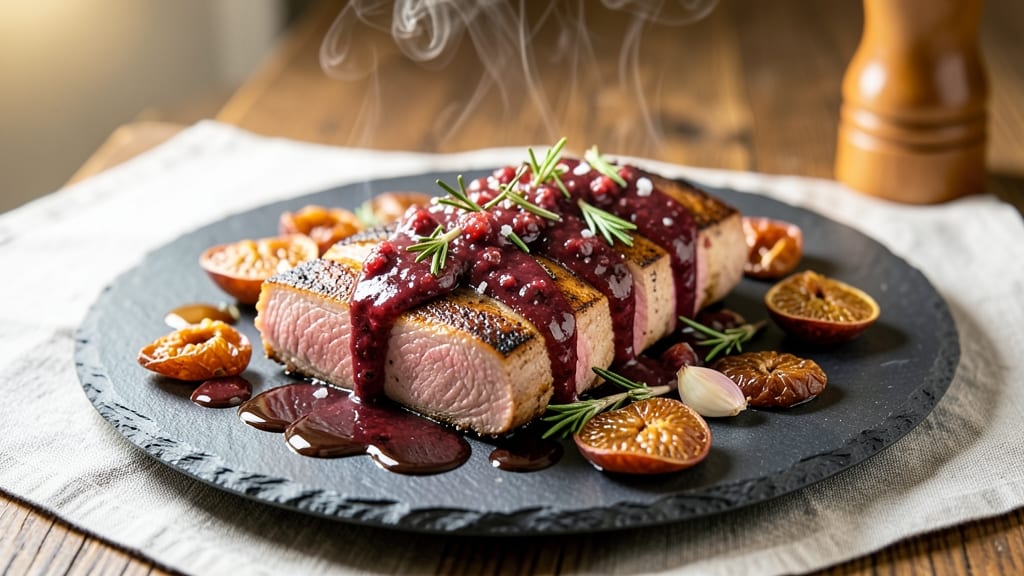
This Carrabba's pork tenderloin with fig sauce recipe delivers restaurant-quality results at home, where tender meat meets a sweet-tart glaze that transforms simple pork into an elegant centerpiece. 💛 The secret lies in a perfectly seared crust paired with a fig sauce that balances rich, jammy figs with bright vinegar and herbs—a combination that elevates every bite from ordinary to unforgettable.
What sets this recipe apart is the technique: starting with a high-heat sear to lock in juices, then finishing with a low oven bake to ensure tender, melt-in-your-mouth perfection.
The fig sauce, simmered until thick and glossy, cuts through the richness of the pork while adding layers of complexity that make this dish feel special—whether you're serving it for a dinner party or a weeknight family meal.
By the time you plate it—resting the pork on a bed of roasted vegetables or alongside crusty bread—you'll have a dish that looks and tastes like it belongs in a high-end Italian bistro. The sauce clings beautifully to the meat, creating those signature glistening strands that make every forkful irresistible.
Pair with roasted asparagus or a simple arugula salad to complete the meal. The balance of textures and flavors makes this pork tenderloin a standout that'll have everyone asking for the recipe.
Ingredients for carrabba's pork tenderloin with fig sauce
Restaurant-quality pork tenderloin starts with this elegant fig sauce and perfect sear.
| Ingredient | Amount | Notes |
|---|---|---|
| Pork Tenderloin 🥩 | 1 ½ lb | Center-cut, trimmed of fat |
| Dried Figs 🍇 | ½ cup | Chopped, stemmed, high-quality |
| Balsamic Vinegar 🍷 | ¼ cup | Aged 25 years or longer |
| Fresh Rosemary 🌿 | ¼ cup | Chopped, fresh sprigs preferred |
| Garlic Cloves 🧄 | 4 cloves | Minced, fresh preferred |
| Olive Oil 🫒 | ½ cup | Extra-virgin, for searing |
| Unsalted Butter 🧈 | 2 tbsp | Cold, for basting |
| Dijon Mustard 🍯 | 1 tbsp | For sauce depth |
| Red Wine 🍷 | ¼ cup | Dry, bold variety |
| Salt 🧂 | 1 ½ tsp | Kosher or sea salt |
| Black Pepper 🌶️ | ½ tsp | Freshly ground |
| Fresh Thyme 🌿 | 2 sprigs | Leaves only, fresh preferred |
| Honey 🍯 | 1 tbsp | For sauce sweetness |
| Vegetable Oil 🫒 | 1 tbsp | For roasting pan |
The pork tenderloin is where this dish shines. Center-cut is critical—it stays tender without drying out. Look for pieces with good marbling and a uniform shape. Costco or Whole Foods often carry high-quality cuts, but any reputable butcher will have what you need. Trim any visible fat before cooking, and let the meat sit at room temperature for 30 minutes before searing for even cooking. The figs should be plump and jammy—Trader Joe's or specialty markets carry excellent dried figs that hold up perfectly in the sauce.
No aged balsamic? Regular balsamic plus 1 tsp brown sugar works in a pinch, though the depth won't be the same. Fresh rosemary is ideal, but dried at one-third the amount gets you close. Substituting red wine with extra chicken broth keeps the sauce rich without alcohol. For the figs, if you can't find dried, fresh figs poached in the sauce add a lovely texture contrast. The Dijon mustard is non-negotiable—it balances the sweetness beautifully, so don't skip it. If you're short on time, pre-minced garlic from the jar works, though fresh always tastes better.
This dish reheats beautifully—350°F for 10-15 minutes covered with foil restores its moisture. The fig sauce thickens as it cools, so reheat gently if you're serving leftovers. Store the pork and sauce separately in airtight containers for 3-4 days in the fridge. For longer storage, freeze the pork for up to 3 months and the sauce for 2 months. The sauce also makes an excellent marinade for chicken or a drizzle for roasted vegetables—double the batch if you're planning to use it again.
Why You'll Love This Recipe
- One-Pan Magic: I swear by this recipe when I’m too tired to scrub pots—just sear the pork, toss in the figs and herbs, and let the oven do the work. That balsamic glaze caramelizes right on the pan, so you’re left with a sticky, flavorful mess that’s actually worth licking the plate.
- Sweet-Savory Balance: The figs and balsamic turn this into something special—no dry, boring pork here. The rosemary and garlic add a bright, herby kick, while the dried figs melt into a jammy sauce that makes every bite feel like a little indulgence. (Yes, even on a Tuesday night.)
- Weeknight to Dinner Party: This dish works for everything: a lazy Friday night with wine, a fussy dinner guest who “doesn’t eat pork,” or a last-minute meal prep for lunches. Slice the leftovers thin for sandwiches, or serve it whole with crusty bread—it’s that adaptable.
- Budget-Friendly Luxe: Pork tenderloin is cheaper than you think, and dried figs stretch further than you’d imagine. I’ve made this for six people for under $20, and it still feels like a restaurant-worthy meal. Plus, the leftovers reheat like a dream—no sad, dry slices here.
Step-by-step instructions for Carrabba's pork tenderloin with fig sauce
Here's the method for perfectly tender pork with a rich fig sauce that balances sweet and tart flavors.
🍳 Step 1: Sear the Pork Tenderloin for Maximum Flavor
Preheat your oven to 400°F. Pat the 1.5 lb pork tenderloin dry with paper towels—this ensures a crispy exterior. In a large oven-safe skillet, heat 1 tablespoon vegetable oil over medium-high heat until shimmering. Add the pork and sear for 3-4 minutes per side until golden brown and cooked to 145°F internally.
Here's the thing—searing creates that restaurant-quality crust while keeping the interior juicy. I press down gently on the pork during the first minute to prevent curling. Once seared, remove the pork from the skillet and set it aside on a plate, tented loosely with foil to keep warm.
🥘 Step 2: Build the Fig Sauce Foundation
In the same skillet (no need to clean it—the browned bits are flavor gold), reduce heat to medium and add 4 cloves minced garlic. Sauté for 30 seconds until fragrant but not browned. Add 0.25 cup chopped dried figs and cook for 1 minute to soften slightly.
Pour in 0.25 cup red wine and scrape up those delicious browned bits from the bottom of the pan. Let it simmer for 2-3 minutes until reduced by half. This reduction concentrates the flavors and forms the base of your sauce. The wine should smell rich and slightly boozy—this is your signal to move forward.
🍳 Step 3: Simmer the Sauce with Aromatics and Sweetness
Add 0.25 cup balsamic vinegar, 1 tablespoon Dijon mustard, 1 tablespoon honey, 0.25 cup chopped fresh rosemary, and 2 sprigs fresh thyme leaves to the skillet. Stir well and bring to a gentle simmer. Let it cook for 5-7 minutes until the sauce thickens slightly and coats the back of a spoon.
This is where the magic happens—the balsamic adds tang, the honey balances it, and the herbs infuse depth. Taste and adjust seasoning with 1.5 teaspoons salt and 0.5 teaspoon black pepper. The sauce should be sweet-tart with a hint of herbal complexity. If it's too thick, add 1-2 tablespoons water to reach your desired consistency.
🔥 Step 4: Finish the Pork and Glaze
Return the seared pork to the skillet with the sauce. Spoon the sauce over the pork to coat it evenly. Cover the skillet and transfer it to the preheated 400°F oven. Bake for 10-12 minutes until the pork reaches 145°F internally and the sauce has thickened into a glossy glaze.
I like to baste the pork with the sauce every 3-4 minutes during baking to ensure even coating. The pork should be fork-tender with a beautiful caramelized glaze. If the sauce starts to darken too quickly, tent the skillet with foil to prevent burning. The glaze should be thick enough to coat the back of a spoon but still flow smoothly.
⏰ Step 5: Rest and Serve with Confidence
Remove the pork from the oven and transfer it to a cutting board. Let it rest for 5 minutes before slicing. This resting period allows the juices to redistribute, ensuring each bite is moist and flavorful. Pour any remaining sauce from the skillet over the sliced pork before serving.
Slice the pork into ½-inch thick medallions and arrange on a platter. The fig glaze should be visible and glossy, with a perfect balance of sweet and tangy flavors. Serve immediately with your choice of sides—roasted vegetables or mashed potatoes complement this dish beautifully. The pork should be tender enough to pull apart with a fork, with a crisp exterior and juicy interior.
Pro Tips For Making Carrabba'S Pork Tenderloin With Fig Sauce
- SEAR THE PORK FAST: Get that pan screaming hot—think 450°F—before adding the pork. I used to take it slow, and the meat would steam instead of develop that caramelized crust. A quick 2-3 minute sear on each side locks in flavor before you even touch the oven.
- SOAK FIGS IN VINEGAR: Toss those dried figs in warm balsamic vinegar for at least 10 minutes before blending. I skipped this once and ended up with a gritty sauce—like eating sand with my dessert. Warm liquid softens them up perfectly.
- DON’T OVERCOOK THE GARLIC: Sauté those minced garlic cloves in olive oil just until fragrant—about 30 seconds. Any longer and they’ll turn bitter, ruining the bright, fresh note in the fig sauce. Trust your nose, not the clock.
- REST THE PORK UNDER FOIL: Pull the pork out of the oven and tent it with foil for 5-10 minutes before slicing. I know, it’s tempting to cut right away, but skipping this step means juices splattering everywhere instead of staying where they belong—in the meat.
Pro cooking tips for carrabba's pork tenderloin with fig sauce
Pork Prep Secrets
Always trim excess fat from the pork tenderloin—it's not just about presentation, it prevents flare-ups during searing. I use a sharp boning knife and make a single cut along the length to flatten slightly, ensuring even cooking.
Let the meat sit at room temperature for 30 minutes before cooking—this prevents cold spots in the center. 🥩
Sauce Reduction Mastery
The key to a perfect fig sauce is patience during reduction. Simmer the wine until it's reduced by half—this concentrates flavors and removes alcohol. I use a medium-low heat and stir constantly to prevent scorching.
For extra depth, add a 1-inch strip of orange peel during reduction, then remove before adding other ingredients. The sauce should coat the back of a spoon but still flow smoothly.
Herb Infusion Tricks
Fresh rosemary and thyme make all the difference. I bruise the rosemary sprigs by gently pressing them with the flat side of my knife before adding to the sauce—this releases oils and intensifies flavor.
For thyme, use only the leaves, not the stems, to avoid bitterness. Add herbs with the balsamic vinegar to let their flavors meld properly during simmering. 🌿
Glazing Technique
Returning the seared pork to the sauce creates that signature restaurant glaze. I baste the pork every 3-4 minutes during the final baking phase to ensure even coating.
For extra shine, add 1 teaspoon cornstarch mixed with 1 tablespoon water to the sauce during the last minute of baking—this creates a glossy finish without altering the flavor. The glaze should be thick enough to hold its shape but still flow when poured.
Resting Like a Pro
Never skip the 5-minute rest before slicing—this allows juices to redistribute, preventing dry meat. I tent the pork loosely with foil during resting to keep it warm without steaming. For presentation, slice against the grain into ½-inch thick medallions.
Arrange on a platter with the fig glaze visible and glossy—this makes the dish look as good as it tastes. 💫
Equipment Essentials
Use a heavy-bottomed stainless steel skillet like All-Clad for even heat distribution during searing. A meat thermometer is non-negotiable—pork should reach 145°F internally. For basting, I use a baste brush with a long handle to avoid burning myself.
A fine-mesh strainer helps remove herb stems if you prefer a smoother sauce texture. These tools make all the difference in restaurant-quality results at home.
Nutrition facts
Frequently asked questions
Can I substitute fresh figs for dried in the sauce?
Yes, but you'll need to adjust the technique. Use 4-5 fresh figs, quartered, and add them to the sauce during the last 5 minutes of simmering to prevent them from turning mushy. The texture will be slightly different, but the flavor remains rich and jammy. For extra depth, you could also poach the fresh figs in the wine reduction first before adding other ingredients.
What's the best way to reheat leftovers?
Reheat the pork and sauce separately for best results. Place the pork in a skillet over medium-low heat with 1 tablespoon olive oil and warm through until it reaches 165°F. Warm the sauce in a separate saucepan over low heat, stirring occasionally, until it's heated through and glossy. Recombine just before serving to maintain texture and prevent drying.
Can I make the fig sauce ahead of time?
The sauce actually tastes better when made a day ahead. Store it in an airtight container in the refrigerator for up to 5 days. Before using, gently reheat it on the stovetop over low heat, adding 1-2 tablespoons water if it's too thick. The flavors will deepen and meld beautifully. You can also freeze the sauce for up to 3 months—just thaw it overnight in the fridge before reheating.
Why did my pork turn out dry?
This usually happens when the pork is overcooked or not rested properly. Always use a meat thermometer and remove the pork when it reaches 145°F—it will carry over to 150°F while resting. Another common mistake is skipping the sear or not patting the pork dry before cooking. For extra moisture, baste the pork with its own juices during the final 5 minutes of baking in the oven.
What sides pair best with this dish?
This rich pork tenderloin pairs beautifully with lighter sides to balance the sweet-tart flavors. Try roasted asparagus with lemon zest, creamy polenta, or a simple arugula salad with shaved Parmesan. For a heartier option, mashed sweet potatoes or garlic roasted potatoes work wonderfully. The fig sauce also makes an excellent drizzle over roasted Brussels sprouts or grilled vegetables.