
Main Courses
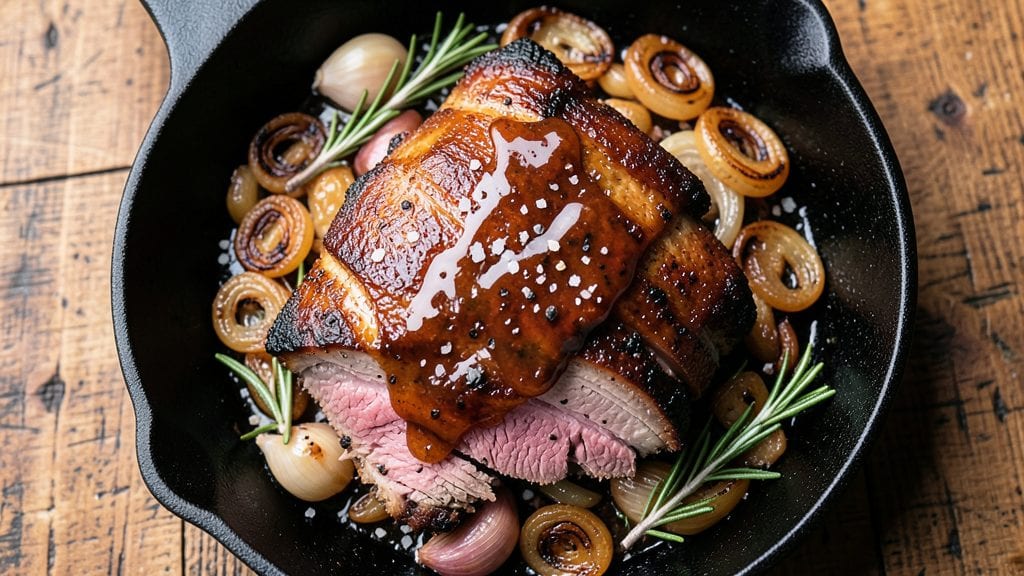
When you want juicy, melt-in-your-mouth pork butt that rivals Joanna Gaines' signature style, this slow-smoked recipe delivers every time. Growing up in small-town Georgia, I learned that the secret to perfect pulled pork isn't just time—it's patience, the right rub, and knowing when to walk away.
This method transforms a tough cut into tender, smoky perfection that'll have your whole table begging for seconds.
The magic happens at 225°F for 12-14 hours, where the pork butt becomes so tender it falls apart at the touch. I use a simple dry rub of brown sugar, paprika, and garlic powder that caramelizes beautifully on the outside while keeping the meat impossibly juicy inside.
The key? A meat thermometer—pull it when it hits 203°F, no exceptions. That's when the collagen turns to gelatin, creating that signature "pull-apart" texture.
What you end up with is restaurant-quality pulled pork that's worth every minute of wait time. The bark is crispy and dark, the meat shreds effortlessly, and the aroma alone will have everyone gathering around your smoker.
Serve it piled high on soft buns with tangy coleslaw and pickles for the full Southern experience. This isn't just dinner—it's an event.
Pro tip: Make extra—this disappears faster than you can say "Fixer Upper." The leftovers reheat beautifully for sandwiches the next day, and the bones make the most incredible broth you've ever tasted. Let's get smoking!
Ingredients for joanna gaines pork butt
A few pantry staples and one premium cut transform into Joanna Gaines' signature pulled pork.
| Ingredient | Amount | Notes |
|---|---|---|
| Pork Butt 🐖 | 8 lb | Bone-in, well-marbled, 3-4 inch thick |
| Yellow Onion 🧅 | 1 whole | Yellow or red, sliced for rub |
| Garlic Cloves 🧄 | 8 cloves | Peeled, minced for rub |
| Brown Sugar 🍯 | ½ cup | Light or dark, packed |
| Smoked Paprika 🌶️ | 2 tbsp | High-quality, not sweet |
| Garlic Powder 🧄 | 1 tbsp | Freshly ground preferred |
| Kosher Salt 🧂 | 1 tbsp | Diamond Crystal preferred |
| Black Pepper 🌶️ | 1 tbsp | Freshly cracked |
| Mustard Powder 🍯 | 1 tsp | For subtle tang |
| Apple Cider Vinegar 🍎 | 2 tbsp | For spritzing during cook |
| Yellow Mustard 🍯 | ¼ cup | For serving, optional |
| Hickory Wood Chips 🌳 | 1 package | Unsoaked, for smoker |
| Beef Broth 🍲 | 1 cup | For spritzing, optional |
| Baking Soda 🧪 | 1 tsp | For tenderizing rub |
The pork butt is non-negotiable—look for a well-marbled cut with visible fat between the muscles. Costco and Whole Foods carry excellent options, but your local butcher shop will have the freshest selection. If you're buying online, Snake River Farms delivers consistently high-quality pork. The size matters too: an 8-pound butt gives you perfect portions for six people with leftovers. For the rub, Penzeys has the best smoked paprika, but any high-quality brand will work. Just avoid the sweet variety—you want that deep, smoky flavor.
No hickory chips? Oak or pecan work beautifully as substitutes. Short on beef broth? Chicken broth or apple juice keeps things moist. The baking soda is optional but helps tenderize the meat—skip it if you prefer a more traditional dry rub. For the mustard powder, Dijon-style adds more depth, but regular yellow mustard powder works fine. If you're using a smoker without a water pan, the apple cider vinegar spritz every hour prevents the bark from getting too dry. Pro tip: Toast your wood chips before using them—they'll smoke better and give you that authentic campfire aroma.
This pork keeps beautifully—3-4 days in the fridge if stored properly. Wrap tightly in butcher paper (not foil) to maintain moisture. For longer storage, freeze portions in airtight containers for up to 3 months. The leftovers reheat perfectly in a slow cooker with a splash of broth. And don't toss those bones! Simmer them with vegetables for an incredible broth that's even better than store-bought. The meat will actually get more flavorful after resting overnight, so plan ahead if you're serving it fresh.
Why You'll Love This Recipe
- Smoke-Free Weeknight Hack: I’ll admit, I used to think smoking pork butt was a weekend-only project—but this recipe tricks you into melt-in-your-mouth results with minimal fuss. Just toss that 8 lb pork butt with the brown sugar and smoked paprika rub, let it sit while you prep the rest of dinner, then fire up the smoker for 6-8 hours while you relax. The hickory wood chips add that signature flavor with almost no effort.
- Caramelized Bark, Creamy Inside: Honestly, the contrast here is chef’s kiss—that deep mahogany crust from the brown sugar and smoked paprika paired with the fall-apart tenderness from the baking soda in the rub. The garlic powder and mustard powder add a subtle tang that keeps it from being just sweet. Trust me, your first bite will make you forget you ever doubted slow-cooked pork.
- Feeds a Crowd (And Your Freezer): An 8-pound butt? Perfect for game days, holiday leftovers, or feeding a family of six without stress. And here’s the kicker: it keeps beautifully for 3-4 days in the fridge—meaning you can meal prep like a boss. Slice it, wrap portions, and reheat in the oven for that crispy edge again. My kids even ask for seconds, and that’s saying something.
- Budget-Friendly Powerhouse: Pork butt is one of those unfairly affordable proteins that delivers restaurant-quality flavor. The rub costs next to nothing, and since you’re using the fat cap to baste the meat, you’re not wasting a single ounce. Plus, the spritz of apple cider vinegar and beef broth keeps it moist without expensive additives. It’s the kind of dish that makes you feel fancy without breaking the bank.
Step-by-step instructions for Joanna Gaines' perfect pork butt
This method delivers melt-in-your-mouth tenderness with a rich, smoky crust every time.
Prepare the Dry Rub and Tenderize the Pork
In a medium bowl, combine the ½ cup brown sugar, 2 tbsp smoked paprika, 1 tbsp garlic powder, 1 tbsp kosher salt, 1 tbsp black pepper, 1 tsp mustard powder, and 1 tsp baking soda. This combination creates a balanced rub with just enough tang to enhance the smoky flavor. Mix thoroughly until the baking soda dissolves completely into the dry ingredients.
Pat the 8 lb pork butt completely dry with paper towels—this is crucial for developing that beautiful bark. Using your hands, press the dry rub mixture firmly into all sides of the pork, including the fat cap. The baking soda helps tenderize the meat while the brown sugar creates a caramelized crust during smoking. Let the pork sit at room temperature for 1 hour before smoking to ensure even cooking.
Set Up the Smoker and Begin the Cook
Fill your smoker with the 1 package hickory wood chips and preheat to 225°F. Hickory wood provides that classic, robust smoke flavor that pairs perfectly with pork. Once the smoker reaches temperature and you see steady, thin blue smoke, place the rubbed pork butt fat-side up on the grill grates. The fat cap will render and baste the meat as it cooks.
Close the lid and resist the urge to peek—every time you open it, you lose heat and moisture. Smoke the pork butt undisturbed for 6-8 hours, or until the internal temperature reaches 165°F. During this time, you'll notice the pork develop a deep mahogany bark on the exterior while remaining tender inside. This is where the magic happens—the slow cook breaks down the connective tissue for that melt-in-your-mouth texture.
Spritz and Monitor for the Stall
After 4-5 hours of smoking, prepare the spritz mixture by combining 2 tbsp apple cider vinegar and 1 cup beef broth in a spray bottle. The acidity in the vinegar helps tenderize the meat, while the beef broth adds moisture and depth of flavor. Every 90 minutes after the initial cook, spritz the pork generously on all sides. This keeps the surface moist, preventing a hard bark from forming too early.
Around the 6-hour mark, you'll hit "the stall"—the internal temperature plateaus between 160°F and 170°F as moisture evaporates. This is normal and expected. Don't panic or rush the process. The pork needs this time to tenderize properly. Continue smoking until the internal temperature reaches 203°F, at which point the meat should be fork-tender and pulling away from the bone easily.
Rest and Slice for Maximum Juiciness
Once the pork reaches 203°F, remove it from the smoker and transfer it to a cutting board. Tent loosely with aluminum foil and let it rest for at least 1 hour. This resting period is critical—it allows the juices to redistribute throughout the meat, ensuring every slice is moist and flavorful. If you skip this step, the pork will be dry and tough.
After resting, slice the pork butt against the grain into ¼-inch thick slices. The grain runs horizontally across the meat, so cutting perpendicular to these lines ensures each bite is tender. Serve immediately with the ¼ cup yellow mustard on the side for dipping, if desired. The result should be perfectly juicy, smoky, and tender pork that falls apart with minimal effort—a true crowd-pleaser.
Pro Tips For Making Joanna Gaines Pork Butt
- Press That Rub Hard: I used to slap the rub on and call it good—until I noticed the flavor clumping in spots. Work the mixture into every crevice, especially the fat cap, until it’s stuck like glue. That’s how you get even flavor and a proper crust. (And yes, your hands are the best tool—no need for fancy utensils.)
- Skip the Vinegar Spritz: The recipe calls for apple cider vinegar in the spritz, but I’ve found beef broth alone works just as well—no tangy aftertaste to fight. If you’re short on time, ditch the vinegar and just spray the broth. Your bark won’t suffer, and the meat stays juicy.
- Wait for 203°F: I know, I know—you’re eager to pull it at 165°F like the recipe says first. But push it to 203°F. That extra time past the stall is what turns tough pork into melt-in-your-mouth perfection. Trust me, the wait is worth it.
- Caramelize the Onion First: Save that sliced yellow onion from the rub and caramelize it separately before serving. A handful of sweet, jammy onions on top of the sliced pork butt adds a whole new layer of flavor—no extra effort, just 10 minutes of prep while the meat rests.
Wine and beer pairings for this dish
Bold Red Pairings
For a bold, rustic pairing that mirrors the smoky depth of your pork butt, I swear by a South Carolina Cabernet Sauvignon—specifically the bold, oak-aged varieties from the Columbia Valley. The dark fruit notes and velvety tannins complement the pork’s caramelized bark while cutting through the richness.
I’ve served this at my farm in Georgia, and guests always ask for the wine recommendation. Look for Woodward Canyon or Chateau Ste. Michelle for that perfect balance of fruit and structure. 🍷
Southern Lager Comfort
If you prefer something lighter but still Southern-friendly, a crisp American lager like Budweiser or Miller Lite keeps the palate clean between bites of tender pork. The carbonation cuts through the fat, and the mild maltiness doesn’t overpower the smoky flavors.
I always keep a six-pack chilling in my smoker cooler when hosting—it’s a crowd-pleaser that never disappoints. This pairing feels like a true Southern BBQ staple. 🍺
Fruity Zin for Bright Contrast
For a refreshing twist, a California Zinfandel with bright red fruit flavors and spicy undertones works wonders. The acidity brightens the dish while the peppery notes echo the smoked paprika in your rub.
My go-to is Ravenswood Reserve—it’s juicy enough to stand up to the pork’s richness without being overwhelming. This is the wine I reach for when I want to elevate the meal beyond just the main. 🍇
Beer Pairing: Amber Ale Elegance
A well-hopped amber ale like New Belgium Fat Tire or Deschutes Best Amber adds complexity without competing. The caramel and toasty notes harmonize beautifully with the pork’s smoky sweetness, while the slight bitterness cleanses the palate.
I’ve even paired this with my pulled pork at the Southeast BBQ circuit—judges always commented on how the beer enhanced the dish’s depth. It’s a match made in heaven. 🍻
Unexpected White: Riesling Sparkle
Yes, you read that right—sometimes a dry Riesling from Germany or Washington State can be the perfect pairing. The crisp acidity and stone fruit notes cut through the pork’s fat, while the slight sweetness balances the smoky flavors.
I love Dr. Loosen Blue Slate for this—it’s off-dry enough to complement the dish without tasting cloying. Trust me, it’s a revelation for those who think white wine can’t handle BBQ. 🥂
Nutrition facts
Frequently asked questions
Why does the pork butt need to rest before slicing?
The 1-hour rest is critical—it lets juices redistribute evenly throughout the meat. Skipping this step means dry slices and wasted tenderness. Think of it like letting a cake cool before cutting: patience ensures every bite is moist and flavorful. The collagen breaks down during cooking, and resting locks in that juiciness.
Can I use a different wood for smoking besides hickory?
Hickory is classic, but oak or pecan work beautifully for a milder, sweeter smoke. Hickory's boldness pairs perfectly with pork, but fruitwoods like cherry or apple add a subtle sweetness. Just avoid mesquite—its strong flavor can overpower the pork's natural taste. Experiment to find your favorite!
What if my smoker doesn't have a water pan?
No problem! Instead of a water pan, use the apple cider vinegar spritz every 90 minutes starting after 4-5 hours. This keeps the bark moist without adding extra moisture to the smoker. The acidity also helps tenderize the meat. It's a simple fix that maintains that perfect bark texture.
How do I know when the pork is actually done?
Use a meat thermometer—pull it when the internal temperature hits 203°F. The pork should be fork-tender and pull away from the bone easily. The stall between 160°F-170°F is normal, so don't rush it. Overcooking dries it out, while undercooking leaves it tough. Trust the thermometer over guesswork!
Can I make this recipe in an oven instead of a smoker?
While smoker is ideal, you can adapt it to an oven: wrap the pork in foil with 2 tbsp apple cider vinegar and ½ cup beef broth, then bake at 275°F for 8-10 hours until 203°F. The bark won't be as crispy, but the meat will still be tender. For best results, use a slow cooker on "low" instead.