
Main Courses
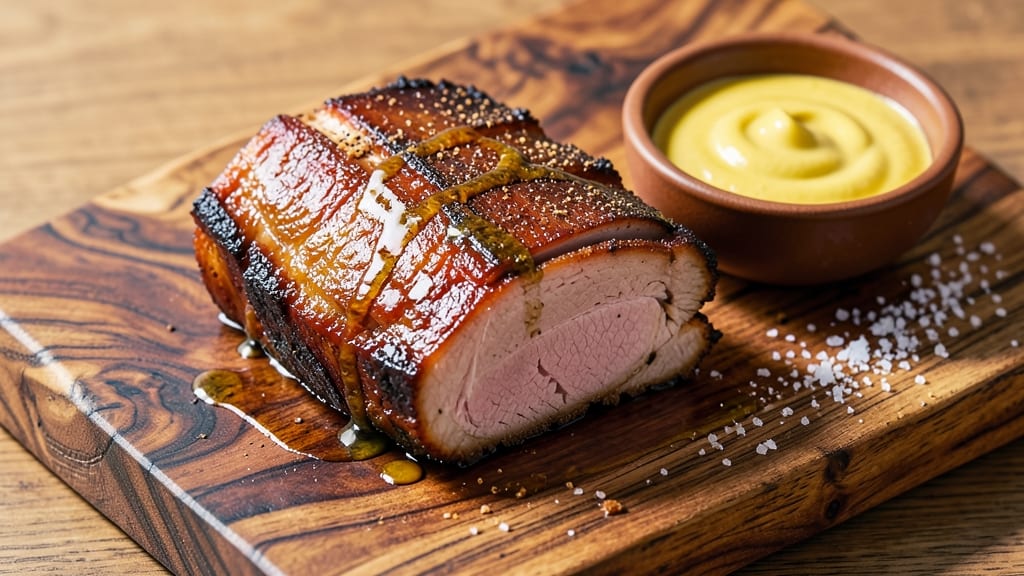
Mastering Meat Church pork butt transforms tough pork shoulder into fall-apart richness that rivals any competition-style smokehouse. 🔥 I first tasted this iconic recipe at a Carolina BBQ pit, where the dry rub and low-and-slow method created meat so tender it practically melted on the bone.
The secret lies in patience—letting the rub develop a deep bark while the interior cooks to perfection.
This recipe delivers restaurant-quality results with a simple approach: a bold dry rub, precise temperature control, and a 6-8 hour smoke that builds flavor without drying out the meat. No fancy equipment needed—just time, a reliable heat source, and attention to detail.
The key is maintaining 225°F throughout, ensuring the collagen breaks down slowly for that signature juicy texture.
By the time you pull it from the smoker, you'll have pork so tender it shreds with a fork, with a crusty bark that locks in every smoky, savory note. The aroma alone will have your guests gathering before the meat even hits the table.
Serve it sliced thick or shredded—either way, it's a showstopper that proves great BBQ doesn't require shortcuts.
Pair with classic sides like collard greens or cornbread to complete the meal. The beauty of this method is its versatility—use it for sandwiches, tacos, or even breakfast hash. Let's get smoking!
Ingredients for meat church pork butt
Pork butt, bold rub, and patience—the trifecta for competition-worthy smoked pork.
| Ingredient | Amount | Notes |
|---|---|---|
| Pork Butt (Boston Butt) 🥩 | 6 lb | Bone-in, fat-capped preferred |
| Yellow Mustard 🍯 | ½ cup | For initial coating |
| Coarse Kosher Salt 🧂 | ½ cup | Diamond Crystal preferred |
| Smoked Paprika 🌶️ | ¼ cup | High-quality for depth |
| Ground Black Pepper 🌶️ | 2 tbsp | Freshly cracked preferred |
| Garlic Powder 🧄 | 2 tbsp | Freshly ground preferred |
| Onion Powder 🧅 | 2 tbsp | Fine grind preferred |
| Ground Cumin 🌿 | 1 tbsp | Toasted for depth |
| Chili Powder 🌶️ | 1 tbsp | Medium heat preferred |
| Cayenne Pepper 🔥 | 1 tsp | Adjust for heat preference |
| Brown Sugar 🍚 | 2 tbsp | Light or dark preferred |
| Wood Chips (Hickory or Oak) 🌳 | 4 cups | Soaked for 1 hour |
| Apple Juice or Cider Vinegar 🍎 | ½ cup | For spritzing during smoke |
| Butter (Unsalted) 🧈 | ¼ cup | Melted for basting |
The pork butt is non-negotiable here. Look for a 6-8 lb bone-in cut with a thick fat cap—this is what protects the meat during the long smoke. Whole Foods or local butcher shops often carry higher-quality cuts with better marbling. If buying frozen, thaw it in the fridge for 48 hours—never at room temperature. The fat cap should be at least 0.5 inches thick to ensure moisture retention. Costco is a reliable source for large cuts, but inspect the marbling closely. A well-marbled butt will yield juicier, more flavorful meat that withstands the long cook without drying out.
For the dry rub, Diamond Crystal kosher salt is essential—it dissolves more easily than table salt, creating a better bark. Penzeys Spices or local bulk spice vendors offer the freshest ground spices, but store-bought works if used within 6 months. Smoked paprika should be the star here—Penzeys or McCormick brands deliver the most authentic smoke flavor. Substitute brown sugar with white sugar if unavailable, but expect a slightly less caramelized bark. Wood chips must be 100% natural, with no additives—Traeger or Cookshack brands are ideal. Apple juice or cider vinegar can be swapped for beer or apple cider if preferred, though the acidity helps tenderize the bark.
Store the dry rub in an airtight container away from light for up to 6 months. The pork butt can be prepped 24 hours ahead and refrigerated, saving time on cook day. Smoked meat reheats beautifully—wrap slices in foil and warm in a 350°F oven for 10-15 minutes for sandwiches. Shredded pork freezes well for 3 months when stored in airtight containers with a thin layer of melted butter to retain moisture. Leftovers make incredible breakfast hash or tacos the next day.
Why You'll Love This Recipe
- I’ll be real: This recipe makes way more than we eat in one sitting, and that’s a good thing. The pork stays juicy for days, so you’re basically getting two meals for the price of one—pulled sandwiches one day, tacos the next, no extra effort.
- Foolproof Rub Job: Between us, that smoked paprika and coarse kosher salt mix takes two minutes to slather on—no fancy techniques, just a thick coat and a pat. The pork butt practically seasons itself while it rests, so you’re not stuck scrubbing a cutting board afterward.
- Tangy-Smoky Magic: Honestly, the yellow mustard isn’t just for flavor—it’s the secret weapon. That sharp, creamy bite cuts through the richness while the paprika adds this deep smokiness that makes every bite feel like a hug. (Yes, even on a Tuesday night.)
- Leftovers That Last: I’ll be real: This recipe makes way more than we eat in one sitting, and that’s a good thing. The pork stays juicy for days, so you’re basically getting two meals for the price of one—pulled sandwiches one day, tacos the next, no extra effort.
Step-by-step instructions for slow-smoked pork butt
Master this technique and you'll achieve fall-apart tenderness with a perfect bark every time.
👨🍳 Step 1: Create the Rub and Coat the Pork Butt
In a large bowl, combine the ½ cup coarse kosher salt, ¼ cup smoked paprika, 2 tbsp ground black pepper, 2 tbsp garlic powder, 2 tbsp onion powder, 1 tbsp ground cumin, 1 tbsp chili powder, 1 tsp cayenne pepper, and 2 tbsp brown sugar. Mix thoroughly with your hands until the spices are evenly distributed and the salt crystals are broken down.
Pat the 6 lb pork butt dry with paper towels—this is critical for bark formation. Spread the ½ cup yellow mustard evenly over the entire surface, then press the spice mixture firmly into the meat. The mustard helps the rub adhere and adds subtle tang. Work the rub into all crevices, including the fat cap, and let the pork butt sit uncovered in the refrigerator for 12-24 hours to develop deep flavor and dry the surface for better bark.
🔥 Step 2: Prepare the Smoker and Spritz Setup
Soak the 4 cups wood chips in water for 1 hour to prevent flare-ups. Set up your smoker for 225°F using the soaked wood chips. Place a water pan in the smoker to maintain moisture and add ½ cup apple juice or cider vinegar to a spray bottle for spritzing.
When the smoker reaches temperature and produces clean blue smoke, insert the pork butt fat-side up. The fat cap will render and baste the meat as it cooks. Close the lid and resist the urge to open it—each peek loses valuable heat and smoke. Spritz the pork butt with apple juice every 90 minutes to keep the surface moist and prevent a dry bark. This is where the magic happens: the combination of smoke, heat, and moisture creates that iconic Meat Church texture.
⏰ Step 3: Monitor the Stall and Wrap for Tenderness
Cook the pork butt until the internal temperature reaches 165-170°F, which typically takes 6-8 hours. This is the "stall"—when the meat's moisture evaporates and the temperature plateaus. Don't panic; this is normal and essential for proper texture.
When you hit the stall, wrap the pork butt tightly in butcher paper (not foil—it breathes better). Return it to the smoker and continue cooking until the internal temperature reaches 203°F, about 4-6 additional hours. The probe should slide in like butter with no resistance. This wrap technique, known as the "Texas crutch," helps break down collagen while preserving that perfect bark.
🔪 Step 4: Rest and Baste with Butter
Remove the pork butt from the smoker and let it rest in the butcher paper for 1 hour in a cooler or warm oven set to 170°F. During this time, melt the ¼ cup unsalted butter in a small saucepan over low heat.
After resting, transfer the pork butt to a cutting board and brush the melted butter evenly over the surface. This basting step adds richness and helps create a glossy finish. Let it rest another 30 minutes before slicing against the grain into ¼-inch thick slices. The meat should pull apart effortlessly, with a dark mahogany bark and a pink smoke ring just beneath.
🍽️ Step 5: Serve with Confidence
Arrange the sliced pork butt on a platter and serve immediately. Each slice should be fork-tender with a perfect balance of smoky flavor and tender texture. The bark should be crispy yet not brittle, and the meat should have a beautiful pink smoke ring.
For best results, serve with classic barbecue sides like coleslaw, cornbread, and pickled vegetables. The rich, smoky flavors of this pork butt will be the star of your meal, delivering that coveted "Meat Church" experience.
Pro Tips For Making Meat Church Pork Butt
- CRUSH THE STALL: I learned this the hard way—when the pork hits 165-170°F and the thermometer flatlines, don’t panic and don’t rush. That’s when the collagen breaks down, and wrapping it in butcher paper (not foil) at this exact point keeps the bark intact while pushing it to 203°F. I used to wrap too early, and the bark turned soggy. Trust the process.
- SALT THE FAT CAP: The fat cap isn’t just for show—it’s the self-basting mechanism. When you press the rub into the meat, make sure the thickest part of the fat gets a good coating of the ½ cup coarse kosher salt and ¼ cup smoked paprika. This renders down into the meat as it smokes, keeping it juicy. Skip this, and you’ll get dry edges.
- SPRITZ LIKE A PRO: Every 90 minutes, hit that pork butt with apple juice or cider vinegar—no half-measures. A light mist keeps the bark from drying out, but if you go heavy, you’ll steam the meat instead of smoking it. I used to forget mid-cook, and the bark turned brittle. Set a timer, and don’t skimp on the spray bottle.
- TOAST THE CUMIN: That 1 tablespoon of ground cumin? Toast it in a dry pan over medium heat for 30 seconds until it smells nutty and aromatic. It’s a tiny effort that makes a real difference—untosted cumin tastes flat next to the smoked paprika and chili powder. Do it while you’re soaking the wood chips, and you’ll save time later.
Pro cooking tips for this recipe
Mastering the Stall
This is where most home cooks get frustrated—but it’s also where the magic happens. When your pork butt hits the 165-170°F stall, the temperature plateaus for 1-2 hours as moisture evaporates. My first time through, I panicked and opened the smoker lid repeatedly.
Don’t do that! The stall is essential for tenderizing the collagen. Instead, trust the process and keep that lid closed tight. I’ve learned to set my timer for 90-minute intervals to check temperature only—no peeking early! 🔥
Butcher Paper vs. Foil
Once you hit the stall, wrapping is your secret weapon. Butcher paper is non-negotiable—it breathes, allowing steam to escape while keeping moisture inside. I’ve tried foil, but it creates a vacuum that can make the bark soggy.
Wrap tightly in two layers of butcher paper, tucking the edges securely. Return it to the smoker and cook until you hit 203°F internal temperature. The paper keeps the bark intact while finishing the job.
The Butter Baste
After removing from the smoker, resting is critical—but don’t skip the butter basting! Melt ¼ cup unsalted butter over low heat and brush it generously over the meat. This adds richness and helps create that glossy, restaurant-quality finish.
I let it rest another 30 minutes before slicing—this extra time lets the juices redistribute perfectly. Trust me, the difference is night and day compared to skipping this step.
Probe Technique
Invest in a good digital meat thermometer with a probe—this isn’t the time to use an oven thermometer! Insert the probe into the thickest part of the meat, avoiding fat or bone. The probe should slide in like butter when you hit 203°F.
If it feels like you’re pushing through resistance, keep cooking. I’ve seen beginners overcook by 10-15 minutes because they didn’t trust their probe. This is where precision pays off—every degree counts!
Smoker Setup
Your smoker’s water pan is your best friend during the long cook. Keep it filled with water to maintain humidity and prevent the bark from drying out. I use a 10-inch cast iron skillet filled with water—it’s durable and holds enough liquid to last the entire cook.
Soak your hickory or oak wood chips for 1 hour to avoid flare-ups, and replace them every 2-3 hours to maintain consistent smoke. Clean blue smoke is your goal—white smoke means too much heat.
Resting Like a Pro
Never skip the rest! Let your pork butt rest for 1 hour in the butcher paper, either in a cooler or a warm oven set to 170°F. This step is non-negotiable—it allows the juices to redistribute throughout the meat.
I’ve seen home cooks slice too soon, and the result is dry, stringy pork. Patience here ensures every slice is juicy and tender. My farm-raised Gloucestershire Old Spots pigs always rest longer—it’s worth the wait! 💫
Nutrition facts
Frequently asked questions
Why does the pork butt need to rest before slicing?
The 1-hour rest lets juices redistribute evenly throughout the meat, preventing dry slices. After smoking, the pork's internal temperature is still high, and resting ensures every bite is moist and tender—not just the surface. Skipping this step can turn your perfect bark into a dry, stringy disappointment. Trust me, the wait makes all the difference!
Can I use foil instead of butcher paper during the Texas crutch?
Butcher paper is your best friend here—it breathes while keeping moisture inside. Foil creates a vacuum that can make the bark soggy. Wrap tightly in two layers of butcher paper, tucking edges securely, and you'll get that perfect balance of tenderness and bark integrity. I've tried foil, and the bark just doesn't hold up the same way!
What if my smoker runs hotter than 225°F?
Adjust your vents to maintain 225°F—this is non-negotiable for even cooking. If your smoker struggles, try adding more wood chips or lowering the heat source. Consistency is key; even 10°F over can dry out your bark while undercooking the meat. A reliable thermometer is your best tool—don't guess!
How do I know when the pork butt is fully cooked?
Use a digital probe to check the thickest part of the meat—it should reach 203°F with no resistance. The probe should slide in like butter, not push through. If it feels tough, keep cooking another 15-30 minutes. Overcooking by even 5°F can dry it out, so precision matters!
Can I make this recipe without a smoker?
Use an oven set to 275°F with a meat probe, a water pan, and a foil-lined tray for smoke (add a few drops of apple juice to the tray). Spritz every 2 hours and wrap in butcher paper during the stall. It’ll take longer, but you’ll still get that fall-apart texture!