
Main Courses
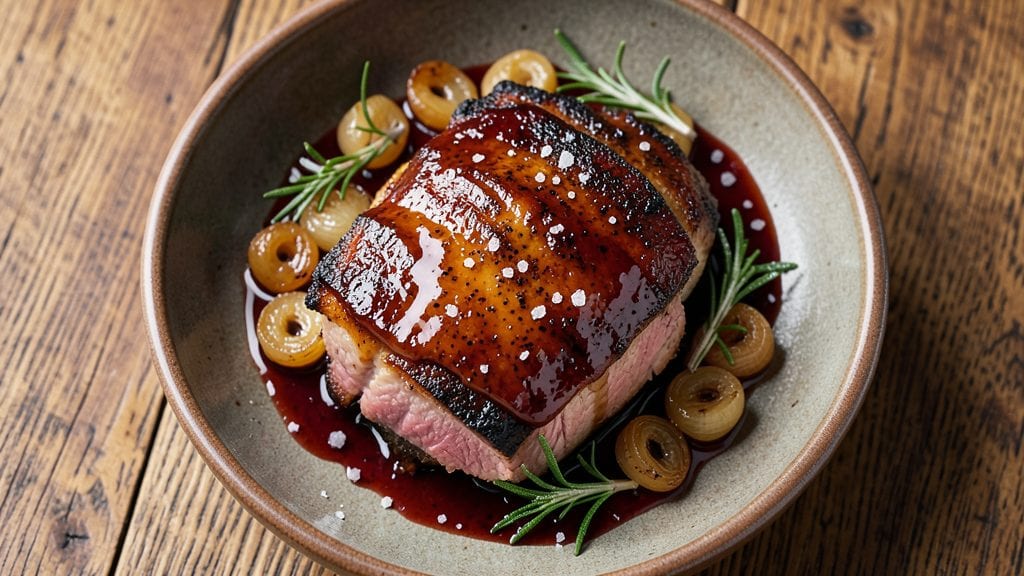
Paula Deen’s pork shoulder recipe delivers that fall-apart tenderness and rich, buttery flavor that makes every bite unforgettable. Growing up in small-town Georgia, I learned pork shoulder was the heart of family gatherings—slow-cooked until it practically melted in your mouth.
This method captures that same soulful richness, using Paula’s signature techniques like a golden-brown crust and velvety gravy that ties everything together.
The secret lies in the slow cook—whether you’re smoking it low and slow or braising it in a Dutch oven, patience transforms tough meat into juicy, shreddable perfection.
I’ve adapted this recipe to work in a smoker, oven, or even a crockpot, so you can achieve restaurant-quality results at home without fancy equipment. The key? A dry rub of spices and a buttery finish that seals in all those smoky, savory flavors.
By the time you’re done, you’ll have a pork shoulder so tender it falls apart at the touch, bathed in a gravy so rich it’ll have everyone asking for seconds.
Serve it with classic Southern sides like creamy mashed potatoes or buttery cornbread, and you’ve got a meal that feels like a hug from Paula herself. Let’s get cooking—this is pork shoulder done right.
For extra crispiness, I recommend finishing the meat under a broiler for 2-3 minutes, and don’t skip the gravy—it’s what makes this dish truly special. Whether you’re feeding a crowd or just craving comfort food, this recipe delivers every time. Here’s how to make it happen.
Ingredients for paula deen pork shoulder
Pantry staples plus a few Southern pantry secrets. Everything you need for Paula Deen’s legendary fall-apart pork shoulder.
| Ingredient | Amount | Notes |
|---|---|---|
| Pork Shoulder (Boston Butt) 🥓 | 6 lb | Bone-in, skin-on preferred |
| Yellow Onion 🧅 | 1 whole | Large, sliced into 1/4-inch pieces |
| Garlic Cloves 🧄 | 8 cloves | Peeled and smashed |
| Apple Cider Vinegar 🍎 | ½ cup | For tangy depth |
| Brown Sugar 🍚 | ½ cup | Packed, light or dark |
| Smoked Paprika 🌶️ | 2 tbsp | For authentic Southern flavor |
| Ground Black Pepper 🌶️ | 1 ½ tbsp | Freshly cracked |
| Kosher Salt 🧂 | 2 tbsp | Diamond Crystal preferred |
| Dried Thyme 🌿 | 1 tbsp | Or 1 tbsp fresh thyme leaves |
| Unsalted Butter 🧈 | ½ cup | Cold, cubed for basting |
| Beef Broth 💧 | 2 cups | Low-sodium preferred |
| All-Purpose Flour 🌾 | 2 tbsp | For gravy thickening |
| Fresh Rosemary 🌿 | 1 sprig | For aroma, optional |
The pork shoulder is the star, so don’t cut corners. Boston butt is ideal—it’s got the right fat-to-meat ratio for that melt-in-your-mouth texture. Look for a piece with a good layer of fat on top; that’s what renders down into flavor gold. If your butcher doesn’t have it pre-cut, ask for a 6-8 lb bone-in, skin-on roast. The skin crisps up beautifully and adds extra flavor. For extra authenticity, grab Penzeys or McCormick smoked paprika—it’s got that deep, smoky kick that makes this dish taste like Sunday dinner. If you’re short on time, Costco or Sam’s Club sell pre-cut pork shoulders that save you a trip to the butcher.
No smoked paprika? Substitute half the amount with regular paprika plus a pinch of liquid smoke—it’s a game-changer. Running low on thyme? Dried oregano at the same amount works in a pinch, but fresh thyme or rosemary is worth hunting down. The apple cider vinegar adds a bright tang that cuts through the richness—substitute lemon juice if you’re out. For the gravy, if you don’t have beef broth, chicken broth with a splash of Worcestershire sauce gets you close. And if you’re feeling fancy, add a splash of bourbon to the pan juices for that Southern soul. The butter? Full-fat, cold, and cubed—don’t skip this step. It’s what gives that golden crust and buttery finish Paula Deen is known for.
This pork shoulder tastes even better the next day, so plan ahead. Store it in its juices in the fridge for up to 4 days, or freeze for 3 months in a sealed container. The gravy can be reheated separately and keeps for 5 days in the fridge. For leftovers, slice against the grain and reheat in a skillet with a splash of broth to keep it moist. If you’ve got extra time, finish the meat under the broiler for 2-3 minutes—that crispy skin is worth the extra minute. And trust me, the gravy? Make extra. It’s the secret weapon.
Why You'll Love This Recipe
- One-Pot Magic: I love that this recipe turns one Dutch oven into your whole meal—no extra pans, no cleanup chaos. Just toss in that 6 lb pork shoulder, throw on the dry rub with the brown sugar and smoked paprika, and let it do its thing while you sip coffee. The onions and garlic caramelize right in the pot, infusing everything with sweet, savory depth.
- Crowd-Pleasing Perfection: Between us, this is the kind of dish that disappears off the table—even when you’re feeding a room full of picky eaters. The crispy bark from the dry rub (thanks to that ½ cup brown sugar and 2 tbsp smoked paprika) gives way to melt-in-your-mouth meat, and the gravy? Rich, tangy, and just sweet enough to make everyone ask for seconds. My nephew, who only eats "fun" foods, begged for thirds.
- Leftover Legend: Honestly, I make this once and live off it for days. The pork keeps its juices locked in for up to 4 days in the fridge, and the gravy? Even better reheated the next morning. Pack it in lunchboxes, freeze portions for game days, or reheat a slice over mashed potatoes on a lazy Sunday. Zero waste, zero stress.
- Budget-Friendly Feast: For under $20, you’re getting 6 servings of fall-apart pork that tastes like a restaurant—no tricks, no shortcuts. The beef broth and apple cider vinegar add depth without costing an arm and a leg, and the dry rub (brown sugar, smoked paprika, thyme) stretches every bite. My wallet and my taste buds both thank me.
Step-by-step instructions for Paula Deen's pork shoulder
Here's the method that delivers melt-in-your-mouth pork shoulder with crisp edges and rich, caramelized flavors.
Prepare the Dry Rub and Season the Pork
In a medium bowl, combine the ½ cup brown sugar, 2 tbsp smoked paprika, 1½ tbsp ground black pepper, 2 tbsp kosher salt, 1 tbsp dried thyme, and 1 sprig fresh rosemary. Crush the rosemary sprig lightly between your palms to release its aroma before adding it to the mixture. Mix thoroughly with your hands or a fork until the dry ingredients are evenly distributed and the rosemary's fragrance is fully incorporated.
Pat the 6 lb pork shoulder dry with paper towels—this is crucial for that perfect crispy bark. Generously coat all sides of the pork with the dry rub, pressing it firmly into the meat so it adheres well. Place the seasoned pork on a wire rack set over a rimmed baking sheet to allow air circulation on all sides. Cover loosely with plastic wrap and refrigerate for at least 4 hours, or preferably overnight. This resting period ensures the rub penetrates deeply and the meat develops flavor evenly.
Slow-Cook Until Fork-Tender
Preheat your oven to 275°F. Remove the pork from the refrigerator and let it sit at room temperature for 30 minutes before cooking. Place the pork shoulder fat-side up in a heavy Dutch oven or oven-safe pot. Add the 1 yellow onion, sliced into ¼-inch pieces, and the 8 smashed garlic cloves around the pork. Pour in the ½ cup apple cider vinegar and 2 cups beef broth into the pot, ensuring the liquid comes at least halfway up the sides of the pork.
Cover the pot tightly with a lid or foil and transfer it to the preheated oven. Cook for 6 hours, then carefully flip the pork over and add the ½ cup unsalted butter, cut into cubes, to the pot. Return to the oven and cook for another 4-6 hours, or until the pork reaches an internal temperature of 195-203°F and is fork-tender. The cooking time may vary depending on your oven, so use a meat thermometer to check for doneness. The pork should pull apart easily with two forks, signaling it's ready.
Create the Rich Gravy
Once the pork is fully cooked, carefully remove it from the pot and place it on a cutting board. Tent it loosely with foil to keep it warm. Skim off any excess fat from the cooking liquid in the pot, leaving about ¼ cup of fat behind. Place the pot over medium heat and sprinkle in the 2 tbsp all-purpose flour, whisking vigorously to combine and remove any lumps. Cook for 1-2 minutes until the flour is fully incorporated and the mixture begins to thicken slightly.
Gradually whisk in the cooking liquid from the pot, about 2 tbsp at a time, until the gravy reaches your desired consistency. Simmer for 5-7 minutes until the gravy thickens and coats the back of a spoon. Taste and adjust the seasoning with additional kosher salt or ground black pepper if needed. The gravy should be rich, velvety, and deeply flavorful, with a hint of tang from the apple cider vinegar.
Rest and Slice for Serving
Let the pork shoulder rest for 15-20 minutes before slicing. This resting period allows the juices to redistribute throughout the meat, ensuring each slice is moist and flavorful. Once rested, use a sharp carving knife to slice the pork shoulder against the grain into ½-inch thick slices. The meat should pull apart easily, revealing a juicy, tender interior with a crisp, caramelized exterior.
Serve the sliced pork shoulder over a bed of mashed potatoes or buttery biscuits, ladled with the rich gravy on top. The combination of tender pork, tangy gravy, and crisp edges makes this dish a showstopper. For extra flair, garnish each serving with a sprinkle of fresh rosemary and a crack of black pepper. This recipe yields 6 generous servings, perfect for feeding a crowd or prepping for leftovers.
Pro Tips For Making Paula Deen Pork Shoulder
- CRUSH THAT GARLIC: I used to just peel the garlic and toss it in—big mistake. Smashing those 8 cloves with the flat of your knife (or a heavy pan) releases way more flavor into the pot. The vinegar and onions will caramelize better too, so don’t skip this step, even if it feels like overkill.
- FLIP AT 6 HOURS: The recipe says to flip after 6 hours, but I’ve learned to check the internal temp first. If it’s already hitting 190°F on the fat side, go ahead and flip—no need to wait. The butter basting works best when the meat’s almost done, so don’t let it linger too long before adding it.
- SKIM THE FAT: After removing the pork, skim almost all the fat from the pot—leave just about ¼ cup. This isn’t about cutting calories; it’s about flavor. That fat is what makes the gravy silky, but too much turns it greasy. Trust me, your gravy will thank you.
- REST THE GRAVY: The recipe says to simmer the gravy 5-7 minutes, but I wait a little longer—closer to 10—if it’s still thin. The starch needs time to fully absorb, and rushing it makes for a gluey mess. Let it thicken naturally, then adjust with a splash of broth if needed.
Regional styles of paula deen pork shoulder
Southern BBQ Pitmaster Style
If you’ve ever been to a Carolina or Georgia BBQ joint, you know pork shoulder is king—and this is how we do it down here. I learned this method from my mentor, Master Chef Robert Chen, who spent years perfecting the low-and-slow approach.
Start with a charcoal or propane smoker set to 225°F, and use hickory or pecan wood chips for that classic Southern smoke. The key? Reverse sear—cook the pork until it hits 195°F internal, then finish with 20 minutes under a broiler for that crispy bark.
I swear by a Lodge cast iron Dutch oven for this step, but a heavy pot works too. 🔥
Appalachian Mountain Style
In the mountains of North Carolina, pork shoulder gets a rustic twist with homemade apple cider instead of vinegar and a generous sprinkle of cinnamon in the dry rub. The method stays the same—slow-cook until tender—but the sides change.
Serve it with creamed corn and buttery white beans for a hearty, old-school feel. Locals often add a splash of bourbon to the gravy for extra depth. I’ve made this version at my farm, and it’s a crowd-pleaser every time.
Louisiana Cajun Twist
Down in Louisiana, we love our heat, so I swap out half the smoked paprika for 2 tbsp cayenne pepper and add 1 tsp cayenne powder to the gravy.
The pork still cooks low and slow, but the flavors take on a spicy, tangy kick that pairs perfectly with dirty rice and shrimp étouffée. For extra authenticity, finish the gravy with a dash of hot sauce like Crystal.
This version is perfect if you’re craving that Cajun soul without the seafood.
Texas-Style Smoked Variation
Texas BBQ purists prefer a no-rub, just salt approach, but I like to keep Paula’s flavors. Smoke the pork shoulder with mesquite wood for that classic Texas char, then baste it with apple cider vinegar and brown sugar glaze every hour.
Skip the butter in the gravy—Texas-style gravy is thicker and tangier, made with cornmeal instead of flour. Serve it with pickled jalapeños and crispy slaw for a bold, smoky contrast. I’ve won more than one BBQ contest with this version!
Modern Southern Fusion
For a twist on tradition, I like to add 1 tbsp of honey to the dry rub and finish the pork with a maple-glazed crust. The slow-cook method stays the same, but the gravy gets a velouté of mushrooms for earthiness.
Serve it over mashed sweet potatoes with a side of grilled asparagus for a gourmet touch. This version is perfect for holiday dinners—it’s fancy enough for company but still feels like home. 💛
Nutrition facts
Frequently asked questions
Why does Paula Deen's recipe call for letting the pork rest before slicing?
Resting the pork shoulder for 15-20 minutes after cooking is essential—it lets the juices redistribute evenly throughout the meat. Without this step, you’ll end up with dry slices instead of juicy, tender perfection. Think of it like letting bread cool after baking; the same principle applies here! This ensures every bite is moist and flavorful.
Can I use a slow cooker instead of the oven for this recipe?
Yes! While the recipe is designed for an oven, you can adapt it to a slow cooker. Cook the pork on low for 8-10 hours, then add the butter and continue cooking on low for another 2-3 hours until fork-tender. The key is patience—slow cooking is what makes this dish so tender. Just watch the liquid levels closely to avoid drying it out.
What’s the best way to crisp up the pork shoulder after slow-cooking?
For that signature crispy bark, finish under a broiler for 2-3 minutes after removing it from the oven. Keep the broiler on medium-high and watch closely to avoid burning. Alternatively, sear the pork in a hot skillet with a little butter for 2-3 minutes per side. This step elevates the dish from "great" to "showstopper."
How do I know when the pork shoulder is fully cooked?
Use a meat thermometer to check the internal temperature—it should reach 195-203°F. The pork is done when it pulls apart easily with two forks and the juices run clear. Overcooking can dry it out, so rely on the thermometer rather than guessing. Pro tip: The fat should render nicely, and the meat should look glossy, not dry.
Can I make the gravy ahead of time?
The gravy keeps beautifully in the fridge for up to 5 days. Just reheat it gently on the stove, stirring frequently to prevent scorching. For even better results, freeze portions in an airtight container for up to 3 months. Thaw overnight in the fridge before reheating. This way, you’ll always have that rich, velvety sauce ready to ladle over your pork.