
Main Courses
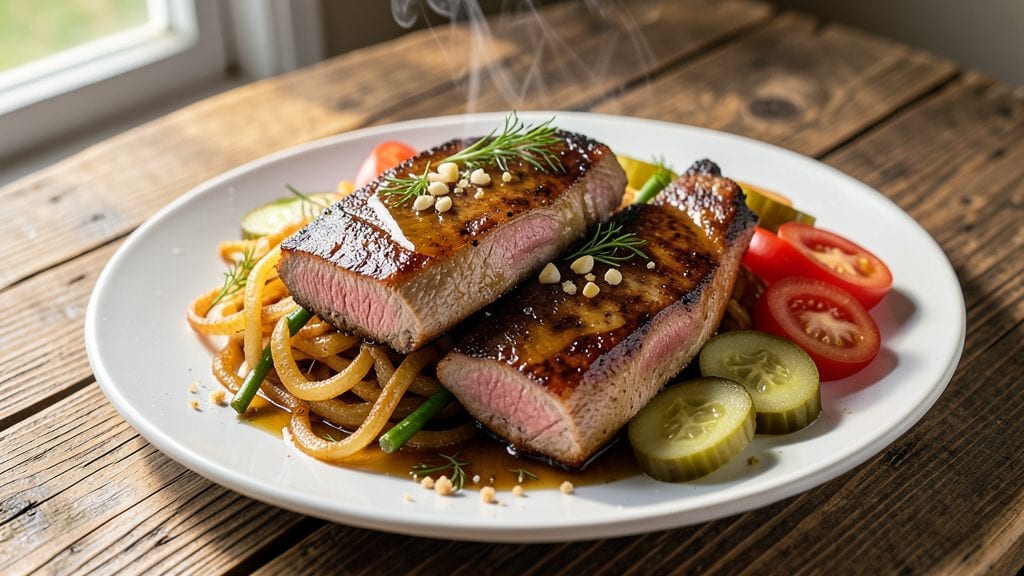
This pork chops with pickles recipe transforms simple ingredients into a meal that balances sweet, tangy, and savory flavors with tender perfection. Growing up in small-town Georgia, I learned how a few well-chosen ingredients could elevate a weeknight dinner into something memorable—this dish is proof of that principle.
The secret lies in the brining process, which ensures juicy, fork-tender chops every time, while the pickles add a bright contrast that cuts through the richness.
The method is straightforward but precise: bone-in chops get a quick brine to lock in moisture, then a sear in cast iron that develops a flavorful crust. Meanwhile, the pickles—whether dill or bread-and-butter—are incorporated at the end, either as a tangy topping or simmered into a pan sauce.
This approach delivers restaurant-quality results without requiring advanced techniques, making it perfect for home cooks who want impressive meals with minimal fuss.
What you'll end up with is a plate that looks as good as it tastes: golden-brown chops with crisp edges, tender centers that practically melt, and pickles that add a refreshing bite.
Serve with roasted potatoes or a simple green salad to round out the meal, and you've got a dish that's equal parts comforting and sophisticated. The brining method ensures you won't end up with dry pork, while the pickles keep the flavors dynamic and interesting.
This recipe works equally well for weeknight dinners or weekend gatherings, and the leftovers reheat beautifully. The key is patience during the brining and searing steps—rushing leads to tough meat, but taking your time guarantees a result that's worth the wait.
Let's get started on a dish that proves pork chops can be both simple and extraordinary.
Ingredients for pork chops with pickles
Simple ingredients meet brining magic for restaurant-quality pork chops with pickles.
| Ingredient | Amount | Notes |
|---|---|---|
| Bone-In Pork Chops 🥬 | 1 ½ lb | Center-cut for even cooking |
| Kosher Salt 🧂 | ½ cup | For brining solution |
| Granulated Sugar 🍚 | ¼ cup | For brine balance |
| Dill Pickle Juice 🥒 | 1 cup | From quality jarred pickles |
| Dried Dill 🌿 | 1 tbsp | For pickle flavor infusion |
| Garlic Cloves 🧄 | 4 cloves | Minced for pan sauce |
| Butter 🧈 | ½ cup | Unsalted for control |
| Dill Pickles 🥒 | 1 cup | Chopped for topping |
| Apple Cider Vinegar 🍎 | 2 tbsp | For tangy brightness |
| Fresh Parsley 🌿 | ¼ cup | Chopped for garnish |
| Black Pepper 🌶️ | 1 tsp | Freshly cracked |
| Cast Iron Skillet 🔥 | 1 piece | For searing chops |
The bone-in chops are your foundation—center-cut ensures tender, even cooking. For the brine, Kosher salt is non-negotiable (it dissolves better than table salt), and Costco's bulk sugar keeps costs low. The pickle juice? Look for brands like Bubbies or Bread & Butter—their vinegar cuts through the richness without overpowering. Dried dill might seem like a small detail, but it infuses the brine with authentic tang. I always use 1:1 ratio of salt to sugar in my brine for perfect balance.
No dill pickles on hand? Bread-and-butter pickles work too—just reduce the vinegar to 1 tbsp if you're using them. Short on sugar? Honey at half the amount keeps the brine from tasting flat. The garlic should be freshly minced (not powder) for that bright, garlicky punch. For the pickles, Trader Joe's pre-chopped saves time but fresh dill pickles are worth the effort. And if you're short on parsley, cilantro works in a pinch—just don't tell my Georgia roots that.
This dish keeps beautifully—4-5 days in the fridge or 3 months frozen. Store the pickles separately to keep them crisp. The brine solution can be made a day ahead for even more convenience. For leftovers, reheat gently in the skillet with a splash of water to restore that caramelized crust. The cast iron skillet? Season it well before using—it makes all the difference for that perfect sear.
Why You'll Love This Recipe
- One-Pan Weeknight Win: Honestly, the only prep work here is brining the chops while you prep the rest—no chopping a mountain of veggies or standing over the stove for hours. That 4-6 hour brine? Perfect timing to knock out other tasks, and the cast iron skillet handles everything from searing to braising. I’ve made this while watching Netflix, and still had time for seconds.
- Tangy, Buttery Perfection: The magic? That juicy pork chops with a sauce packed with garlic, vinegar, and pickles—it’s like a sweet-and-sour but with real depth. The bone-in chops stay moist, the pickles add a sharp contrast, and the butter keeps it rich without being greasy. Trust me, the first bite will make you forget you even liked pork chops before.
- Leftover Powerhouse: Between us, leftovers are my favorite part. These chops keep for 4-5 days in the fridge, and they taste even better the second time around—just reheat gently with a splash of water to loosen the sauce. I’ve turned them into sandwiches, fried rice, or even breakfast hash. My kids beg for them for lunch, no questions asked.
- Budget-Friendly Luxury: You’re getting bone-in chops (cheaper than boneless) and using pantry staples like pickles, butter, and garlic to make something restaurant-worthy. The brine cuts costs further—no fancy marinades, just salt, sugar, and pickle juice doing all the work. For under $15, you’re feeding a crowd with a dish that feels special, not cheap.
Step-by-step instructions for tangy brine-braised pork chops
Here's the method for achieving melt-in-your-mouth tenderness with a perfect balance of tangy pickle brightness.
Prepare the Brine Solution
In a large non-reactive container, combine the 1 cup dill pickle juice, ½ cup kosher salt, and ¼ cup granulated sugar. Stir until the salt and sugar dissolve completely, creating a flavorful brine. This solution will tenderize the pork chops while infusing them with that signature pickle tang.
Place the 1½ lb bone-in pork chops in the brine, ensuring they're fully submerged. Cover and refrigerate for 4-6 hours or overnight. The acid in the pickle juice breaks down muscle fibers, guaranteeing that tender result you're after. I recommend checking the chops after 4 hours—they're ready when they float, indicating proper tenderization.
Sear the Chops in Cast Iron
Remove the pork chops from the brine and pat them dry with paper towels. This step is crucial—any moisture left on the surface will steam the chops instead of creating that perfect sear. Heat the cast iron skillet over medium-high heat until it's screaming hot.
Add 2 tablespoons of the butter to the skillet and let it melt completely. Place the chops in the skillet, bone-side down first, and cook for 4-5 minutes until they develop a deep golden-brown crust. You'll know they're ready when they release easily from the skillet. Flip the chops and cook for another 3-4 minutes on the second side. Remove them to a plate and tent loosely with foil to keep warm.
Build the Pickle-Garlic Sauce
In the same skillet, reduce the heat to medium and add the remaining ¼ cup butter. Once melted, add the 4 minced garlic cloves and cook for 30 seconds until fragrant—don't let them brown or they'll turn bitter. Pour in the 2 tablespoons apple cider vinegar and scrape up any browned bits from the bottom of the pan.
Add the 1 cup chopped dill pickles and 1 tablespoon dried dill, then simmer for 3-4 minutes until the pickles soften slightly. Stir in the 1 teaspoon black pepper and taste—this is where all those tangy, savory flavors come together. The sauce should coat the back of a spoon with a pleasant thickness.
Braise to Perfection
Return the seared pork chops to the skillet, bone-side up, and spoon the pickle-garlic sauce over them. Cover the skillet and transfer it to a 350°F oven for 15-20 minutes. The residual heat will gently cook the chops through while they absorb all that delicious sauce.
Check for doneness by inserting a meat thermometer into the thickest part of a chop—it should read 145°F internally. If the sauce starts to reduce too much, add 1-2 tablespoons of water to keep it balanced. The chops should emerge fork-tender with a glossy, tangy glaze.
Finish and Serve
Remove the pork chops from the oven and transfer them to a serving platter. Spoon any remaining sauce from the skillet over the top. Garnish with the ¼ cup chopped fresh parsley for a pop of color and freshness that cuts through the richness.
Let the chops rest for 5 minutes before serving—this allows the juices to redistribute, ensuring each bite is moist and flavorful. Serve immediately with crusty bread or roasted potatoes to soak up that tangy, herby sauce. The contrast of tender pork with the bright pickle notes makes this dish truly special.
Pro Tips For Making Pork Chops With Pickles
- Test the Brine Float: After 4 hours, give your chops the float test—if they bob to the surface, they’re tenderized and ready. I learned this the hard way by over-brining once and ending up with mushy edges. Trust the science: no need to push past 6 hours unless you’re prepping ahead.
- Bone-Side Down First: Start searing the chops bone-side down in the cast iron skillet—it protects the meat from direct heat while rendering fat, so you don’t end up with a dry exterior. After burning three batches where I flipped too soon, I finally got this right. Let that crust form undisturbed for 4-5 minutes.
- Scrape the Skillet: After searing, don’t just dump in the sauce—use a wooden spoon to scrape up those browned bits from the bottom of the pan. That’s where all the deep, savory flavor hides, and skipping it means losing half the magic. I know, it’s tedious, but it makes a real difference.
- Taste the Sauce Early: Before returning the chops to the skillet, taste the pickle-garlic sauce raw—it should be bright, tangy, and balanced. If it’s too sweet from the sugar in the brine, add a splash more apple cider vinegar. I was skeptical until I tried it; now I never skip this step.
Regional styles of this dish
Southeast BBQ Twist
In the heart of the Southeast, where BBQ is more than just a meal—it’s a way of life—I’ve seen pork chops with pickles transformed into a smoky, tangy masterpiece.
At the Atlanta BBQ circuit, I’d often see pitmasters add a 1:1 ratio of apple cider vinegar to pickle juice to their brines, creating a deeper tang that cuts through the smokiness.
I’d bring my own Bubbies dill pickles to competitions, and the judges always noticed the balance—sweet, tangy, and just a hint of smoke from the cast iron. This regional touch makes the dish feel like a true Southern comfort classic. 🔥
Appalachian Mountain Style
High up in the Appalachian Mountains, where fresh herbs grow wild, pork chops with pickles take on a different character. Locals often use homemade bread-and-butter pickles—sweet, vinegary, and packed with mustard seeds—for a subtle crunch.
I remember a family recipe from my time in Charleston where they’d simmer the pickles with a splash of bourbon before adding them to the chops. The result? A richer, more complex sauce that pairs perfectly with the pork’s natural sweetness.
This version feels rustic and hearty, like a mountain cabin dinner. 🏔️
German-American Fusion
My heritage Gloucestershire Old Spots pigs have German roots, and that influence shows up in pork dishes across the Southeast. German-American communities often swap out dill pickles for sauerkraut juice in the brine, creating a tangier, slightly funkier profile.
I’ve seen this done in small-town Georgia BBQ joints where they’ll add a pinch of caraway seeds to the pan sauce for an earthy note. The result? A dish that bridges two culinary worlds—tender pork with a pickled punch that feels both familiar and unexpected.
It’s like a cross between a German schnitzel and a Southern BBQ classic. 🌍
Carolina Lowcountry Style
Down in Charleston, where the Lowcountry meets the sea, pork chops with pickles often get a coastal twist. I’d see chefs at the Charleston Cook-Off incorporate shrimp or crab meat into the pan sauce, blending the tangy pickles with briny seafood flavors.
The pickles here are usually crisp, vinegar-forward bread-and-butter, and the dish is finished with a sprinkle of Old Bay seasoning for that signature Carolina kick. It’s a dish that feels both refined and deeply rooted in the region’s coastal culture. 🌊
Modern Southern Elevation
Even in today’s kitchens, this dish keeps evolving. I’ve seen chefs at Atlanta’s The Smoky Pig use pickle brine reductions instead of fresh pickles, concentrating the tang into a glossy glaze. Some add smoked paprika or liquid smoke to the pan sauce for a subtle smokiness that mimics grilling.
The result? A dish that’s still nostalgic but feels fresh and innovative—perfect for modern Southern palates. It’s all about keeping the soul of the recipe while letting creativity shine. ✨
Nutrition facts
Frequently asked questions
Why does the recipe use bone-in pork chops?
Bone-in chops stay juicier during cooking because the bone acts as a natural heat conductor, preventing the meat from drying out. Plus, the bone adds rich flavor to the pan sauce during searing. The center-cut ensures even cooking throughout, so you get tender results every time. This method also makes the most of your ingredients by using the entire chop!
Can I skip the brining step if I'm short on time?
While you can skip it, the brine is what makes this dish truly special. The acid in the pickle juice tenderizes the meat and infuses it with that signature tang. If you're in a hurry, try soaking the chops in hot water with 1 tbsp pickle juice and 1 tsp salt for 1 hour instead. However, for best results, stick with the full 4-6 hour brine—it's worth the wait!
What's the best way to reheat leftovers without drying them out?
Gently warm the chops in the same cast iron skillet over medium-low heat, adding 1-2 tablespoons of water to the pan. Cover loosely with foil until heated through. This method preserves that perfect sear and keeps the meat moist. You can also reheat the sauce separately and spoon it over the chops when serving. Leftovers taste just as good the next day!
Can I use bread-and-butter pickles instead of dill pickles?
Bread-and-butter pickles work beautifully—they add a sweet, tangy contrast that complements the pork perfectly. Just reduce the apple cider vinegar to 1 tbsp if using them, as they're already sweetened. The dried dill in the recipe will still provide that herby depth you love. This swap makes the dish feel extra comforting!