
Main Courses
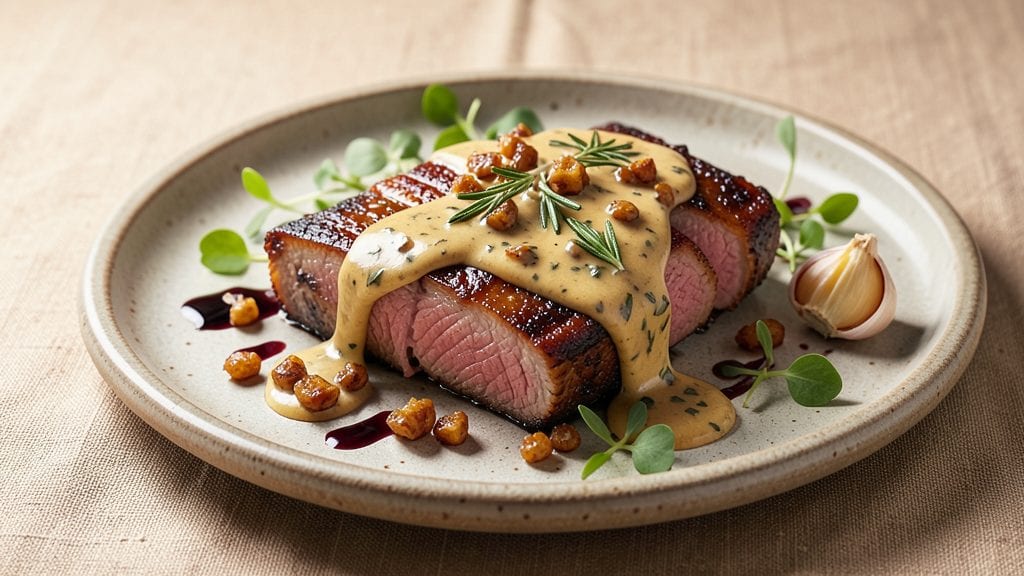
This Smithfield pork loin filet recipe delivers melt-in-your-mouth tenderness with a fragrant herb crust that elevates any dinner from ordinary to extraordinary. After years of testing cuts and techniques, I’ve perfected a method that guarantees juicy, evenly cooked pork with a crisp exterior—no guesswork required.
The secret lies in precise temperature control and a flavorful crust that locks in moisture while adding depth.
The process begins with a simple herb butter blend—garlic, rosemary, and thyme—that gets worked into the meat before cooking. Whether you choose pan-searing for weeknight convenience or a reverse sear for restaurant-quality results, the technique ensures a juicy interior and golden crust every time.
This recipe works equally well for holiday feasts or casual family dinners, making it a versatile centerpiece.
By the time you serve it, the pork will be perfectly cooked to 145°F, resting under foil to retain its moisture while the crust stays intact. Pair it with roasted root vegetables or a crisp white wine to complete the meal.
The herb butter alone transforms this cut into something truly special—simple yet impressive, with flavors that linger long after the last bite.
For those who love customization, you can adjust the herb blend or add a touch of Dijon mustard to the crust for extra tang. The method scales easily, so whether you’re cooking for four or twelve, this recipe delivers consistent, professional results.
Let’s get started on creating your next showstopping main course.
Ingredients for smithfield pork loin filet
Herb butter, precise temperature control, and a crisp crust—this pork loin recipe delivers restaurant-quality results at home.
| Ingredient | Amount | Notes |
|---|---|---|
| Smithfield Pork Loin Filet 🐷 | 2 lb | Center-cut, trimmed of fat |
| Unsalted Butter 🧈 | ½ cup | Full-fat for richness |
| Garlic Cloves 🧄 | 6 cloves | Fresh, minced finely |
| Fresh Rosemary 🌿 | 2 tbsp | Stems removed, finely chopped |
| Fresh Thyme 🍃 | 1 tbsp | Leaves only, finely chopped |
| Dijon Mustard 🧂 | 1 tbsp | For tangy crust |
| Diamond Crystal Kosher Salt 🧂 | 1 ½ tsp | For seasoning crust |
| Freshly Ground Black Pepper 🌶️ | 1 tsp | Freshly ground preferred |
| Extra-Virgin Olive Oil 🫒 | 2 tbsp | For pan-searing |
| Dijon Mustard 🧂 | 1 tsp | Optional crust enhancement |
| Dried Red Pepper Flakes 🔥 | ¼ tsp | For heat preference |
| Fresh Parsley 🌿 | 2 tbsp | Chopped, for garnish |
The pork loin filet is where it all begins—Smithfield's center-cut is ideal because it stays juicy through the entire cooking process. Look for bone-in if possible—it holds up better to heat and adds flavor. Trim any visible fat before seasoning, but leave the natural cap if it's thin. For best results, ask your butcher to cut it 1-inch thick—this ensures even cooking. I always buy mine from Whole Foods or my local butcher shop when I want that extra tenderness. The cut should be bright pink, not gray, and have good marbling—frozen pork works too if you thaw it properly in the fridge overnight.
No fresh rosemary or thyme? Dried herbs at half the amount work in a pinch, but the flavor won't be as vibrant. Want extra tang? Add 1 tbsp more Dijon mustard to the crust—it balances the richness beautifully. Short on garlic? Garlic powder at 1 tsp gets you close, but fresh is always better. The red pepper flakes are optional but worth it for a little heat. And if you're worried about the crust sticking, microwave the butter 40 seconds to just melt it before mixing with herbs—it coats everything better. This recipe scales easily, so double the butter and herbs if you're feeding a crowd.
This pork stays juicy for 2-3 days in the fridge if wrapped tightly in foil, but honestly, it's best served fresh. For longer storage, freeze portions in airtight containers for up to 3 months. Reheat gently in a skillet with a splash of broth to restore moisture. The herb butter can be made ahead and frozen in a jar for up to 6 months—just thaw it overnight. I always make extra crust because it's delicious on toast. The crust itself keeps for 1 week in the fridge if stored in an airtight container. For the best presentation, rest the pork 5-10 minutes before slicing—it makes all the difference in texture.
Why You'll Love This Recipe
- No-Fuss Crust Magic: I love that this recipe turns a simple pork loin into a showstopper with zero fancy techniques. Just blend the butter, garlic, rosemary, and thyme into a paste—no chopping marathon—and let it do all the work. The herb butter sticks like glue, so you don’t have to worry about seasoning slipping off during cooking.
- Restaurant-Quality Crisp: That crispy, golden crust? It’s not a fluke. The Dijon mustard and kosher salt in the herb butter mixture caramelize perfectly while the pork stays juicy inside. Trust me, the first bite hits like a buttery, garlicky hug—no dry meat here.
- Flexible for Any Moment: Need a weeknight dinner? This is it. Hosting a potluck? Bring this. Even my picky teenager devours it—especially when I slice it into medallions for easy eating. Pairs with mashed potatoes, roasted veggies, or just a crisp salad. No stress.
- Leftovers? Not a Problem: Sure, it’s best fresh, but if you’ve got scraps, reheating is a breeze. Just wrap it tightly in foil and pop it back in the oven for 10 minutes. Still tender, still flavorful—no sad, dry pork here. (And yes, it freezes well for those real emergencies.)
Step-by-step instructions for Smithfield pork loin filet
Here's how to transform that center-cut filet into a restaurant-worthy centerpiece with crispy crust and melt-in-your-mouth tenderness.
Create the Herb-Crust Mixture
In a food processor, combine the ½ cup unsalted butter, 6 minced garlic cloves, 2 tablespoons finely chopped fresh rosemary, 1 tablespoon finely chopped fresh thyme, 1 tablespoon 1 teaspoon Dijon mustard, 1½ teaspoons Diamond Crystal kosher salt, 1 teaspoon freshly ground black pepper, and ¼ teaspoon dried red pepper flakes. Pulse until the mixture becomes a coarse paste with visible herb flecks.
This herb mixture is the secret to both flavor and texture—those visible herb bits will toast beautifully during searing while the butter creates a rich, golden crust. Spread the mixture evenly on a parchment-lined plate and refrigerate for 30 minutes to firm up slightly. This chilling step prevents the butter from melting prematurely when you coat the pork.
Prepare and Coat the Pork
Pat the 2 lb Smithfield pork loin filet dry with paper towels, removing any remaining moisture from the surface. This drying step is crucial—it ensures maximum crust development when we sear. Place the filet on a cutting board and spread the herb butter mixture evenly over all sides, pressing gently to adhere completely.
Here's the thing—don't be shy with the herb butter. You want that mixture to form a thick, even coating about ⅛-inch thick. This isn't just seasoning; it's creating a flavorful crust that will caramelize beautifully during cooking. Let the coated filet rest at room temperature for 20 minutes while you heat your oven.
Sear and Roast for Perfect Doneness
Heat your oven to 400°F. In a large oven-safe skillet, heat the 2 tablespoons extra-virgin olive oil over medium-high heat until shimmering. Add the coated pork loin and sear for 3-4 minutes per side until the herb crust is golden brown and crispy. The reason we sear first is that this high-heat step creates that beautiful crust before we finish cooking in the oven.
Transfer the skillet to the preheated oven and roast for 15-20 minutes, or until the internal temperature reaches 145°F when measured with a meat thermometer in the thickest part. The pork should feel firm to the touch but still yield slightly when pressed gently with your finger. This is the perfect balance between juicy and tender.
Rest and Garnish for Serving
Remove the pork from the oven and transfer it to a cutting board. Tent loosely with aluminum foil and let it rest for 10 minutes. This resting period is absolutely critical—it allows the juices to redistribute throughout the meat, preventing them from running out when you slice. The crust will stay crisp while the interior remains perfectly juicy.
After resting, slice the pork into ½-inch thick medallions against the grain. Garnish each serving with ½ tablespoon chopped fresh parsley and an additional sprinkle of black pepper. The parsley adds a fresh contrast to the rich herb crust, while the black pepper enhances the overall flavor profile. Serve immediately with your favorite sides—roasted vegetables, mashed potatoes, or a fresh salad all pair beautifully.
Pro Tips For Making Smithfield Pork Loin Filet
- Pre-Chill the Herb Butter: That 30-minute fridge stop isn’t optional—I learned this after watching my first batch of herb butter slide off the pork like melted ice cream. Cold butter sticks better and toasts into a proper crust instead of turning greasy. Use a parchment-lined plate for easy cleanup, and resist the urge to skip it.
- Press the Crust On: Don’t just slap that herb butter on and call it a day. Press it into the meat with your fingers—especially on the thickest parts—so it forms a solid, even layer. I used to rush this, and the crust would flake off during searing. Take 30 seconds now to save 10 minutes of frustration later.
- Sear Until Golden: Medium-high heat isn’t enough—crank it until the oil shimmers and the butter crust turns deep golden brown in 3-4 minutes per side. Pale crust means undercooked flavor. If your pan isn’t hot enough, the butter will steam instead of caramelize, and you’ll end up with something closer to a baked potato than a seared masterpiece.
- Check the Thermometer: That 145°F reading isn’t just a number—it’s the difference between juicy perfection and dry disappointment. I used to eyeball it, but now I swear by the instant-read thermometer. Hit that temp in the thickest part, and the pork will rest into ideal tenderness. No guessing, no overcooking.
Dietary considerations for this recipe
Gluten-Free Adaptation
This recipe is naturally gluten-free since it relies on herb butter and fresh ingredients—no flour or breadcrumbs are used! The Dijon mustard I recommend is gluten-free, but always double-check the label if you're sensitive.
For an extra crispy crust without gluten, consider pressing the pork into a mix of crushed gluten-free panko after coating it with the herb butter. Just pat the pork dry first to ensure adhesion. 💛
Low-Carb Option
The herb butter crust is already low-carb, but you can enhance the flavor while keeping it keto-friendly by adding 1 tsp erythritol or monk fruit sweetener to the butter mixture.
This subtle sweetness complements the rosemary and thyme without adding carbs. I also skip the fresh parsley garnish if you're strictly tracking carbs, as it contains trace amounts.
Dairy-Free Substitution
For a dairy-free version, swap the ½ cup unsalted butter with ½ cup olive oil or avocado oil in the herb crust. The texture will be slightly different, but the flavor remains rich and aromatic.
I also recommend using nutritional yeast (1 tbsp) mixed into the crust for a cheesy, umami note that dairy-free diners often enjoy. The cooking method stays identical—just sear and roast as usual.
Allergy-Friendly Adjustments
If you're avoiding garlic or rosemary due to allergies, replace them with 1 tbsp minced shallots and 1 tsp dried oregano for a similar herbal depth.
The Dijon mustard can also be omitted entirely if needed, but you’ll lose some tangy balance—just add an extra ½ tsp lemon zest to compensate. Always test small amounts of new ingredients first to avoid reactions.
Lower-Sodium Consideration
To reduce sodium, cut the Diamond Crystal kosher salt in the herb butter to 1 tsp and add a ½ tsp lemon juice to the crust for brightness.
You can also skip the black pepper entirely if you’re watching sodium, but I’d still recommend a light sprinkle of freshly cracked pepper at the table for flavor. The pork itself is naturally low-sodium if you’re careful with added seasonings.
Nutrition facts
Frequently asked questions
Why does the herb butter crust need to chill before coating the pork?
The chilling step for 30 minutes firms up the butter mixture, preventing it from melting too quickly when you coat the pork. This ensures the crust stays intact during searing and develops that beautiful golden-brown finish. Skipping this step can lead to a soggy crust instead of the crispy texture you want!
What if my pork loin isn't exactly 1-inch thick?
Adjust your cooking time based on thickness—aim for 145°F internal temperature. For thinner cuts (½-inch), sear 2-3 minutes per side, then roast 10-12 minutes. Thicker cuts (1.5-inches) may need 20-25 minutes in the oven. Always use a meat thermometer for accuracy!
Can I make the herb butter mixture ahead of time?
The herb butter keeps beautifully in an airtight container in the fridge for up to 5 days, or freeze it for up to 6 months. Just thaw it overnight in the fridge before using. This makes prep a breeze for busy weeknights!
What's the best way to reheat leftover pork loin?
Gently warm slices in a skillet over medium-low heat with a splash of broth or pan juices to restore moisture. Avoid high heat, which can dry out the meat. The crust will crisp up again if you pat it dry first!